
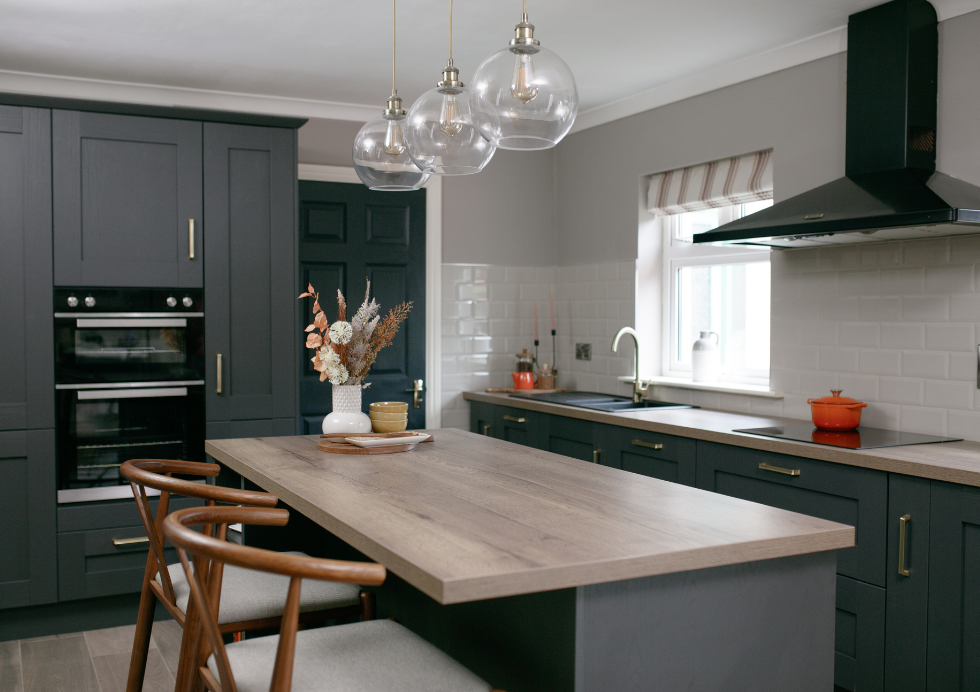
Designing a kitchen with an efficient layout can completely change the way you cook, clean, and enjoy your space. Imagine moving smoothly from the fridge to the stove, with everything you need right where you want it.
You don’t have to settle for a cramped or cluttered kitchen that slows you down. You’ll discover simple yet powerful tips to create a kitchen layout that makes your daily tasks easier and more enjoyable. Keep reading, and you’ll learn how to turn your kitchen into a smart, functional space designed just for you.
Choosing The Right Layout
Designing a kitchen starts with picking the best layout. The layout affects how you move and work in the kitchen.
Good layouts save time and make cooking easier. Let’s look at popular kitchen layouts to help you decide.
Galley Kitchen
A galley kitchen has two parallel counters with a walkway in between. This layout is great for small spaces.
It allows easy access to all areas. It works well for one or two cooks. But it can feel narrow if space is limited.
L-shaped Kitchen
The L-shaped kitchen uses two walls that meet at a corner. This layout fits many room sizes and shapes.
- Offers good counter space
- Allows a dining area nearby
- Supports multiple cooks
- Creates an efficient work triangle
U-shaped Kitchen
A U-shaped kitchen surrounds you with counters on three sides. It provides plenty of storage and work areas.
| Benefit | Details |
| Storage | More cabinets and shelves |
| Work Space | Large counters for prep and cooking |
| Flow | Easy to move between sink, stove, and fridge |
| Size | Best for medium to large kitchens |
Open Concept Kitchen
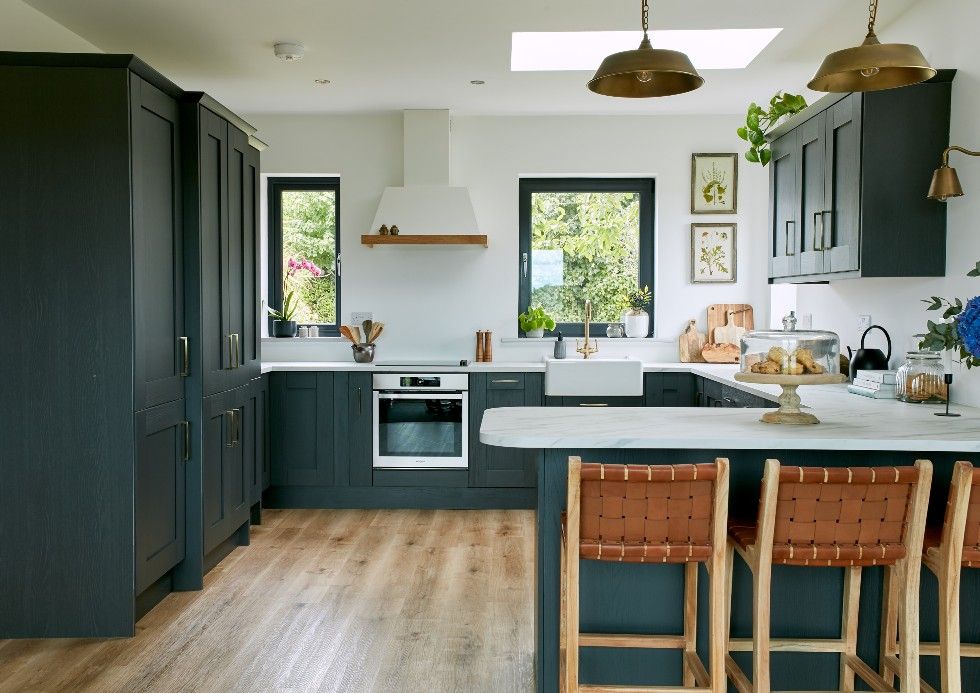
Open concept kitchens connect to living or dining areas. They create a spacious feel and encourage socializing.
This layout suits people who like to cook and entertain at the same time.
- Large islands often serve as prep and dining spots
- Good lighting from multiple directions
- Needs clear zones to keep clutter hidden
Credit: www.cashandcarrykitchens.ie
Maximizing Storage Solutions
Designing a kitchen with an efficient layout helps save space. Good storage makes cooking and cleaning easier.
Smart storage solutions keep your kitchen organized and clutter-free. Use every inch wisely to store items.
Cabinet Innovations
Modern cabinets offer new ways to store kitchen tools and food. Pull-out shelves and rotating trays improve access.
Soft-close doors and drawers protect your cabinets and keep noise down. Use adjustable shelves to fit different items.
- Pull-out pantry shelves for easy reach
- Corner cabinets with lazy Susans
- Deep drawers for pots and pans
- Built-in dividers for utensils
Utilizing Vertical Space
Vertical space is often unused in kitchens. Tall cabinets and wall shelves add storage without taking floor space.
Hang pots, pans, and utensils on wall racks. Use hooks under cabinets for mugs and small tools.
- Install ceiling-high cabinets
- Use open shelves for easy access
- Add magnetic strips for knives
- Hang baskets for fruits and vegetables
Smart Pantry Design
A well-planned pantry keeps food neat and easy to find. Use clear containers to see what you have.
Group similar items together. Use labeled bins and adjustable shelves to keep the pantry tidy.
- Use stackable containers for dry goods
- Install pull-out baskets for snacks
- Keep heavy items on lower shelves
- Label shelves and containers clearly
Optimizing Workflow With The Work Triangle
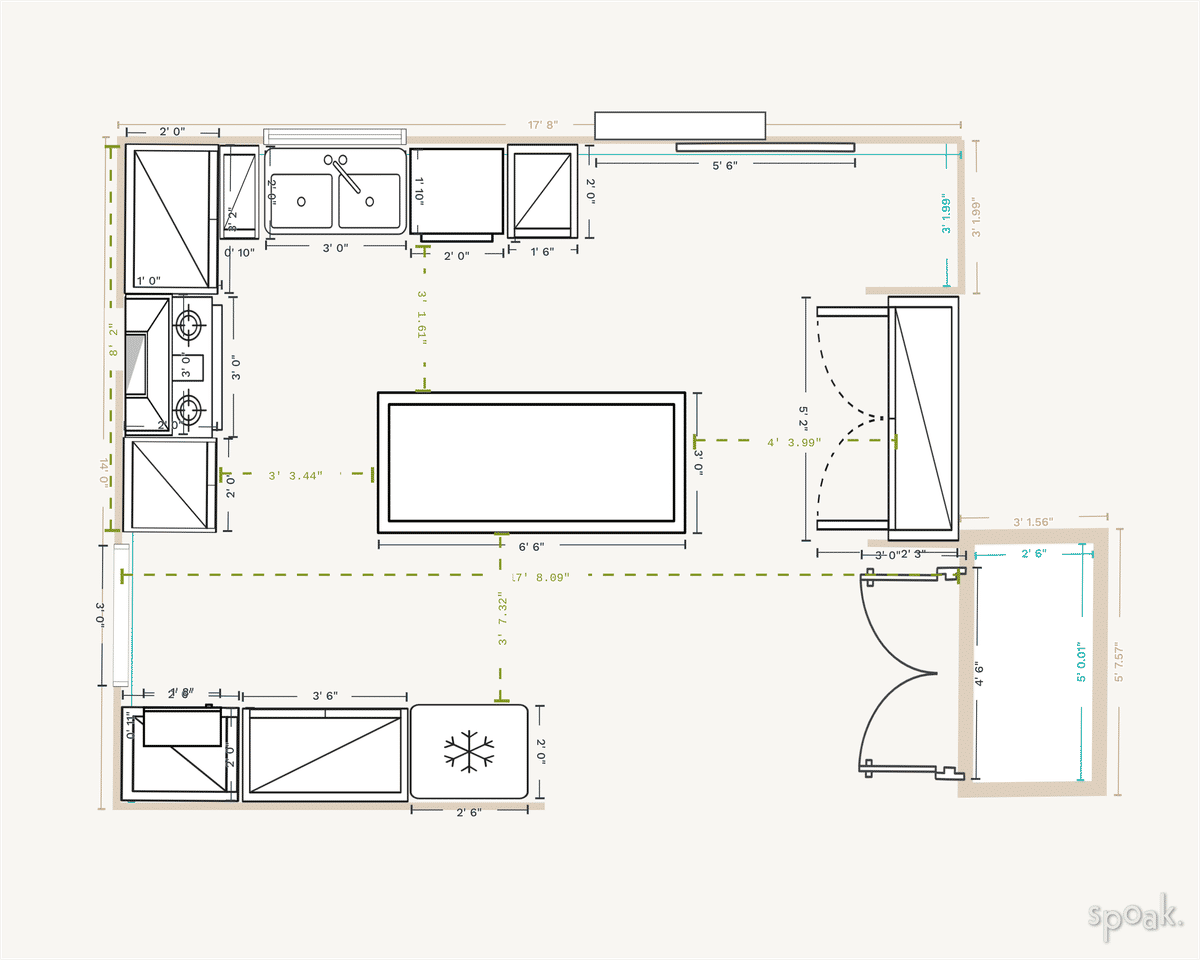
Designing a kitchen with an efficient layout helps save time and effort. The work triangle connects the sink, stove, and refrigerator for smooth cooking. This layout reduces walking distance and improves kitchen workflow.
Each part of the triangle should be placed thoughtfully. This guide shows how to position the sink, stove, and refrigerator to get the best results.
Placement Of Sink
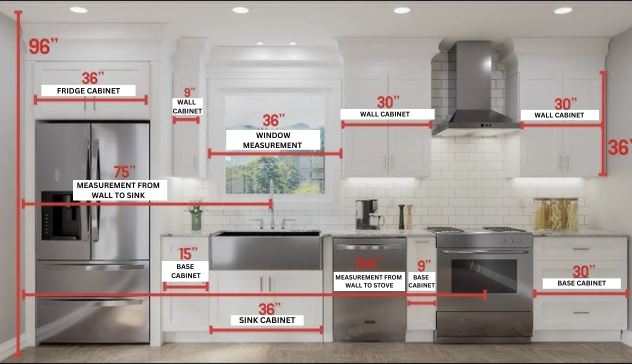
The sink is the kitchen’s cleaning center. It should be easy to reach from both the stove and refrigerator. Place it near a window if possible for natural light.
- Keep the sink close to the dishwasher for easy loading.
- Allow counter space on both sides for washing and prepping.
- Ensure plumbing access is simple and cost-effective.
Positioning The Stove
The stove is the cooking hub. It should be near the sink and refrigerator to keep the triangle balanced. Avoid placing it next to a window to prevent drafts.
| Distance Between Stations | Ideal Range (feet) |
| Sink to Stove | 4 to 9 |
| Stove to Refrigerator | 4 to 9 |
| Sink to Refrigerator | 4 to 9 |
Refrigerator Location
The refrigerator stores ingredients and leftovers. Place it where it does not block traffic or cooking zones. It should be easy to open and access during meal prep.
- Keep it near the kitchen entrance for quick grocery unload.
- Allow space for the door to open fully without obstruction.
- Place it away from heat sources like ovens and direct sunlight.
Incorporating Functional Islands
Designing a kitchen with a functional island adds style and efficiency. Islands create more workspace and help organize the kitchen flow.
Choosing the right type of island depends on your needs. Consider seating, storage, or portability to fit your kitchen space.
Island With Seating
An island with seating allows family or guests to gather while you cook. Bar stools or chairs fit nicely on one side of the island.
- Choose comfortable seating with the right height
- Leave enough legroom under the countertop
- Use durable materials that are easy to clean
- Consider adding a small overhang for extra space
Storage-enhanced Islands
Islands with extra storage help keep your kitchen tidy. Drawers, shelves, and cabinets make it easier to organize tools and ingredients.
| Storage Type | Benefits |
|---|---|
| Drawers | Easy access to utensils and small items |
| Open Shelves | Quickly grab frequently used items |
| Cabinets | Hide bulky equipment or cleaning supplies |
| Built-in Racks | Store wine or spices neatly |
Portable Islands
Portable islands add flexibility to your kitchen layout. You can move them to create more space or extra work areas as needed.
Key features of portable islands include:
- Wheels for easy movement
- Compact size to fit small kitchens
- Foldable or removable parts for storage
- Multi-use surfaces for prep or dining
Selecting Materials And Finishes
Choosing the right materials and finishes is key to a kitchen’s look and function. Good choices make your kitchen last longer and look great.
Think about how you use your kitchen and pick materials that fit your style and needs. This helps create an efficient layout.
Durable Countertops
Countertops see a lot of use every day. Pick strong materials that resist scratches and heat to keep them looking good.
Materials like granite, quartz, and solid surface are very tough. They handle chopping, hot pans, and spills well.
- Granite: Very hard and heat resistant
- Quartz: Non-porous and low maintenance
- Solid surface: Easy to repair and clean
Easy-to-clean Surfaces
Kitchen surfaces should be easy to wipe down. Smooth finishes stop dirt and germs from sticking.
Materials like stainless steel, laminate, and ceramic tile are great choices. They clean quickly and stay fresh.
- Stainless steel: Durable and hygienic
- Laminate: Affordable and simple to clean
- Ceramic tile: Resistant to stains and water
Stylish Backsplashes
Backsplashes protect walls from splashes and spills. They also add style and color to your kitchen.
Pick materials that match your counters and cabinets. Options like glass, tile, and metal offer many designs.
- Glass: Reflects light and looks modern
- Tile: Comes in many colors and patterns
- Metal: Adds an industrial or sleek feel
Integrating Lighting Solutions
Lighting plays a big role in kitchen design. It helps you see clearly and sets the mood.
Choosing the right lights improves how your kitchen works and feels. Use different lights for different tasks.
Task Lighting
Task lighting focuses on areas where you do work. It helps with chopping, cooking, and cleaning.
- Use bright lights under cabinets to light counters.
- Place lights over the stove and sink.
- Choose adjustable lights to reduce shadows.
Ambient Lighting
Ambient lighting fills the whole kitchen with soft, even light. It creates a warm and welcoming space.
| Type | Example | Effect |
| Ceiling Lights | Flush mount, chandeliers | Bright general light |
| Recessed Lights | Built-in ceiling lights | Clean look and even light |
| Pendant Lights | Hanging over islands | Focused but soft light |
Accent Lighting
Accent lighting highlights features like artwork or shelves. It adds style and depth.
Use these ideas to add accent lighting:
- LED strips under glass cabinets
- Spotlights on decorative items
- Colored lights for a fun touch
Technology In The Modern Kitchen
Technology shapes how kitchens work today. It helps save time and makes cooking easier.
Modern kitchens use smart devices and systems. These tools improve the layout and function of the space.
Smart Appliances
Smart appliances connect to Wi-Fi and apps. They let you control ovens, fridges, and dishwashers remotely.
- Adjust oven temperature from your phone
- Get alerts when food is ready
- Track grocery items in smart fridges
- Start dishwashers with voice commands
Automation Systems
Automation systems link devices for easy control. They can manage lighting, appliances, and security.
| System | Function | Benefit |
| Smart lighting | Adjust brightness and color | Save energy, improve mood |
| Voice assistants | Control devices by voice | Hands-free operation |
| Security cameras | Monitor kitchen area | Increase safety |
Energy Efficiency
Energy-efficient technology reduces waste. It lowers utility bills and protects the environment.
Ways to improve energy efficiency in your kitchen:
- Use LED bulbs for lighting
- Choose Energy Star certified appliances
- Install smart thermostats to control heating
- Seal windows and doors to keep temperature steady
Credit: www.spoak.com
Personalizing The Design
Designing a kitchen with an efficient layout means making the space your own. Personal touches bring warmth and style to the room. They also help the kitchen work better for your daily needs.
Focus on colors, decorations, and your unique style. These elements create a kitchen that fits your personality and lifestyle perfectly.
Color Schemes
Choose colors that make you feel happy and relaxed. Light colors can make the kitchen look bigger. Dark colors add a cozy feel. Mixing shades creates balance and interest.
- Use soft pastels for a calm mood
- Try bold colors for energy and fun
- Combine neutrals with bright accents
- Match colors with your cabinets and walls
Decorative Elements
Decorations bring life to your kitchen. Small details can change the whole look. Choose items that show your taste and make you smile.
| Decorative Element | Effect on Kitchen |
|---|---|
| Wall Art | Adds personality and color |
| Plants | Brings freshness and life |
| Unique Lighting | Creates mood and style |
| Textiles (Rugs, Curtains) | Adds warmth and texture |
Reflecting Personal Style
Your kitchen should show who you are. Blend your favorite design ideas with practical layouts. This makes the space both beautiful and useful.
- Pick furniture that matches your taste
- Include items that have meaning to you
- Use colors and materials you love
- Arrange the space to fit how you cook
Credit: expresskitchens.in
Frequently Asked Questions
What Is The Best Kitchen Layout For Efficiency?
The best kitchen layout optimizes the work triangle between the sink, stove, and refrigerator. Popular efficient layouts include L-shape, U-shape, and galley designs. These layouts minimize movement and improve workflow, making cooking faster and more convenient.
How Can I Maximize Storage In A Small Kitchen?
Use vertical space with tall cabinets and open shelves. Install pull-out drawers and organizers inside cabinets. Consider multi-functional furniture and wall-mounted racks to keep countertops clear and storage organized without crowding the kitchen.
Why Is Lighting Important In Kitchen Design?
Proper lighting improves visibility and safety while cooking. Combine ambient, task, and accent lighting for a balanced effect. Good lighting enhances the kitchen’s atmosphere and highlights key areas like countertops and cooking zones.
How Do I Create A Functional Kitchen Work Triangle?
Place the sink, stove, and refrigerator close but not too cramped. The triangle should allow easy movement without obstacles. Aim for 4 to 9 feet between each point to ensure efficiency and comfort during meal preparation.
Conclusion
Designing a kitchen with an efficient layout saves time and effort daily. Keep the work triangle clear for easy movement. Use storage wisely to avoid clutter and stay organized. Choose appliances and fixtures that fit your space well. Plan lighting to brighten work areas and create a warm feel.
A smart layout makes cooking and cleaning faster and more fun. Small changes can make a big difference in your kitchen’s flow. Think about how you use your kitchen and design around that. A good layout turns your kitchen into a comfortable, useful space.