
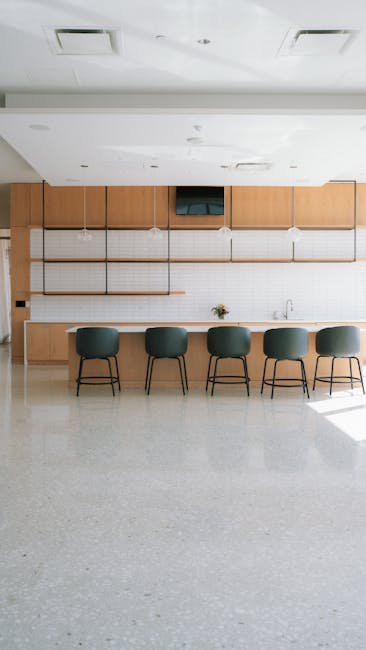
Are you dreaming of a kitchen that’s not just for cooking but also a place to gather, chat, and relax? Designing a kitchen with bar seating can turn your space into the heart of your home.
Imagine sipping your morning coffee or enjoying a quick snack while staying close to the action. But how do you create a layout that feels both stylish and practical? In this guide, you’ll discover simple steps to design a kitchen with bar seating that fits your lifestyle perfectly.
Keep reading to transform your kitchen into a welcoming spot everyone will love.

Credit: fabdiz.com
Choosing The Right Layout
Designing a kitchen with bar seating needs careful planning. The layout affects comfort and flow.
Choose a layout that fits your space and daily use. Think about how you will move and sit.
Open Vs Closed Kitchens
Open kitchens connect with living or dining areas. They create a social and bright space.
Closed kitchens keep cooking separate. They help hide mess and reduce noise.
- Open kitchens allow easy interaction while cooking
- Closed kitchens offer more privacy and less distraction
- Bar seating in open kitchens invites guests to join
- In closed kitchens, bar seating can act as a transition zone
Space Optimization Tips
Use every inch wisely to fit bar seating comfortably. Think about movement and storage.
Choose slim stools to save space. Keep the bar height right for comfort.
- Place the bar near the kitchen island or counter
- Use under-counter storage to keep items handy
- Keep pathways clear for easy walking
- Use lighting to define the bar area
- Consider foldable or stackable stools for small spaces
Selecting Bar Seating Styles
Choosing the right bar seating style can change your kitchen’s look. It also makes your space more comfortable and functional. Bar stools come in many styles to match your kitchen design.
Consider how each style fits your kitchen’s theme and how you plan to use the seating. The right stools will blend well and offer good support for long or short sitting times.
Traditional Bar Stools
Traditional bar stools often feature wood frames with detailed carvings. They usually have cushioned seats for comfort. These stools add a warm and classic feel to your kitchen.
Many traditional stools come with backs and armrests, making them good for longer sitting. Dark wood finishes like mahogany or cherry match well with classic kitchens.
Modern And Contemporary Options
Modern bar stools use sleek lines and simple shapes. Materials like metal, plastic, or clear acrylic are common. These stools fit well in kitchens with clean designs and neutral colors.
- Look for stools with adjustable heights for flexibility.
- Choose stools with minimal cushioning for a sharp look.
- Colors like black, white, or chrome often suit modern spaces.
- Swivel seats add convenience in small kitchens.
Rustic And Industrial Choices
Rustic and industrial stools use raw and rough materials. Wood with metal frames is very popular here. These stools give a sturdy and casual vibe to your kitchen.
| Material | Style Feature | Best For |
|---|---|---|
| Reclaimed Wood | Natural, weathered look | Country kitchens |
| Metal Frame | Exposed rivets and bolts | Industrial style spaces |
| Leather Seat | Durable and comfortable | Loft or rustic kitchens |
Materials And Finishes
Choosing the right materials and finishes shapes your kitchen with bar seating. These elements impact style and durability.
Pick materials that fit your kitchen’s look and handle daily use well. This guide covers wood, metal, plastic, and fabric choices.
Wood Options
Wood adds warmth and natural beauty to your bar seating area. It comes in many types and finishes.
Hardwoods like oak, maple, and walnut are strong and last a long time. Softwoods like pine offer a rustic feel but scratch more easily.
- Oak: Durable with a classic grain pattern
- Maple: Smooth and light-colored wood
- Walnut: Dark, rich wood for a modern look
- Pine: Affordable and rustic but less durable
- Finish options: matte, glossy, or stained
Metal And Plastic Choices
Metal and plastic offer sleek and modern options for bar seating frames and details. They are easy to clean and maintain.
Steel and aluminum are common metals used. Plastic can be molded into many shapes and colors, making it flexible for design.
- Steel: Strong and industrial style
- Aluminum: Lightweight and rust-resistant
- Plastic: Affordable and available in many colors
- Powder-coated finishes resist scratches and rust
Fabric And Upholstery Tips
Fabric choices affect comfort and look of your bar stools or chairs. Choose durable fabrics for long use.
Leather and faux leather add elegance and are easy to wipe clean. Cotton and linen offer softness but may stain easier.
- Leather: Durable and easy to clean
- Faux leather: Budget-friendly and stylish
- Cotton: Comfortable but can stain
- Linen: Breathable and natural look
- Use stain-resistant treatments for fabrics
Incorporating Color Schemes
Choosing the right colors makes a kitchen with bar seating inviting. Colors can change the mood and style of the space.
Think about how colors work with light and furniture to create harmony. Use color schemes to balance comfort and style.
Neutral Tones
Neutral tones like beige, gray, and white create a calm and clean look. They make the space feel open and bright.
- Use soft gray or cream on walls to keep the area light.
- Choose wood bar stools with natural finishes for warmth.
- Add cushions in soft browns or tans for comfort.
- Metal accents in black or silver add modern style.
Bold And Vibrant Colors
Bright colors add energy and personality to your kitchen bar area. They can highlight features or create a focal point.
| Color | Effect | Use |
| Red | Warmth and appetite | Bar stools or wall accents |
| Blue | Calm and fresh | Countertops or backsplash |
| Yellow | Cheerful and bright | Decor items or cushions |
| Green | Natural and relaxing | Plants and small furniture |
Matching With Kitchen Decor
Colors for bar seating should match or complement kitchen decor. This keeps the design unified and pleasant.
Consider these tips:
- Match seat colors with cabinet tones for smooth flow.
- Use accent colors from kitchen appliances on cushions.
- Keep metal finishes consistent on stools and fixtures.
- Balance bright colors with neutral backgrounds.
Lighting Considerations
Good lighting makes a kitchen with bar seating more inviting and practical. It helps people see clearly while eating, cooking, or talking.
Choosing the right lighting types creates a warm and functional space. Focus on layers of light for different needs.
Pendant Lighting
Pendant lights hang above the bar seating area. They provide focused light and add style to the kitchen design.
- Choose pendants that match your kitchen’s style
- Hang them 30 to 36 inches above the bar surface
- Use dimmable bulbs for adjustable brightness
- Space pendants evenly to light the whole bar area
Under-cabinet Lighting
Under-cabinet lights shine directly on countertops and bar tops. They reduce shadows and help with food prep or drinks.
| Type | Benefits | Best Use |
| LED Strip Lights | Energy efficient, long-lasting | Highlight bar counter edges |
| Puck Lights | Focused light spots | Task lighting near seating |
| Fluorescent Bars | Bright, cost-effective | Even lighting across surfaces |
Natural Light Utilization
Natural light brightens the kitchen and bar area during the day. It creates a fresh and open feeling.
Tips to use natural light well:
- Place bar seating near windows or glass doors
- Use light curtains to soften sunlight without blocking it
- Keep window areas clear of large furniture
- Choose light colors for walls and counters to reflect light

Credit: www.reddit.com
Functional Design Elements
Designing a kitchen with bar seating needs careful planning. You want the space to be useful and comfortable.
Focus on key elements that make the kitchen practical. This helps the area work well for cooking and sitting.
Countertop Height And Depth
Choose the right height for bar seating to keep people comfortable. Standard bar height is higher than regular counters.
The depth of the countertop should allow enough space for eating and working. Leave room for knees under the bar.
- Bar height: 40 to 42 inches from the floor
- Counter height: 36 inches for prep areas
- Counter depth: 12 to 15 inches for seating overhang
- Allow at least 24 inches width per person
Storage Solutions
Good storage keeps the kitchen tidy and easy to use. Use cabinets and shelves near the bar seating.
Include drawers for utensils and shelves for glasses. Think about adding hidden storage under the bar.
- Install cabinets below the bar counter
- Use open shelves for quick access items
- Add pull-out drawers for small tools
- Consider built-in wine racks or glass holders
Appliance Integration
Plan where to place appliances to keep the kitchen efficient. Appliances near the bar improve usability.
Choose compact appliances that fit under the counter. This keeps the area open and easy to move around.
- Include a small fridge under the bar for drinks
- Use built-in microwaves to save space
- Add dishwashers near the sink for quick cleanup
- Keep appliances at reachable heights for safety
Adding Personal Touches
Designing a kitchen with bar seating is a great chance to add your style. Personal touches make the space feel warm and inviting. Small details can show your personality and make the kitchen unique.
Focus on decorative accessories, custom features, and greenery. These elements create a cozy and stylish kitchen bar area you will love.
Decorative Accessories
Accessories add charm and character to your kitchen bar. Choose items that reflect your tastes and interests. Decorative bowls, unique bar stools, and colorful dishware brighten the space.
- Display your favorite mugs or glasses
- Use patterned cushions on bar stools
- Add artwork or framed photos on nearby walls
- Incorporate stylish lighting fixtures
- Place decorative trays or coasters on the bar top
Custom Features
Custom features make your kitchen bar one of a kind. Think about built-in shelves, personalized storage, or a unique countertop design. These details add function and style to the seating area.
| Custom Feature | Benefit |
| Built-in wine rack | Saves space and shows your collection |
| Under-bar lighting | Creates a cozy atmosphere |
| Custom bar stools | Fits your style and comfort needs |
| Personalized backsplash | Adds color and texture |
Greenery And Plants
Plants bring life to your kitchen bar area. Greenery softens the space and adds fresh energy. Choose easy-care plants or fresh herbs you can use while cooking.
Plant Ideas for Kitchen Bar Seating:
- Succulents in small pots
- Fresh herb planters like basil or mint
- Trailing plants on shelves
- Small potted ferns or spider plants
Credit: www.lagodesign.com
Budget-friendly Ideas
Designing a kitchen with bar seating can add style and function. You do not need a big budget to create a great space.
Simple ideas and smart choices help keep costs low. Here are some tips to design your kitchen bar affordably.
Cost-effective Materials
Using affordable materials can save you money. Look for durable but low-cost options for your bar and seating.
Materials like laminate, plywood, and MDF work well. They look good and cost less than hardwood or stone.
- Laminate countertops are budget-friendly and easy to clean
- Plywood offers strength and a natural look
- MDF is smooth and perfect for painting
- Use vinyl or fabric cushions for affordable seating
Diy Solutions
Doing the work yourself can cut labor costs. Simple bar projects fit well for beginner DIYers.
Build your own bar stools or shelves. Use online guides and videos for easy step-by-step help.
- Assemble flat-pack furniture and customize it
- Paint or stain wood to match your kitchen colors
- Install simple lighting to brighten the bar area
- Create open shelves for storage and display
Upcycling And Repurposing
Use old furniture or materials to save money. Give new life to items you already have.
Turn an old table into a bar or use wooden pallets for shelves. This approach is eco-friendly and cheap.
- Refinish old chairs with paint or new cushions
- Use crates or pallets for unique storage options
- Turn leftover wood into bar footrests or trims
- Recycle glass jars or bottles as holders or lights
Frequently Asked Questions
What Are The Best Materials For Kitchen Bar Seating?
Popular materials include wood, metal, and upholstered options. Wood offers warmth, metal adds a modern touch, and upholstery provides comfort. Choose materials based on your kitchen style and durability needs.
How Much Space Is Needed For Kitchen Bar Seating?
Allow at least 24 inches per seat for comfort. Ensure 36 inches of clearance behind seats for easy movement. Proper spacing enhances usability and prevents crowding.
What Height Should Kitchen Bar Stools Be?
Standard bar stools are 28-30 inches tall for 40-42 inch counters. Counter-height stools measure 24-26 inches for 36-inch counters. Correct height ensures comfortable seating and posture.
How Can I Maximize Kitchen Bar Seating Space?
Use slim, backless stools to save room. Incorporate built-in seating or a wrap-around bar design. Optimize layout to maintain flow and functionality.
Conclusion
Designing a kitchen with bar seating adds style and function. It creates a cozy spot for meals and chats. Choose comfortable stools that fit your space well. Keep the area clear for easy movement. Good lighting makes the bar area inviting.
This design boosts your kitchen’s social feel. Small details, like colors and textures, matter too. Enjoy a kitchen that works for cooking and gathering. A well-planned bar seating area brings everyone together. Simple steps make a big difference in your kitchen.