
Are you looking to transform your kitchen into a stylish and functional space? Designing a kitchen with a peninsula could be the perfect solution for you.
This clever layout not only adds extra countertop space but also creates a natural spot for cooking, dining, and socializing. Imagine having a kitchen where everything flows smoothly, and you can easily move between tasks while staying connected with family or guests.
You’ll discover simple steps and smart tips to design a kitchen peninsula that fits your lifestyle and makes your kitchen the heart of your home. Keep reading to unlock the secrets of a kitchen design that works just for you.
Benefits Of A Kitchen Peninsula
A kitchen peninsula adds extra counter space without needing a separate island. It connects to your main counters, creating a smooth flow.
Many kitchens use a peninsula to save space while improving function and style. It works well in small and large kitchens.
Extra Counter And Storage Space
A peninsula gives you more room to prepare food and hold kitchen tools. It often includes cabinets or drawers underneath.
This extra space helps keep your kitchen tidy. You can store pots, pans, or small appliances close to where you cook.
Creates A Natural Division
The peninsula separates the kitchen from other rooms without building walls. It defines the cooking area while keeping the space open.
This design helps keep guests out of the cooking zone and makes your kitchen look organized and neat.
Provides Seating And Social Space
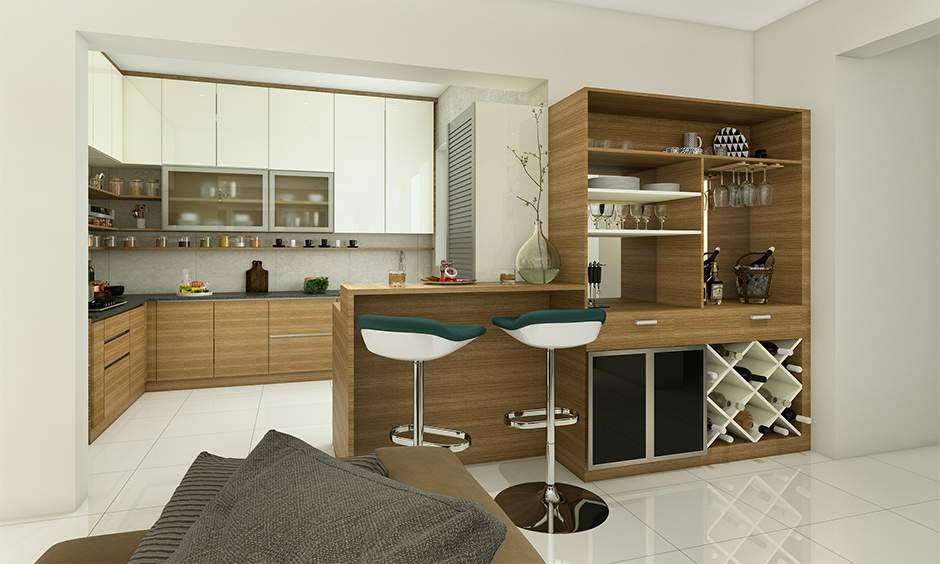
Adding stools to a peninsula creates a casual dining spot. Family and friends can sit while you cook or chat.
This setup turns your kitchen into a social hub. It is perfect for quick meals, homework, or entertaining guests.
Maximizes Kitchen Layout
A peninsula fits well in kitchens with limited space. It uses corner areas efficiently and keeps traffic flow smooth.
This design can replace an island when room is tight, giving you many of the same benefits in a smaller footprint.
Enhances Kitchen Style And Design
You can choose different materials and finishes for the peninsula. It can match or contrast with the rest of your kitchen.
This adds visual interest and makes your kitchen look more custom and inviting.

Credit: www.designcafe.com
Optimal Layouts For Peninsulas
A kitchen peninsula adds extra counter space and seating. It works well in many kitchen layouts. Choosing the right layout helps with flow and usability.
Two popular layouts for peninsulas are U-shaped and L-shaped designs. Each has unique benefits and fits different kitchen sizes.
U-shaped Designs
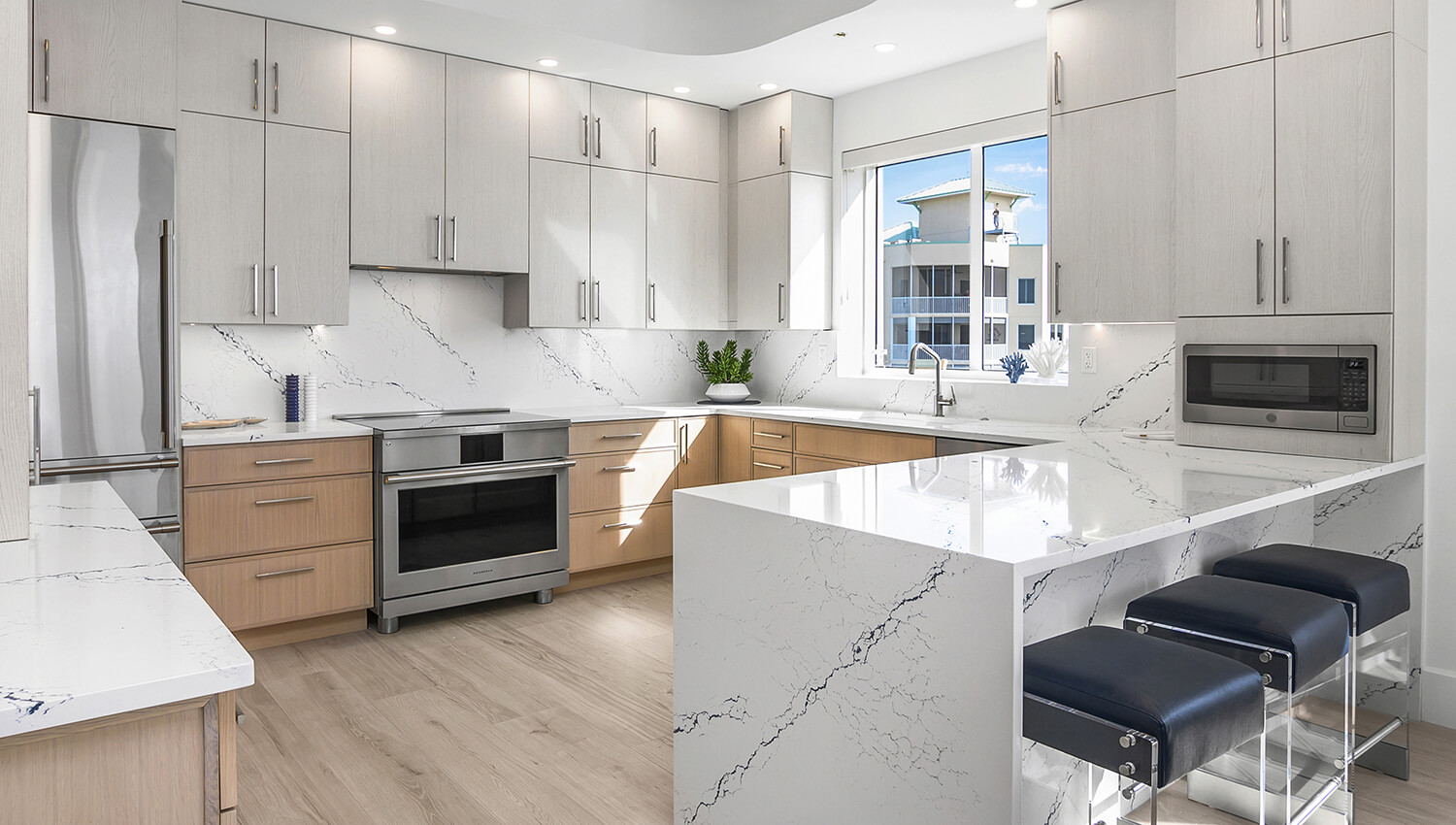
U-shaped kitchens have counters on three sides. Adding a peninsula extends one side, creating more workspace and a natural divider.
- Provides plenty of storage and counter space
- Allows multiple people to work without crowding
- Defines kitchen boundaries in open floor plans
- Can include seating on the peninsula side
- Works best in larger kitchens for smooth movement
L-shaped Configurations
L-shaped kitchens use two walls of counters. A peninsula extends from one counter, adding function and style.
| Feature | Benefit | Best For |
| Space Efficiency | Fits small to medium kitchens | Compact homes |
| Open Flow | Keeps kitchen open to living areas | Open floor plans |
| Seating Option | Creates casual dining or work area | Families and social gatherings |
| Work Triangle | Easy access between sink, stove, fridge | Efficient cooking |
Choosing The Right Materials
Designing a kitchen with a peninsula needs careful material choices. The materials affect the look and how long it lasts.
Picking the right materials helps you create a kitchen that is both pretty and practical.
Countertop Options
Countertops on a peninsula need to be strong and easy to clean. You can choose from many materials that fit your style and budget.
- Granite: Durable and heat resistant, good for busy kitchens.
- Quartz: Non-porous and low maintenance, comes in many colors.
- Butcher Block: Warm wood look, needs regular sealing to last.
- Laminate: Affordable and comes in many designs, less durable than stone.
- Concrete: Customizable and sturdy, but can crack without care.
Durable Finishes
Finishes protect your peninsula from scratches, stains, and wear. Durable finishes keep your kitchen looking good for years.
- Matte finish: Hides fingerprints and scratches well.
- Glossy finish: Brightens the space but shows marks more.
- Sealed wood: Protects butcher block from water and stains.
- Epoxy coating: Adds a strong, shiny layer over surfaces.
- Polyurethane: Creates a tough, clear shield on wood and other materials.
Incorporating Seating Solutions
A kitchen peninsula offers extra countertop space and a natural spot for seating. Adding seating creates a casual dining or social area. You can design your peninsula to fit your space and style.
Choosing the right seating helps improve comfort and usability. Think about who will use the space and how often. This will guide your seating choices and layout.
Bar Stool Selection
Pick bar stools that match your kitchen style and height. Measure the peninsula height to find stools with the right seat height. Usually, stools should be 10-12 inches lower than the countertop.
Consider backrests for comfort if people sit for longer. Armless stools fit better in tight spaces. Materials like wood, metal, or upholstered seats give different looks.
- Measure seat height for comfort
- Choose stools with or without backrests
- Match material to kitchen style
- Check if stools tuck under the counter
- Pick a number of stools fitting the space
Space-saving Ideas
Use stools that slide under the peninsula to save space. Choose slim or stackable stools for small kitchens. Keep enough walking room around the peninsula.
Consider built-in seating like benches with storage. This uses space well and adds extra storage options. Floating shelves or hooks nearby keep the area organized.
- Use stools that tuck under the counter
- Pick stackable or slim stools
- Allow 36 inches for walking space
- Try built-in benches with storage
- Add shelves or hooks for organization
Enhancing Storage With Peninsulas
Using a peninsula in your kitchen design can add extra storage space. It creates new areas for cabinets and shelves. This helps keep your kitchen organized and clutter-free.
Peninsulas also help divide kitchen zones without closing off the room. They make kitchens feel open yet practical for cooking and storing items.
Cabinet Design
Cabinets under a peninsula are perfect for storing pots, pans, and small appliances. You can use drawers and cupboards to keep things neat and easy to reach.
- Install deep drawers for heavy cookware
- Add pull-out trays for spices and utensils
- Use corner cabinets with lazy Susans
- Include tall cabinets for baking sheets and trays
Open Shelving Options
Open shelves on the peninsula offer quick access to everyday items. They also display attractive dishes and cookbooks, adding style to your kitchen.
| Type of Shelf | Best Use | Storage Benefit |
| Floating Shelves | Cookbooks, decorative items | Easy to clean and organize |
| Open Cubes | Bowls, glassware | Visible and accessible storage |
| Under-counter Shelves | Small appliances | Maximizes space below countertop |
Credit: www.chowhound.com
Lighting Considerations
Lighting plays a big role in kitchen design with a peninsula. It helps you see clearly and sets the mood in the room.
Good lighting makes cooking and cleaning easier. It also highlights the beauty of your kitchen space.
Task Lighting
Task lighting focuses on areas where you work most, like the countertop on the peninsula. It gives you bright light to see what you are doing.
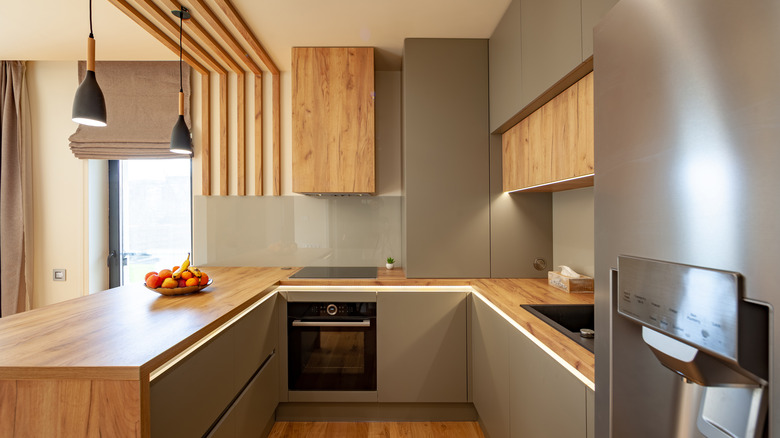
Use lights that do not cast shadows on your work surface. Pendant lights or under-cabinet lights work well for this purpose.
- Install pendant lights above the peninsula
- Use LED strips under cabinets near the peninsula
- Choose lights with adjustable brightness
Ambient And Accent Options
Ambient lighting fills the whole kitchen with soft light. It creates a warm and inviting space around the peninsula.
Accent lighting adds extra style. It highlights design features like the peninsula’s shape or backsplash.
- Use ceiling lights or recessed lights for ambient lighting
- Add LED strips under the peninsula for a glowing effect
- Place small spotlights to highlight art or decor near the peninsula
Color Schemes And Aesthetics
Designing a kitchen with a peninsula means choosing colors that fit the space. Colors set the mood and style of the kitchen.
Good color choices help the kitchen look larger and more inviting. Think about how colors work with light and materials.
Neutral Tones
Neutral tones create a calm and clean kitchen look. They make the space feel open and bright.
Use shades like white, beige, gray, or soft browns. These colors match many styles and appliances.
- White walls and cabinets brighten the kitchen
- Gray countertops add a modern feel
- Beige floors warm the space
- Soft browns in wood create natural warmth
Bold Color Choices
Bold colors make the peninsula stand out. They add energy and personality to the kitchen.
Try deep blues, rich greens, or bright reds. Use these colors on the peninsula or accent walls.
- Deep blue cabinets create a strong focus
- Rich green adds freshness and style
- Bright red brings warmth and energy
- Bold colors work best with neutral surroundings
Credit: www.durasupreme.com
Integrating Appliances
Designing a kitchen with a peninsula offers extra space for cooking and socializing. Integrating appliances smoothly keeps the kitchen functional and neat.
Proper placement and style of appliances help the kitchen look balanced. This makes cooking easier and keeps the workspace clear.
Built-in Solutions
Built-in appliances fit into the kitchen design without sticking out. This creates a clean, modern look for the peninsula area.
Use built-in ovens, microwaves, and dishwashers under the countertop. This saves space and keeps counters free for prep work.
- Install a built-in cooktop on the peninsula for easy access.
- Place a built-in microwave at eye level for safety.
- Use built-in dishwashers to keep the area tidy.
- Choose appliances with matching finishes for a uniform look.
Small Appliance Storage
Small appliances like toasters and blenders can clutter counters. Storage solutions help keep the peninsula clear and organized.
Use cabinets, drawers, or pull-out shelves near the peninsula. This keeps appliances handy but hidden when not in use.
- Install deep drawers to store mixers and food processors.
- Add pull-out shelves for easy access to small appliances.
- Use corner cabinets with lazy Susans to maximize space.
- Consider appliance garages to hide appliances on the countertop.
Creating A Focal Point
A kitchen peninsula can be the main focus in your kitchen design. It draws attention and adds style to the space.
Designing the peninsula well helps make your kitchen feel cozy and inviting. It also separates areas without closing off the room.
Decorative Elements
Use decorative touches on the peninsula to catch the eye. Details like lighting, finishes, and textures make it stand out.
Lighting under the countertop or above the peninsula adds warmth and highlights its shape.
- Install pendant lights for a stylish glow
- Choose a countertop material with a unique pattern
- Add textured panels or wood accents on the sides
Statement Pieces
Include one or two bold items on the peninsula to make it memorable. Statement pieces create interest and show personality.
This can be a colorful vase, a set of striking bar stools, or a unique countertop edge shape.
- Bright or patterned bar stools add color and style
- A sculptural bowl or vase draws attention
- Custom countertop edges create a distinct look
Maximizing Functionality
Designing a kitchen with a peninsula helps create a practical space. It offers extra countertop area and storage options.
To get the most from your peninsula, focus on how it fits your kitchen tasks and daily routines.
Efficient Workflow
Place the peninsula to connect key kitchen areas like the stove, sink, and refrigerator. This layout saves steps during cooking.
- Keep the prep space close to the sink for easy washing.
- Use the peninsula to separate cooking and dining zones.
- Leave enough room for moving around the peninsula.
- Add outlets on the peninsula for small appliances.
Multifunctional Use
A peninsula can serve many purposes beyond cooking. It can act as a dining spot, homework area, or extra storage.
| Use | Feature | Benefit |
| Dining | Bar stools or chairs | Casual seating for meals and snacks |
| Workstation | Clear counter space | Room to use a laptop or do homework |
| Storage | Cabinets or shelves below | Extra place for kitchen tools or books |
Frequently Asked Questions
What Is A Kitchen Peninsula And Its Benefits?
A kitchen peninsula is a counter extension connected to a wall or cabinets. It adds extra workspace, storage, and seating. It improves kitchen flow and creates a natural division without closing off the space. Peninsulas maximize functionality in smaller kitchens.
How To Choose The Right Size For A Peninsula?
Measure your kitchen space carefully before choosing a peninsula size. Ensure at least 36 inches of clearance around it for movement. The peninsula should fit proportionally with other kitchen elements. Avoid oversized designs that block traffic or feel cramped.
What Materials Work Best For Kitchen Peninsula Countertops?
Durable materials like granite, quartz, and butcher block are popular for peninsula countertops. They resist stains, heat, and scratches well. Choose a surface that complements your kitchen style and matches other counters for a cohesive look.
How To Incorporate Seating Into A Kitchen Peninsula?
Add bar stools or counter-height chairs to one side of the peninsula. Leave at least 24 inches width per seat for comfort. Overhangs of 12-15 inches provide legroom. This creates a casual dining or socializing area within the kitchen.
Conclusion
Designing a kitchen with a peninsula adds space and style. It creates a natural spot for cooking and eating. You can use it for extra storage and seating. Think about the flow to keep the kitchen open and easy to move around.
Choose materials and colors that match your home’s look. A peninsula can make your kitchen more inviting and practical. Simple steps lead to a beautiful, functional space. Enjoy the process and make it your own.