
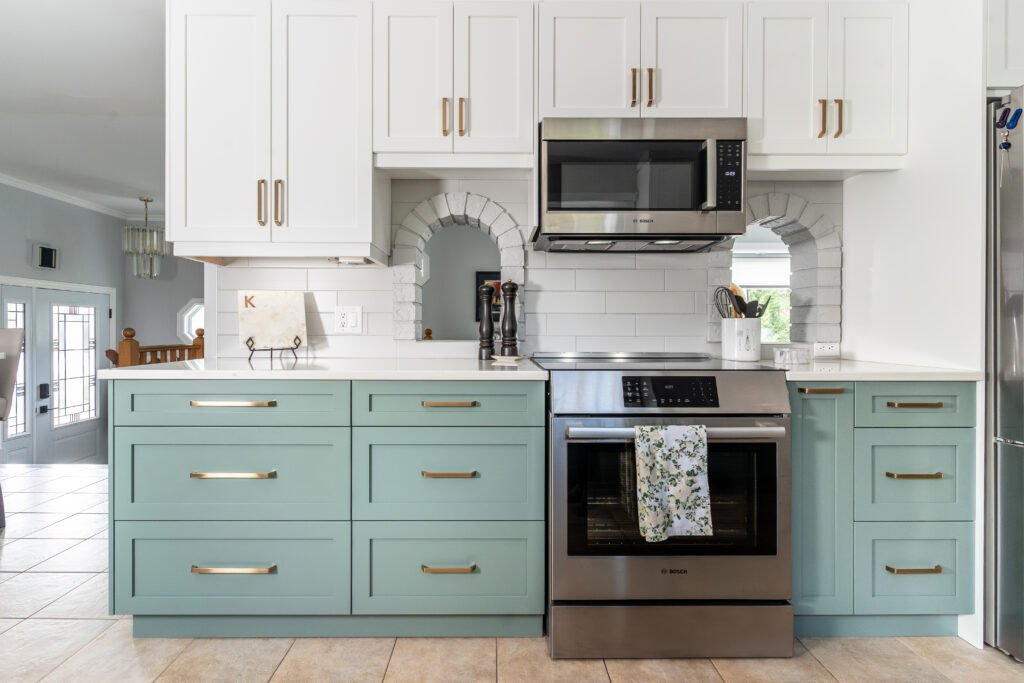
Designing a kitchen that works perfectly for your family can feel overwhelming. You want a space that’s not only beautiful but also practical and safe for everyone.
Imagine a kitchen where meal prep is easy, storage is smart, and everyone feels comfortable—whether it’s a quick breakfast or a big family dinner. You’ll discover simple, effective ways to create a kitchen that fits your family’s unique needs. Keep reading, and you’ll learn how to turn your kitchen into the heart of your home.
Assessing Family Needs
Designing a kitchen for family use starts with understanding your family’s needs. Each family uses the kitchen differently.
Knowing how your family cooks and eats helps create a practical space. This makes daily life easier and more comfortable.
Identifying Daily Routines
Look at how your family uses the kitchen every day. Notice when meals are made and who cooks most often.
Think about snack times, breakfast, lunch, and dinner habits. Also, consider how often family members eat together.
- Who usually cooks the meals?
- What time are meals prepared?
- Do family members eat together or separately?
- Are quick snacks or full meals common?
- Is the kitchen used for homework or socializing?
Understanding Family Size And Dynamics
Know how many people live in your home and their ages. This affects the kitchen’s size and storage needs.
Consider if family members have special needs or preferences. This helps design a kitchen that works for everyone.
- Number of family members using the kitchen
- Children’s ages and needs
- Any elderly or disabled family members
- Different eating habits or diets
- Need for extra seating or workspace
Choosing The Right Layout
Designing a kitchen for family use means picking the right layout. The layout helps everyone move and work easily.
A good kitchen layout creates space for cooking, eating, and spending time together.
Open Vs. Closed Kitchens
Open kitchens connect to the living or dining area. They let family talk and share while cooking.
Closed kitchens have walls or doors. They keep cooking smells and mess separate from other rooms.
- Open kitchens feel bigger and brighter
- Closed kitchens give more privacy and quiet
- Open layouts help parents watch kids easily
- Closed kitchens reduce noise and distractions
Maximizing Space Efficiency
Use every inch of your kitchen to save space. Good storage and smart design make cooking easier.
Think about how your family cooks and eats. Design your kitchen to fit your daily needs.
- Install cabinets that reach the ceiling for extra storage
- Use pull-out drawers and organizers inside cupboards
- Choose compact appliances to free up counter space
- Add a kitchen island with storage below
- Keep pathways clear for easy movement
Selecting Durable Materials
Choosing strong materials makes your kitchen last longer. It helps the space handle daily family use well.
Durable materials resist scratches, stains, and wear from cooking and cleaning. This saves time and money on repairs.
Countertops And Surfaces
Countertops face spills, heat, and heavy use. Pick materials that stay beautiful and are easy to clean.
- Quartz is strong and resists stains well.
- Granite offers natural beauty and heat resistance.
- Laminate is budget-friendly and comes in many designs.
- Butcher block adds warmth but needs regular sealing.
- Stainless steel is hygienic and heat-proof but can scratch.
Flooring Options
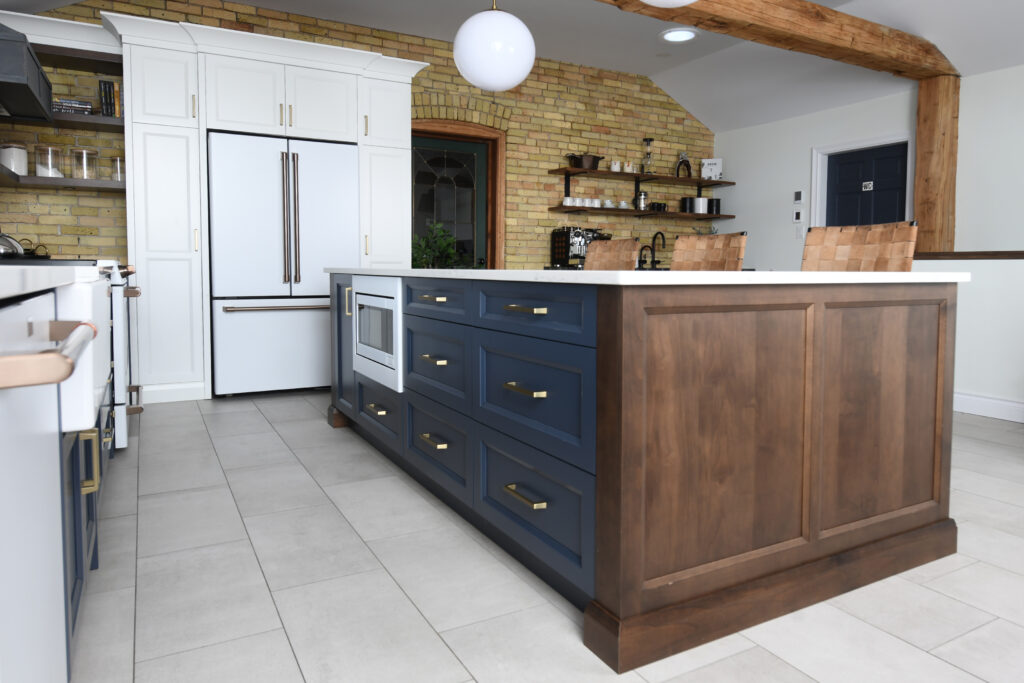
Kitchen floors need to handle heavy foot traffic and spills. Choose materials that clean easily and last for years.
| Material | Durability | Maintenance |
| Porcelain Tile | High | Low |
| Vinyl | Medium | Low |
| Hardwood | Medium | Medium |
| Laminate | Medium | Low |
| Cork | Low | Medium |
Credit: decorcabinets.com
Incorporating Functional Storage
Designing a kitchen for family use requires smart storage solutions. Functional storage keeps the kitchen neat and easy to work in.
Good storage helps everyone find what they need quickly. It also saves space and reduces clutter.
Cabinetry Solutions
Choose cabinets that fit your family’s needs. Use deep drawers for pots and pans. Add pull-out shelves for easy access.
- Install lazy Susans in corner cabinets to use space well
- Include dividers for baking sheets and cutting boards
- Add soft-close hinges to avoid noise
- Use glass-front cabinets to display dishes
Pantry Organization
A well-organized pantry saves time and keeps food fresh. Use clear containers to see contents easily.
| Storage Type | Use | Benefit |
| Wire Baskets | Fruits and vegetables | Good air flow |
| Stackable Bins | Snacks and cereals | Saves space |
| Lazy Susans | Spices and small jars | Easy reach |
| Labels | All containers | Quick identification |
Creating A Family-friendly Environment
Designing a kitchen for family use means making a space that is safe and comfortable for everyone. It should work well for both adults and children.
A family-friendly kitchen encourages togetherness and makes daily tasks easier. Planning the right features helps keep the kitchen organized and secure.
Child-safe Features
Safety is very important in a family kitchen. Adding child-safe features helps prevent accidents and keeps kids protected.
Use locks on cabinets that store sharp objects or cleaning supplies. Choose stove knobs that are hard for children to turn.
- Install cabinet locks for dangerous items
- Use stove knob covers or remove knobs
- Place knives and scissors out of reach
- Choose rounded edges on counters and tables
- Use non-slip mats to prevent falls
Inclusive Design For All Ages
The kitchen should be easy to use for all family members, from kids to grandparents. This means making spaces accessible and comfortable.
Design counters at different heights and use pull-out shelves. Include seating areas where everyone can gather and help with meals.
- Use varied counter heights for children and adults
- Install pull-out shelves for easy access
- Add step stools for children to reach counters
- Choose comfortable, stable chairs for all ages
- Ensure good lighting to help visibility
Integrating Modern Appliances
Designing a kitchen for family use means adding modern appliances that make life easier. These appliances save time and help keep the kitchen organized.
Choosing the right appliances also helps reduce energy use and adds smart features for convenience.
Energy-efficient Options
Energy-efficient appliances lower utility bills and reduce environmental impact. Look for products with Energy Star labels.
These appliances use less electricity and water without losing performance. They help families save money over time.
- Refrigerators with smart cooling systems
- Dishwashers that use less water
- LED lighting inside ovens and microwaves
- Induction cooktops that heat faster and waste less energy
Smart Technology Integration
Smart appliances add convenience by connecting to phones or voice assistants. They make kitchen tasks easier to manage.
Smart fridges can track groceries and suggest recipes. Ovens can start cooking remotely, saving time for busy families.
- Wi-Fi enabled refrigerators with inventory alerts
- Ovens with remote control and cooking presets
- Voice-activated coffee makers and faucets
- Smart dishwashers with cycle notifications
Adding Style With Color And Decor
Designing a kitchen for family use means making it both practical and inviting. Color and decor play a big role in setting the mood and style.
Choosing the right colors and personal touches can make your kitchen warm and welcoming for everyone.
Choosing A Color Palette
Pick colors that make your kitchen feel bright and cheerful. Light colors can open up the space and make it feel clean.
Use a mix of neutral shades with one or two bold colors for interest. This helps keep the kitchen lively but not too busy.
- White or cream walls brighten the room
- Soft blues or greens add calm and freshness
- Bright colors like red or yellow create energy
- Neutral wood tones add warmth and balance
Incorporating Personal Touches
Add items that reflect your family’s style and interests. This makes the kitchen feel unique and comfortable.
Use decor like family photos, colorful dishes, or handmade crafts. These small details bring personality to your kitchen space.
- Display favorite cookbooks on open shelves
- Hang framed family photos or artwork
- Use patterned curtains or cushions for color
- Add plants or herbs for a fresh look
Lighting And Ambiance
Good lighting makes a kitchen safe and comfortable. It helps family members work and enjoy time together.
Designing lighting and ambiance creates a warm and useful space for cooking and relaxing.
Task And Ambient Lighting
Task lighting shines bright where you cook and prepare food. It helps you see clearly and avoid accidents.
Ambient lighting fills the room with soft, even light. It sets a calm mood for family meals and chats.
- Use bright lights under cabinets for counters
- Install ceiling lights for overall brightness
- Choose dimmable lights to change mood
- Place lights over the sink and stove
Enhancing Natural Light
Natural light makes a kitchen feel open and fresh. It helps reduce energy use during the day.
Keep windows clear of heavy curtains. Use light colors on walls and reflective surfaces to spread daylight.
- Install large windows or skylights
- Use glass doors to bring in light
- Place mirrors opposite windows
- Choose light-colored cabinets and countertops
Budgeting And Planning
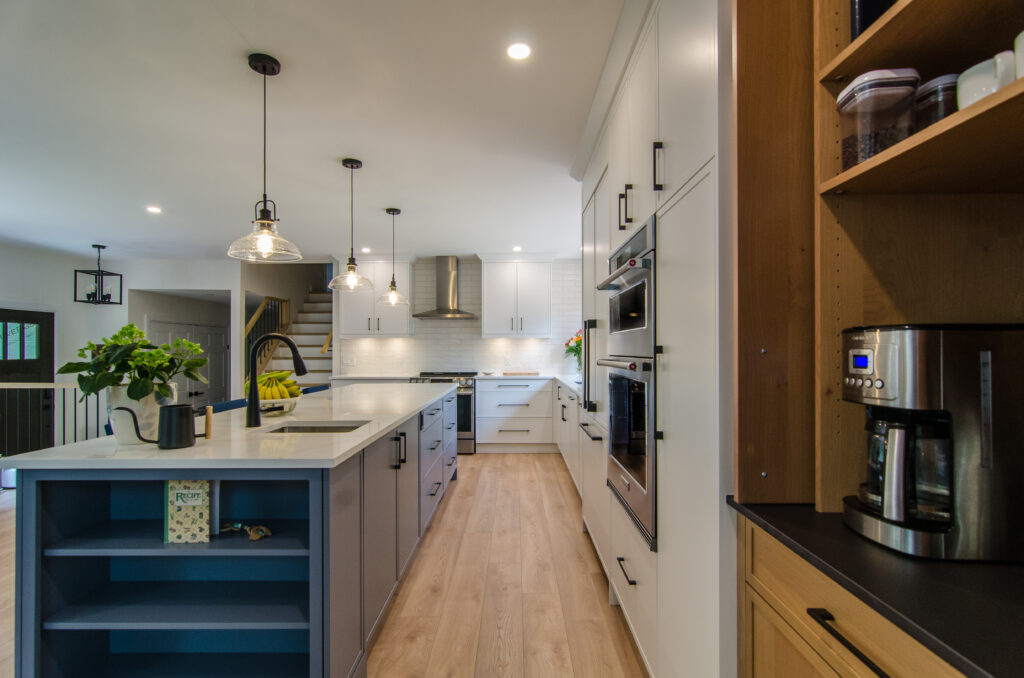
Designing a kitchen for family use needs careful budgeting and planning. This helps create a space that fits your needs and your wallet.
Start by understanding your finances and what features matter most. This approach keeps the process simple and effective.
Setting A Realistic Budget
Begin by listing all costs including materials, labor, and appliances. Add a buffer for unexpected expenses. This avoids surprises later.
- Check how much money you can spend without strain
- Research prices for cabinets, countertops, and appliances
- Include installation and delivery fees
- Set aside 10-15% extra for unexpected costs
Prioritizing Key Features
Focus on features that improve daily family life. Decide what is necessary and what can wait. This helps keep costs down.
| Feature | Importance | Budget Priority |
| Durable Countertops | High | Top |
| Storage Space | High | Top |
| Energy Efficient Appliances | Medium | Medium |
| Decorative Elements | Low | Low |
Credit: decorcabinets.com

Credit: www.homefrontbuild.com
Frequently Asked Questions
How To Maximize Kitchen Space For Family Use?
Maximize kitchen space by using vertical storage and multi-functional furniture. Install shelves and hooks for utensils. Choose compact appliances. Keep counters clear to enhance workflow and accommodate family activities efficiently.
What Are The Best Kitchen Layouts For Families?
Open-plan, L-shaped, and U-shaped layouts work best for families. These designs offer ample space, easy movement, and clear sightlines. They facilitate interaction and multitasking during cooking and family gatherings.
How To Create A Kid-friendly Kitchen Environment?
Use rounded edges on counters and choose non-slip flooring. Store sharp objects out of reach. Incorporate child-height drawers and a designated snack area. Teach kitchen safety to foster independence and fun.
Which Kitchen Materials Suit Heavy Family Use?
Choose durable materials like quartz countertops, ceramic tiles, and hardwood floors. These resist stains, scratches, and wear. Easy-to-clean surfaces save time and maintain a fresh kitchen look even with daily family use.
Conclusion
Designing a kitchen for family use means creating space for everyone. Think about safety, storage, and easy movement. Choose durable materials that handle daily wear and tear. Include spots for cooking, eating, and chatting. Keep things simple and organized to save time.
A well-planned kitchen helps the family connect and enjoy meals together. Small changes can make a big difference. Start with what your family needs most. A happy kitchen leads to happy moments.