

Your kitchen is more than just a place to cook—it’s where memories are made, and the heart of your home shines brightest. But have you ever noticed how the right lighting can completely transform this space?
Imagine turning your kitchen into a warm, inviting area that feels both stylish and functional. You’ll discover simple yet powerful ways to decorate your kitchen with lighting that not only brightens up the room but also elevates its mood and style.
Ready to see your kitchen in a whole new light? Let’s dive in and explore how you can create the perfect atmosphere with just the flick of a switch.

Credit: pepperandvetiver.com
Importance Of Kitchen Lighting
Good lighting makes the kitchen safe and easy to use. It helps you see what you are cooking clearly.
Lighting also changes the mood in the kitchen. It can make the space feel warm and welcoming.
Enhances Safety
Proper lighting helps you avoid accidents. You can see sharp knives and hot surfaces clearly.
It also helps you clean better by showing dirt and spills clearly.
Improves Functionality
Good lighting makes cooking easier. You can measure ingredients and check food colors well.
Task lighting under cabinets or over counters helps focus light where you work most.
Creates Atmosphere
Lighting sets the mood in your kitchen. Bright lights make the space lively and active.
Softer lights create a cozy and relaxed feeling for dining or chatting.
Highlights Kitchen Design
Lighting shows off your kitchen’s colors and textures. It can highlight cabinets and backsplashes.
Accent lights draw attention to special features like artwork or plants.
Types Of Kitchen Lighting
Lighting is key to a kitchen’s look and function. Different lighting types serve different purposes. Knowing these helps you create a bright and inviting space.
This guide covers three main lighting types: ambient, task, and accent lighting. Each type adds value and style to your kitchen.
Ambient Lighting
Ambient lighting is the main source of light in the kitchen. It provides overall illumination so you can move around safely.
- Ceiling-mounted fixtures like flush mounts or chandeliers
- Recessed lights that spread light evenly
- LED panels for modern, bright light
Task Lighting
Task lighting brightens work areas. It helps you see clearly when chopping, cooking, or reading recipes.
| Location | Lighting Type | Purpose |
| Under Cabinets | Strip Lights or Puck Lights | Illuminates Countertops |
| Over Sink | Pendant or Spotlights | Focus on Cleaning Area |
| Island | Suspended Pendant Lights | Brighten Cooking and Prep Space |
Accent Lighting
Accent lighting highlights kitchen features. It adds style and draws attention to decor or architectural details.
- LED strip lights inside glass cabinets
- Spotlights on artwork or shelves
- Toe-kick lights under cabinets for soft floor glow
Choosing The Right Fixtures
Lighting can change the look and feel of your kitchen. Picking the right fixtures helps create a bright and welcoming space. You want lights that match your kitchen style and meet your needs.
There are many types of kitchen lights. Three popular choices are chandeliers and pendants, recessed lights, and under-cabinet lighting. Each has a special role in kitchen design.
Chandeliers And Pendants
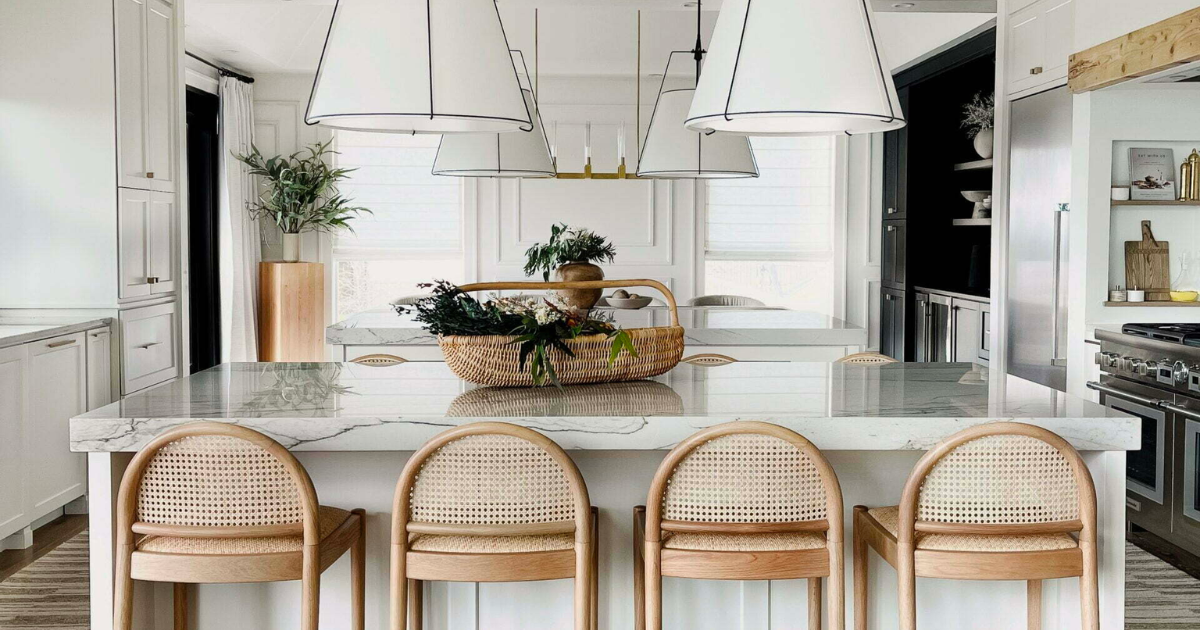
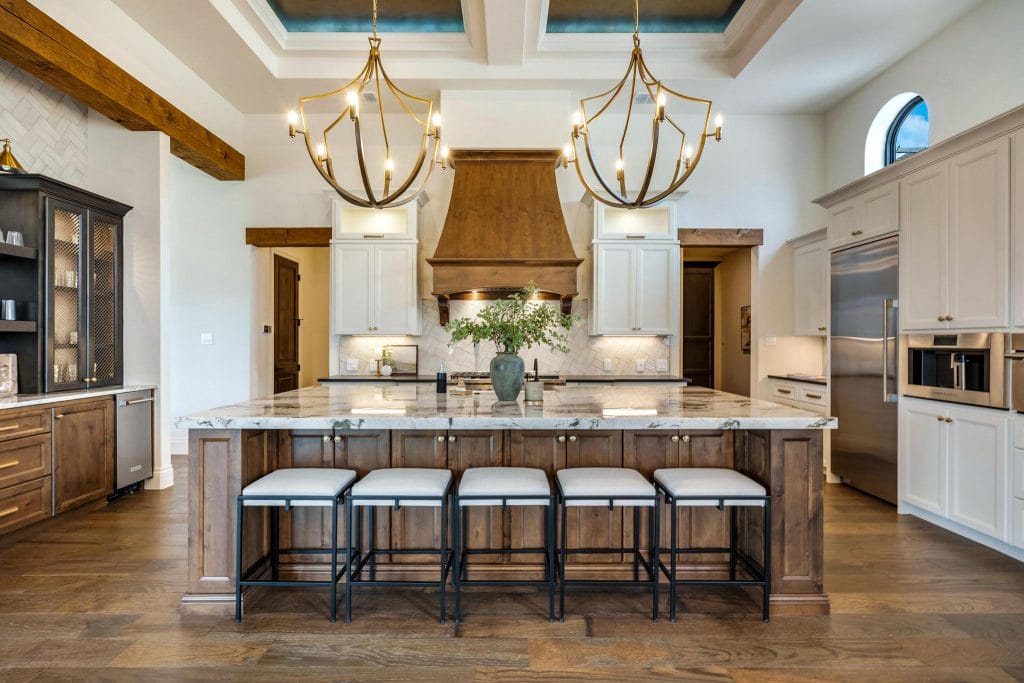
Chandeliers and pendant lights add style and focus to your kitchen. They often hang over islands or dining areas. These fixtures come in many shapes and sizes to fit your kitchen’s look.
- Choose a chandelier or pendant that matches your kitchen’s design.
- Pick the right size so it fits the space well.
- Use dimmable bulbs to control light levels.
- Place them where they highlight key areas, like the island or table.
Recessed Lights
Recessed lights fit into the ceiling and give a clean, modern look. They spread light evenly and do not take up space. These lights work well for general kitchen lighting.
| Benefit | Use | Placement |
| Space-saving | General lighting | Ceiling |
| Even light | Brighten large areas | Spread across ceiling |
| Low profile | Minimalist look | Flush with ceiling |
Under-cabinet Lighting
Under-cabinet lights brighten countertops. They help with cooking and food prep. These lights reduce shadows and add warmth to your kitchen.
- Choose LED strips or puck lights for under cabinets.
- Pick warm white light for a cozy feel.
- Install lights close to the front edge of cabinets for best effect.
- Use a switch or sensor to control these lights easily.
Lighting For Different Kitchen Styles
Lighting changes how a kitchen looks and feels. Each kitchen style needs the right kind of light. This helps create the perfect mood and makes cooking easier.
Choosing the right lights means thinking about the kitchen’s design. Let’s look at lighting ideas for modern, rustic, and industrial kitchens.
Modern Kitchens
Modern kitchens use clean lines and simple shapes. Lighting here is sleek and minimal. You want lights that add brightness without clutter.
LED strip lights under cabinets work well. Pendant lights with smooth finishes look great. Use cool white bulbs for a fresh feel.
- Recessed ceiling lights for even brightness
- Linear LED strips for countertops
- Simple pendant lights over the island
- Cool white bulbs to enhance clean design
Rustic And Farmhouse Kitchens
Rustic kitchens feel warm and cozy. Lights with wood or metal details suit this style. Warm light colors add a soft glow.
Use vintage-style bulbs or lantern lights. Hanging lights with wrought iron or wood frames fit well. Mixing soft overhead and task lighting works best.
- Warm white bulbs for a cozy look
- Lantern-style pendant lights
- Wood or metal light fixtures
- Soft under-cabinet lighting for tasks
Industrial Kitchens
Industrial kitchens have raw, unfinished looks. Lighting should match this bold style. Think metal, exposed bulbs, and strong shapes.
Use metal pendant lights or cage fixtures. Edison bulbs add vintage charm. Combine overhead lights with focused task lighting for function.
- Metal cage pendant lights
- Exposed Edison bulbs for style
- Track lighting for flexible focus
- Bright bulbs for clear visibility
Energy-efficient Lighting Options
Choosing the right lighting can save energy and reduce bills. Kitchens need bright light for cooking and cleaning tasks.
Using energy-efficient lighting helps the environment and keeps your kitchen stylish and bright.
Led Bulbs
LED bulbs use less energy than traditional bulbs. They last longer and produce bright, clear light.
- Use LED bulbs for overhead lights and under cabinets.
- Choose bulbs with a warm color temperature for a cozy feel.
- Look for bulbs labeled ENERGY STAR for high efficiency.
- LEDs turn on instantly without flickering.
- They generate less heat, keeping the kitchen cooler.
Smart Lighting Solutions
Smart lighting lets you control kitchen lights using your phone or voice. You can save energy by setting timers and dimming lights.
| Feature | Benefit |
| Remote Control | Turn lights on or off from anywhere |
| Scheduling | Set lights to turn off automatically |
| Dimming | Adjust brightness to save energy |
| Motion Sensors | Lights turn on only when needed |
Lighting Placement Tips
Lighting is key to making your kitchen both functional and cozy. Proper light placement improves visibility and highlights design.
Use different types of lighting to brighten work areas and create mood. Here are tips for placing lights in key kitchen spots.
Island Lighting
Lighting over the kitchen island should be bright and focused. Pendant lights are a popular choice for this area.
- Place pendants 28 to 34 inches above the island surface.
- Space lights evenly for balanced illumination.
- Choose fixtures that match your kitchen style.
- Use dimmable bulbs for flexible brightness levels.
Cabinet And Shelf Lighting
Cabinet lights help you see inside and highlight items on shelves. LED strips or puck lights work well here.
| Type | Best Use | Placement |
| LED Strip | Under cabinet lighting | Along bottom edges |
| Puck Lights | Highlight shelves or cabinets | Inside cabinet tops or shelves |
| Recessed Lights | General cabinet glow | Inside cabinet ceilings |
Floor And Toe-kick Lighting
Floor and toe-kick lighting adds soft light near the base of cabinets. This lighting helps guide you at night.
Toe-kick lighting tips:
- Install LED strips under cabinet bases.
- Use warm white lights to create a cozy glow.
- Connect to motion sensors for automatic lighting.
- Avoid overly bright lights to keep the mood calm.
Incorporating Natural Light
Natural light makes a kitchen feel bright and fresh. It helps you see colors clearly and creates a warm space.
Using natural light well can reduce the need for artificial lighting during the day. It also saves energy and enhances mood.
Windows And Skylights
Windows bring natural light directly into the kitchen. Large or multiple windows brighten the room and offer views outside.
Skylights add light from above. They work well in kitchens with limited wall space for windows.
- Choose windows that face the sun for more daylight.
- Use clear or light curtains to let light in but keep privacy.
- Install skylights in areas where sunlight is scarce.
- Consider window placement to avoid glare on work surfaces.
Reflective Surfaces
Reflective surfaces bounce natural light around the kitchen. They make the space look bigger and brighter.
Materials like glossy tiles, glass, and shiny countertops help spread light evenly.
- Use light-colored or glossy backsplashes to reflect light.
- Choose polished countertops to enhance brightness.
- Add mirrors to increase the natural light effect.
- Pick cabinets with smooth, shiny finishes for reflection.
Credit: thehillarystyle.com
Color Temperature And Mood
Lighting changes how your kitchen feels. The color temperature sets the mood and style.
Choosing the right light color can make your kitchen warm or fresh. It also affects comfort.
Warm Vs Cool Lighting
Warm lighting has a yellow or orange tone. It creates a cozy and inviting space.
Cool lighting looks blue or white. It feels clean and bright, good for cooking tasks.
- Warm lights: 2700K to 3000K color temperature
- Cool lights: 4000K to 5000K color temperature
- Warm lights suit dining and relaxing areas
- Cool lights are great for workspaces and counters
Adjustable Lighting Systems
Adjustable lights let you change brightness and color. They adapt to different needs and times.
Use dimmers or smart bulbs to control mood and task lighting easily. This adds comfort and style.
- Dim lights for a calm, warm dinner setting
- Brighten lights for cooking and cleaning
- Switch between warm and cool tones with smart bulbs
- Save energy by adjusting brightness to needs
Credit: www.decorilla.com
Frequently Asked Questions
What Types Of Lighting Suit Kitchen Decoration Best?
Layered lighting works best, combining ambient, task, and accent lights. This approach enhances functionality and aesthetics, creating a warm, inviting kitchen atmosphere.
How Can Lighting Improve Kitchen Workspace Efficiency?
Bright, focused task lighting over counters and sinks boosts visibility. It reduces eye strain and improves safety during food preparation and cooking tasks.
What Lighting Styles Complement Modern Kitchen Designs?
Sleek pendant lights, recessed LEDs, and under-cabinet strips suit modern kitchens. They offer clean lines and energy efficiency, enhancing contemporary décor seamlessly.
Can Color Temperature Affect Kitchen Mood And Decor?
Yes, warm white lights create cozy vibes, while cool white enhances focus. Choosing the right color temperature tailors ambiance to your kitchen’s style.
Conclusion
Good lighting makes your kitchen warm and inviting. Choose lights that fit your style and needs. Mix bright and soft lights for balance. Use lights to highlight cabinets, counters, and dining areas. Remember, simple changes can create big effects. Enjoy cooking and spending time in your bright kitchen.
Let your lighting reflect your personality and taste. Keep experimenting to find what feels right. A well-lit kitchen feels cozy and practical every day.