
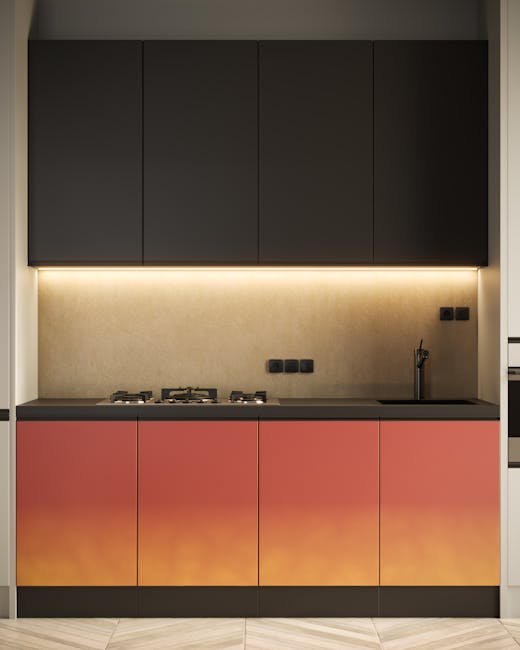
Your kitchen is more than just a place to cook; it’s where memories are made, and every detail counts. One of the easiest and most effective ways to transform your kitchen is through lighting fixtures.
The right lights can brighten your space, highlight your best features, and even change the mood entirely. Imagine walking into a kitchen that feels warm, inviting, and perfectly lit for every task. If you want to learn how to choose and place lighting that makes your kitchen look stunning and work better, keep reading.
This guide will show you simple, practical tips to decorate your kitchen with lighting fixtures that truly shine.
Types Of Kitchen Lighting
Lighting in the kitchen serves many purposes. It helps you see clearly and sets the mood. Different types of lighting work together to create a balanced look.
Knowing the types of kitchen lighting can help you pick the best fixtures. Each type has its own role and style.
Ambient Lighting
Ambient lighting provides overall light in the kitchen. It fills the room with soft, even light. This lighting makes the space feel open and bright.
- Ceiling-mounted fixtures
- Recessed lights
- Flush mounts
- Large pendant lights
Task Lighting
Task lighting focuses on specific areas where you work. It helps with cooking, chopping, and reading recipes. Bright and direct light is best here.
| Location | Lighting Type | Purpose |
| Under cabinets | LED strip lights | Illuminate countertop workspace |
| Over sink | Small pendant lights | Provide clear light for washing dishes |
| Island | Track lighting | Focus light on food prep area |
Accent Lighting
Accent lighting highlights design features in the kitchen. It adds depth and style. Use it to show off art or architectural details.
Examples of Accent Lighting:
- Spotlights on artwork
- LED strips inside glass cabinets
- Wall sconces to add mood

Credit: www.thingsthatinspire.net
Choosing The Right Fixtures
Lighting changes how your kitchen looks and works. The right fixtures make cooking and eating easier.
Choose lighting that fits your kitchen style and needs. Think about brightness, size, and design.
Pendant Lights
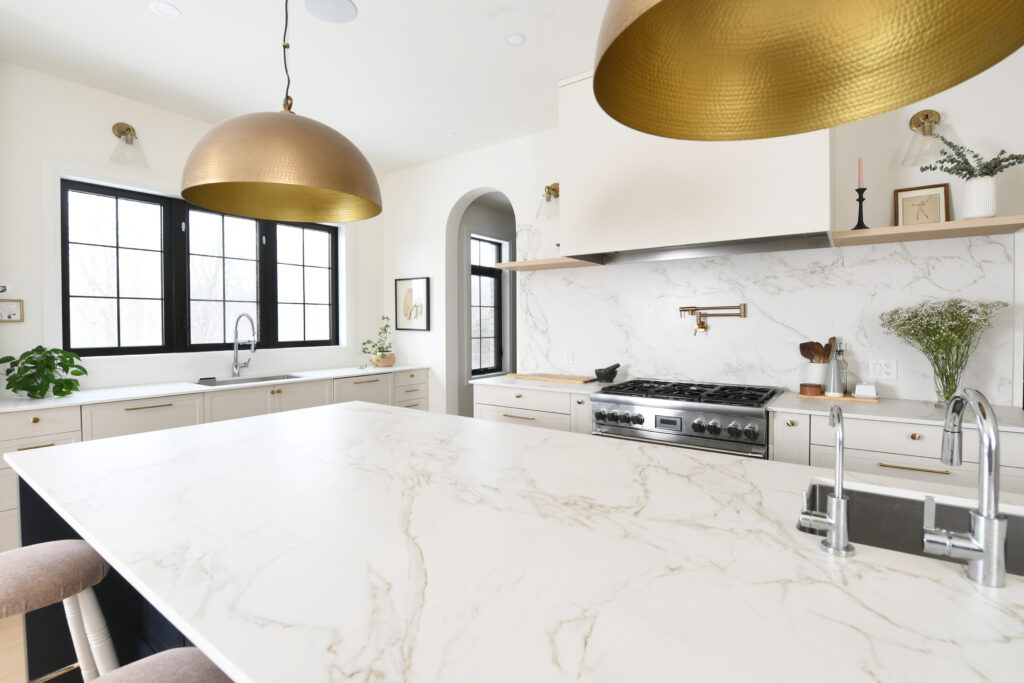
Pendant lights hang from the ceiling. They add style and light above islands or tables. Choose sizes that match your kitchen space.
- Pick fixtures with adjustable cords for height
- Use warm bulbs for a cozy feel
- Group small pendants for more light
- Use one large pendant for a bold look
Under-cabinet Lighting
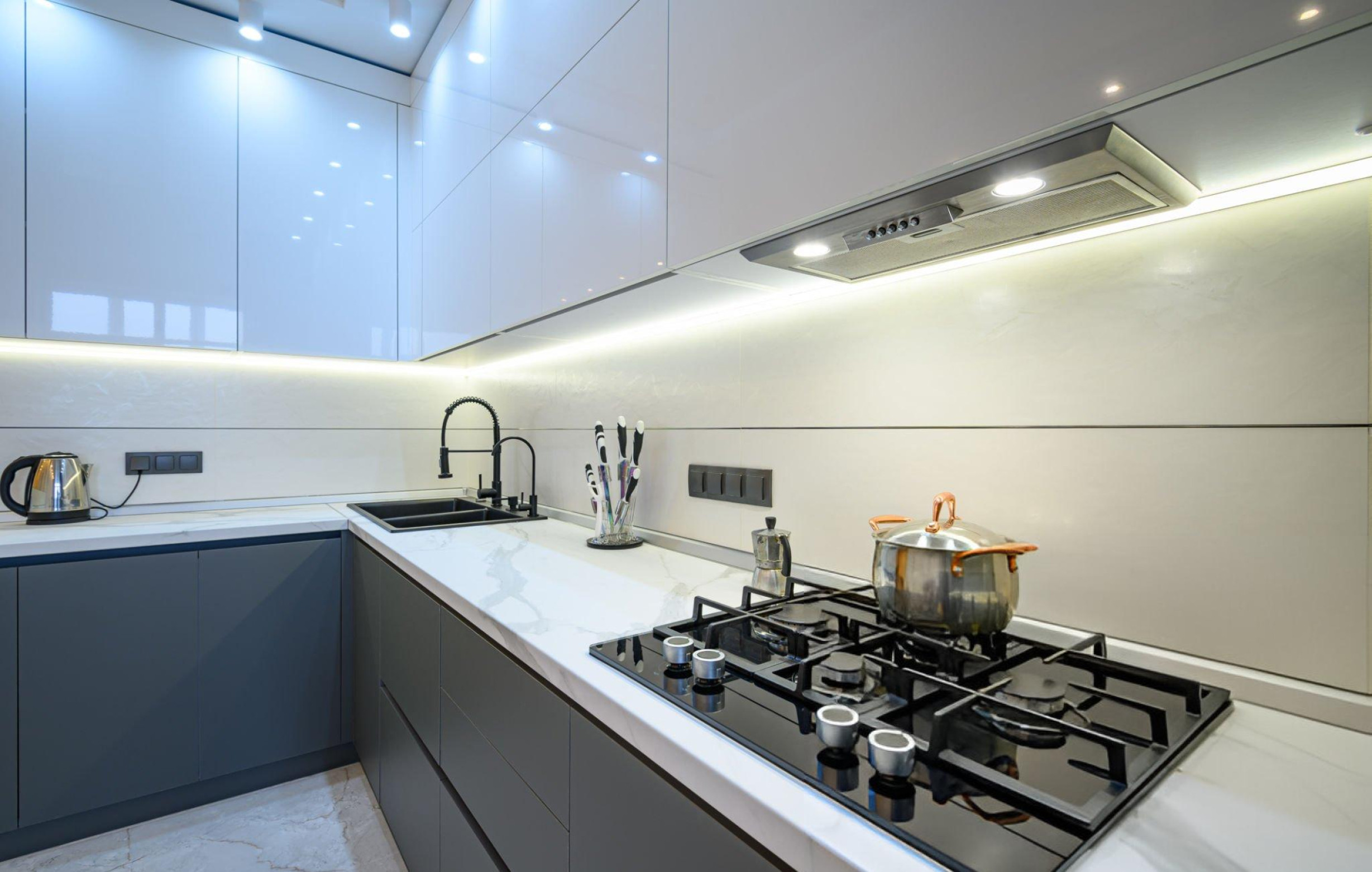
These lights go under kitchen cabinets. They brighten countertops for cooking and cleaning. LED strips work well here.
| Type | Brightness | Energy Use |
| LED Strips | High | Low |
| Fluorescent Bars | Medium | Medium |
| Halogen Lights | High | High |
Recessed Lighting
Recessed lights fit into the ceiling. They give even light without taking space. Use dimmers to adjust brightness.
Tips for using recessed lights:
- Place lights evenly across the ceiling
- Use brighter bulbs near work areas
- Keep some lights near walls for depth
Lighting For Different Kitchen Areas
Lighting plays a key role in kitchen design. It helps create the right mood and improves functionality. Different kitchen zones need different lighting types.
Choosing the right fixtures for each area makes cooking and dining easier. It also makes the kitchen look inviting and bright.
Island And Countertop Areas
Kitchen islands and countertops need focused lighting for meal prep and other tasks. Pendant lights are popular choices here. They add style and direct light downward.
- Use pendant lights with adjustable heights
- Choose bulbs with bright, white light for clear visibility
- Install dimmers to control light intensity
- Position lights evenly for full coverage
Sink And Stove Areas
These areas require strong, focused lighting to ensure safety and precision. Under-cabinet lights work well for the sink. For the stove, recessed ceiling lights or directional spotlights are ideal.
| Area | Best Lighting Type | Light Features |
| Sink | Under-cabinet lights | Water-resistant, bright white light |
| Stove | Recessed lights or spotlights | Heat-resistant, focused beam |
Dining And Breakfast Nooks
These spaces benefit from warm, cozy lighting that encourages relaxation. Chandeliers or pendant lights create a welcoming atmosphere. Use soft bulbs with lower brightness here.
Tips for dining nook lighting:
- Hang lights 30-36 inches above the table
- Choose fixtures that match your décor style
- Use dimmable bulbs for flexible mood lighting
Energy-efficient Lighting Options
Choosing the right lighting can save energy and reduce bills. Kitchen lighting should be bright and efficient.
Energy-efficient lights last longer and use less power. This helps the environment and cuts costs.
Led Lights
LED lights use very little energy and last a long time. They come in many shapes and colors to fit your kitchen style.
- Use less electricity than traditional bulbs
- Produce less heat, keeping the kitchen cooler
- Available in dimmable options for mood lighting
- Environmentally friendly with no toxic elements
Smart Bulbs
Smart bulbs connect to your phone or voice assistant. You can adjust brightness and color to save energy.
| Feature | Benefit |
| Remote control | Turn off lights when not in use |
| Scheduling | Set lights to turn on/off automatically |
| Color change | Use cooler light to reduce energy use |
| Energy monitoring | Track and reduce power consumption |
Incorporating Style And Design
Credit: decorcabinets.com
Diy Installation Tips
Lighting fixtures can change how your kitchen looks and feels. Installing them yourself saves money and lets you customize your space.
Follow simple tips to install lights safely and easily. This guide helps you get started with DIY lighting in your kitchen.
Safety Precautions
Safety is the top priority when working with electricity. Always turn off power before starting any installation work.
Use a voltage tester to make sure wires are not live. Wear gloves and safety glasses to protect yourself.
- Switch off the circuit breaker for the kitchen area
- Test wires with a voltage tester before touching
- Wear insulated gloves to avoid shocks
- Keep a fire extinguisher nearby
- Do not work alone if you feel unsure
Basic Tools Needed
Having the right tools makes installation easier and safer. Gather all tools before you begin the project.
Most kitchen lighting installs need just a few basic tools you may already have at home.
- Screwdrivers (flathead and Phillips)
- Wire strippers and cutters
- Voltage tester
- Drill with bits
- Measuring tape
- Electrical tape
- Ladder or step stool
Professional Lighting Design Services
Lighting can change the look and feel of your kitchen. Good lighting makes cooking and dining easier and more enjoyable.
Professional lighting design services help you choose the best fixtures and placement. Experts create a plan that fits your style and needs.
Benefits Of Hiring Experts
Experts know how to use light to enhance your kitchen’s function and beauty. They plan lighting layers for different tasks.
Professionals save you time and money by avoiding mistakes. They select energy-efficient fixtures that last longer.
- Create balanced lighting with ambient, task, and accent lights
- Improve kitchen safety with proper light placement
- Choose fixtures that fit your kitchen style
- Use energy-saving and long-lasting bulbs
- Ensure lighting meets building codes and standards
Finding The Right Professional
Look for a lighting designer with experience in kitchens. Check their portfolio to see past projects.
Ask about their process and if they work with your budget. Good communication is key for a successful project.
- Search for certified lighting designers or electricians
- Read reviews and ask for references
- Discuss your kitchen style and needs clearly
- Request a detailed quote before starting work
- Choose someone who listens and explains options well
Credit: cosmoappliances.com
Frequently Asked Questions
What Are The Best Lighting Fixtures For Kitchen Decoration?
Pendant lights and under-cabinet lights work best for kitchen decoration. They add style and functionality. Choose fixtures that complement your kitchen’s theme and provide adequate illumination.
How Can Lighting Enhance Kitchen Ambiance?
Lighting sets the kitchen’s mood by adjusting brightness and color temperature. Warm lights create a cozy feel, while bright white lights improve visibility for cooking and cleaning tasks.
Where Should Kitchen Lighting Fixtures Be Placed?
Place lighting fixtures above work areas like countertops, islands, and sinks. Use layered lighting with ambient, task, and accent lights for balanced illumination and enhanced kitchen aesthetics.
What Lighting Style Suits Modern Kitchens?
Modern kitchens benefit from sleek, minimalistic fixtures like linear LED lights or geometric pendants. These styles offer clean lines and energy efficiency, enhancing the contemporary look and feel.
Conclusion
Good lighting can change how your kitchen feels and works. Choose fixtures that match your style and needs. Mix bright lights for cooking with soft lights for relaxing. Think about energy-saving bulbs to save money. Small changes bring big results.
Try different lights until your kitchen feels just right. Bright, warm, and well-placed lights make cooking fun and easy. Let your kitchen shine with the perfect lighting fixtures.