
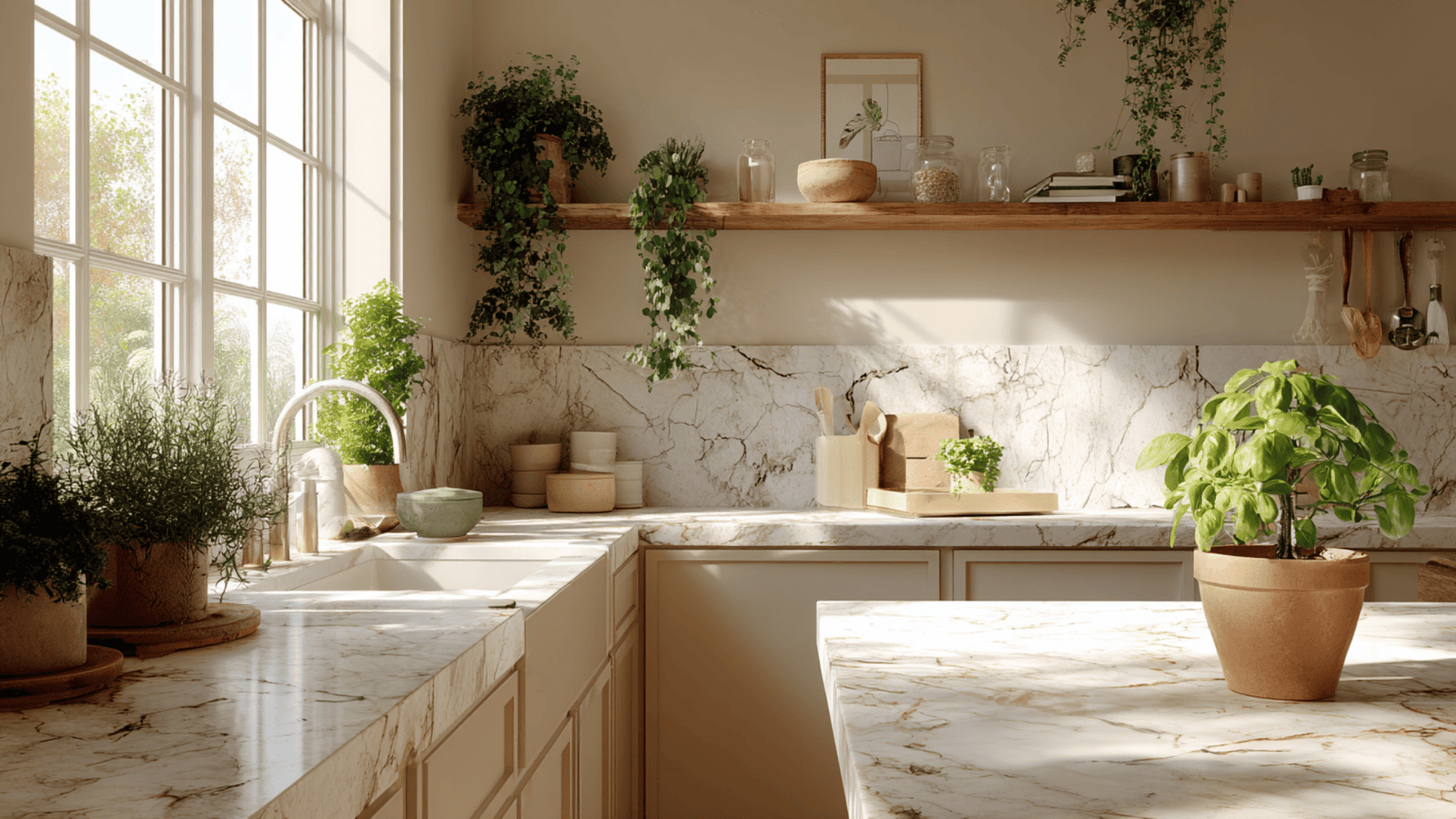
Are you looking to bring fresh life into your kitchen? Decorating your kitchen with indoor plants is a simple way to add color, texture, and a calming vibe.
Imagine walking into a space filled with vibrant greenery that not only looks beautiful but also improves the air you breathe. You don’t need to be a gardening expert or have a big budget to create this refreshing atmosphere. You’ll discover easy tips and ideas to transform your kitchen into a lively, inviting space using indoor plants.
Keep reading, and learn how to make your kitchen a place you truly love.
Benefits Of Indoor Plants In The Kitchen
Indoor plants can improve your kitchen in many ways. They add fresh air and beauty to the space.
Plants also help create a calm and healthy environment while you cook and eat.
Improve Air Quality
Indoor plants clean the air by removing harmful toxins. They release oxygen and increase humidity.
This helps reduce dust and makes the kitchen air fresher for everyone.
Boost Mood And Reduce Stress
Plants have a calming effect on the mind. Seeing green leaves can lower stress levels.
A kitchen with plants feels more welcoming and peaceful, making cooking more enjoyable.
Add Natural Beauty And Color
Plants bring natural colors and shapes into the kitchen. They make the space look lively and fresh.
You can choose plants with different leaf shapes and sizes to match your kitchen style.
Help Grow Fresh Herbs For Cooking
Indoor plants like basil, mint, and parsley can grow in your kitchen. Fresh herbs improve meal flavors.
Having herbs nearby saves trips to the store and adds freshness to your dishes.
Credit: threadvibeliving.com
Choosing The Right Plants
Indoor plants can make your kitchen look fresh and lively. Picking the right plants helps them grow well in your kitchen space.
Consider light, humidity, and space when choosing plants. This guide will help you find the best ones for your kitchen.
Best Plants For Low Light
Many kitchens have low natural light. Choose plants that survive well in shade or indirect light.
These plants need little sunlight and still add green beauty to your kitchen.
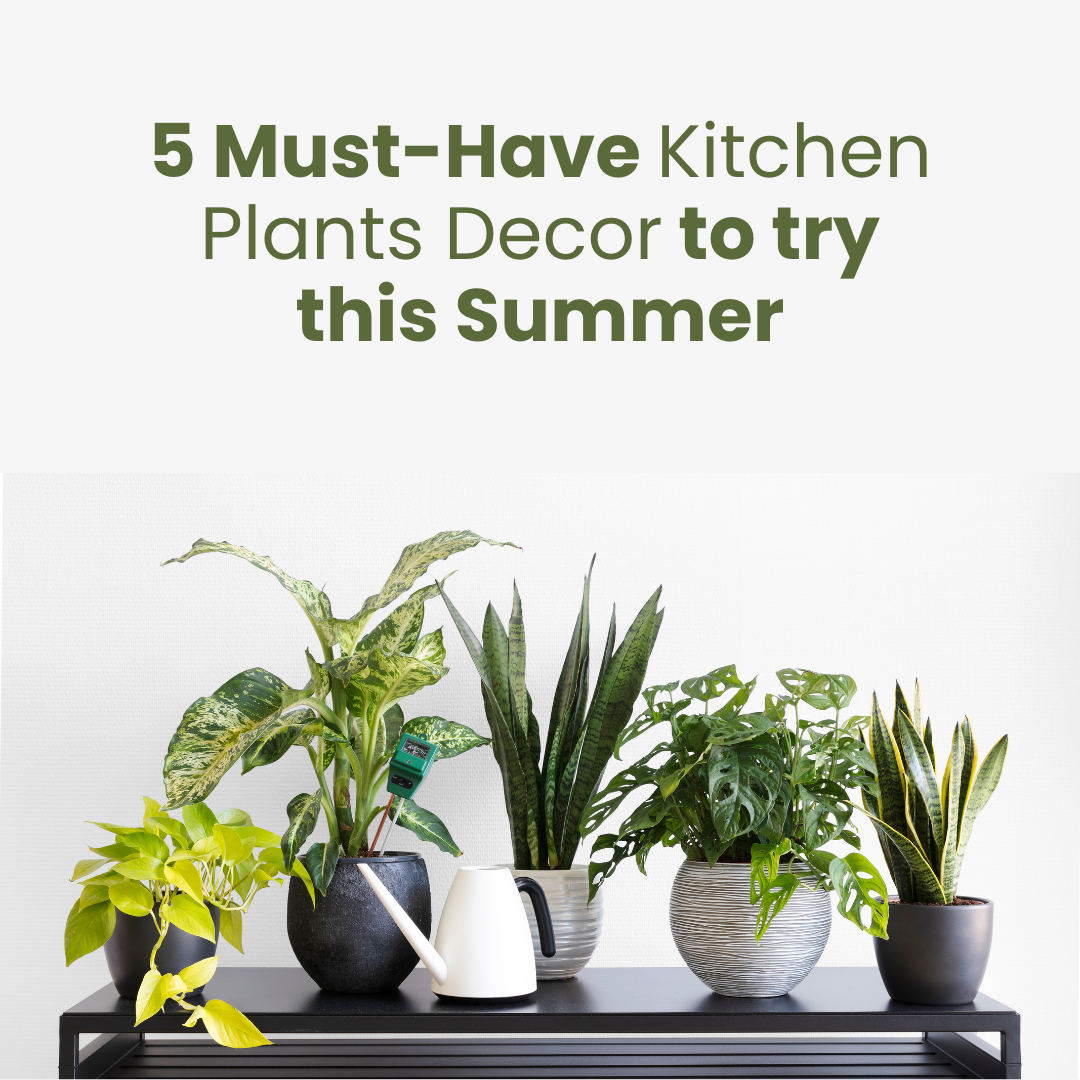
- Snake Plant (Sansevieria)
- ZZ Plant (Zamioculcas zamiifolia)
- Pothos (Epipremnum aureum)
- Philodendron
- Peace Lily (Spathiphyllum)
Plants That Thrive In Humidity
Kitchens often have more humidity from cooking and washing. Some plants enjoy this moist air.
Humidity-loving plants stay healthy and grow well in kitchen conditions.
- Boston Fern (Nephrolepis exaltata)
- Spider Plant (Chlorophytum comosum)
- Calathea
- Orchids
- Herbs like Basil and Mint
Edible Plant Options
Growing edible plants in your kitchen saves space and adds fresh flavors to meals. Choose easy-care herbs and small vegetables.
These plants fit well in pots or small containers on windowsills or counters.
- Basil
- Parsley
- Chives
- Thyme
- Small chili peppers
- Lettuce
Placement Ideas For Maximum Impact
Indoor plants can brighten your kitchen and improve the air quality. Placing them in the right spots makes a big difference.
Use these placement ideas to create a fresh and lively kitchen space with plants.
Countertop Arrangements
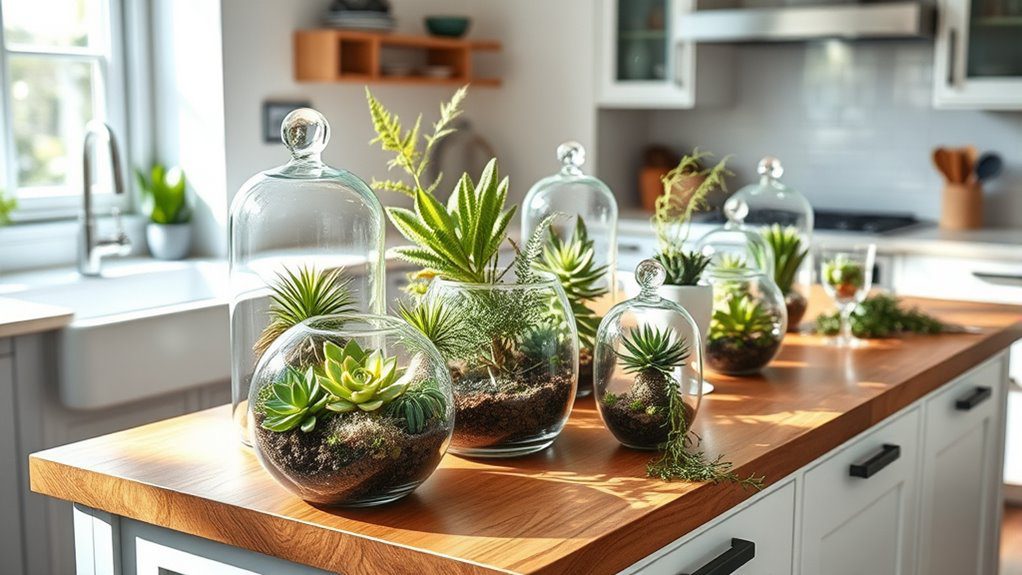
Countertops are great for small to medium plants. Group them to make a natural centerpiece.
- Place herbs near cooking areas for easy use
- Use small pots to save space
- Mix different leaf shapes and sizes for visual interest
- Use decorative trays to keep plants organized
Hanging Plant Options
Hanging plants free up counter space and add height to your kitchen decor. Choose trailing plants for a lush effect.
Plant
Spider Plant
Easy to grow and cleans air.
Plant
English Ivy
Great for trailing over shelves.
Plant
String of Pearls
Unique bead-like leaves hang down.
Windowsill Displays
Windowsills provide natural light, perfect for plants that need sun. Arrange pots neatly to catch attention.
| Plant Type | Light Needs | Care Tips |
| Aloe Vera | Bright indirect light | Water sparingly |
| Basil | Full sun | Keep soil moist |
| Succulents | Bright light | Water once a week |
Caring For Kitchen Plants
Indoor plants add life and color to your kitchen. They also help clean the air and make the space feel fresh.
Taking care of these plants is simple. Knowing how to water, give light, and fertilize them keeps them healthy.
Watering Tips
Water your kitchen plants based on their needs. Some plants like moist soil, while others prefer it dry.
Use room temperature water. Avoid overwatering to prevent root rot.
- Check soil before watering; it should be dry on top.
- Water until it drains from the pot’s bottom.
- Use a spray bottle for plants that like humidity.
Light Requirements
Most kitchen plants need bright, indirect light. Direct sunlight can burn the leaves.
Place plants near windows with filtered light or use sheer curtains to soften sunlight.
- Low light plants do well in corners or away from windows.
- Rotate plants weekly for even light exposure.
- Use grow lights if natural light is low.
Fertilization Guide
Fertilize your kitchen plants to help them grow strong. Use a balanced fertilizer made for indoor plants.
Feed plants every 4 to 6 weeks during the growing season. Avoid fertilizing in winter.
- Choose liquid or slow-release fertilizer.
- Follow the package instructions for amount.
- Water plants before fertilizing to avoid root damage.
Creative Plant Display Techniques
Indoor plants can bring life to any kitchen. Using smart display ideas makes your plants stand out.
Try different ways to show off your plants. This adds charm and freshness to your kitchen space.
Using Decorative Pots
Decorative pots add color and style to your plant display. Choose pots that match your kitchen theme.
- Pick pots with bright colors for a cheerful look.
- Use pots with interesting shapes to create visual interest.
- Mix materials like ceramic, metal, and clay for texture.
- Match pot sizes to the plant size for balance.
Incorporating Shelving
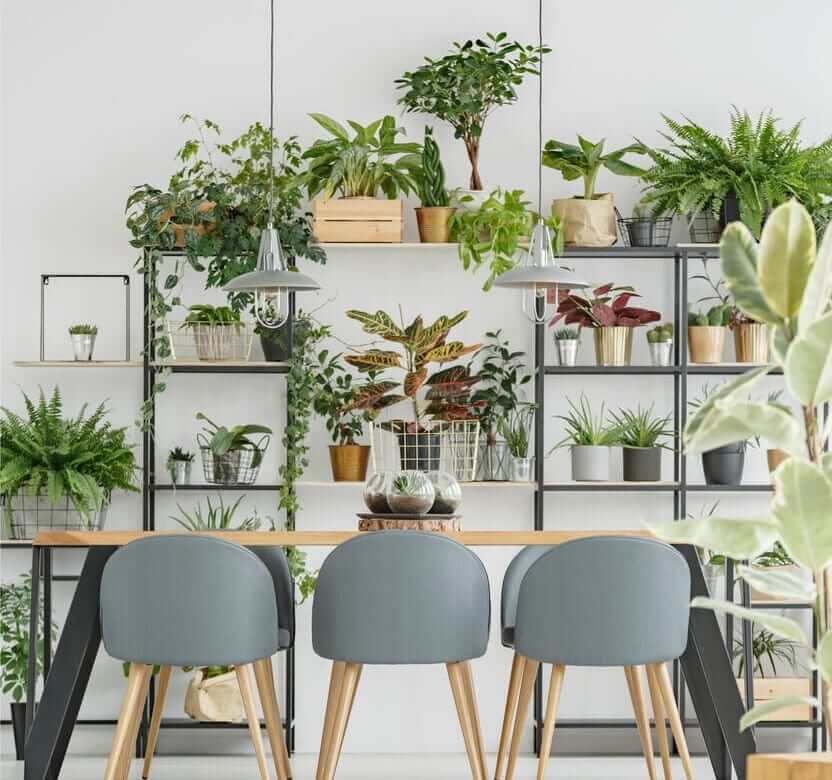
Shelves help organize plants and save counter space. Use wall shelves or freestanding units.
| Shelf Type | Best For | Placement Tips |
| Floating Shelves | Small pots, herbs | Near windows |
| Ladder Shelves | Medium plants | Corner spaces |
| Tiered Plant Stands | Multiple plants | Open areas |
Vertical Garden Ideas
Vertical gardens save space and create a green wall effect. Use hanging pots or wall-mounted planters.
Credit: www.greenwashingindex.com
Combining Plants With Kitchen Decor
Indoor plants bring life and freshness to your kitchen space. They also add style and a natural touch to your decor.
Choosing the right plants and placing them well can make your kitchen feel cozy and inviting. Here are some tips on how to combine plants with your kitchen design.
Color Coordination
Pick plants with colors that match or complement your kitchen walls and furniture. Green leaves look great with neutral colors like white, beige, and gray.
- Use plants with dark green leaves for light-colored kitchens
- Choose colorful flowers to brighten up neutral spaces
- Pick pots in colors that match your kitchen appliances or cabinets
- Mix different shades of green to add depth
Matching Plant Styles With Kitchen Themes
Different kitchen styles go well with certain types of plants. For example, modern kitchens look good with sleek, simple plants.
| Kitchen Style | Plant Types |
| Modern | Snake plant, succulents |
| Rustic | Herbs, ferns |
| Minimalist | Air plants, small cacti |
| Bohemian | Hanging plants, colorful flowers |
Seasonal Plant Changes
Change your kitchen plants with the seasons to keep the space fresh and lively. Use plants that thrive in each season.
- Spring: Bright flowers like orchids or daisies
- Summer: Lush green plants like pothos or basil
- Fall: Warm colors with plants like chrysanthemums
- Winter: Evergreen plants or small indoor trees
Common Mistakes And How To Avoid Them
Adding indoor plants to your kitchen can bring life and freshness. It also improves air quality and mood.
Many people make mistakes that harm plants or clutter the space. Avoiding these helps keep your kitchen beautiful and healthy.
Overcrowding The Space
Too many plants can make your kitchen look messy. It also blocks work areas and light.
- Limit the number of plants on counters and shelves.
- Use vertical space like hanging planters to save room.
- Choose smaller plants for tight areas.
- Group plants in one spot instead of spreading them out.
Ignoring Plant Needs
Different plants need different care. Ignoring this can cause plants to die fast.
| Plant Type | Light | Water | Humidity |
| Herbs | Bright indirect | Keep soil moist | Low to medium |
| Succulents | Direct sun | Water weekly | Low |
| Ferns | Shade | Keep soil damp | High |
Learn about each plant’s needs before placing it in your kitchen. Adjust watering and light accordingly.
Not Considering Kitchen Activities
Kitchens are busy places. Plants placed in wrong spots can get damaged or cause accidents.
Keep these tips in mind:
- Away from stove heat or open flames
- Not blocking counters or sinks
- Out of reach from children and pets
- Easy to clean area around plants
Credit: www.carpetone.com.au
Frequently Asked Questions
What Are The Best Indoor Plants For Kitchen Decoration?
Best indoor kitchen plants include herbs like basil, mint, and thyme. They thrive in natural light and add freshness. Succulents and pothos also work well for low-maintenance decor. Choose plants that tolerate humidity and varying temperatures for best results.
How Do Indoor Plants Improve Kitchen Air Quality?
Indoor plants absorb toxins and release oxygen, improving air quality. They reduce indoor pollutants like formaldehyde and benzene. This makes your kitchen environment healthier. Plants also add moisture, balancing dry air from cooking appliances.
Where Should I Place Plants In My Kitchen?
Place plants near windows for natural light exposure. Countertops, shelves, and hanging planters work well. Avoid spots near heat sources or heavy steam. Ensure plants have good air circulation and easy access for watering.
How Often Should Kitchen Plants Be Watered?
Water kitchen plants when the top inch of soil feels dry. Most herbs need watering every 3-5 days. Succulents require less frequent watering. Overwatering can cause root rot, so check soil moisture before watering.
Conclusion
Adding indoor plants can brighten any kitchen space. They bring fresh air and natural beauty indoors. Small pots or hanging plants fit well in tight spots. Choose easy-care plants to keep your kitchen lively. Greenery creates a calm and inviting cooking area.
Experiment with different plants to find your style. A few plants make a big difference in mood. Start simple, and enjoy the natural touch in your kitchen.