
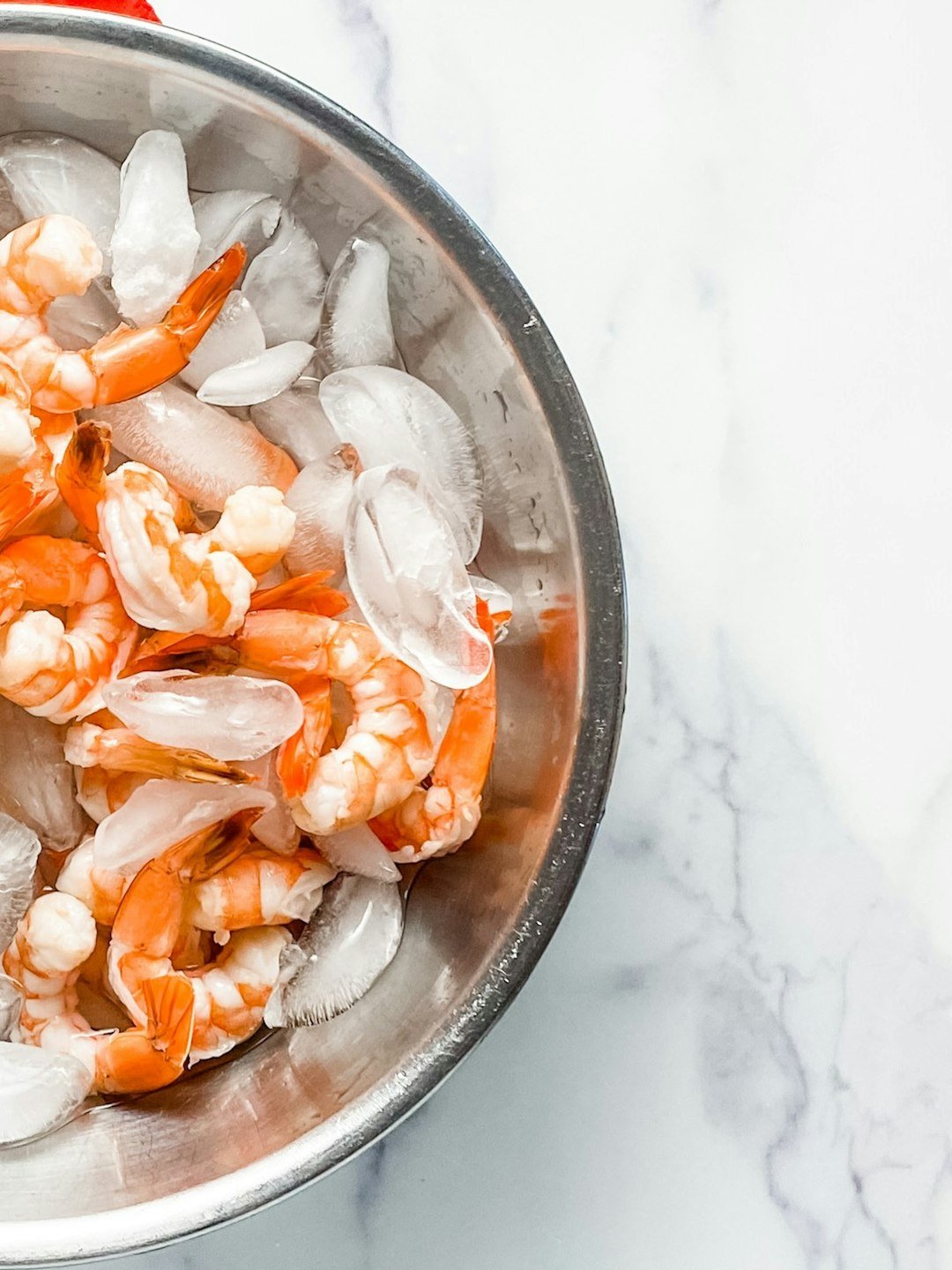
You want your shrimp to be juicy, flavorful, and perfectly tender every time you cook them in a skillet. But sometimes, shrimp can turn out rubbery or overcooked, leaving you disappointed.
What if you could master a simple technique that guarantees tender shrimp quickly and easily? You’ll discover step-by-step tips to cook shrimp just right, unlocking their full taste and texture. Keep reading, and your next shrimp dish will impress everyone at the table.
Choosing The Right Shrimp
Picking the right shrimp is key to cooking it tender in a skillet. Good shrimp cooks evenly and tastes fresh.
Learn about fresh versus frozen shrimp and how size and type affect your dish.
Fresh Vs. Frozen
Fresh shrimp has a mild smell and firm texture. It cooks quickly and stays tender.
Frozen shrimp is often flash-frozen right after catching. It keeps nutrients and flavor well.
- Fresh shrimp is best if you use it the same day.
- Frozen shrimp is convenient and lasts longer.
- Thaw frozen shrimp slowly in the fridge for best results.
Size And Type Considerations
Choose shrimp size based on your recipe. Smaller shrimp cook faster and are tender.
Different types of shrimp have unique flavors and textures. Pick one that suits your taste.
- Small shrimp (51-60 count per pound) are great for quick sautés.
- Medium shrimp (41-50 count) work well for most skillet recipes.
- Large shrimp (31-40 count) hold up well with bold spices.
- Wild-caught shrimp often have firmer texture than farmed shrimp.
Credit: www.thegerdchef.com
Essential Tools And Ingredients
Cooking shrimp tender in a skillet needs the right tools and ingredients. These help you get the best flavor and texture.
Below are key choices for skillet selection and spices or marinades to use for tasty shrimp.
Skillet Selection
Choosing the right skillet affects how shrimp cooks. A good skillet spreads heat evenly and keeps the shrimp juicy.
- Cast iron skillet: Holds heat well and creates a nice sear.
- Stainless steel skillet: Heats evenly and is easy to clean.
- Non-stick skillet: Prevents shrimp from sticking and is quick to wash.
- Size: Use a skillet big enough to hold shrimp in one layer.
Spices And Marinades
Spices and marinades add flavor and help keep shrimp tender. Pick ingredients that suit your taste and cook time.
| Type | Examples | Purpose |
| Spices | Paprika, garlic powder, black pepper | Enhance flavor |
| Marinades | Lemon juice, olive oil, soy sauce | Soften shrimp and add taste |
| Herbs | Parsley, cilantro, thyme | Add freshness and aroma |
Preparation Steps
Cooking shrimp tender starts with proper preparation. Taking time to thaw and clean shrimp makes a big difference.
Adding flavor through marinating enhances the taste and keeps shrimp juicy while cooking.
Thawing And Cleaning
Frozen shrimp need to be thawed safely and cleaned well before cooking. This removes ice and any unwanted shells or veins.
- Place frozen shrimp in a bowl of cold water for about 15 minutes.
- Drain water and peel off the shell if not already done.
- Use a small knife to remove the dark vein along the shrimp’s back.
- Rinse shrimp under cold running water to clean thoroughly.
- Pat shrimp dry with paper towels to remove excess water.
Marinating For Flavor
Marinating shrimp adds taste and helps keep it tender during cooking. Use simple ingredients for best results.
| Ingredient | Purpose | Example Amount |
| Lemon Juice | Adds brightness and tenderizes | 2 tablespoons |
| Olive Oil | Keeps shrimp moist | 1 tablespoon |
| Garlic (minced) | Enhances flavor | 1 clove |
| Salt | Balances taste | ¼ teaspoon |
| Black Pepper | Adds mild heat | ¼ teaspoon |
Mix these ingredients and soak the shrimp for 15 to 30 minutes. Avoid marinating too long to prevent shrimp from becoming tough.

Credit: feelgoodfoodie.net
Cooking Techniques
Cooking shrimp in a skillet can be quick and easy. The key is to keep the shrimp tender and juicy. Good heat control and timing make a big difference.
This guide focuses on two main techniques. First, how to control heat correctly. Second, the perfect timing for tenderness.
Heat Control
Use medium to medium-high heat for cooking shrimp. Too high heat will cook the shrimp too fast and make them tough. Too low heat will not cook them evenly.
- Preheat the skillet before adding shrimp
- Use oil or butter to prevent sticking
- Adjust the heat if shrimp sizzle too much or too little
- Cook shrimp in a single layer for even heat
Timing For Tenderness
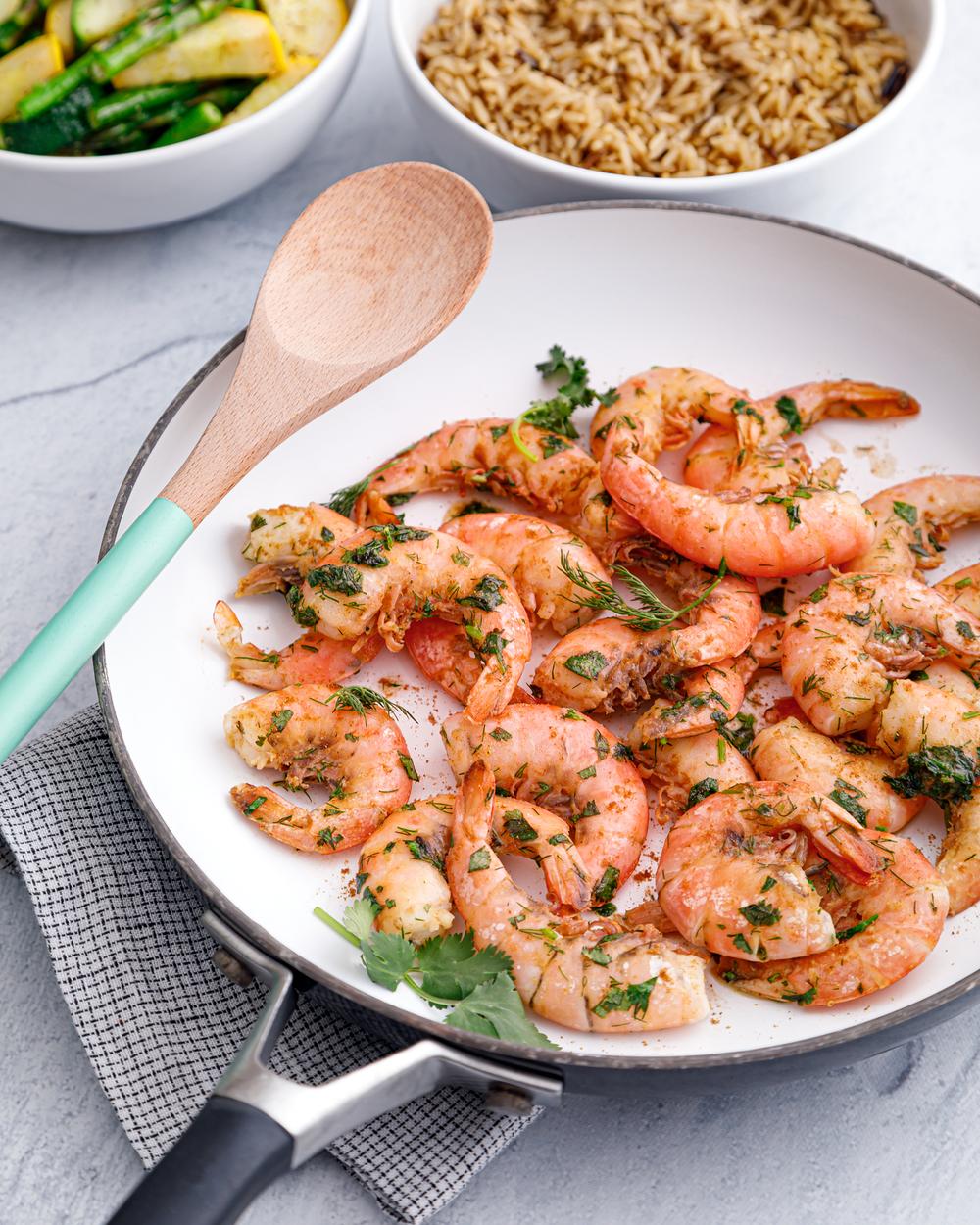
Shrimp cook quickly and should not be overcooked. Cook shrimp until they turn pink and curl into a loose “C” shape. Overcooking makes shrimp rubbery.
| Cook Time | Texture |
|---|---|
| 1-2 minutes per side | Perfectly tender |
| More than 3 minutes per side | Overcooked and tough |
| Less than 1 minute per side | Undercooked and slimy |
Common Mistakes To Avoid
Cooking shrimp in a skillet is quick and simple. Yet, many people make errors that affect taste and texture.
Knowing what to avoid can help you cook shrimp that is tender and flavorful every time.
Overcooking Issues
Overcooking shrimp makes it tough and rubbery. Shrimp cook very fast, so watch the time closely.
- Cook shrimp for 2 to 3 minutes per side.
- Look for pink color and firm texture.
- Remove shrimp as soon as they curl into a C shape.
- Avoid cooking until they form a tight O shape, which means overdone.
- Use a timer to prevent guessing.
Avoiding Excess Water
Too much water in the skillet lowers the temperature. This stops shrimp from searing and causes them to steam.
| Common Causes | How to Fix |
|---|---|
| Not drying shrimp before cooking | Pat shrimp dry with paper towels |
| Adding frozen shrimp without thawing | Fully thaw and drain shrimp before cooking |
| Overcrowding the skillet | Cook in batches for even heat |
| Using low heat | Use medium-high heat for a good sear |

Credit: cookthestory.com
Flavor Enhancement Tips
Cooking shrimp tender in a skillet is easy with the right flavors. Adding fresh herbs and spices makes the dish tasty. Using citrus fruits can add a bright, fresh touch.
These simple tips help bring out the best taste in your shrimp. Use them to make your skillet shrimp delicious every time.
Adding Herbs And Spices
Herbs and spices add depth and aroma to shrimp. Fresh herbs give a green, lively flavor. Spices bring warmth and a little heat.
- Use fresh parsley or cilantro for a fresh, bright taste.
- Add garlic powder or minced garlic for strong flavor.
- Try paprika or cayenne pepper for a mild spice kick.
- Include black pepper and salt to balance all flavors.
- Mix dried oregano or thyme for a savory note.
Using Citrus For Brightness
Citrus juices and zest add a fresh, tangy layer to shrimp. They help cut through richness and bring brightness to the dish.
| Citrus Type | Flavor Effect | Best Use |
| Lemon | Bright, slightly sour | Juice added after cooking or lemon zest in marinade |
| Lime | Sharp, tart | Sprinkle fresh lime juice before serving |
| Orange | Sweet, mild citrus | Use orange zest for a sweeter aroma |
| Grapefruit | Bitter, tangy | Use small amounts of juice to add complexity |
Serving Suggestions
Cooking shrimp tender in a skillet is just the start. How you serve it can make a big difference.
Pairing shrimp with the right sides and presenting it well makes your meal more enjoyable and inviting.
Pairing With Sides
Shrimp goes well with many side dishes. Choose sides that balance flavors and textures.
- Steamed white or brown rice to soak up juices
- Garlic butter noodles for a rich, savory touch
- Fresh garden salad for a light contrast
- Grilled vegetables to add smoky flavor
- Crusty bread to enjoy with the sauce
Presentation Ideas
Good presentation makes your shrimp dish look more delicious and inviting.
| Presentation Style | Details |
|---|---|
| Plated Elegantly | Arrange shrimp in a circle with sides in the center |
| Family Style | Serve shrimp in a large bowl with sides around |
| Skillet Serving | Serve shrimp directly from the skillet for a rustic feel |
| Garnish | Add fresh herbs like parsley or cilantro on top |
| Lemon Wedges | Place lemon slices around for color and flavor boost |
Frequently Asked Questions
How Long Should Shrimp Cook In A Skillet?
Shrimp cook quickly, usually in 3-4 minutes. Cook until they turn pink and opaque. Avoid overcooking to keep them tender.
What Is The Best Skillet Temperature For Shrimp?
Use medium-high heat for skillet cooking. This temperature sears shrimp evenly, locking in moisture and flavor without burning.
How Can I Prevent Shrimp From Becoming Rubbery?
Do not overcook shrimp. Remove them as soon as they turn pink and opaque. Overcooking causes a tough, rubbery texture.
Should Shrimp Be Thawed Before Cooking In A Skillet?
Yes, fully thaw frozen shrimp before cooking. This ensures even cooking and prevents cold spots or uneven texture.
Conclusion
Cooking shrimp tender in a skillet is simple and quick. Keep the heat medium-high to avoid toughness. Cook shrimp just until pink and opaque. Overcooking makes shrimp rubbery and hard to eat. Season shrimp well to boost flavor. Use fresh or thawed shrimp for best results.
Serve immediately for the best taste and texture. Enjoy your tender, delicious shrimp every time. Cooking shrimp this way saves time and effort. Try this easy method for a tasty meal.