
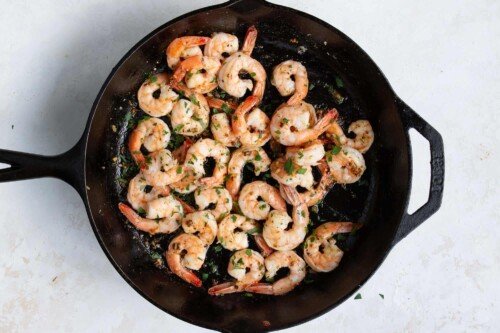
Are you tired of shrimp that turn out dry and rubbery every time you cook them? You’re not alone.
Getting shrimp juicy and tender in a skillet can feel tricky, but once you know the right steps, it’s easier than you think. Imagine biting into perfectly cooked shrimp that burst with flavor and stay juicy from the first bite to the last.
In this guide, you’ll discover simple tips and tricks that will transform your shrimp cooking game. Keep reading, and you’ll learn how to make skillet shrimp that look and taste like they came from a restaurant. Your next meal is about to get a whole lot better.
Choosing Fresh Shrimp
Fresh shrimp is the key to juicy and tasty skillet cooking. Picking the right shrimp makes your dish better.
Look closely at shrimp before buying. This guide helps you choose shrimp that stays juicy when cooked.
Check The Smell
Fresh shrimp has a light ocean smell. Avoid shrimp with a strong fishy or ammonia smell. Bad smell means the shrimp is old.
Look At The Color
Fresh shrimp should look translucent and slightly shiny. Avoid shrimp with black spots or yellow discoloration.
Feel The Texture
Fresh shrimp feels firm and springy. Soft or slimy shrimp is not fresh and should be avoided.
Buy Shrimp Types
- Wild-caught shrimp have a natural flavor and firm texture.
- Farm-raised shrimp are mild but widely available.
- Frozen shrimp can be fresh if properly stored and thawed.
Shrimp Freshness Table
| Check | Fresh Shrimp | Old Shrimp |
| Smell | Mild ocean scent | Strong fishy or ammonia |
| Color | Clear, shiny, translucent | Dull, black spots, yellow |
| Texture | Firm and springy | Soft or slimy |
| Shell | Intact and moist | Broken or dry |
Prepping Shrimp For Cooking
Cooking juicy shrimp starts with good preparation. Cleaning and marinating shrimp can improve taste and texture.
Proper prep helps shrimp cook evenly and stay tender in the skillet. Let’s look at the key steps.
Cleaning And Deveining
First, rinse the shrimp under cold water. This removes any surface dirt or debris.
Next, remove the shell. You can leave the tail on for presentation or take it off for easier eating.
Deveining means removing the dark vein along the shrimp’s back. It can taste gritty if left in.
- Use a small knife or shrimp deveiner tool
- Make a shallow cut along the back
- Pull out the vein with the tip of the knife
- Rinse the shrimp again after deveining
Marinating For Flavor
Marinating shrimp adds flavor and keeps it juicy while cooking. Use simple ingredients you have at home.
Mix oil, acid like lemon juice, and spices. Let shrimp soak for 15 to 30 minutes before cooking.
- Olive oil or melted butter
- Lemon juice or vinegar
- Garlic powder or minced garlic
- Salt and pepper
- Optional: paprika, chili flakes, or herbs
Selecting The Right Skillet
Cooking shrimp juicy in a skillet needs the right pan. The skillet affects heat and cooking speed.
Choosing the best skillet helps keep shrimp tender and flavorful. Let’s look at key features to pick.
Material Matters
Skillet material controls how heat spreads and holds. Good heat control keeps shrimp juicy.
Cast iron and stainless steel are popular. Cast iron holds heat well but heats slowly. Stainless steel heats fast and cleans easily.
- Cast iron: great heat retention, needs seasoning
- Stainless steel: heats evenly, easy to clean
- Non-stick: prevents shrimp from sticking, easy cooking
- Aluminum: heats quickly, but may warp
Size Considerations
Choose a skillet size that fits the shrimp amount. Crowding shrinks the shrimp and makes them dry.
A 10-inch skillet works well for most home cooking. It gives enough space for shrimp to cook evenly.
- Small skillet (8 inches): good for 1-2 servings
- Medium skillet (10-12 inches): fits 3-4 servings
- Large skillet (14 inches or more): cooks large batches

Credit: www.acouplecooks.com
Preheating The Skillet
Preheating the skillet is key to cooking juicy shrimp. It helps the shrimp cook evenly and stay tender.
Starting with a hot skillet stops shrimp from sticking. It also seals in the natural juices.
Optimal Temperature
Heat the skillet on medium-high before adding shrimp. This temperature cooks shrimp quickly without drying them out.
Test the heat by sprinkling a few drops of water. If they sizzle and evaporate fast, the skillet is ready.
- Too low heat makes shrimp rubbery
- Too high heat burns shrimp outside
- Medium-high heat cooks shrimp juicy and tender
Using Oil Or Butter
Use oil or butter to help cook shrimp evenly. They add flavor and prevent sticking to the skillet.
Heat the oil or butter until it shimmers or melts. Then add shrimp quickly to keep the skillet hot.
- Use oils with high smoke points like canola or avocado oil
- Butter adds rich flavor but burns faster
- Mix butter with oil for best taste and heat control
Cooking Shrimp To Perfection
Cooking shrimp in a skillet is quick and easy. The goal is to keep the shrimp juicy and tender.
Shrimp cooks fast, so you must pay attention to timing and space in the pan. These tips help you get perfect shrimp every time.
Timing Is Key
Shrimp cooks in just a few minutes. Overcooking makes it tough and rubbery. Watch for a pink color and curled shape.
Cook shrimp about 2 minutes on one side. Flip and cook another 1 to 2 minutes. Stop cooking as soon as they turn pink.
- Start with medium-high heat
- Cook 2 minutes on first side
- Flip and cook 1-2 minutes more
- Remove when shrimp turn pink
Avoiding Overcrowding
Place shrimp in a single layer in the skillet. Too many shrimp crowding will steam them instead of searing.
Cook shrimp in batches if needed. This keeps the heat high and helps shrimp cook evenly and stay juicy.
- Use a large skillet or pan
- Lay shrimp in one flat layer
- Give space between shrimp
- Cook in batches if needed
Enhancing Flavor With Seasonings
Cooking shrimp in a skillet is quick and easy. Adding the right seasonings makes it even better. Seasonings bring out the shrimp’s natural taste and keep it juicy.
Simple seasonings can make a big difference. You do not need many spices to enjoy flavorful shrimp. Let’s look at easy ways to use salt, pepper, herbs, and spices.
Simple Salt And Pepper
Salt and pepper are the basics for seasoning shrimp. Salt helps bring out the shrimp’s natural sweetness. Pepper adds a little heat and depth.
- Use kosher or sea salt for better flavor.
- Add freshly ground black pepper for best taste.
- Season shrimp just before cooking to avoid drawing out moisture.
- Sprinkle evenly on both sides for balanced taste.
- Try a pinch of garlic salt for a mild garlic flavor.
Herbs And Spices
Fresh or dried herbs and spices add aroma and complexity. They can turn simple shrimp into a special dish. Common choices are easy to find and use.
| Herb/Spice | Flavor Profile | How to Use |
| Paprika | Smoky and sweet | Sprinkle before cooking for color and taste |
| Garlic powder | Strong and savory | Mix with salt and pepper for seasoning |
| Parsley | Fresh and mild | Chop fresh and add after cooking |
| Cayenne pepper | Spicy heat | Add a small pinch to spice up shrimp |
| Lemon zest | Bright and citrusy | Grate over cooked shrimp for freshness |
Serving Suggestions
Cooking shrimp juicy in a skillet is easy and tasty. Serving it well makes your meal better.
Try pairing your shrimp with sides and garnishes to make a full, delicious plate.
Pairing With Sides
Choose sides that balance the shrimp’s flavor and texture. Light and fresh sides work best.
- Steamed white or brown rice
- Garlic buttered pasta
- Grilled or roasted vegetables like asparagus and bell peppers
- Fresh garden salad with lemon vinaigrette
- Quinoa with herbs and lemon zest
Garnishing Ideas
Garnishes add color and extra flavor to your shrimp dish. They make the meal look fresh and inviting.
| Garnish | Flavor Impact |
| Chopped fresh parsley | Fresh and slightly peppery |
| Lemon wedges | Tangy and bright |
| Crushed red pepper flakes | Spicy kick |
| Minced garlic | Rich and aromatic |
| Grated Parmesan cheese | Salty and creamy |

Credit: valentinascorner.com
Common Mistakes To Avoid
Cooking shrimp in a skillet can be quick and tasty. Avoiding common mistakes keeps shrimp juicy and flavorful. Learning what not to do saves time and effort.
This guide covers two key errors to avoid when cooking shrimp: overcooking and using frozen shrimp directly. Follow these tips for the best results.
Overcooking Dangers
Overcooked shrimp become tough and dry. They lose their natural sweetness and texture. It is easy to overcook shrimp because they cook fast in a skillet.
- Cook shrimp only 2 to 3 minutes per side
- Remove shrimp from heat as soon as they turn pink
- Watch closely for curled tails as a cooking sign
- Use medium heat to avoid fast burning
- Rest shrimp briefly after cooking to keep juices
Using Frozen Shrimp Directly
Cooking frozen shrimp without thawing leads to uneven cooking. The outside cooks faster while the inside stays cold or raw. This can cause bad texture and flavor.
| Problem | Effect | Solution |
| Frozen shrimp used directly | Uneven cooking, rubbery texture | Thaw shrimp fully before cooking |
| Thawing in warm water | Shrimp become mushy | Thaw in cold water or refrigerator |
| Leaving shrimp frozen on skillet | Water release, splatter, uneven heat | Pat shrimp dry before cooking |

Credit: www.primaverakitchen.com
Frequently Asked Questions
How Do I Keep Shrimp Juicy In A Skillet?
To keep shrimp juicy, cook them quickly over medium-high heat. Avoid overcooking by removing shrimp as soon as they turn pink and opaque. Use a little oil or butter to lock in moisture and enhance flavor.
What Temperature Is Best For Cooking Shrimp In Skillet?
Cook shrimp at medium-high heat, around 350°F to 375°F. This temperature sears the shrimp quickly without drying them out. High heat ensures a juicy, tender texture with a slightly crispy exterior.
How Long Should Shrimp Cook In A Skillet?
Shrimp typically cook in 2 to 3 minutes per side. Watch for color change to pink and an opaque interior. Overcooking makes shrimp tough and rubbery, so timing is crucial.
Should I Marinate Shrimp Before Skillet Cooking?
Marinating shrimp for 15-30 minutes adds flavor and moisture. Use acidic marinades like lemon juice or vinegar, combined with herbs and spices. Avoid long marination to prevent shrimp from becoming mushy.
Conclusion
Cooking shrimp juicy in a skillet is simple and quick. Use fresh shrimp and avoid overcooking. Keep the heat medium-high for the best results. Season well for extra flavor. Watch the shrimp closely—they cook fast! A few minutes on each side keeps them tender.
Serve immediately to enjoy their juicy texture. This method saves time and brings great taste. Try it often for tasty, easy meals at home.