
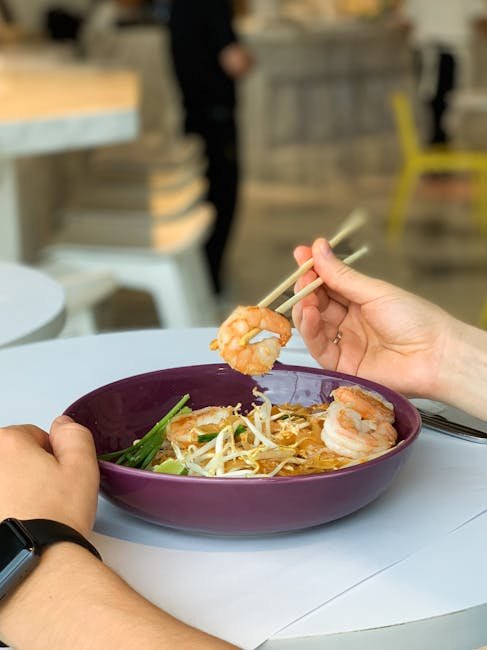
Cooking shrimp in a skillet can be quick and delicious, but getting them to cook evenly is where many people struggle. If you’ve ever ended up with some shrimp overcooked and rubbery while others are underdone, you’re not alone.
The good news is, with a few simple tips and tricks, you can master the art of cooking shrimp perfectly every time. Keep reading, and you’ll discover easy steps that will make your shrimp juicy, tender, and cooked just right—no guesswork needed.
Your next skillet shrimp meal is about to become your best yet.

Credit: www.acouplecooks.com
Choosing The Right Shrimp
Picking the right shrimp is key to cooking them evenly in a skillet. The type and condition of shrimp affect taste and cooking time.
Knowing the difference between fresh and frozen shrimp helps you get the best texture. Size and type also matter for even cooking.
Fresh Vs. Frozen
Fresh shrimp usually have a sweet smell and firm flesh. They cook quickly but may not be available everywhere.
Frozen shrimp are convenient and often flash-frozen soon after catching. They keep well and are easy to store.
- Fresh shrimp cook faster but spoil quickly
- Frozen shrimp last longer and keep flavor
- Defrost frozen shrimp properly before cooking
- Check for ice crystals on frozen shrimp to avoid sogginess
Size And Type Selection
Shrimp come in many sizes and types. Choosing the right size helps them cook evenly in the pan.
| Size | Description | Cooking Time (minutes) |
| Small | 51-60 shrimp per pound | 2-3 |
| Medium | 41-50 shrimp per pound | 3-4 |
| Large | 31-40 shrimp per pound | 4-5 |
| Jumbo | 21-25 shrimp per pound | 5-6 |
Types like tiger shrimp or white shrimp differ in flavor and texture. Pick the one you prefer for your recipe.
Preparing Shrimp For Cooking
Cooking shrimp evenly starts with good preparation. Cleaning and drying shrimp help you get the best texture and taste.
Taking time before cooking makes your shrimp cook faster and look better on the plate.
Cleaning And Deveining
Cleaning shrimp removes grit and shell pieces. Deveining removes the dark vein that can taste bitter. This step is important for both flavor and food safety.
- Rinse the shrimp under cold water.
- Peel off the shell if needed, leaving the tail if you like.
- Make a shallow cut along the back using a small knife.
- Remove the dark vein with the knife tip or toothpick.
- Rinse the shrimp again to remove any leftover shell or vein bits.
Drying For Even Cooking
Drying shrimp before cooking helps them sear well. Wet shrimp steam instead of brown, causing uneven cooking.
| Drying Method | Why It Helps |
|---|---|
| Pat shrimp with paper towels | Removes surface moisture quickly |
| Let shrimp air dry for 5 minutes | Ensures any hidden moisture evaporates |
| Use a clean kitchen towel | Absorbs water without damaging shrimp |
Selecting The Ideal Skillet
Choosing the right skillet helps cook shrimp evenly. The skillet’s material and size affect heat distribution.
A proper skillet prevents overcooking or undercooking shrimp. It also keeps shrimp from sticking.
Material Considerations
Skillet material affects heat control and cooking results. Some materials heat evenly, while others can cause hot spots.
- Cast Iron:Retains heat well. Ideal for steady, even cooking.
- Stainless Steel:Durable and heats quickly. May need oil to prevent sticking.
- Non-stick:Prevents shrimp from sticking. Works best for delicate cooking.
- Copper:Heats very fast and evenly. Needs careful temperature control.
Skillet Size For Shrimp Quantity
Choosing the right skillet size helps cook shrimp evenly without crowding. Overcrowding causes uneven cooking and steaming.
| Number of Shrimp | Recommended Skillet Diameter |
| 6 to 8 | 8 inches (20 cm) |
| 9 to 12 | 10 inches (25 cm) |
| 13 to 16 | 12 inches (30 cm) |
| More than 16 | Use two skillets or cook in batches |
Heating The Skillet
Cooking shrimp evenly in a skillet starts with heating the pan properly. The right heat helps shrimp cook quickly and stay juicy.
Use the correct temperature and give the skillet time to warm up. This ensures even cooking on all sides of the shrimp.
Temperature Control
Keep the skillet at medium to medium-high heat. Too hot will burn the shrimp outside while leaving the inside raw.
- Use a stove burner that matches the skillet size.
- Adjust heat to keep a steady sizzle but no smoke.
- Test heat by sprinkling a few drops of water; they should dance and evaporate quickly.
- Lower the heat if the skillet starts smoking or the shrimp browns too fast.
Preheating Tips
Preheat the skillet before adding shrimp. This helps create a non-stick surface and even cooking.
| Preheating Method | What to Do | Why It Helps |
| Dry Heat | Heat skillet empty for 2-3 minutes | Ensures even heat distribution |
| Oil Heat | Add oil after preheating, then heat for 30 seconds | Prevents sticking and adds flavor |
| Test Heat | Drop water to check if it sizzles | Shows skillet is hot enough |
Cooking Techniques
Cooking shrimp evenly in a skillet needs simple techniques. Using the right methods helps avoid overcooking or undercooking.
These tips focus on how to cook shrimp evenly for the best taste and texture.
Single Layer Cooking
Place shrimp in a single layer in the skillet. Avoid crowding them to cook evenly.
Cooking shrimp in one layer lets heat reach all sides for uniform results.
- Use a large skillet to fit shrimp in one layer
- Leave space between each shrimp
- Flip shrimp only once during cooking
Timing For Even Cooking
Shrimp cook quickly and need careful timing. Cook them about 2 minutes on each side.
Watch for shrimp turning pink and opaque. This shows they are cooked evenly.
- Start timing once shrimp touch the hot skillet
- Cook 2 minutes on the first side
- Flip and cook 1-2 minutes on the other side
- Remove shrimp immediately when cooked through

Credit: cookthestory.com
Flavor Enhancements
Cooking shrimp evenly in a skillet tastes better with good flavors. Adding the right seasonings and aromatics can lift the dish.
Small touches like herbs and spices make shrimp more delicious. These flavor tips help you cook shrimp that tastes fresh and tasty.
Seasoning Options
Seasoning shrimp before cooking adds depth to its natural flavor. You can use dry spices, salt, and pepper for a simple boost.
- Sprinkle salt and black pepper evenly on shrimp
- Add paprika or chili powder for a mild heat
- Use garlic powder or onion powder for extra aroma
- Mix lemon zest with spices for a fresh twist
Using Aromatics
Aromatics like garlic, ginger, and herbs add layers of flavor while cooking shrimp. Sauté them in the skillet before adding shrimp.
| Aromatic | Flavor Effect | Usage Tip |
| Garlic | Strong, savory | Minced and cooked briefly to avoid burning |
| Ginger | Fresh, slightly spicy | Thinly sliced or grated for a gentle flavor |
| Thyme | Earthy and herbal | Added whole or chopped during cooking |
| Lemon leaves | Citrus bright | Placed in skillet to infuse flavor |
Testing For Doneness
Cooking shrimp evenly in a skillet needs careful checking. Testing for doneness ensures shrimp are safe to eat and taste great.
Two simple ways to test shrimp are by using visual cues and texture checks. These methods help you avoid overcooking or undercooking.
Visual Cues
Look closely at the shrimp as they cook. Their color and shape change when done. Raw shrimp are gray and translucent.
- Cooked shrimp turn pink or opaque white.
- The flesh becomes firm and less shiny.
- Shrimp curl into a loose “C” shape when done.
- Overcooked shrimp curl tightly into an “O” shape.
Texture Check
Feel the shrimp to check if they are ready. Perfectly cooked shrimp are firm but still springy.
| Texture | Description |
|---|---|
| Raw | Soft and slippery, easy to press |
| Cooked | Firm but slightly springy to touch |
| Overcooked | Hard and rubbery, tough to bite |
Serving Suggestions
Cooking shrimp evenly in a skillet is only part of the experience. Choosing the right sides and garnishes makes your meal complete and delicious.
Here are some ideas to help you serve shrimp that looks and tastes great on the plate.
Pairing With Side Dishes
Shrimp pairs well with many side dishes. Pick sides that balance flavors and add texture to your meal.
- Steamed rice or flavored rice like lemon herb rice
- Fresh green salads with light vinaigrette
- Roasted or grilled vegetables such as asparagus or bell peppers
- Garlic bread or warm dinner rolls
- Quinoa or couscous for a healthy grain option
Garnishing Ideas
Garnishes add color and extra flavor. They make shrimp dishes look appetizing and fresh.
| Garnish | Flavor | Use |
|---|---|---|
| Chopped fresh parsley | Light and herbaceous | Sprinkle on top before serving |
| Lemon wedges | Bright and tangy | Serve on the side for squeezing |
| Red chili flakes | Spicy heat | Sprinkle for a kick |
| Minced garlic | Strong and aromatic | Mix in the skillet or as topping |
| Green onions | Fresh and mild onion flavor | Chop and scatter over shrimp |

Credit: dizzybusyandhungry.com
Frequently Asked Questions
How Do I Prevent Shrimp From Overcooking In Skillet?
Cook shrimp on medium-high heat for 2-3 minutes per side. Remove immediately once they turn pink and opaque. Overcooking makes shrimp tough and rubbery. Use a timer and watch closely for perfect texture and flavor.
What Oil Is Best For Cooking Shrimp Evenly?
Use oils with high smoke points like avocado, canola, or grapeseed oil. These oils heat evenly and prevent burning. Avoid butter or olive oil alone, as they can burn quickly at skillet temperatures. This ensures shrimp cook evenly and taste great.
Should Shrimp Be Thawed Before Skillet Cooking?
Yes, thaw shrimp fully before cooking for even heat distribution. Pat dry with paper towels to remove excess moisture. Wet shrimp can steam instead of sear, causing uneven cooking. Proper thawing ensures perfect texture and flavor in skillet.
How Do I Know When Shrimp Is Fully Cooked?
Shrimp is done when it turns pink and opaque throughout. The flesh should be firm but tender. Avoid translucent or grayish spots, indicating undercooked shrimp. Cooking time usually takes 4-6 minutes total in a hot skillet.
Conclusion
Cooking shrimp evenly in a skillet is simple with the right steps. Keep the heat medium-high to cook shrimp fast and well. Avoid overcrowding the pan to give each shrimp space. Flip them once to cook both sides evenly. Watch the color change to pink and curl shape for doneness.
These tips help you enjoy juicy, tender shrimp every time. Try these steps and see how easy cooking shrimp can be!