

Are you tired of dry, rubbery scrambled eggs that just don’t taste right? Imagine waking up to creamy, fluffy scrambled eggs that melt in your mouth every single time.
You can achieve that perfect texture with just a few simple tricks. You’ll discover how to cook scrambled eggs creamy and delicious, turning your breakfast into a mouthwatering experience. Ready to upgrade your mornings? Let’s dive in and make your scrambled eggs the best they’ve ever been.
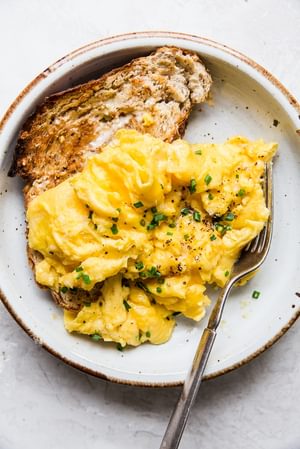
Credit: themodernproper.com
Choosing The Right Eggs
Choosing the right eggs can make your scrambled eggs creamier and tastier. Not all eggs are the same in flavor or texture.
Understanding different egg types helps you pick the best ones for cooking creamy scrambled eggs.
Freshness Matters
Fresh eggs have thicker whites and firmer yolks. These qualities help create soft, creamy scrambled eggs.
- Check the pack date on the carton.
- Buy eggs stored in a cool place.
- Avoid eggs with cracks or damage.
Types Of Eggs To Consider
Eggs come in various types, such as free-range, organic, and conventional. Each type affects taste and texture differently.
| Egg Type | Description | Flavor Notes |
| Free-Range | Hens roam outside freely | Rich and natural |
| Organic | Fed organic feed, no chemicals | Clean and fresh |
| Conventional | Standard farm-raised hens | Mild and neutral |
Egg Size And Its Impact
Larger eggs have more yolk, which adds creaminess. Use large or extra-large eggs for richer scrambled eggs.
Here is a quick tip: always use eggs at room temperature. Cold eggs do not mix well and can make your eggs less creamy.

Credit: parade.com
Essential Ingredients For Creaminess
Making scrambled eggs creamy needs the right ingredients. These ingredients help eggs stay soft and smooth.
Using simple ingredients can change the texture. Let’s look at what you need for creamy scrambled eggs.
Fresh Eggs
Fresh eggs have a better flavor and texture. They make scrambled eggs taste richer and feel softer.
Choose eggs that are not old. The fresher, the creamier your eggs will be.
Milk Or Cream
Adding milk or cream makes eggs soft and moist. Cream adds more richness than milk.
- Use 1 tablespoon of milk or cream per 2 eggs
- Whole milk or heavy cream works best
- Do not add too much or eggs become runny
Butter
Butter adds smoothness and flavor. It helps cook eggs gently and keeps them creamy.
Use a small amount of butter in the pan before adding eggs. This stops eggs from sticking and drying out.
Salt
Salt brings out the eggs’ natural flavor. It can also help eggs stay tender.
Add salt just before or after cooking. Adding salt too early can make eggs watery.
Optional: Cheese
Cheese adds creaminess and taste. Soft cheeses melt well and make eggs silky.
- Use cheeses like cream cheese or cheddar
- Add cheese near the end of cooking
- Grate or crumble cheese for easy melting
Proper Whisking Techniques
Whisking eggs well is key to making creamy scrambled eggs. It mixes air and breaks the yolks for a smooth texture.
Using the right whisking method helps eggs cook evenly and stay soft. Let’s look at some easy techniques.
Use A Balloon Whisk
A balloon whisk is perfect for beating eggs. Its wide shape adds air quickly to the mixture.
Hold the whisk lightly and move it in a circular motion. This helps create fluffy eggs with a creamy texture.
Whisk Vigorously But Not Too Fast
Whisk fast enough to mix the yolks and whites well. Avoid rushing to prevent splashing.
Whisking too hard can break the eggs unevenly. Keep a steady pace to blend air evenly for creaminess.
Whisk Until The Mixture Is Uniform
Stop whisking when the eggs look one color and slightly frothy. This means the yolks and whites are fully combined.
Uniform eggs cook better and hold moisture. This results in soft, creamy scrambled eggs.
Add A Small Amount Of Liquid Before Whisking
Add a splash of milk, cream, or water before whisking. This helps create a creamy texture by loosening the eggs.
- Milk adds richness and softness
- Cream makes eggs extra smooth
- Water helps steam eggs for fluffiness
Whisk the eggs and liquid together well to blend everything evenly.
Ideal Cooking Temperature
Cooking scrambled eggs at the right temperature makes them creamy and soft. Too high heat makes eggs dry and tough.
Low and slow heat helps eggs cook evenly. This keeps them moist and creamy.
Why Low Heat Is Best
Using low heat stops eggs from cooking too fast. This prevents them from becoming rubbery.
Slow cooking lets eggs stay soft. It gives time for the creaminess to develop.
Ideal Stove Settings
Medium-low or low heat works well on most stoves. It keeps the eggs warm without burning.
- Electric stove: Use low or medium-low setting
- Gas stove: Keep flame small and gentle
- Induction stove: Set to low power level
Using A Thermometer For Precision
Eggs cook best between 140°F and 160°F (60°C to 71°C). This range keeps them creamy.
Check the pan temperature with a cooking thermometer. Adjust heat to stay in the ideal range.
Avoiding High Heat Mistakes
High heat cooks eggs too fast. This makes them dry and crumbly.
- Never use high or medium-high heat
- Do not leave eggs unattended on heat
- Stir gently and often for best texture
Using The Right Pan
Choosing the right pan is key for creamy scrambled eggs. The pan affects heat control and cooking speed.
A good pan helps cook eggs evenly and prevents sticking, making your eggs smooth and soft.
Non-stick Pan Benefits
Non-stick pans are best for scrambled eggs. They stop eggs from sticking and burning easily.
These pans allow gentle cooking at low heat, which keeps eggs creamy and tender.
- Easy to clean
- Requires less butter or oil
- Good heat distribution
Ideal Pan Size
Use a small or medium pan for scrambled eggs. A pan about 8 inches wide works well.
A smaller pan keeps the eggs together and cooks them evenly without drying out.
Material Matters
Lightweight pans heat up quickly but can cause uneven cooking. Heavy pans hold heat better.
Choose pans made of stainless steel with a non-stick coating or hard-anodized aluminum for best results.
- Stainless steel with non-stick surface
- Hard-anodized aluminum
- Avoid thin pans that heat unevenly
Avoid Cast Iron For Creamy Eggs
Cast iron pans hold heat too well. They can cook eggs too fast and make them dry.
Use cast iron for other cooking, but pick a lighter pan for creamy scrambled eggs.
Adding Dairy For Texture
Adding dairy to scrambled eggs makes them soft and creamy. It changes the texture and taste.
You can use milk, cream, or non-dairy options. Each adds a different kind of creaminess.
Milk Vs. Cream
Milk makes scrambled eggs lighter and less rich. It adds moisture without too much fat.
Cream has more fat, which gives eggs a thick and velvety texture. It makes eggs richer.
- Milk creates a soft texture with mild creaminess.
- Cream offers a thick, smooth, and rich texture.
- Use whole milk or heavy cream for best results.
- Adjust amount to control creaminess level.
Non-dairy Alternatives
Non-dairy options can also make scrambled eggs creamy. They are good for people with lactose issues.
Popular choices include almond milk, soy milk, and coconut milk. Each adds a unique flavor and texture.
- Almond milk adds a light, nutty taste and soft texture.
- Soy milk offers a mild flavor and smooth texture.
- Coconut milk gives a rich and slightly sweet creaminess.
- Use unsweetened versions to keep eggs savory.
Stirring Techniques
Stirring scrambled eggs properly helps create a creamy texture. Gentle and steady stirring keeps the eggs soft and fluffy.
Different stirring methods affect how the eggs cook and their final texture. Knowing when and how to stir is key.
Slow And Gentle Stirring
Stir the eggs slowly with a spatula or wooden spoon. Move the eggs gently across the pan to avoid breaking them into small pieces.
Continuous Stirring
Keep stirring the eggs without stopping. This helps cook the eggs evenly and stops them from sticking to the pan.
- Use a heatproof spatula
- Stir in small circles
- Keep the pan on low heat
- Don’t rush the process
Pause And Fold
Stop stirring occasionally to let the eggs set a little. Then fold the cooked parts over the softer parts to keep creaminess.
Timing For Perfection
Cooking scrambled eggs creamy needs good timing. The right timing keeps eggs soft and smooth.
Too long or too short cooking changes the texture. Knowing when to stop is key.
Start With Low Heat
Cook scrambled eggs on low heat to control timing well. High heat cooks eggs too fast.
Low heat lets eggs cook slowly, making them creamy and soft.
Watch The Eggs Closely
Scrambled eggs cook quickly. Watch them every few seconds to avoid overcooking.
Stop cooking when eggs look slightly wet but mostly set. They will keep cooking after heat is off.
Stir Often But Gently
Stir eggs slowly to cook evenly. Stirring helps keep a creamy texture.
- Use a spatula to fold eggs gently
- Stir every 10-15 seconds
- Avoid fast or rough stirring
Remove From Heat Early
Take eggs off the heat just before they look fully cooked. They finish cooking with their own heat.
This step stops eggs from drying out and keeps them creamy.
Seasoning Tips
Seasoning scrambled eggs adds flavor and makes them more enjoyable. Simple spices can make eggs creamy and tasty.
Knowing how and when to add seasoning helps keep eggs soft and smooth. Let’s explore some easy seasoning tips.
Use Salt Sparingly
Add a small pinch of salt to eggs before cooking. Too much salt can make eggs watery and less creamy.
Salt helps bring out the egg’s natural flavor without drying them out. Add more salt after cooking if needed.
Add Pepper For Mild Heat
Freshly ground black pepper gives scrambled eggs a gentle kick. Add it while whisking eggs for even flavor.
Too much pepper can overpower the eggs. Start with a little and adjust to taste after cooking.
Try Fresh Herbs
Chopped herbs like chives, parsley, or dill add fresh flavor and color. Add them at the end of cooking.
Fresh herbs keep eggs light and creamy. Avoid dried herbs as they may taste bitter.
Use Cream Or Milk For Softness
Add a small splash of cream or milk before cooking. This makes eggs softer and creamier.
Too much liquid can make eggs runny. Use just enough to improve texture without thinning the eggs.
Add Cheese For Rich Flavor
Mix in shredded cheese like cheddar or mozzarella. Cheese melts and makes eggs creamy and tasty.
Add cheese near the end of cooking to keep it soft. Avoid cooking cheese too long or it may become rubbery.
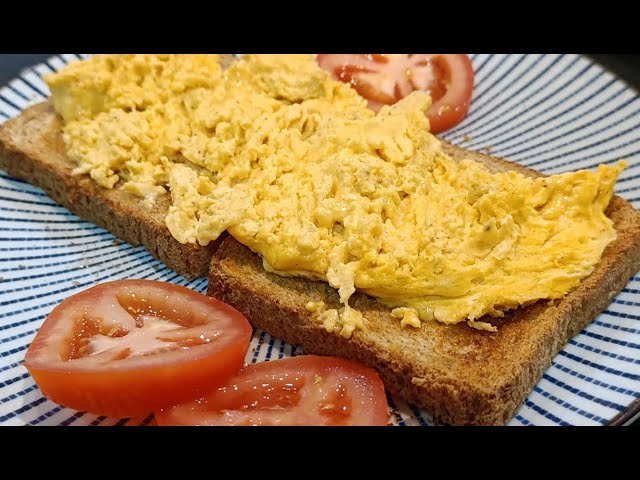
Credit: www.youtube.com
Serving Suggestions
Scrambled eggs taste great on their own. You can also add sides and toppings to make the meal complete. These ideas help you enjoy creamy scrambled eggs in many ways.
Try different serving options to match your mood or time of day. Here are some simple ideas to pair with creamy scrambled eggs.
Classic Toast And Bread
Serve scrambled eggs on toast or alongside fresh bread. Buttered toast or a warm bagel adds texture. You can spread cream cheese or avocado on the bread to add creaminess.
Fresh Vegetables And Herbs
Adding fresh vegetables or herbs brightens the dish. Try tomatoes, spinach, or sliced avocado. Sprinkle chopped chives or parsley for extra flavor.
- Sliced cherry tomatoes
- Fresh baby spinach
- Avocado slices
- Chopped chives or parsley
Cheese And Protein Pairings
| Cheese | Protein |
| Cheddar | Bacon |
| Feta | Smoked salmon |
| Goat cheese | Grilled sausage |
Cheese adds richness to scrambled eggs. Pair it with cooked meats for a hearty meal. Use mild or strong cheeses based on your taste.
Seasonings And Sauces
Add flavor with simple seasonings or sauces. Salt and pepper are basic but important. You can also try hot sauce, salsa, or a drizzle of olive oil.
- Salt and black pepper
- Hot sauce or chili flakes
- Fresh salsa
- Olive oil drizzle
Frequently Asked Questions
How Do You Make Scrambled Eggs Creamy?
To make scrambled eggs creamy, cook them slowly on low heat. Stir gently and add cream, milk, or butter. Avoid overcooking, as this makes eggs dry and rubbery.
What Ingredients Improve Scrambled Eggs’ Creaminess?
Use whole eggs, heavy cream, butter, or cheese. These ingredients add richness and smooth texture. Fresh eggs and seasoning enhance flavor and creaminess.
Can I Use Milk Instead Of Cream For Creamy Eggs?
Yes, milk can replace cream but yields lighter creaminess. Whole milk or half-and-half works best. Avoid skim milk, as it reduces richness.
How Long Should Scrambled Eggs Cook For Creaminess?
Cook eggs on low heat for 4-5 minutes. Stir frequently to prevent sticking and achieve soft, creamy curds. Remove eggs while slightly runny for best texture.
Conclusion
Creamy scrambled eggs bring comfort to any meal. Use low heat and stir slowly for softness. Adding a little milk or cream helps texture. Fresh eggs make a big difference in taste. Simple steps lead to delicious, smooth eggs every time.
Enjoy your creamy scrambled eggs with toast or veggies. Cooking eggs this way takes practice but is worth it. Try these tips tomorrow morning for a tasty start.