
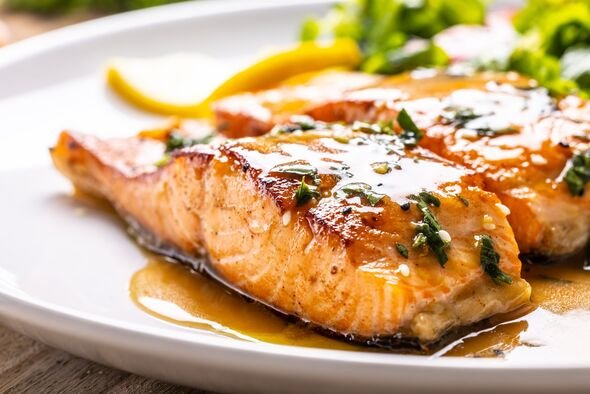
You want your salmon to be tender, juicy, and full of flavor every time you cook it. But sometimes, it turns out dry or tough, leaving you disappointed.
What if you could change that with simple techniques anyone can follow? In this post, you’ll discover easy steps to cook salmon that melts in your mouth. Keep reading, and your next salmon meal will be something you look forward to again and again.
Selecting The Right Salmon
Choosing the right salmon is important for a tender and tasty meal. Picking fresh and good-quality fish helps your dish turn out better.
Understanding the types of salmon and how to check freshness makes cooking easier. This guide explains what to look for.
Wild Vs. Farmed Salmon
Wild salmon lives in natural waters like oceans and rivers. Farmed salmon is raised in controlled environments like fish farms.
Wild salmon usually has a richer flavor and firmer texture. Farmed salmon can be softer and fattier, which some people prefer.
- Wild salmon: leaner, stronger flavor, firmer meat
- Farmed salmon: fattier, milder taste, softer texture
- Both types can be tender if cooked right
Freshness Indicators
Fresh salmon looks bright and moist. The flesh should be firm and bounce back when pressed.
Check the smell. Fresh salmon smells like clean water or the sea. Avoid fish with a strong fishy odor.
- Bright, clear eyes if whole fish
- Firm, springy flesh
- Shiny, moist skin and scales
- Light, fresh sea smell

Credit: www.yahoo.com
Preparing Salmon For Cooking
Cooking salmon tender starts with good preparation. How you handle the fish affects its texture and taste.
Two key steps are thawing the salmon properly and seasoning it well. These steps help keep the fish moist and flavorful.
Proper Thawing Techniques
Thaw salmon slowly to keep its texture soft. Avoid quick thawing methods that dry out the fish.
- Place frozen salmon in the fridge overnight.
- Keep the fish in a sealed bag to prevent water contact.
- If short on time, thaw in cold water for 30 minutes.
- Never thaw salmon at room temperature.
Seasoning Essentials
Use simple seasonings to enhance salmon’s natural flavor. Salt and pepper are the most basic choices.
| Seasoning | Purpose |
| Salt | Brings out natural flavors |
| Black Pepper | Adds mild heat and aroma |
| Lemon Juice | Brightens the taste |
| Dill or Parsley | Adds fresh herbal notes |
Cooking Methods For Tender Salmon
Cooking salmon so it stays tender can be simple. Using the right method helps keep it juicy and soft.
Each cooking style offers a different way to enjoy salmon’s flavor and texture. Try these methods for great results.
Pan-seared Perfection
Pan-searing salmon gives a crisp outside and tender inside. Use medium-high heat and a little oil to avoid sticking.
Cook the salmon skin-side down first. Press gently to keep it flat. Turn once when the edges look cooked.
Oven-baked Techniques
Baking salmon in the oven is easy and keeps it moist. Use moderate heat and cover with foil to trap steam.
- Preheat oven to 375°F (190°C).
- Place salmon on a baking sheet lined with parchment.
- Season lightly and add lemon slices on top.
- Cover loosely with foil for moisture.
- Bake for 12-15 minutes depending on thickness.
Grilling Tips For Juicy Salmon
Grilling adds a smoky flavor and keeps salmon juicy. Use a clean grill and oil the grates well to prevent sticking.
| Tip | Reason |
|---|---|
| Preheat grill to medium heat | Ensures even cooking without burning |
| Oil the grill grates | Prevents salmon from sticking |
| Cook skin-side down first | Keeps fish together and adds crispness |
| Turn salmon once | Maintains moisture and texture |
Poaching For Moisture Retention
Poaching uses gentle heat to keep salmon tender. Cook fish slowly in water, broth, or wine with herbs.
Keep the liquid just below boiling. Poach salmon for 10-15 minutes until it flakes easily with a fork.
Temperature And Timing Guidelines
Cooking salmon tender needs the right temperature and timing. These two factors help keep salmon moist and soft.
Follow clear temperature targets and cooking times for perfect salmon every time.
Internal Temperature Targets
Check salmon’s internal temperature to know when it is done. Use a food thermometer for accuracy.
The ideal internal temperature for tender salmon is 120°F to 125°F (49°C to 52°C). This keeps it soft and juicy.
- 120°F (49°C) for very tender, slightly rare salmon
- 125°F (52°C) for medium tenderness and fully cooked
- Avoid cooking above 130°F (54°C) to prevent dryness
Optimal Cooking Times
Cooking time depends on salmon thickness and cooking method. Use time as a guide but check temperature too.
Here are average cooking times for salmon fillets about 1 inch thick.
| Cooking Method | Time per Side | Total Time |
|---|---|---|
| Baking at 375°F (190°C) | — | 12-15 minutes |
| Pan-Searing | 3-4 minutes | 6-8 minutes |
| Grilling | 3-4 minutes | 6-8 minutes |
Serving Suggestions And Pairings
Salmon is a versatile fish that pairs well with many sides and drinks. Choosing the right accompaniments enhances its tender texture and rich flavor.
Below are ideas for side dishes and wines that complement cooked salmon beautifully. These choices create balanced and enjoyable meals.
Complementary Side Dishes
Simple, fresh sides bring out the best in salmon. Use vegetables, grains, or light salads to balance the meal.
- Steamed asparagus with a squeeze of lemon
- Garlic mashed potatoes for a creamy touch
- Quinoa salad with cherry tomatoes and herbs
- Roasted Brussels sprouts with olive oil and sea salt
- Light cucumber and dill yogurt sauce
Ideal Wine Pairings
Choosing the right wine adds depth to the salmon experience. White and light red wines often work best.
| Wine Type | Taste Notes | Why It Works |
| Sauvignon Blanc | Crisp and citrusy | Bright acidity complements salmon’s richness |
| Chardonnay | Buttery and oaky | Matches tender texture and adds depth |
| Pinot Noir | Light and fruity | Soft tannins pair well with the fish’s flavor |
| Rosé | Fresh and dry | Offers a refreshing contrast to salmon |

Credit: www.youtube.com
Common Mistakes To Avoid
Cooking salmon can be simple, but some mistakes make it tough or bland. Knowing what to avoid helps keep your salmon tender and tasty.
Below are two common errors that affect the texture and flavor of salmon. Avoid these to enjoy a perfect meal.
Overcooking Issues
Salmon cooks quickly and can become dry if left on heat too long. Overcooking makes the fish tough and less flavorful.
Check the salmon often and remove it from heat as soon as it flakes easily with a fork. Use a timer or thermometer to avoid guessing.
- Cook salmon until it reaches 125°F (52°C) for medium-rare
- Remove from heat when the center is slightly translucent
- Let salmon rest for a few minutes before serving
Seasoning Errors
Using too little or too much seasoning can ruin salmon’s natural taste. Under-seasoned salmon is bland, and over-seasoned salmon tastes salty or spicy.
Season the fish evenly and lightly to enhance its flavor without overpowering it. Simple salt, pepper, and lemon work well for most recipes.
- Sprinkle salt and pepper just before cooking
- Avoid heavy sauces that cover the fish’s flavor
- Use fresh herbs or a squeeze of lemon for brightness

Credit: www.acouplecooks.com
Frequently Asked Questions
How Long Should I Cook Salmon For Tenderness?
Cook salmon for 10-15 minutes depending on thickness. Use medium heat and check for flakiness. Avoid overcooking to keep it tender and moist.
What Temperature Ensures Tender Cooked Salmon?
Cook salmon at 125°F to 130°F for tender, juicy results. Use a food thermometer to avoid dryness and overcooking. This temperature preserves moisture and delicate texture.
Does Marinating Help Make Salmon Tender?
Yes, marinating salmon for 15-30 minutes enhances tenderness and flavor. Use acidic ingredients like lemon juice or vinegar to break down proteins. This process keeps salmon moist during cooking.
Is Skin-on Salmon Better For Tenderness?
Skin-on salmon retains moisture and cooks more evenly. The skin protects the flesh from direct heat, helping keep it tender and juicy. It also adds flavor and texture.
Conclusion
Cooking salmon tender takes a little care and patience. Use gentle heat and avoid overcooking. Fresh salmon and simple seasoning make a big difference. Rest the fish after cooking to keep it juicy. Try different methods like baking, poaching, or pan-searing.
Each way brings out a soft, flaky texture. Enjoy your salmon with a squeeze of lemon or herbs. Easy steps can make your meals tastier and healthier. Keep practicing to find your favorite way to cook salmon. Tender salmon is always worth the effort.