
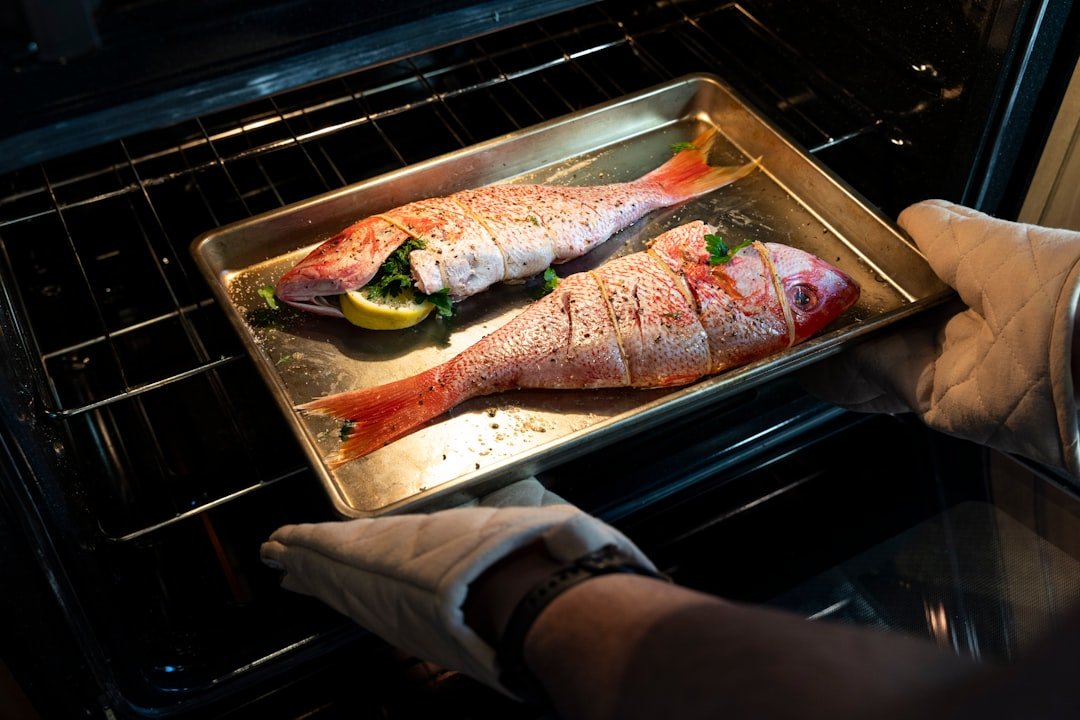
Are you looking for a simple way to cook delicious salmon that’s juicy, tender, and full of flavor? Cooking salmon in the oven is one of the easiest methods you can master, even if you’re new to cooking fish.
Imagine pulling a perfectly baked salmon out of the oven that tastes like it’s from a restaurant—but made by you. You’ll discover step-by-step tips to get it just right every time. Keep reading, and soon you’ll impress yourself and everyone at your table with your new cooking skill.

Credit: www.tasteofhome.com
Choosing The Right Salmon
Picking the best salmon affects how your dish tastes. The type of salmon you choose can change the flavor and texture.
Learn the differences between fresh and frozen salmon. Also, find out how wild-caught and farm-raised salmon compare.
Fresh Vs. Frozen
Fresh salmon is soft and moist. It usually has a mild smell of the sea. Frozen salmon can be just as good if handled well.
- Fresh salmon needs to be cooked soon after buying.
- Frozen salmon lasts longer in the freezer.
- Frozen fish may lose some texture but keeps flavor.
- Look for salmon with no freezer burn or ice crystals.
Wild-caught Vs. Farm-raised
Wild-caught salmon comes from natural waters like oceans and rivers. Farm-raised salmon is grown in pens or tanks.
| Type | Flavor | Texture | Price |
|---|---|---|---|
| Wild-Caught | Rich, strong | Firm | Higher |
| Farm-Raised | Mild, buttery | Soft | Lower |
Preparing Salmon For Baking
Cooking salmon in the oven starts with proper preparation. This step helps the fish cook evenly and taste better.
Preparing salmon includes cleaning, removing bones, and adding flavors. Each part is important for a delicious meal.
Cleaning And Deboning
Cleaning the salmon removes any scales and impurities. Deboning ensures you do not bite into small bones while eating.
- Rinse the salmon under cold water to wash off dirt.
- Pat the fish dry with paper towels to remove moisture.
- Check for scales and gently scrape them off with a knife.
- Use fish tweezers to pull out any pin bones you find.
- Inspect the fish again to make sure all bones are removed.
Seasoning Options
Seasoning adds flavor and enhances the natural taste of salmon. Use simple ingredients to keep it fresh and tasty.
| Seasoning | Description | Pairing Suggestion |
| Lemon and Dill | Fresh lemon juice with chopped dill gives a light, tangy flavor. | Serve with steamed vegetables. |
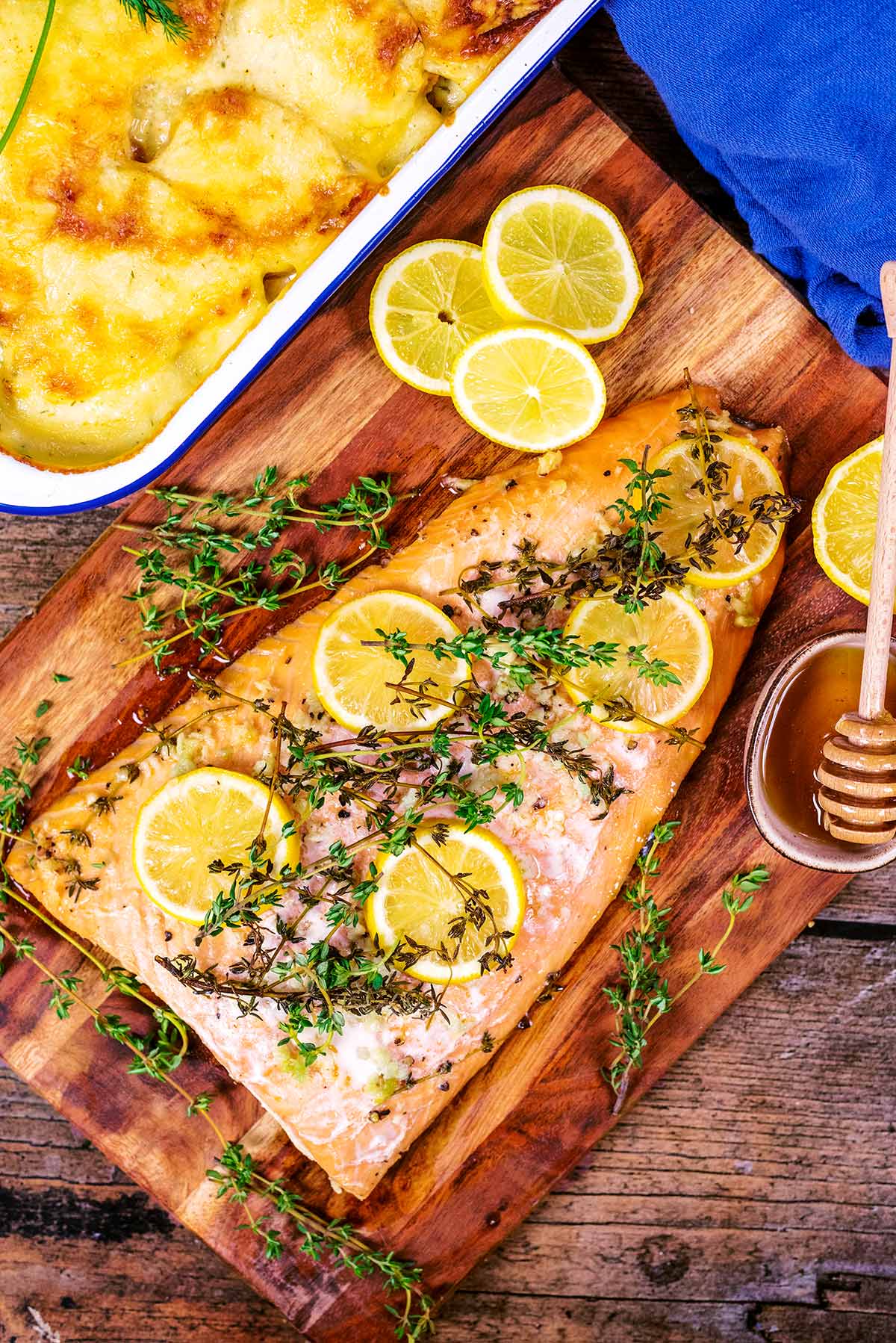
| Garlic and Herb | Minced garlic mixed with herbs like parsley or thyme adds a savory touch. | Good with roasted potatoes. |
| Honey and Mustard | A sweet and spicy mix that caramelizes in the oven. | Pairs well with a green salad. |
| Simple Salt and Pepper | A classic way to enhance the salmon’s natural taste without overpowering it. | Works with any side dish. |
Selecting The Perfect Baking Dish
Choosing the right baking dish helps cook salmon evenly. It also keeps the fish moist and tasty.
The dish should fit the size of the salmon and your oven. It must be safe for baking and easy to clean.
Types Of Dishes
Many dishes work well for baking salmon. Each type has benefits for cooking and cleaning.
- Glass baking dishes:Heat evenly and let you see the food while cooking.
- Ceramic dishes:Retain heat well and add a nice look to your table.
- Metal pans:Heat up quickly and give a nice crisp to the salmon edges.
- Cast iron skillets:Hold heat evenly and add a grilled flavor.
Choose a dish that fits your style and cooking needs. Non-stick surfaces can make cleanup easier.
Choosing The Right Size
Pick a baking dish that fits the salmon without crowding it. This helps the fish cook evenly.
If the dish is too small, the salmon may not cook well. If too big, the fish can dry out.
- For one or two fillets, an 8×8 inch dish works well.
- For larger pieces or whole salmon, use a 9×13 inch dish.
- Make sure the dish fits inside your oven comfortably.
Setting The Ideal Oven Temperature
Cooking salmon in the oven requires the right temperature. The ideal heat helps the fish cook evenly and stay moist.
Setting the oven temperature correctly is key to a delicious result. Too hot or too cold can affect taste and texture.
Temperature Guidelines
The best oven temperature for salmon is usually between 350°F and 425°F (175°C to 220°C). The exact heat depends on how you want the fish cooked.
- At 350°F (175°C), the salmon cooks gently and stays tender.
- At 400°F (200°C), the fish cooks faster with a slightly crispy outside.
- At 425°F (220°C), you get a quick roast with a golden crust.
Adjusting For Different Thicknesses
Salmon thickness affects cooking time and temperature choice. Thicker pieces need more careful heat control to cook through without drying.
| Thickness of Salmon | Oven Temperature | Approximate Cooking Time |
| Up to 1 inch (2.5 cm) | 400°F (200°C) | 10 to 12 minutes |
| 1 to 2 inches (2.5 to 5 cm) | 375°F (190°C) | 15 to 18 minutes |
| Over 2 inches (5 cm) | 350°F (175°C) | 20 to 25 minutes |
Baking Techniques
Baking salmon in the oven is a simple way to cook it evenly. It keeps the fish moist and tender.
Two popular baking techniques are foil-wrapped and open-baked. Each method gives a different texture and flavor.
Foil-wrapped Method
Wrap the salmon in foil before baking. This traps steam and keeps the fish juicy.
Add herbs, lemon slices, and a little oil inside the foil to boost flavor. Seal the foil tightly.
- Preheat oven to 375°F (190°C)
- Place salmon on a large piece of foil
- Add seasonings and lemon slices
- Seal the foil to create a packet
- Bake for 15-20 minutes depending on thickness
Open-baked Method
Place the salmon on a baking sheet without covering it. This helps the top brown slightly.
Brush the fish with oil or butter to keep it from drying out. Add seasoning or marinade if you like.
- Preheat oven to 400°F (205°C)
- Line a baking sheet with parchment paper
- Place salmon skin-side down on the sheet
- Brush with oil or melted butter
- Bake for 12-15 minutes until cooked through
Flavor Enhancements
Cooking salmon in the oven is simple and tasty. Adding flavors makes it even better.
Using herbs, spices, citrus, and marinades can bring out the best taste in your salmon.
Herbs And Spices
Fresh herbs add a natural, bright flavor to salmon. Dill, parsley, and thyme work well.
Spices like paprika, garlic powder, and black pepper give warmth and depth to the fish.
- Dill pairs nicely with lemon and butter
- Parsley adds a fresh, clean taste
- Thyme brings earthiness and aroma
- Paprika adds smoky or sweet flavor
- Garlic powder gives a mild pungent touch
- Black pepper adds gentle heat
Citrus And Marinades
Citrus fruits brighten salmon with fresh acidity. Lemon, lime, and orange are great choices.
Marinades help the flavors soak into the fish. They keep salmon moist and tasty while baking.
- Lemon juice adds tang and freshness
- Lime juice gives a sharp, zesty note
- Orange juice adds sweetness and aroma
- Simple marinades use olive oil, garlic, and herbs
- Soy sauce or honey can add savory or sweet hints
- Marinate for 15 to 30 minutes before baking
Checking For Doneness
Cooking salmon in the oven is easy, but checking if it is done is important. Overcooked salmon can be dry and tough. Undercooked salmon may not taste good or be safe to eat.
There are simple ways to check salmon doneness. You can look at how it looks or use a thermometer. Both methods help you cook salmon perfectly every time.
Visual Cues
One way to check if salmon is done is by looking at its color and texture. Salmon changes as it cooks. It becomes lighter and flakes easily.
Look for these signs to know if your salmon is cooked:
- The flesh turns from translucent to opaque
- The salmon flakes apart easily with a fork
- The surface looks slightly browned or crisp
- Juices run clear, not pink or red
Using A Thermometer
A food thermometer is the most accurate way to check salmon doneness. It tells you the exact temperature inside the fish.
Insert the thermometer into the thickest part of the salmon. The safe temperature for cooked salmon is 145°F (63°C). At this temperature, the salmon is fully cooked and safe to eat.
- Insert thermometer gently into thickest part
- Wait for the reading to stabilize
- Look for 145°F (63°C) to ensure doneness
Serving Suggestions
Cooking salmon in the oven is simple and healthy. It tastes great with the right sides and sauces. These ideas will help you serve a delicious meal.
Choose side dishes and sauces that match the mild, rich flavor of salmon. This will make your meal balanced and enjoyable.
Side Dishes
Pick sides that add color and texture. Fresh vegetables, grains, and salads work well with oven-baked salmon.
- Steamed asparagus with lemon zest
- Roasted baby potatoes with herbs
- Quinoa salad with cucumber and tomatoes
- Garlic sautéed spinach
- Carrot and beetroot slaw
Sauce Pairings
Sauces bring out the best taste in salmon. Creamy, tangy, or fresh sauces are good choices. Here is a simple table with popular sauce options.
| Sauce | Flavor | Best Use |
|---|---|---|
| Dill Yogurt Sauce | Fresh and creamy | Cold, on top or on the side |
| Lemon Butter Sauce | Rich and tangy | Poured warm over salmon |
| Honey Mustard Glaze | Sweet and spicy | Brushed before baking |
| Avocado Salsa | Fresh and zesty | Served cold with salmon |
Storing Leftovers
Cooking salmon in the oven can leave you with tasty leftovers. Storing them right keeps the fish fresh and safe to eat later.
Follow simple tips to keep your salmon leftovers fresh and easy to reheat without losing flavor.
Refrigeration Tips
Store leftover salmon in an airtight container. This stops air and moisture from spoiling it. Keep the container in the coldest part of your fridge.
- Cool salmon to room temperature before storing
- Use airtight containers or wrap tightly in plastic wrap
- Label with the date to track freshness
- Keep in the fridge for up to 3 days
- Do not freeze cooked salmon more than once
Reheating Techniques
Reheat salmon gently to keep it moist and tasty. Use low heat and avoid overheating, which can dry out the fish.
| Method | Instructions | Time |
|---|---|---|
| Oven | Preheat to 275°F (135°C). Place salmon on a baking sheet. Cover with foil. | 15 minutes |
| Microwave | Place salmon on a microwave-safe plate. Cover loosely. Heat at 50% power. | 1-2 minutes |
| Stovetop | Heat a pan on low. Add a small amount of oil. Warm salmon gently, turning once. | 5 minutes |
Credit: hungryhealthyhappy.com

Credit: www.adventurekitchen.com
Frequently Asked Questions
How Long To Bake Salmon In The Oven?
Bake salmon at 375°F (190°C) for 12-15 minutes. Cooking time depends on thickness. Salmon is done when it flakes easily with a fork.
What Temperature Is Best For Oven-cooked Salmon?
Set oven temperature between 375°F and 400°F. This range ensures even cooking and moist, tender salmon without drying it out.
Should I Cover Salmon While Baking?
Covering salmon with foil helps retain moisture and prevents drying. It’s optional but recommended for juicier results, especially with lean fillets.
How To Season Salmon Before Oven Cooking?
Use salt, pepper, lemon juice, and herbs like dill or thyme. Light seasoning enhances natural flavor without overpowering the salmon’s taste.
Conclusion
Cooking salmon in the oven is simple and quick. It keeps the fish juicy and full of flavor. You only need a few ingredients and a good recipe. Try different seasonings to find your favorite taste. Oven cooking makes dinner healthy and easy.
Enjoy your meal fresh and warm every time. Give it a try and see how tasty salmon can be. Cooking at home saves money and feels rewarding. No stress, just great food on your plate.