
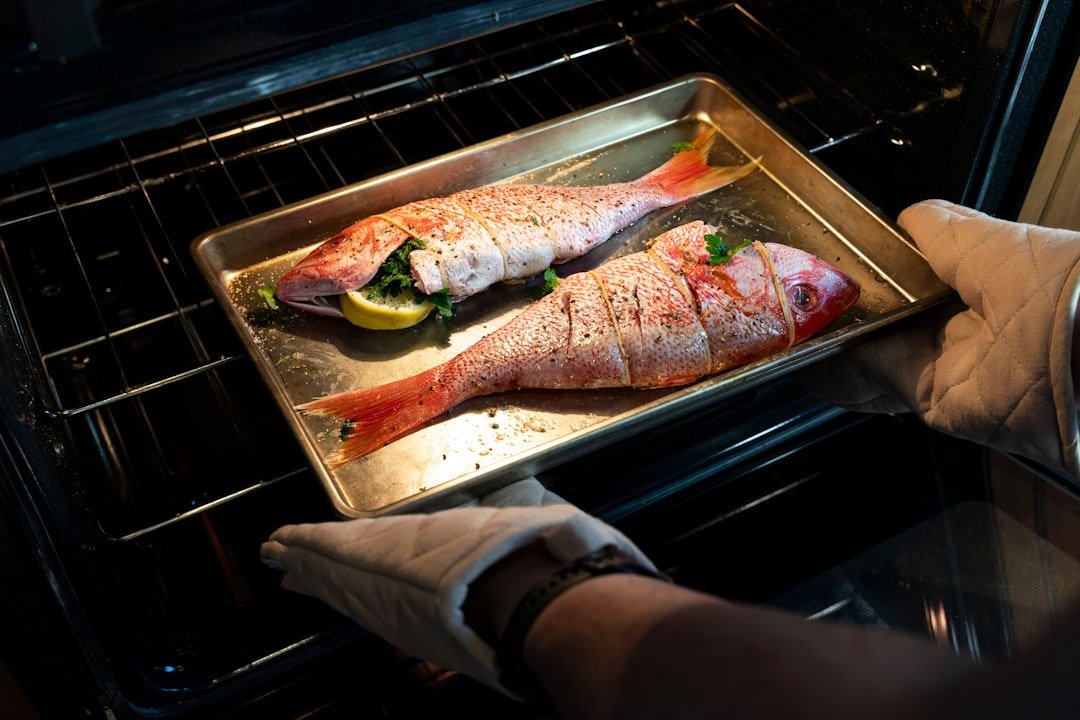
Cooking salmon evenly in the oven can be tricky, but you don’t have to worry anymore. Imagine biting into a perfectly cooked piece of salmon—tender, juicy, and full of flavor from edge to edge.
You deserve that kind of meal every time you cook. In this post, you’ll discover simple tips and tricks to make sure your salmon is cooked just right, without dry spots or underdone centers. Ready to impress yourself and anyone you’re cooking for?
Let’s dive in and unlock the secrets to perfectly even salmon every time.
Choosing The Right Salmon
Picking the right salmon is key to cooking it evenly in the oven. The type and quality affect how it cooks and tastes.
Learning about salmon types and whether to use fresh or frozen helps you make a better choice for your meal.
Types Of Salmon
There are several salmon types, each with unique flavor and texture. Knowing these helps you pick what fits your recipe.
- King (Chinook) – Rich and fatty, great for grilling and baking.
- Sockeye – Deep red color, strong flavor, firm texture.
- Coho – Mild taste, good for baking and broiling.
- Keta (Chum) – Leaner, lighter taste, ideal for smoking.
- Pink – Light flavor, often used for canned or smoked salmon.
Fresh Vs. Frozen
Choosing between fresh and frozen salmon affects cooking time and texture. Both have pros and cons.
| Type | Advantages | Considerations |
| Fresh | Better texture and flavor when very fresh | Short shelf life, must use quickly |
| Frozen | Available year-round, less waste | Needs proper thawing to keep texture |

Credit: www.mediterraneandietmealplans.com
Preparing The Salmon
Cooking salmon evenly in the oven starts with good preparation. Proper handling helps the fish cook well and taste great.
Focus on thawing, removing bones and skin, and seasoning. These steps improve the texture and flavor of your salmon.
Thawing Techniques
Thaw frozen salmon slowly to keep it fresh and safe. Avoid thawing at room temperature to prevent bacteria growth.
The best way is to thaw salmon in the fridge overnight. This keeps the fish cold while it thaws evenly.
- Place salmon in a sealed bag to stop leaks.
- Set the bag on a plate in the fridge.
- Allow 8 to 12 hours for full thawing.
- Cook immediately after thawing for best results.
Removing Bones And Skin
Remove bones to make the salmon easier to eat. Use fish tweezers or pliers to pull out small pin bones.
Decide if you want to cook with skin on or off. Skin helps keep the fish moist during cooking.
- Run your fingers over the fish to find pin bones.
- Pull bones out gently with tweezers.
- Use a sharp knife to remove skin if desired.
- Cut skin off by sliding the knife between skin and flesh.
Seasoning Tips
Season salmon simply to let its flavor shine. Salt and pepper work well for a clean taste.
Add herbs or spices for extra flavor. Use lemon, dill, garlic, or paprika to enhance the fish.
- Pat salmon dry before seasoning.
- Sprinkle salt and pepper evenly.
- Add fresh herbs like dill or parsley.
- Use lemon juice or zest for brightness.
- Lightly brush olive oil to help seasonings stick.
Setting Up The Oven
Cooking salmon evenly in the oven starts with proper oven setup. The right temperature and equipment help the fish cook well. This guide covers how to set the temperature and use baking sheets and racks correctly.
Paying attention to these details ensures your salmon cooks through without burning or drying out. Let’s look at the key points for an even cook.
Temperature Settings
Set your oven temperature between 350°F and 400°F. This range cooks salmon evenly and keeps it moist. Avoid very high temperatures that can burn the outside before the inside cooks.
- Preheat the oven fully before placing the salmon inside.
- Use an oven thermometer to check the real temperature.
- Lower temperatures give a gentle cook and better control.
- Higher temperatures cook faster but need close monitoring.
Using Baking Sheets And Racks
Choosing the right baking sheet and rack helps heat flow evenly around the salmon. This prevents soggy bottoms and uneven cooking.
| Equipment | Benefits | Tips |
|---|---|---|
| Baking Sheet | Holds salmon and catches drips | Line with parchment paper for easy cleanup |
| Wire Rack | Allows air circulation under the fish | Place on baking sheet to catch drips |
| Foil | Helps keep moisture in | Wrap salmon loosely to avoid steaming |

Credit: www.hungryhuy.com
Cooking Techniques
Cooking salmon evenly in the oven ensures a tender and flavorful meal. Using the right technique helps avoid dry edges and raw centers.
Two popular ways to cook salmon are foil wrapping and open baking. Both methods keep the fish moist but use different heat and steam levels.
Foil Wrapping Method
This method seals the salmon in foil to trap moisture and heat. It gently steams the fish for even cooking.
- Place the salmon on a large piece of foil.
- Season with salt, pepper, and herbs.
- Add a slice of lemon or a drizzle of olive oil.
- Fold the foil tightly around the salmon to form a packet.
- Bake in a preheated oven at 375°F (190°C) for 15-20 minutes.
- Check for doneness by seeing if the salmon flakes easily with a fork.
Open Baking Method
Open baking cooks the salmon uncovered. This method helps create a slight crust on top while keeping the inside moist.
| Temperature | Time | Tip |
| 400°F (205°C) | 12-15 minutes | Use skin-on fillets for crispier texture |
| 350°F (175°C) | 18-20 minutes | Cover loosely with foil if salmon dries too fast |
Checking For Doneness
Cooking salmon evenly in the oven requires checking if it is done. This step ensures the fish is safe and tasty. Two main ways help you check doneness: using a thermometer and watching visual cues.
Both methods work well. You can choose one or use both to make sure your salmon is cooked just right.
Using A Thermometer
A food thermometer is the most accurate way to check salmon doneness. Insert it into the thickest part of the fish. The salmon is done when it reaches a safe temperature.
- Insert the thermometer gently to avoid touching the pan.
- The safe internal temperature for salmon is 145°F (63°C).
- Remove salmon from the oven once it hits this temperature.
- Let it rest for a few minutes before serving.
Visual Cues
You can also check salmon by how it looks and feels. These signs show if your salmon is cooked evenly and ready to eat.
| Visual Cue | What It Means |
| Color change | The flesh turns from translucent to opaque |
| Flakes easily | The fish separates easily with a fork |
| Firm texture | The salmon feels firm but not dry |
| Juices run clear | Clear juices appear when gently pressed |
Serving Suggestions
Cooking salmon evenly in the oven makes it taste great and look nice. Serving it well brings out its best flavors.
Choosing the right sides, sauces, and garnishes helps create a balanced meal that everyone will enjoy.
Pairing With Sides
Salmon pairs well with many simple sides. Light vegetables and grains keep the meal fresh and healthy.
Try to choose sides that add color and texture to your plate for a more appealing meal.
- Steamed asparagus or green beans
- Roasted potatoes or sweet potatoes
- Quinoa or brown rice
- Fresh salad with lemon dressing
- Sauteed spinach or kale
Sauce And Garnish Ideas
Sauces add flavor and moisture to baked salmon. Choose sauces that complement its rich taste.
Garnishes add color and a fresh taste to your dish. Simple herbs and citrus work very well.
- Lemon butter sauce
- Dill yogurt sauce
- Honey mustard glaze
- Chopped fresh parsley or dill
- Thin lemon or lime slices
- Capers for a salty kick
Troubleshooting Common Issues
Cooking salmon evenly in the oven can be tricky. Many people face problems like overcooking or dryness.
Knowing how to fix these issues helps you get tasty, moist salmon every time.
Avoiding Overcooking
Overcooked salmon becomes tough and loses its flavor. It is important to watch cooking time and temperature closely.
Use a thermometer to check the salmon’s internal temperature. It should reach 125°F (52°C) for medium doneness.
- Preheat the oven to 375°F (190°C) for even cooking.
- Cook salmon for 10-15 minutes depending on thickness.
- Remove salmon from oven once it flakes easily with a fork.
- Let salmon rest for a few minutes before serving.
Preventing Dryness
Dry salmon is less enjoyable to eat. Moisture stays inside when you cook it gently.
Cover the salmon with foil or use a marinade to keep it juicy during baking.
- Brush salmon with olive oil or melted butter before baking.
- Place lemon slices or herbs on top to add moisture.
- Do not cook salmon too long; check early to keep it moist.
- Use a baking dish with a lid or wrap salmon in foil.

Credit: tastefullygrace.com
Frequently Asked Questions
How Do I Prevent Salmon From Drying Out In Oven?
To keep salmon moist, bake it at 375°F and avoid overcooking. Use foil or parchment paper to seal moisture. Check doneness at 12-15 minutes for even cooking and tender texture.
What Temperature Is Best For Cooking Salmon Evenly?
A moderate oven temperature of 375°F (190°C) ensures even cooking. High heat can cook edges faster, causing dryness. This temp balances thorough cooking and retains salmon’s natural moisture and flavor.
Should I Use Foil When Baking Salmon?
Yes, wrapping salmon in foil helps trap steam, cooking it evenly. It prevents drying and keeps flavors intact. Foil also simplifies cleanup and allows gentle heat distribution for perfect texture.
How Long Should I Bake Salmon For Even Cooking?
Bake salmon for 12-15 minutes at 375°F. Timing depends on thickness; thicker fillets need slightly more time. Check for opaque flesh and flakes that separate easily for ideal doneness.
Conclusion
Cooking salmon evenly in the oven is simple with the right steps. Preheat the oven and use a baking sheet for even heat. Keep the salmon pieces similar in size for uniform cooking. Check the salmon often to avoid overcooking.
Use a fork to test if it flakes easily. Rest the fish a few minutes before serving. These tips help you enjoy tender, juicy salmon every time. Practice makes perfect, so don’t be afraid to try again. Enjoy your delicious, healthy meal with confidence.