
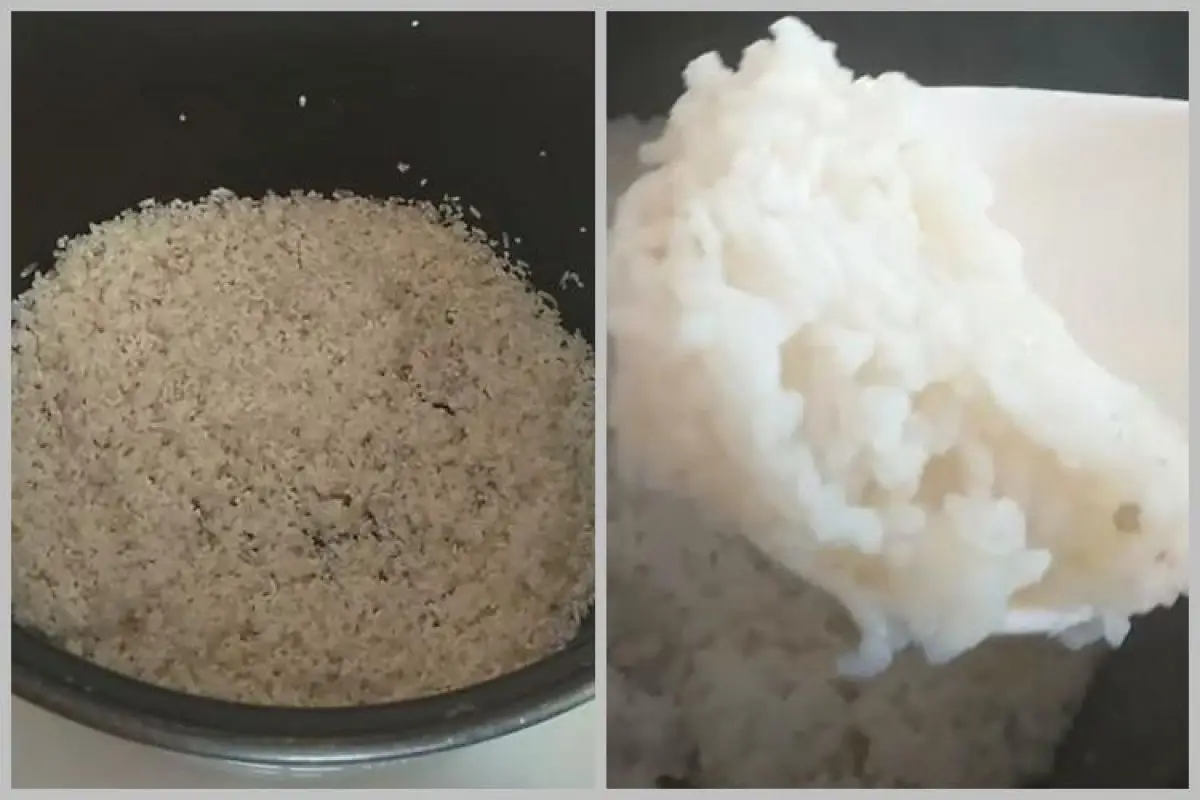
Are you tired of ending up with sticky, clumpy rice every time you cook? You’re not alone.
Perfect, fluffy rice can be tricky, but once you master a few simple steps, you’ll never struggle again. Imagine serving rice that’s light, separate, and just right every single time. You’ll discover easy, practical tips that will change how you cook rice forever.
Keep reading, and say goodbye to sticky rice for good.
Choosing The Right Rice
Choosing the right rice helps you cook rice without sticking. Different rice types behave differently when cooked.
Knowing about rice types and quality can improve your cooking results and texture.
Types Of Rice
Rice types vary by grain size and starch content. This affects how sticky or fluffy the rice will be.
- Long Grain:These grains are slim and stay separate when cooked. Examples include basmati and jasmine.
- Medium Grain:These grains are shorter and slightly stickier than long grain.
- Short Grain:These are almost round and very sticky when cooked. Used in sushi and risotto.
Quality Considerations
Good quality rice cooks better and sticks less. Check for freshness and storage conditions.
| Quality Factor | What to Look For | Effect on Cooking |
|---|---|---|
| Freshness | Buy rice that is recently packaged | Fresher rice cooks evenly and less sticky |
| Moisture Content | Rice should be dry and free of clumps | Dry rice absorbs water better and stays separate |
| Storage | Keep rice in a cool, dry place | Proper storage prevents mold and spoilage |

Credit: laurenfromscratch.com
Rinsing And Soaking
Cooking rice without it sticking takes some care. Two key steps are rinsing and soaking. These help remove excess starch and improve texture.
Understanding these steps can make your rice fluffier and less sticky. Let’s explore why rinsing and soaking matter.
Importance Of Rinsing
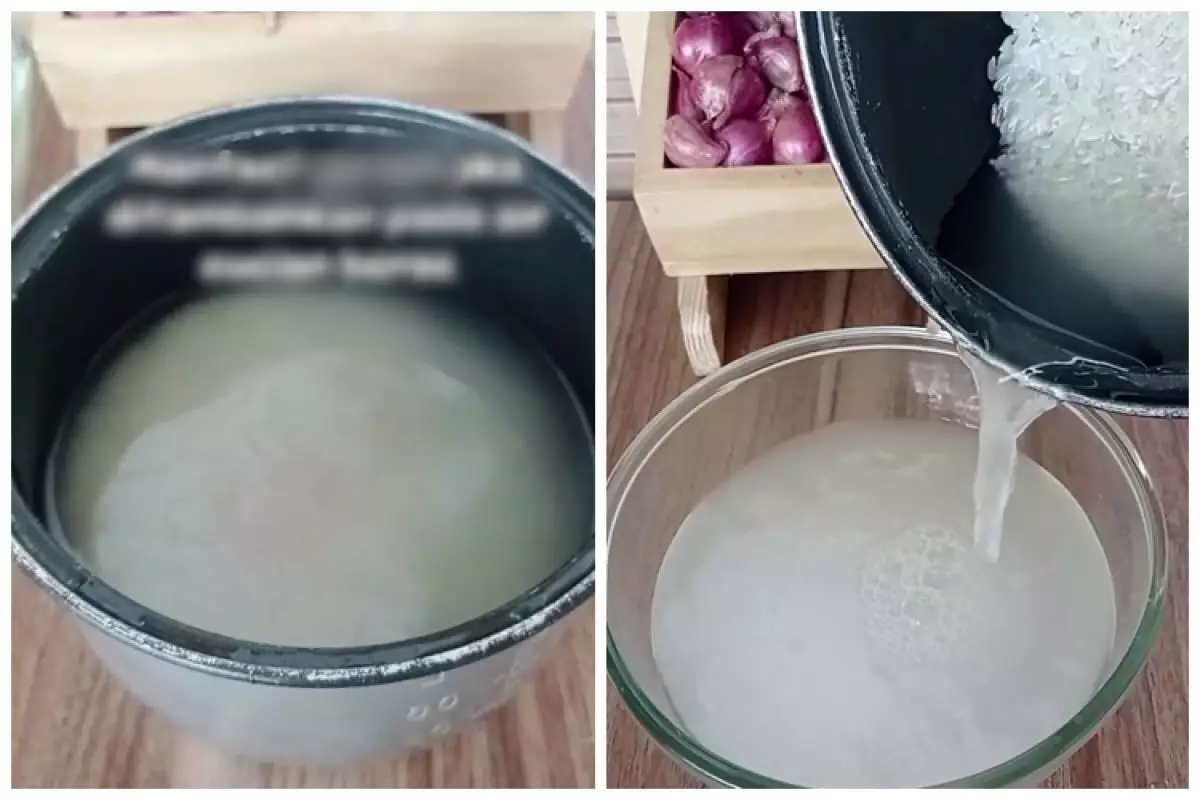
Rinsing rice removes surface starch that causes clumping. It also cleans dust and debris from the grains.
- Use cold water to rinse the rice.
- Swirl the rice gently with your hand.
- Drain the cloudy water and repeat 2-3 times.
- Stop when the water runs clear.
Soaking Techniques
Soaking rice allows grains to absorb water before cooking. This helps them cook evenly and reduces cooking time.
| Soaking Time | Effect |
|---|---|
| 15-30 minutes | Softens grains for tender texture |
| 1 hour or more | Reduces cooking time by up to 20% |
| No soaking | May cause uneven cooking and stickiness |
Optimal Water Ratio
Cooking rice without sticking depends a lot on the water ratio. Using the right amount of water makes the rice cook evenly.
Too much water makes the rice mushy and sticky. Too little water leaves it dry and hard.
Standard Water Measurements
The basic water ratio for most white rice is one cup of rice to two cups of water. This ratio helps the rice cook fully without sticking.
You can use a bit less water if you want firmer rice or a little more for softer rice.
- 1 cup white rice : 2 cups water
- 1 cup brown rice : 2.5 cups water
- 1 cup jasmine rice : 1.5 cups water
- 1 cup basmati rice : 1.5 cups water
Adjusting For Different Rice Types
Different rice types need different water amounts. Brown rice needs more water than white rice because it has more layers.
Sticky rice uses less water to keep its texture. Long grain rice like basmati needs less water for fluffy results.
| Rice Type | Water Ratio (Rice : Water) | Note |
|---|---|---|
| White Rice | 1 : 2 | Standard and easy to cook |
| Brown Rice | 1 : 2.5 | Needs more water and longer cooking |
| Jasmine Rice | 1 : 1.5 | Softer and aromatic |
| Basmati Rice | 1 : 1.5 | Fluffy with separated grains |
| Sticky Rice | 1 : 1 | Less water for sticky texture |
Cooking Methods
Cooking rice without sticking requires the right method. Different cooking styles affect texture and ease of cooking.
Try these simple methods to get fluffy, separate grains every time you cook rice.
Stovetop Techniques
Using the stovetop is the most common way to cook rice. Rinsing rice before cooking removes extra starch that causes stickiness.
- Rinse rice in cold water until water runs clear.
- Use a pot with a tight-fitting lid to trap steam.
- Add the right amount of water, usually 1.5 to 2 cups per cup of rice.
- Bring water to a boil, then reduce heat to low and cover the pot.
- Cook for 15 to 20 minutes without lifting the lid.
- Let rice rest off heat for 5 minutes before fluffing with a fork.
Rice Cooker Advantages
Rice cookers make cooking rice easy and consistent. They control the heat and cooking time automatically.
| Feature | Benefit |
| Auto shut-off | Prevents overcooking and burning |
| Keep warm function | Keeps rice warm without drying out |
| Consistent temperature | Produces evenly cooked rice |
| Easy cleanup | Non-stick inner pot is simple to wash |
Microwave Method
Microwaving rice is quick and convenient. Use a microwave-safe bowl with a lid or plate to cover.
Follow these steps for microwave rice:
- Rinse 1 cup of rice under cold water.
- Place rice in a microwave-safe bowl and add 2 cups of water.
- Cover the bowl with a microwave-safe lid or plate.
- Microwave on high for 10 minutes.
- Let the rice sit covered for 5 minutes after cooking.
- Fluff rice gently with a fork before serving.
Avoiding Sticking
Cooking rice without it sticking can make your meals better. Stuck rice is hard to serve and does not taste good.
There are simple ways to keep rice grains separate and fluffy. Following these tips helps you cook perfect rice every time.
Preventive Measures
Rinse the rice before cooking. This removes extra starch that makes rice sticky. Use cold water and rinse until water runs clear.
Use the right water-to-rice ratio. Too much water makes rice mushy and sticky. Follow the package instructions for best results.
- Rinse rice 2-3 times with cold water
- Use a tight lid to trap steam
- Cook rice on low heat after boiling
- Let rice rest covered after cooking
Using Oil Or Butter
Add a small amount of oil or butter to the cooking water. This coats the rice grains and stops them from sticking together.
Stir the rice gently after adding oil or butter. This spreads the fat evenly and helps keep the rice fluffy and separate.
- Use 1 teaspoon of oil or butter per cup of rice
- Add oil or butter before cooking starts
- Mix rice gently after cooking
Credit: en.brilio.net
Fluffing And Serving
Cooking rice without it sticking is only half the task. Fluffing and serving are key to keeping rice light and tasty. Proper fluffing separates grains and improves texture.
Serving rice well makes your meal more enjoyable. Simple tips can help you present rice in a pleasing way.
Proper Fluffing Techniques
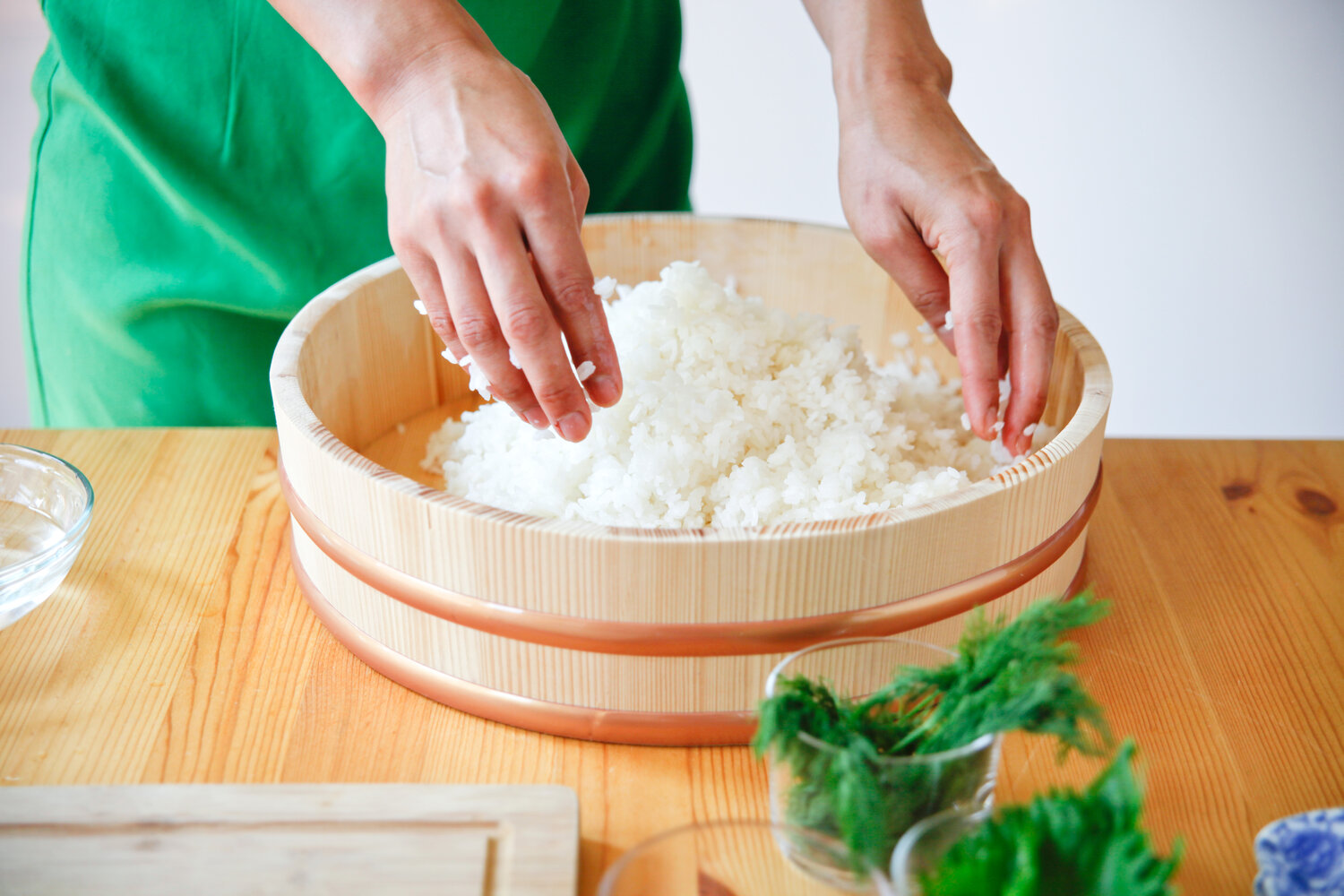
Fluffing rice gently after cooking stops it from clumping. Use a fork or a rice paddle to do this carefully.
- Wait 5 to 10 minutes after cooking before fluffing.
- Use a fork to lift and separate the grains.
- Move the rice lightly from the edges to the center.
- Avoid stirring too hard to keep grains whole.
- Fluff in small sections for even texture.
Serving Suggestions
Rice goes well with many dishes and can be served in different ways. Presentation matters as it makes the food more inviting.
| Serving Style | Description | Best For |
|---|---|---|
| Fluffed in Bowl | Lightly fluffed rice served in a wide bowl. | Family meals, casual dinners |
| Molded Shape | Rice packed into a mold or cup, then inverted. | Formal meals, special occasions |
| Mixed with Herbs | Rice mixed with fresh herbs before serving. | Side dishes, healthy meals |
| Layered in Plates | Rice layered with sauces or vegetables. | Bento boxes, creative plating |
Troubleshooting Common Issues
Cooking rice without it sticking can be tricky. Sometimes rice turns out too soft or too hard.
Knowing how to fix these problems helps you save your meal and improve your cooking skills.
Handling Overcooked Rice
Overcooked rice becomes mushy and sticky. It loses its shape and texture. This happens if you use too much water or cook it too long.
You can fix overcooked rice by drying it out. Spread the rice on a baking sheet and place it in a low oven for a few minutes. Stir it gently to let steam escape.
- Use a low oven temperature around 250°F (120°C)
- Spread rice in a thin layer to dry evenly
- Stir every 5 minutes to release moisture
- Check often to avoid burning
Dealing With Undercooked Rice
Undercooked rice is hard and crunchy. It means the rice did not absorb enough water or cook long enough. The grains stay separate but feel raw inside.
To fix undercooked rice, add a little hot water and cover it. Let the rice steam on low heat for 5 to 10 minutes. This helps the rice soften without getting mushy.
- Add 1 to 2 tablespoons of hot water
- Cover the pot tightly to trap steam
- Cook on low heat for a few more minutes
- Check rice texture before serving
Credit: www.yukiskitchen.com
Frequently Asked Questions
How Do I Prevent Rice From Sticking While Cooking?
Rinse rice thoroughly under cold water to remove excess starch. Use the right water-to-rice ratio and add a little oil or butter. Cook rice on low heat with a tight lid to avoid sticking and ensure even cooking.
What Is The Best Water Ratio For Non-sticky Rice?
Use 1. 5 to 2 cups of water for every cup of rice. This ratio varies by rice type. Too much water makes rice mushy; too little causes sticking. Adjust based on the rice variety and cooking method.
Can Soaking Rice Reduce Stickiness?
Yes, soaking rice for 20-30 minutes helps reduce starch. It softens grains and ensures even cooking. Soaking also shortens cooking time and prevents rice grains from clumping together.
Should I Stir Rice While Cooking To Avoid Sticking?
No, avoid stirring rice during cooking. Stirring releases starch and makes rice sticky. Let rice cook undisturbed with a tight lid to maintain texture and prevent clumping.
Conclusion
Cooking rice without sticking is easy with a few simple tips. Rinse the rice well to remove extra starch. Use the right water-to-rice ratio for fluffy grains. Cook on low heat and avoid stirring too much. Let the rice rest covered after cooking.
These small steps help you get perfect rice every time. Enjoy your meals with rice that is soft and separate. Practice these methods often, and you will improve quickly. Simple changes make a big difference in cooking rice well.