
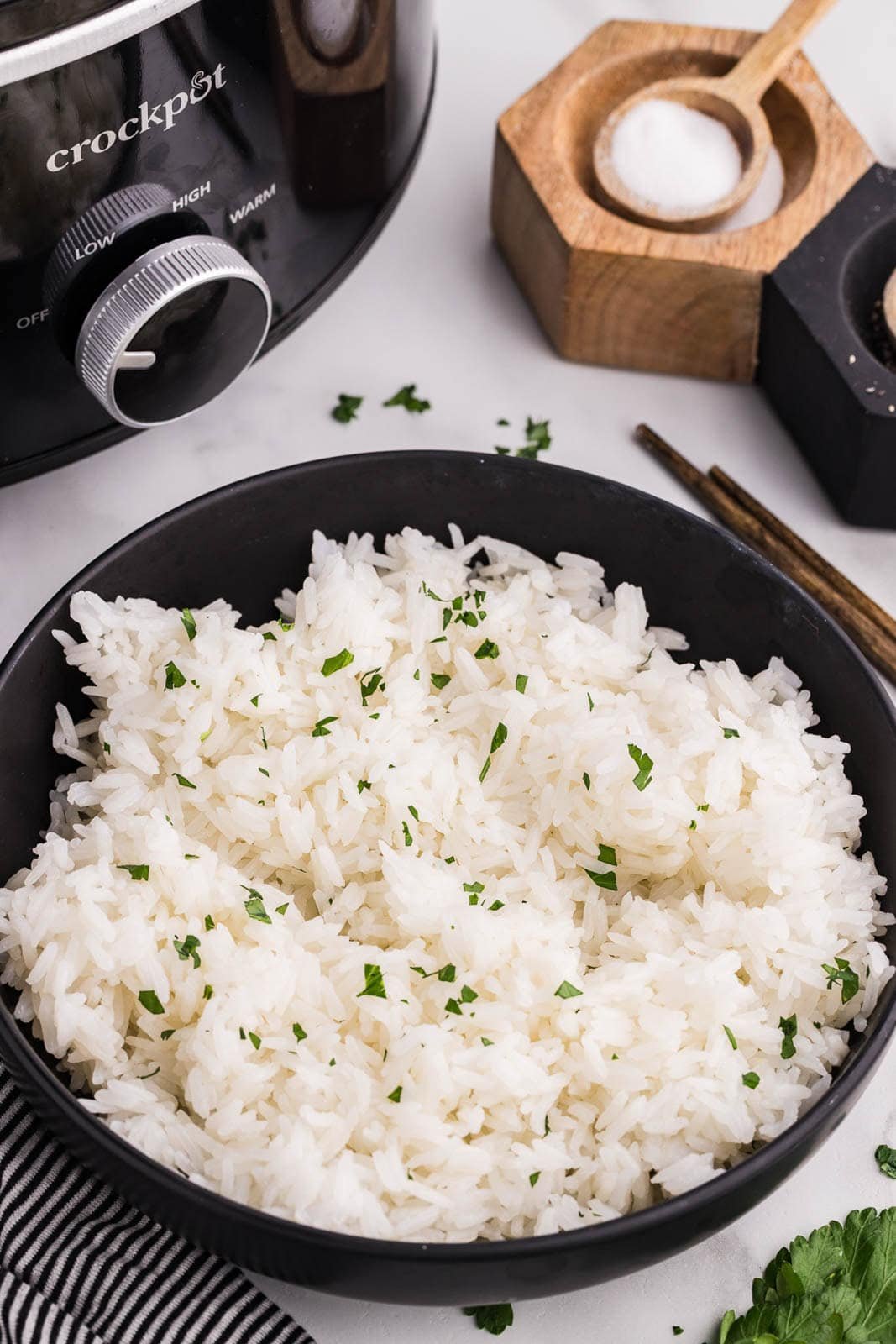
Have you ever ended up with sticky, mushy, or burnt rice when all you wanted was a simple, fluffy side dish? You’re not alone.
Cooking rice perfectly in a pot can feel tricky, but it doesn’t have to be. Imagine serving rice that’s light, tender, and just right every time, without wasting time or ingredients. In this guide, you’ll discover easy, foolproof steps to master cooking rice in a pot.
Stick with me, and you’ll never worry about rice gone wrong again. Ready to become a rice-cooking pro? Let’s get started!
Choosing The Right Rice
Cooking rice perfectly starts with choosing the right type. Different rice types need different cooking methods. Picking the right rice helps you get better texture and taste.
Understanding the types of rice and what matters most will make cooking easier. This guide covers the main rice types and important factors to consider.
Types Of Rice
Rice comes in many types. Each type changes how the rice cooks and tastes. Knowing these types helps you pick what suits your dish.
- Long Grain:These grains are slim and stay separate after cooking. Good for fluffy rice dishes.
- Medium Grain:These grains are wider and softer. They stick together a little, ideal for dishes like risotto.
- Short Grain:These grains are almost round and very sticky. Perfect for sushi and sticky rice dishes.
- Basmati:A fragrant long grain rice from India. It cooks light and fluffy with a nutty flavor.
- Jasmine:A long grain rice with a floral aroma. It cooks soft and slightly sticky.
Factors To Consider
Choosing rice depends on how you will cook it and what you want in the final dish. Some rices need more water, others less. Some cook faster than others.
| Factor | Details |
| Water Ratio | Different rice types need different water amounts for soft or firm rice. |
| Cooking Time | Some rice cooks quickly, others need more time to get tender. |
| Texture | Choose rice for fluffy, sticky, or creamy texture. |
| Flavor | Some rice has a nutty or floral taste that can enhance your dish. |
| Purpose | Pick rice based on the recipe, like sushi, pilaf, or plain boiled rice. |

Credit: food52.com
Rinsing The Rice
Rinsing rice before cooking is an important step. It helps remove dust and extra starch.
This simple process can improve the texture and taste of your cooked rice.
Why Rinse Rice?
Rinsing rice removes surface starch that can make rice sticky or clump together. It also cleans away dirt, dust, and any small debris.
Removing excess starch helps the rice grains stay separate and fluffy after cooking.
Best Rinsing Techniques
Place the rice in a bowl or pot. Add cold water and gently stir the rice with your hand. Drain the cloudy water carefully.
Repeat rinsing and draining two to three times until the water runs clear. This shows most starch and impurities are removed.
- Use cold water to rinse the rice
- Stir gently to avoid breaking grains
- Drain water fully after each rinse
- Rinse two to three times for best results
Measuring Ingredients
Measuring ingredients correctly is key to cooking rice perfectly in a pot. Using the right amounts keeps your rice fluffy and not too sticky or dry.
Small changes in the amount of rice or water can change the texture a lot. Let’s look at how to measure well for the best results.
Rice To Water Ratio
The ratio of rice to water controls how your rice cooks. Too much water makes it mushy. Too little water makes it hard.
Most white rice cooks well with 1 cup of rice and 2 cups of water. Brown rice needs more water and time.
| Rice Type | Rice Amount | Water Amount |
|---|---|---|
| White Rice | 1 cup | 2 cups |
| Brown Rice | 1 cup | 2.5 cups |
| Jasmine Rice | 1 cup | 1.75 cups |
| Basmati Rice | 1 cup | 1.5 cups |
Importance Of Accurate Measurements
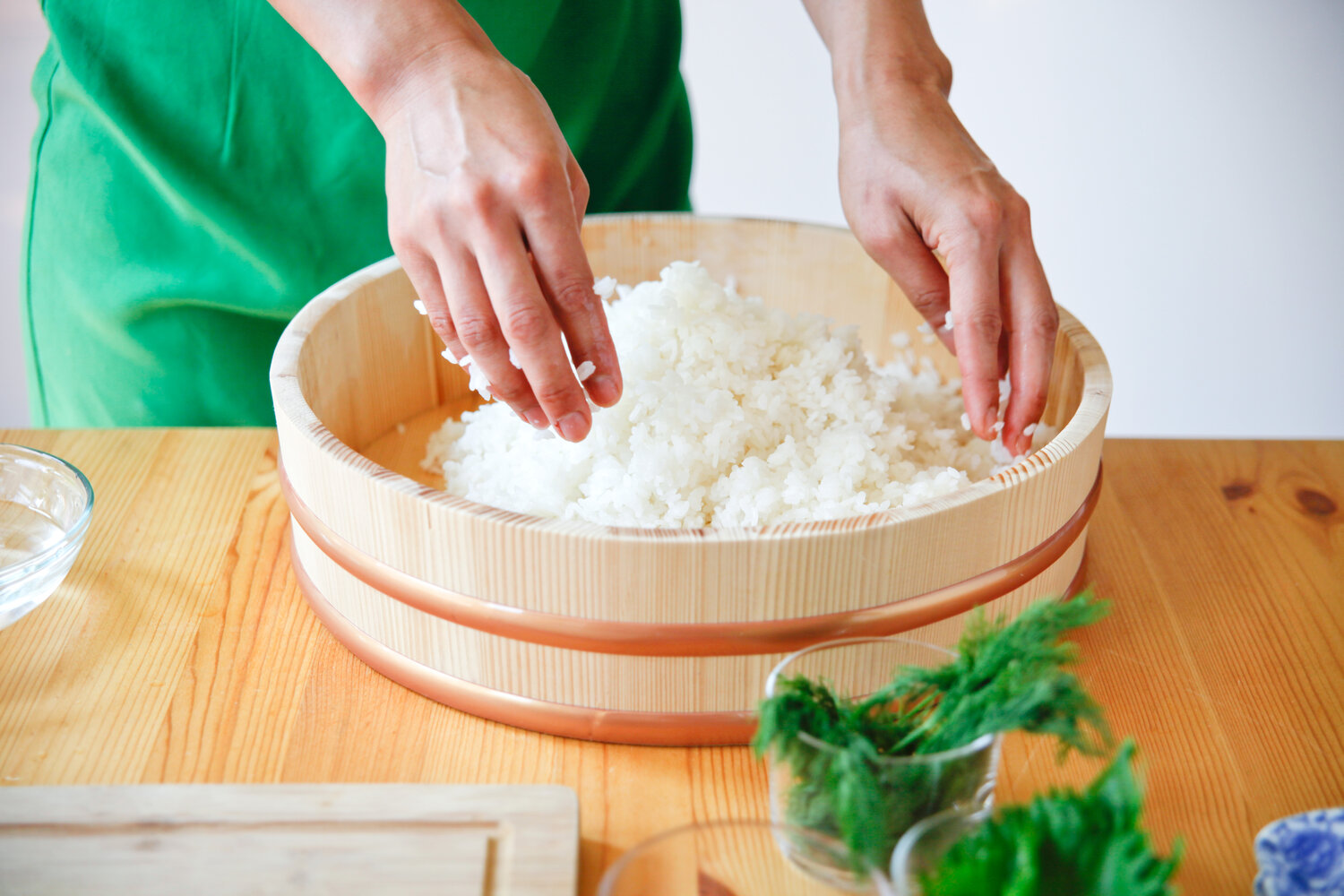
Measuring rice and water with tools like cups or a kitchen scale helps you cook better rice. Guessing can cause uneven cooking.
Accurate measures save time and prevent waste. You get soft, tasty rice every time without trying again.
- Use the same cup for rice and water
- Level off the rice for exact amounts
- Check your water level before cooking
- Adjust water if you change rice type
Credit: www.yukiskitchen.com
Using The Right Pot
Cooking rice perfectly starts with choosing the right pot. The pot affects heat distribution and cooking time.
Selecting the best pot helps avoid burning or undercooking the rice. It also makes cleanup easier.
Best Pot Materials
Different pot materials change how heat moves during cooking. Some materials keep heat even, while others heat fast.
- Stainless Steel:Durable and easy to clean but may need careful heat control.
- Cast Iron:Holds heat well but can be heavy and slow to heat.
- Non-stick:Prevents rice from sticking but avoid high heat to protect coating.
- Aluminum:Heats quickly but can cause uneven cooking if thin.
- Ceramic:Even heat but may be fragile and require gentle handling.
Pot Size Considerations
Choosing the right pot size helps cook rice evenly and prevents spills. Too small or too large pots cause problems.
| Pot Size | Best Use | Rice Quantity |
|---|---|---|
| Small (1-2 quarts) | For 1-2 servings | 1 to 2 cups |
| Medium (3-4 quarts) | For 3-5 servings | 3 to 5 cups |
| Large (5+ quarts) | For family or batch cooking | 6+ cups |
Cooking Process
Cooking rice in a pot requires careful attention to get perfect results. Each stage has a specific purpose in making the rice fluffy and soft.
Following the right steps helps avoid undercooked or mushy rice. Below are the key stages in the cooking process.
Initial Boiling Stage
Start by rinsing the rice to remove excess starch. Add the rice and water to the pot and bring it to a boil on high heat.
- Use the correct rice to water ratio, usually 1 cup rice to 2 cups water.
- Do not cover the pot during this stage.
- Wait until the water reaches a rolling boil with bubbles.
Simmering Stage
Once boiling, reduce the heat to low and cover the pot with a tight lid. Let the rice cook gently in steam.
| Action | Details |
| Heat Level | Low heat to maintain gentle simmer |
| Time | 15 to 20 minutes, depending on rice type |
| Lid | Keep pot covered tightly |
| Do Not | Lift lid or stir during cooking |
Resting Stage
After cooking, turn off the heat but keep the pot covered. Let the rice rest to finish steaming and firm up.
Resting Tips:
- Leave the rice undisturbed for 10 minutes.
- Fluff the rice gently with a fork before serving.
Common Mistakes To Avoid
Cooking rice in a pot seems easy but can be tricky. Many people make simple mistakes that ruin the texture. Avoiding these errors will help you get perfect rice every time.
This guide covers common mistakes linked to overcooking and undercooking rice. Learn what to watch out for to improve your rice cooking skills.
Overcooking Issues
Overcooked rice turns mushy and sticky. It loses its fluffy texture and can become gluey. The main cause is using too much water or cooking for too long.
- Adding excess water causes rice to absorb too much liquid.
- Cooking on high heat burns the bottom and overcooks the top.
- Not reducing heat after boiling lets rice cook too fast.
- Stirring rice while cooking breaks the grains and makes it sticky.
Undercooking Problems
Undercooked rice is hard and crunchy. It can taste raw and is difficult to digest. This happens when the rice does not cook long enough or lacks enough water.
| Cause | Effect | Solution |
|---|---|---|
| Too little water | Rice stays dry and hard | Add correct water amount before cooking |
| Cooking time too short | Rice grains remain tough | Cook longer on low heat |
| Using high heat only | Outside cooks but inside stays raw | Boil then simmer gently |
Flavor Enhancements
Cooking rice in a pot is simple, but adding flavors can make it tastier. Small changes can add great taste.
Using spices, herbs, or different liquids helps make your rice more delicious. Try these tips for better flavor.
Adding Spices And Herbs
Adding spices and herbs to your rice while cooking adds aroma and depth. You can mix and match them easily.
Use whole spices or ground ones. Fresh herbs give a bright taste. Dry herbs work well too.
- Add a cinnamon stick or cardamom pods for warmth.
- Use bay leaves or thyme for a subtle flavor.
- Fresh cilantro or parsley can be stirred in after cooking.
- Garlic and ginger add a strong, tasty kick.
Using Broth Instead Of Water
Replace water with chicken, beef, or vegetable broth for richer rice. The broth adds flavor as the rice cooks.
Broth gives your rice a savory taste without extra effort. Choose low-sodium broth to control salt levels.
- Use the same amount of broth as water in your recipe.
- Warm the broth before adding it to the pot.
- Broth works well with added herbs and spices.
- Store-bought or homemade broth both improve flavor.

Credit: kristineskitchenblog.com
Serving Suggestions
Cooking rice in a pot is simple and tasty. Knowing how to serve it makes meals better.
Rice pairs well with many dishes and looks great with the right garnishes. Here are ideas to serve rice perfectly.
Pairing With Main Dishes
Rice works well with many main dishes. It soaks up sauces and adds texture to meals.
- Grilled chicken with herbs
- Beef stew with vegetables
- Stir-fried tofu and veggies
- Fish curry with coconut sauce
- Spicy chili con carne
- Vegetable stir fry with soy sauce
Serve rice hot alongside these dishes. It balances strong flavors and adds comfort.
Garnishing Ideas
Adding garnishes makes rice look and taste better. Simple toppings add color and flavor.
- Chopped fresh parsley or cilantro
- Toasted sesame seeds
- Thinly sliced green onions
- Grated lemon or lime zest
- Light drizzle of soy sauce or sesame oil
- Sprinkle of crushed red pepper flakes
Try different garnishes to match your meal. They make rice more exciting and fresh.
Frequently Asked Questions
How Much Water Is Needed To Cook Rice Perfectly?
Use a 2:1 water-to-rice ratio for most white rice. Adjust slightly for different rice types. This ensures fluffy, well-cooked rice without being mushy.
How Long Should I Cook Rice In A Pot?
Simmer white rice for 15-20 minutes with the lid on. Brown rice requires 40-45 minutes. Avoid lifting the lid during cooking to retain steam.
Should I Rinse Rice Before Cooking?
Yes, rinse rice under cold water until clear. This removes excess starch and prevents sticky, clumpy rice. It improves texture and taste significantly.
How Can I Prevent Rice From Sticking To The Pot?
Use a non-stick pot or add a teaspoon of oil. Stir rice once before simmering, then avoid stirring during cooking to keep grains separate.
Conclusion
Cooking rice perfectly in a pot is easy with the right steps. Measure your rice and water carefully for best results. Keep the heat low once it boils to avoid burning. Let the rice rest after cooking to get fluffy grains.
Practice these simple tips and enjoy soft, tasty rice every time. Cooking rice at home can save money and taste better than store-bought. Try different types of rice to find your favorite. With patience and care, you will cook rice like a pro soon.
Simple, tasty rice is just a pot away!