
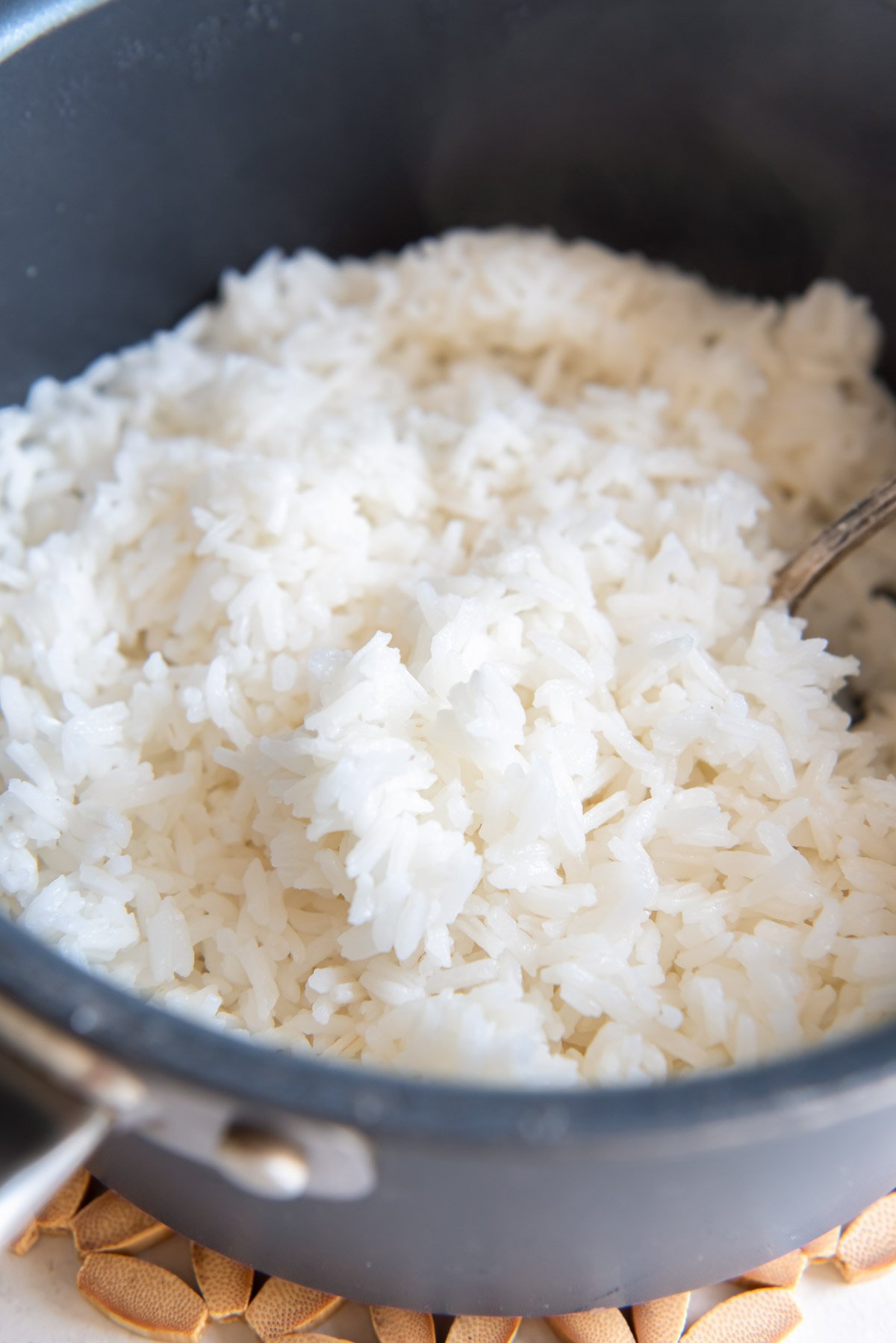
Are you tired of ending up with sticky or hard rice every time you cook? You’re not alone.
Perfectly fluffy and soft rice can transform any meal from ordinary to amazing. Imagine serving rice that’s light, tender, and full of flavor—something you’ll want to eat again and again. You’ll discover simple, effective tips that will change the way you cook rice forever.
Keep reading, and soon you’ll master the secret to making rice that’s just right every single time.

Credit: mylifeafterdairy.com
Choosing The Right Rice
Cooking rice fluffy and soft starts with picking the right kind of rice. Different types of rice have unique textures and cooking needs.
Knowing which rice suits your dish helps you get perfect results every time. Let’s look at some common rice types.
Long-grain Rice
Long-grain rice has slim, long grains. It cooks up light and separate, not sticky.
This rice is great for fluffy dishes like pilaf or plain steamed rice.
Medium-grain Rice
Medium-grain rice is shorter and plumper than long-grain. It cooks soft and slightly sticky.
This rice works well in dishes like risotto or paella where some creaminess is good.
Short-grain Rice
Short-grain rice is almost round and very sticky when cooked. It is soft and clumps together.
This rice is best for sushi, rice pudding, or dishes needing sticky rice.
Brown Rice
Brown rice keeps its bran layer, making it chewy and nutty in flavor.
It takes longer to cook and stays firmer, so it may not be as soft as white rice.
Jasmine Rice
Jasmine rice is a type of long-grain rice with a floral aroma. It cooks soft and slightly sticky.
This rice is good for Asian dishes that need a soft, fragrant rice.
Basmati Rice
Basmati rice has long, thin grains and a nutty smell. It cooks light and fluffy.
This rice is perfect for Indian and Middle Eastern recipes.

Credit: kristineskitchenblog.com
Washing The Rice
Washing rice is a simple step that helps make it fluffy and soft. It removes extra starch and impurities. This step is important for better texture and taste.
Clean rice cooks more evenly. It also prevents the rice from becoming sticky or clumpy. Let’s look at how to wash rice properly.
Why Wash Rice?
Rice grains have surface starch and dust from processing. Washing removes these to stop rice from sticking together.
How To Wash Rice
Use cold water and follow these steps to wash rice well. Washing rice takes just a few minutes.
- Place rice in a large bowl or pot.
- Add enough cold water to cover the rice.
- Gently rub the rice with your hands in the water.
- Pour out the cloudy water carefully.
- Repeat this process 3 to 4 times until water is clear.
- Drain rice well before cooking.
Tips For Best Results
| Tip | Reason |
| Use cold water | Keeps rice firm and stops early cooking |
| Do not soak for too long | Prevents rice from getting mushy |
| Drain fully | Helps rice cook evenly without excess moisture |
| Wash gently | Prevents breaking grains |
Measuring Water To Rice Ratio
Cooking fluffy and soft rice starts with the right water to rice ratio. The amount of water you use affects the texture and tenderness of the rice.
Different rice types need different water amounts. Measuring water correctly ensures your rice cooks evenly without becoming mushy or hard.
Common Ratios For Different Rice Types
Each type of rice absorbs water differently. Use the proper ratio to get perfect results every time.
| Rice Type | Water to Rice Ratio |
|---|---|
| Long Grain White Rice | 2 cups water : 1 cup rice |
| Short Grain White Rice | 1.25 cups water : 1 cup rice |
| Basmati Rice | 1.5 cups water : 1 cup rice |
| Jasmine Rice | 1.5 cups water : 1 cup rice |
| Brown Rice | 2.5 cups water : 1 cup rice |
How To Measure Water And Rice Accurately
Use the same measuring cup for both water and rice. This keeps the ratio accurate. Rinse the rice before measuring for better texture.
- Fill the measuring cup with rice and level it off.
- Rinse rice under cold water until the water runs clear.
- Drain well before cooking.
- Measure water using the same cup after draining rice.
Adjusting Water For Softness
Use a bit more water for softer rice. Use less water if you want firmer rice. Note that altitude and pot type affect water needs.
Soaking For Optimal Texture
Soaking rice before cooking helps make it soft and fluffy. This simple step improves the texture of your rice.
Soaking allows the grains to absorb water. This reduces cooking time and prevents rice from breaking.
Why Soak Rice?
Soaking rice softens the outer layer of each grain. This helps the rice cook evenly without sticking together.
It also removes excess starch. This keeps the rice from becoming gummy or sticky after cooking.
How Long To Soak Rice
Soak rice in cold water for 20 to 30 minutes. This time is enough for most white rice varieties.
For brown rice, soak for 45 minutes to 1 hour. Brown rice has a tougher outer layer and needs more time.
- White rice: 20-30 minutes
- Brown rice: 45-60 minutes
- Basmati rice: 30 minutes
Tips For Soaking Rice
Use clean, cold water for soaking. Warm water can start cooking the rice too early.
Rinse rice before soaking. This removes dust and some starch for better texture.
- Rinse rice 2-3 times until water is clear
- Use a large bowl to allow rice to expand
- Drain soaked rice well before cooking
Cooking Methods
Cooking rice so it turns out fluffy and soft needs the right method. Different tools and techniques help achieve perfect texture.
Here are three popular ways to cook rice with great results: stovetop, rice cooker, and pressure cooker.
Stovetop Technique
Rinse the rice under cold water until it runs clear. This removes extra starch that makes rice sticky.
Use a pot with a tight-fitting lid. Add rice and water in the right ratio, usually 1 cup rice to 2 cups water.
- Bring water to a boil without the lid
- Once boiling, reduce heat to low and cover the pot
- Let it simmer for 15-20 minutes without lifting the lid
- Turn off the heat and let rice rest covered for 10 minutes
- Fluff rice gently with a fork before serving
Rice Cooker Instructions
Rinse the rice to remove excess starch. Add rice and water to the rice cooker bowl using the recommended ratio.
Close the lid and turn on the rice cooker. It will cook rice automatically and switch to warm mode when done.
- Use the measuring cup that comes with the cooker
- Follow the water level marks inside the bowl
- Do not open the lid while cooking
- Let rice sit for 5-10 minutes after cooking for better texture
Pressure Cooker Method
Rinse the rice well. Add rice and water to the pressure cooker, usually 1 cup rice to 1.25 cups water.
Seal the lid and cook on high pressure for 3-4 minutes. Let the pressure release naturally for 10 minutes.
- Use the right water ratio to avoid mushy rice
- Do not quick-release pressure immediately
- After pressure drops, open lid carefully
- Fluff rice gently with a fork before serving
Steam For Fluffiness
Steaming rice after cooking makes it soft and fluffy. It helps the grains separate well.
This method improves texture without adding extra water. Steam gives rice a light and airy feel.
Why Steam Rice?
Steaming rice lets moisture spread evenly inside each grain. It stops rice from becoming sticky or mushy.
It also cools rice gently, so grains stay firm but soft. This step is key for perfect rice texture.
How To Steam Rice Properly
- Cook rice with slightly less water than usual.
- Drain any extra water if needed.
- Cover the pot with a tight lid to trap steam.
- Let rice steam on low heat for 10 minutes.
- Turn off heat and keep covered for 5 more minutes.
- Fluff rice gently with a fork before serving.
Tools That Help Steam Rice
| Tool | Description |
| Steamer Basket | Allows steam to circulate around rice |
| Rice Cooker | Has built-in steaming function |
| Pot with Tight Lid | Traps steam inside to cook rice evenly |
| Cheesecloth | Keeps rice from sticking in steam baskets |
Tips For Best Steamed Rice
- Rinse rice well to remove extra starch.
- Use fresh water for cooking.
- Do not lift the lid while steaming.
- Let rice rest after steaming for better texture.
- Fluff rice gently to keep grains separate.
Letting Rice Rest
Letting rice rest after cooking is important. It helps rice become fluffy and soft.
Resting allows steam to finish cooking the rice evenly. This stops rice from getting mushy or sticky.
Why Resting Rice Matters
Rice continues to cook with steam after heat is off. This helps each grain absorb moisture.
Resting makes the texture light and fluffy. It also keeps the rice from clumping together.
How Long To Let Rice Rest
Let rice rest for 10 to 15 minutes. This time is enough for steam to spread through rice.
Cover the pot with a lid to keep steam inside during resting. Do not lift the lid early.
- Rest time: 10-15 minutes
- Keep pot covered
- Do not stir rice while resting
Tips For Resting Rice Properly
Use a tight-fitting lid to trap steam. If your pot doesn’t have one, cover with foil.
Avoid opening the lid during resting. This releases steam and cools the rice.
- Use tight lid or foil
- Keep heat low or off
- Do not stir rice after cooking
Fluffing Rice With A Fork
Fluffing rice with a fork helps make it soft and light. It stops the rice from clumping together. This simple step improves the texture and look of cooked rice.
Using a fork gently separates the grains without crushing them. This keeps the rice fluffy and easy to eat. Let’s explore how to fluff rice properly with a fork.
Why Fluff Rice After Cooking?
Fluffing rice releases steam trapped inside the grains. This stops the rice from becoming sticky or mushy. It also cools the rice slightly for better serving.
Tools Needed For Fluffing Rice
- A fork with wide tines
- A pot or rice cooker with a lid
- A heat-safe bowl for serving
- A spoon for scooping cooked rice
How To Fluff Rice With A Fork
Start by removing the lid from your cooked rice. Let the rice sit for a few minutes to cool slightly. Then use a fork to gently lift and separate the grains.
- Hold the pot or bowl steady.
- Insert the fork into the rice near the edge.
- Lift and turn the rice gently, breaking apart clumps.
- Repeat around the pot until all rice is loose.
- Serve immediately or keep covered to stay warm.
Tips To Keep Rice Fluffy
| Tip | Why It Helps |
| Use a fork, not a spoon | Fork tines separate grains without crushing |
| Let rice rest after cooking | Steam settles, making fluffing easier |
| Fluff gently | Preserves grain shape and texture |
| Avoid stirring too much | Prevents rice from becoming sticky |
Common Mistakes To Avoid
Cooking rice fluffy and soft needs careful attention. Many people make simple mistakes that affect the texture.
Avoiding these errors helps you get perfect rice every time. Learn what to watch out for below.
Using Too Much Water
Adding extra water makes rice mushy and sticky. Use the right water amount for fluffy rice.
Each rice type needs a specific water ratio. Check the package or use a standard guide.
- White rice: 1 cup rice to 1.5 cups water
- Brown rice: 1 cup rice to 2 cups water
- Long grain rice: slightly less water for fluffiness
Not Rinsing The Rice
Rice has surface starch that makes it sticky. Rinsing removes this starch and keeps grains separate.
Rinse rice under cold water until the water runs clear. This step improves texture a lot.
Lifting The Lid While Cooking
Opening the lid lets steam escape. Steam cooks the rice evenly and keeps it soft.
Keep the lid closed during cooking. Only check the rice after the time is complete.
Not Letting Rice Rest
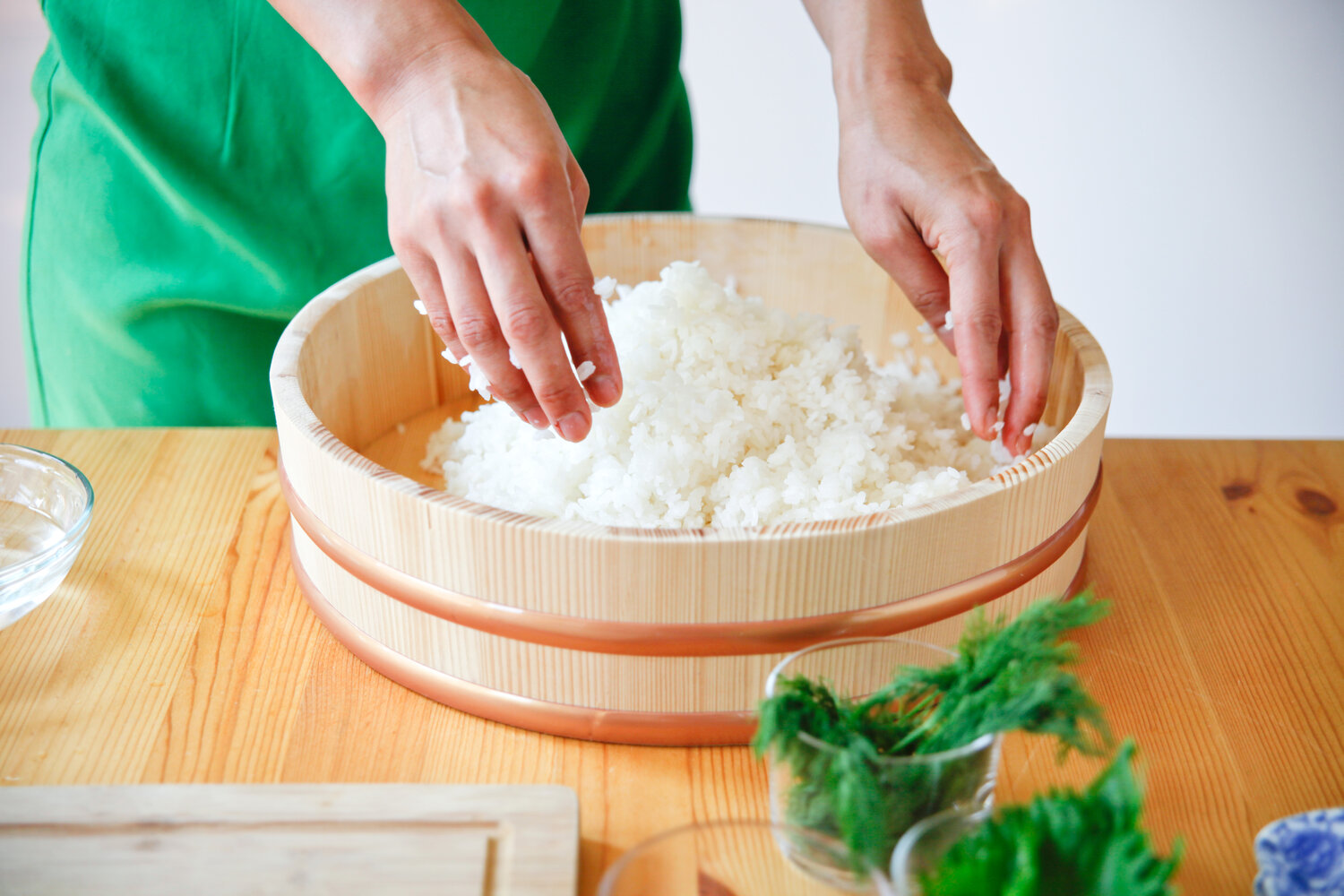
Removing rice from heat immediately can cause clumping. Let rice rest with the lid on for 10 minutes.
Resting lets steam finish cooking and makes the rice fluffy and soft.
Using High Heat Throughout Cooking
Cooking rice on high heat can burn the bottom. Start with high heat to boil, then reduce to low heat.
Low heat lets rice cook gently and absorb water properly without burning.
Credit: www.yukiskitchen.com
Troubleshooting Tips
Cooking rice fluffy and soft can be tricky sometimes. Small mistakes can change the texture.
This guide helps you fix common problems and get perfect rice every time.
Rice Is Too Sticky
Sticky rice often happens when you add too much water or stir too much. Rinse rice before cooking to remove extra starch.
- Use less water than usual
- Rinse rice in cold water until it runs clear
- Do not stir rice while cooking
- Let rice rest covered after cooking
Rice Is Too Dry Or Hard
Dry or hard rice means not enough water or cooking time. Use the right water amount and cook longer if needed.
| Problem | Cause | Fix |
| Dry rice | Too little water | Add more water next time |
| Hard rice | Cooking time too short | Cook for a few more minutes |
| Burnt bottom | Heat too high | Lower heat and use heavy pot |
Rice Boils Over
Boiling over happens when heat is too high or pot is too small. Use a bigger pot and cook on medium heat.
Tips to prevent boiling over:
- Use a pot with a lid that fits well but allows steam out
- Reduce heat once water starts boiling
- Add a little oil or butter to the water
Frequently Asked Questions
How Much Water Is Needed For Fluffy Rice?
Use a 2:1 water-to-rice ratio for most white rice types. This ensures the rice cooks evenly and stays soft without being mushy.
Should I Rinse Rice Before Cooking?
Yes, rinsing rice removes excess starch. This prevents stickiness and helps achieve fluffy, separate grains after cooking.
What Cooking Method Makes Rice Soft And Fluffy?
Simmer rice gently with a tight-fitting lid. Avoid stirring during cooking to keep grains intact and fluffy.
Can Soaking Rice Improve Its Texture?
Soaking rice for 20-30 minutes before cooking softens grains. It also reduces cooking time and enhances fluffiness.
Conclusion
Cooking rice fluffy and soft is simple with the right steps. Use the correct water amount and cook on low heat. Let the rice rest after cooking to finish steaming. Fluff the rice gently with a fork before serving. These tips help you enjoy perfect rice every time.
Try them today and see the difference. Enjoy your meal!