

Are you tired of ending up with sticky, clumpy rice every time you cook? You’re not alone.
Getting perfectly fluffy rice can feel like a tricky task, but it doesn’t have to be. Imagine serving rice that’s light, tender, and separates easily with every bite. In this guide, you’ll discover simple, proven tips to transform your rice-cooking skills and impress everyone at the table.
Keep reading to unlock the secrets to cooking rice fluffy every single time. Your meals—and your taste buds—will thank you.
Choosing The Right Rice
Choosing the right rice is key to cooking fluffy rice. Different types of rice have unique textures and cooking needs.
Knowing which rice to pick helps you get soft, separate grains every time you cook.
Different Rice Varieties
Rice comes in many types. Some are sticky, while others stay separate when cooked. Understanding these types helps you choose rice that stays fluffy.
- Long-Grain Rice:Grains stay separate and firm. Good for fluffy dishes.
- Medium-Grain Rice:Slightly sticky but still soft. Used in risotto.
- Short-Grain Rice:Very sticky and soft. Common in sushi.
- Basmati Rice:Long grain with a nutty flavor. Stays light and fluffy.
- Jasmine Rice:Aromatic and soft, slightly sticky but can be fluffy if cooked right.
Best Rice For Fluffy Texture
Some rice types are better for fluffy results. Look for rice with less starch to avoid clumping.
| Rice Type | Grain Length | Texture After Cooking | Best Use |
|---|---|---|---|
| Basmati | Long | Light and fluffy | Indian and Middle Eastern dishes |
| Long-Grain White | Long | Separate and firm | Everyday fluffy rice |
| Jasmine | Long | Soft but can be fluffy | Asian cuisine |
| Medium-Grain | Medium | Slightly sticky | Risotto, paella |
| Short-Grain | Short | Sticky and soft | Sushi, desserts |
Measuring Rice And Water
Cooking fluffy rice depends on the right amount of rice and water. Measuring these carefully helps you get perfect rice every time.
Using a consistent method to measure rice and water makes cooking easier. It stops the rice from being too dry or too sticky.
Rice-to-water Ratios
The ratio of rice to water changes how the rice cooks. Too much water makes the rice mushy. Too little water makes it dry and hard.
A common ratio is one cup of rice to two cups of water. This works well for most white rice types.
- White rice: 1 cup rice to 2 cups water
- Brown rice: 1 cup rice to 2.5 cups water
- Jasmine rice: 1 cup rice to 1.5 cups water
- Basmati rice: 1 cup rice to 1.75 cups water
Adjusting For Altitude And Rice Type
At higher altitudes, water boils at a lower temperature. This means rice needs more water and longer cooking time.
Different rice types absorb water differently. You may need to add or reduce water depending on the rice you use.
| Factor | Adjustment |
|---|---|
| High altitude (above 3,000 ft) | Add 1/4 cup water per cup of rice |
| Sticky rice | Use less water, about 1 cup per cup rice |
| Long grain rice | Use standard ratios |
| Short grain rice | Use slightly less water than long grain |
Rinsing And Soaking
Cooking fluffy rice starts with good preparation. Rinsing and soaking rice help improve its texture and taste.
These simple steps remove unwanted elements and make the grains cook evenly. Let’s explore why these steps are important.
Removing Excess Starch
Rice has surface starch that makes it sticky after cooking. Rinsing rice removes this starch and prevents clumping.
- Place rice in a bowl or sieve.
- Rinse with cold water, stirring gently.
- Drain the water and repeat 2-3 times.
- Stop rinsing when the water runs clear.
Benefits Of Soaking
Soaking rice softens the grains and reduces cooking time. It also helps rice cook more evenly and become fluffy.
| Benefit | Explanation |
| Shorter Cooking Time | Water softens the grains for faster cooking. |
| Even Texture | Soaking helps rice absorb water evenly. |
| Fluffier Rice | Grains separate better after soaking. |
| Better Digestion | Soaking reduces some starch and makes rice easier to digest. |

Credit: www.youtube.com
Cooking Methods
Cooking rice so it turns out fluffy is easy with the right method. Different cooking tools need different steps.
Here are three popular ways to cook rice and tips to keep it light and fluffy.
Stovetop Techniques
Use a pot with a tight lid to keep steam inside. Rinse rice before cooking to remove extra starch.
Cook rice with the right water ratio. Usually, use 1 cup rice to 1.5 or 2 cups water depending on rice type.
- Boil water first, then add rice
- Lower heat to a simmer and cover pot
- Do not lift lid while cooking
- Let rice rest off heat for 10 minutes
- Fluff rice gently with a fork
Using A Rice Cooker
Rice cookers make cooking rice simple and consistent. Add rinsed rice and water following the cooker’s instructions.
Press start and let the cooker do the work. Avoid opening the lid while cooking to keep steam inside.
- Measure rice and water carefully
- Use the correct water level markings
- Allow the cooker to finish fully before opening
- Let rice rest for a few minutes after cooking
- Fluff rice with a fork before serving
Microwave Cooking Tips
Microwaving rice is quick but requires good water control. Use a microwave-safe bowl with a lid or plastic wrap.
Rinse rice first. Add water, cover, and microwave at high power. Let it sit after cooking for steam to finish.
- Use 1 cup rice to 2 cups water
- Cover bowl to trap steam
- Microwave for 10-12 minutes depending on power
- Let rice rest covered for 5 minutes
- Fluff gently before serving
Controlling Heat And Timing
Cooking rice fluffy depends on controlling the heat and timing properly. Too much heat or too little time makes rice sticky or undercooked.
Using the right heat and cooking time helps the rice cook evenly and stay light. This guide explains how to do that.
Simmering Vs Boiling
Boiling rice means cooking it in fast-moving bubbles. This can make rice break and become mushy. Simmering means low, gentle heat with small bubbles.
Simmering cooks rice slowly and keeps the grains separate. It also stops water from evaporating too fast, so rice cooks evenly.
- Boiling: High heat, fast bubbles, can break rice grains
- Simmering: Low heat, gentle bubbles, keeps rice fluffy
- Simmering helps water absorb better into rice
Optimal Cooking Time
Cooking rice too long makes it mushy. Too short leaves it hard and crunchy. The right time depends on rice type and heat.
Most white rice cooks well in 15 to 20 minutes on low heat. Brown rice takes longer, usually 40 to 45 minutes.
- White rice: 15-20 minutes simmering
- Brown rice: 40-45 minutes simmering
- Check rice near end of cooking time to avoid overcooking
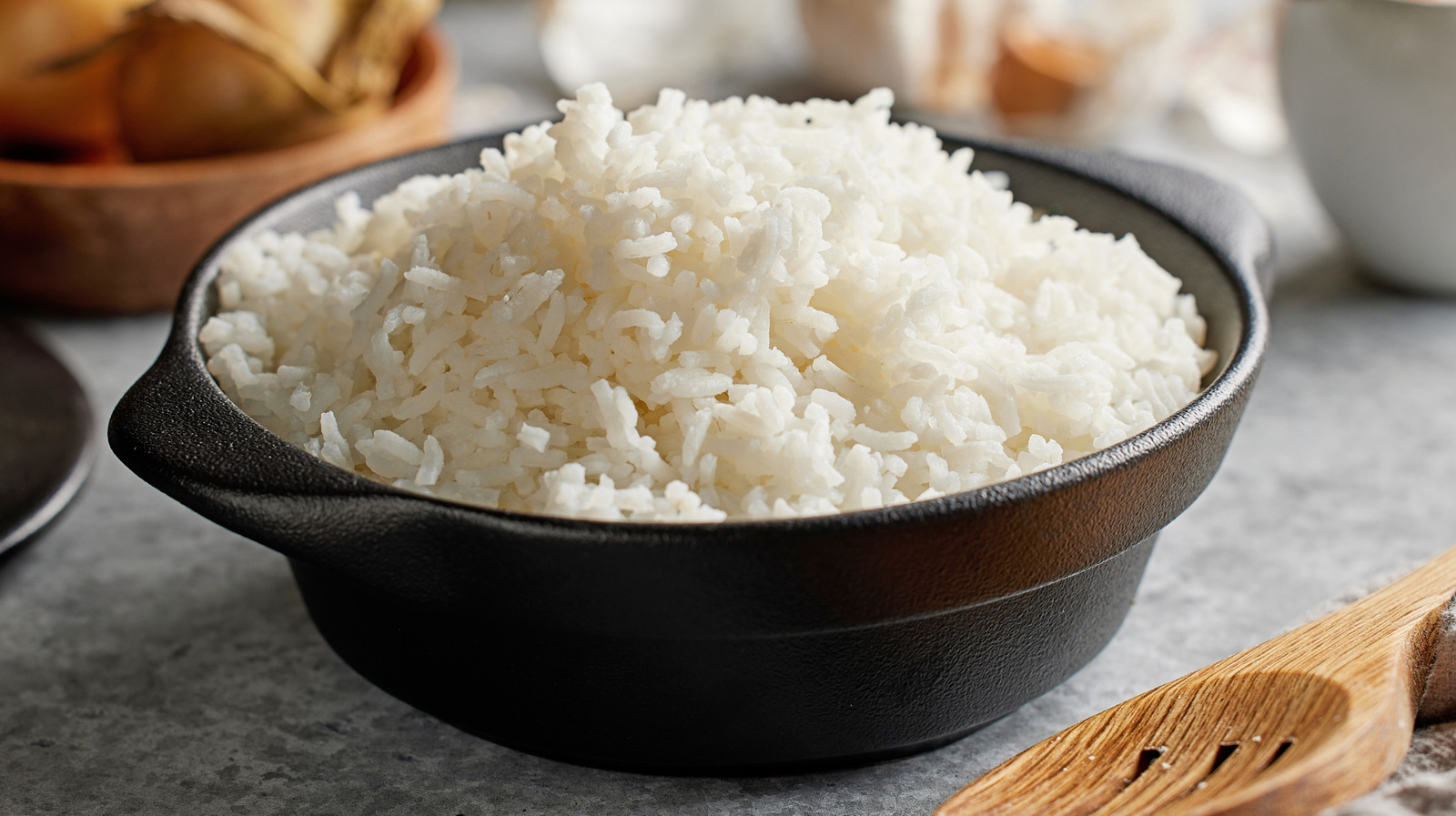
Credit: www.chowhound.com
Resting And Fluffing
Cooking rice is easy, but making it fluffy takes extra care. Resting and fluffing are key steps. They help separate the grains for a light texture.
Skipping these steps can make rice sticky or mushy. Follow simple tips to improve your rice every time.
Letting Rice Sit
After cooking, let the rice sit covered for 10 to 15 minutes. This resting time lets steam finish cooking the rice evenly.
Resting helps the moisture spread through the rice. It makes the grains soft but not wet or sticky.
- Turn off heat when rice is done
- Keep the lid on tightly
- Wait 10–15 minutes before opening
- Do not stir during this time
Using A Fork To Fluff
Use a fork, not a spoon, to fluff rice gently after resting. A fork helps separate grains without crushing them.
Fluffing loosens the rice and releases trapped steam. This keeps the rice light and fluffy.
- Hold the fork lightly
- Lift and turn the rice gently
- Avoid pressing down on the grains
- Fluff just before serving
Common Mistakes To Avoid
Cooking fluffy rice is easy if you avoid some common errors. Many cooks make simple mistakes that cause sticky or mushy rice.
Knowing what to avoid helps you get perfect rice every time. Let’s look at three common problems.
Too Much Water
Using too much water makes rice soft and sticky. It can lose its fluffy texture and become mushy.
Measure water carefully. Follow the rice-to-water ratio on the package or use about 1.5 to 2 cups of water per cup of rice.
- Too much water creates soggy rice
- Too little water leaves rice hard or crunchy
- Adjust water based on rice type and cooking method
Overcooking
Cooking rice too long breaks the grains and makes it sticky. It also wastes energy and time.
Check rice near the end of cooking. Turn off heat when water is absorbed, and let rice rest covered for a few minutes.
- Overcooked rice is mushy and clumps together
- Turn off heat just after water is gone
- Let rice steam in the pot off heat for best texture
Skipping Rinse
Many skip rinsing rice before cooking. This leaves extra starch on the grains, causing stickiness.
Rinse rice in cold water until it runs clear. This removes starch and helps rice cook fluffy and separate.
- Rinsing removes surface starch
- Less starch means fluffier, less sticky rice
- Use a fine mesh sieve or bowl for rinsing

Credit: kristineskitchenblog.com
Enhancing Flavor And Texture
Cooking rice fluffy is easy with simple tips. Adding flavor and improving texture makes rice tastier.
Small changes in cooking can make your rice soft and full of taste. Let’s explore some ideas.
Adding Salt Or Oil
Salt adds flavor to rice and helps bring out the taste. A small pinch can make a big difference.
Adding a little oil or butter helps keep rice grains separate. It makes rice less sticky and fluffier.
- Add about ½ teaspoon of salt per cup of rice.
- Use 1 teaspoon of oil or butter for each cup of rice.
- Stir salt and oil in water before cooking rice.
Using Broth Instead Of Water
Cooking rice in broth adds rich flavor. Broth can be chicken, vegetable, or beef.
Broth gives rice a tasty base and improves its texture. Use the same amount as water.
- Replace water with broth in a 1:1 ratio.
- Choose low-sodium broth to control salt levels.
- Simmer rice gently to keep it fluffy.
Frequently Asked Questions
How To Prevent Rice From Becoming Sticky?
To prevent sticky rice, rinse it until the water runs clear to remove excess starch. Use the correct water-to-rice ratio, typically 1:1. 5 or 1:2. Cook it covered, letting it steam for a few minutes after cooking. Avoid stirring while cooking to maintain its fluffiness.
What Is The Best Rice-to-water Ratio?
The best rice-to-water ratio varies by rice type. For most white rice, use 1 cup of rice to 1. 5 or 2 cups of water. Adjust for specific rice types, like brown or jasmine. This ratio helps achieve fluffy rice by allowing proper absorption during cooking.
Should I Cover Rice While Cooking?
Yes, covering rice while cooking is essential. It helps steam the rice evenly, ensuring proper absorption of water. This results in fluffy, well-cooked rice. A tight-fitting lid is ideal for trapping steam and heat, which helps cook the rice uniformly.
How Long Should Rice Rest After Cooking?
Rice should rest for about 5 to 10 minutes after cooking. This resting period allows moisture to redistribute evenly, resulting in fluffier rice. Keeping the lid on during this time helps retain steam, which further enhances the texture and flavor of the rice.
Conclusion
Cooking fluffy rice is easier than you think. Use the right water-to-rice ratio. Let the rice rest after cooking. Fluff it gently with a fork. These small steps make a big difference. Practice a few times to find what works best.
Soon, you’ll enjoy perfect, soft, and fluffy rice every time. Simple tips bring great results. Start cooking and enjoy your meals more.