
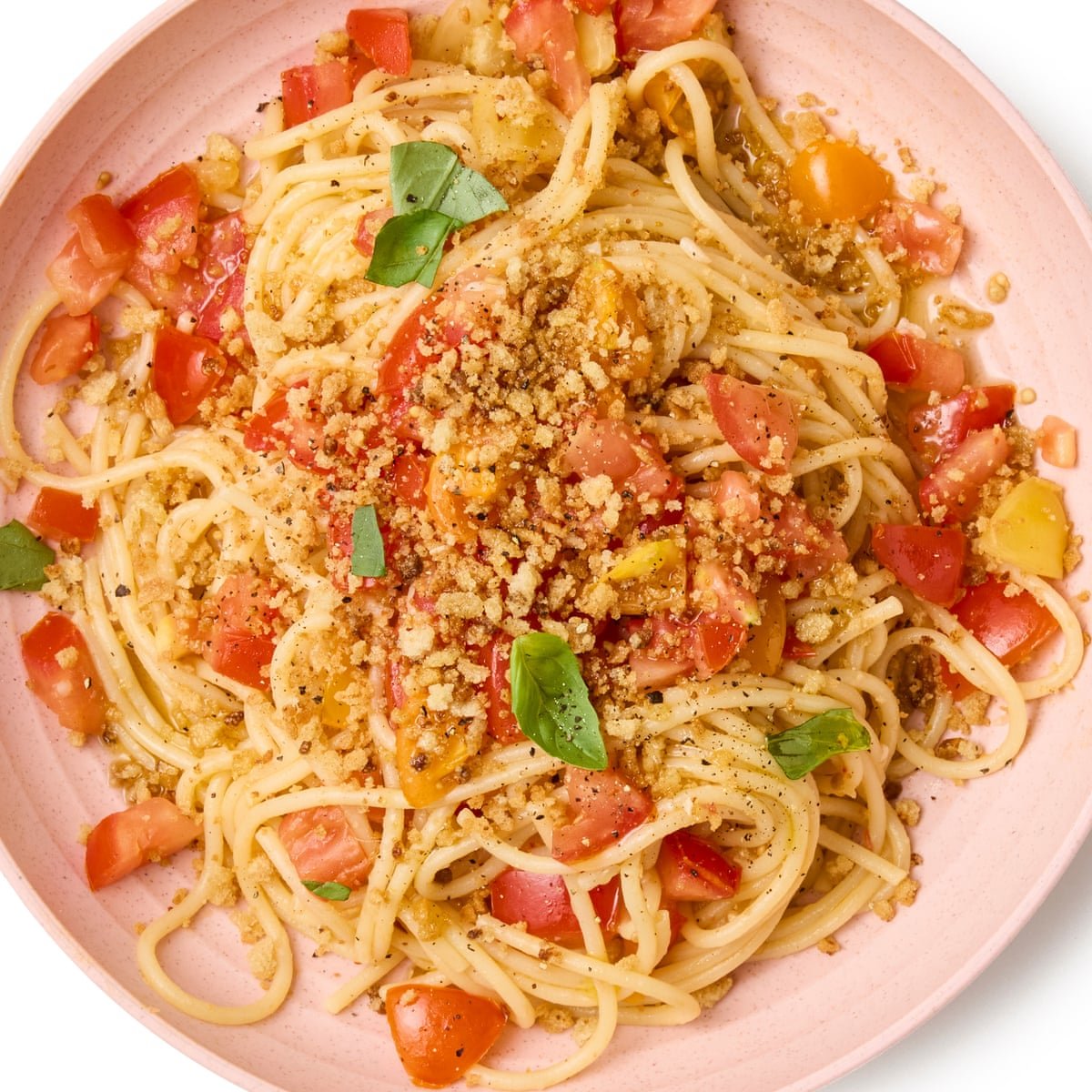
Are you tired of ending up with soggy pasta or sauce that just doesn’t blend well? Cooking pasta with sauce perfectly might seem tricky, but it’s easier than you think.
Imagine serving a plate where every bite is flavorful, with pasta cooked just right and sauce that clings beautifully. You’re about to learn simple, practical steps that will transform your meals and impress anyone at your table. Ready to master the art of pasta and sauce?
Let’s dive in and make every dish a delicious success.

Credit: playswellwithbutter.com
Choosing The Right Pasta
Choosing the right pasta is key to making a delicious dish. Different pasta shapes suit different sauces and cooking methods.
Understanding pasta types and how to match them with sauces helps you cook pasta with sauce perfectly every time.
Types Of Pasta
Pasta comes in many shapes and sizes. Each type cooks differently and holds sauce in a unique way.
- Spaghetti:Long, thin strands good for light tomato or olive oil sauces.
- Penne:Tube-shaped pasta that holds thick sauces well inside.
- Fettuccine:Flat and wide, best with creamy sauces like Alfredo.
- Fusilli:Spiral-shaped pasta that traps chunky sauces.
- Lasagna:Wide flat sheets used in baked dishes with layered sauces.
Matching Pasta To Sauce
Choosing the right sauce for your pasta shape makes your dish taste better and look great.
| Pasta Type | Best Sauce Types |
| Spaghetti | Light tomato, garlic and oil, seafood sauces |
| Penne | Thick tomato, meat sauces, creamy cheese sauces |
| Fettuccine | Rich cream sauces, Alfredo, mushroom sauces |
| Fusilli | Chunky vegetable, pesto, thick meat sauces |
| Lasagna | Bolognese, béchamel, ricotta cheese sauces |
Essential Ingredients
Cooking pasta with sauce is simple if you use the right ingredients. Fresh ingredients make your dish taste better.
Choosing good pasta and sauce is the first step to a delicious meal. Let’s look at what you need.
Fresh Vs. Packaged Pasta
Fresh pasta is soft and cooks fast. It has a tender texture and a richer taste.
Packaged pasta lasts longer and is easy to store. It usually takes longer to cook but holds sauce well.
- Fresh pasta: softer, cooks in minutes, best for delicate dishes
- Packaged pasta: firm, stores well, good for hearty sauces
Selecting Quality Sauces
Quality sauce adds flavor and moisture to pasta. Use sauces made with fresh ingredients for the best taste.
Look for sauces with simple, natural ingredients like tomatoes, olive oil, garlic, and herbs. Avoid sauces with many additives.
- Tomato-based sauces: fresh tomatoes, basil, garlic
- Cream sauces: cream, butter, cheese
- Oil-based sauces: olive oil, garlic, chili flakes
Preparing The Pasta
Cooking pasta with sauce starts with preparing the pasta correctly. Good preparation ensures the pasta cooks evenly and tastes great. This guide explains key steps to cook pasta perfectly.
Focus on the boiling techniques and the right salt and water ratio. These details make a big difference in your pasta’s texture and flavor.
Boiling Techniques
Use a large pot to give pasta enough space to cook. Fill it with plenty of water to prevent sticking. Bring the water to a rolling boil before adding pasta.
- Use a wide pot for even cooking
- Boil water fully before adding pasta
- Stir pasta occasionally to avoid clumps
- Cook pasta until just tender, not mushy
- Reserve some pasta water for the sauce
Salt And Water Ratio
| Water Amount | Salt Amount | Purpose |
| 4-6 quarts (liters) per 1 pound (450g) pasta | 1-2 tablespoons | Season pasta and enhance flavor |
| Less water causes sticking | Too little salt makes pasta bland | Balance is key for best taste |
Cooking The Sauce
Cooking the sauce correctly makes your pasta taste great. It takes some care with heat and timing. A good sauce blends flavors and keeps the right texture.
Focus on how you heat the sauce and when you add ingredients. These steps bring out the best taste and keep the sauce smooth.
Heating And Timing
Heat the sauce on medium-low to avoid burning. Stir often to keep it from sticking. Add ingredients in the right order to help flavors blend well.
- Start by heating oil or butter gently.
- Add onions and garlic first for a soft base.
- Pour in tomatoes or cream after the base softens.
- Simmer the sauce for at least 15 minutes.
- Stir occasionally to prevent burning or drying.
- Add seasoning near the end to keep flavors fresh.
Enhancing Flavors
Use fresh herbs and spices to boost taste. Let the sauce rest off the heat for a few minutes. This helps flavors mix and deepen.
| Ingredient | When to Add | Effect |
| Fresh Basil | After Cooking | Bright, fresh aroma |
| Oregano | During Simmering | Earthy, warm flavor |
| Salt | Near End | Enhances all flavors |
| Black Pepper | Near End | Adds mild heat |
| Red Pepper Flakes | Early or Late | Spicy kick |
Combining Pasta And Sauce
Mixing pasta and sauce correctly makes your dish taste better. The sauce should stick well to the pasta.
Good timing and mixing methods help bring out the best flavors in your pasta dish.
Perfect Timing
Drain the pasta when it is just cooked but still firm, called al dente. Do not rinse the pasta after draining. Keep some pasta water aside before draining.
- Save ½ cup of pasta water before draining.
- Drain pasta quickly to keep heat and texture.
- Mix pasta with sauce while both are hot.
- Add pasta water if sauce feels too thick.
Mixing Methods
Stir pasta and sauce together in a pan or bowl. This helps the sauce cover every piece of pasta evenly.
| Method | Description |
| Tossing in Pan | Heat pasta and sauce together on low heat. Stir gently for 1-2 minutes. |
| Mixing in Bowl | Combine pasta and sauce in a large bowl. Stir well with a spoon. |
| Adding Pasta Water | Add small amounts of reserved pasta water to loosen sauce if needed. |
Serving Tips
Serving pasta with sauce is an art that makes your meal tastier. The right tips help your dish look and taste great.
Simple steps make your pasta more inviting and enjoyable for everyone at the table.
Garnishing Ideas
Garnishes add color and flavor to your pasta plate. They make the dish more appealing and fresh.
Try fresh herbs, grated cheese, or crunchy nuts to finish your pasta perfectly.
- Sprinkle chopped basil or parsley for a fresh taste
- Add grated Parmesan or Pecorino cheese for richness
- Use toasted pine nuts or walnuts for crunch
- Place a few cherry tomatoes for color and sweetness
- Drizzle a bit of olive oil or balsamic glaze for shine
Pairing With Sides
Good side dishes balance the pasta meal. They add texture and extra flavors.
Choose simple sides that do not overpower your pasta but complement it well.
- Garlic bread or focaccia to add crunch and flavor
- Fresh green salad with light dressing for freshness
- Steamed or roasted vegetables to add nutrients
- Caprese salad with tomatoes, mozzarella, and basil
- A small bowl of olives or pickled vegetables for zest
Common Mistakes To Avoid
Cooking pasta with sauce seems easy but many make simple errors. These mistakes can ruin the taste and texture.
Knowing what to avoid helps you cook pasta perfectly every time. Focus on key points for the best results.
Overcooking Pasta
Overcooking pasta makes it soft and mushy. It loses its firm texture that makes pasta enjoyable.
Always check the pasta a minute or two before the package time ends. It should be “al dente,” which means firm to the bite.
- Use a timer to avoid forgetting the cooking time
- Stir pasta occasionally to prevent sticking
- Drain pasta as soon as it reaches the right texture
- Reserve some pasta water before draining for sauce use
Poor Sauce Consistency
Sauces that are too thin or too thick do not coat pasta well. This affects the flavor and overall dish quality.
Adjust the sauce by simmering to thicken or adding a small amount of pasta water to thin it out. The sauce should lightly cover the pasta.
- Simmer sauce gently to reduce excess liquid
- Add reserved pasta water to loosen thick sauce
- Stir sauce and pasta together to blend flavors
- Avoid adding too much cream or cheese at once
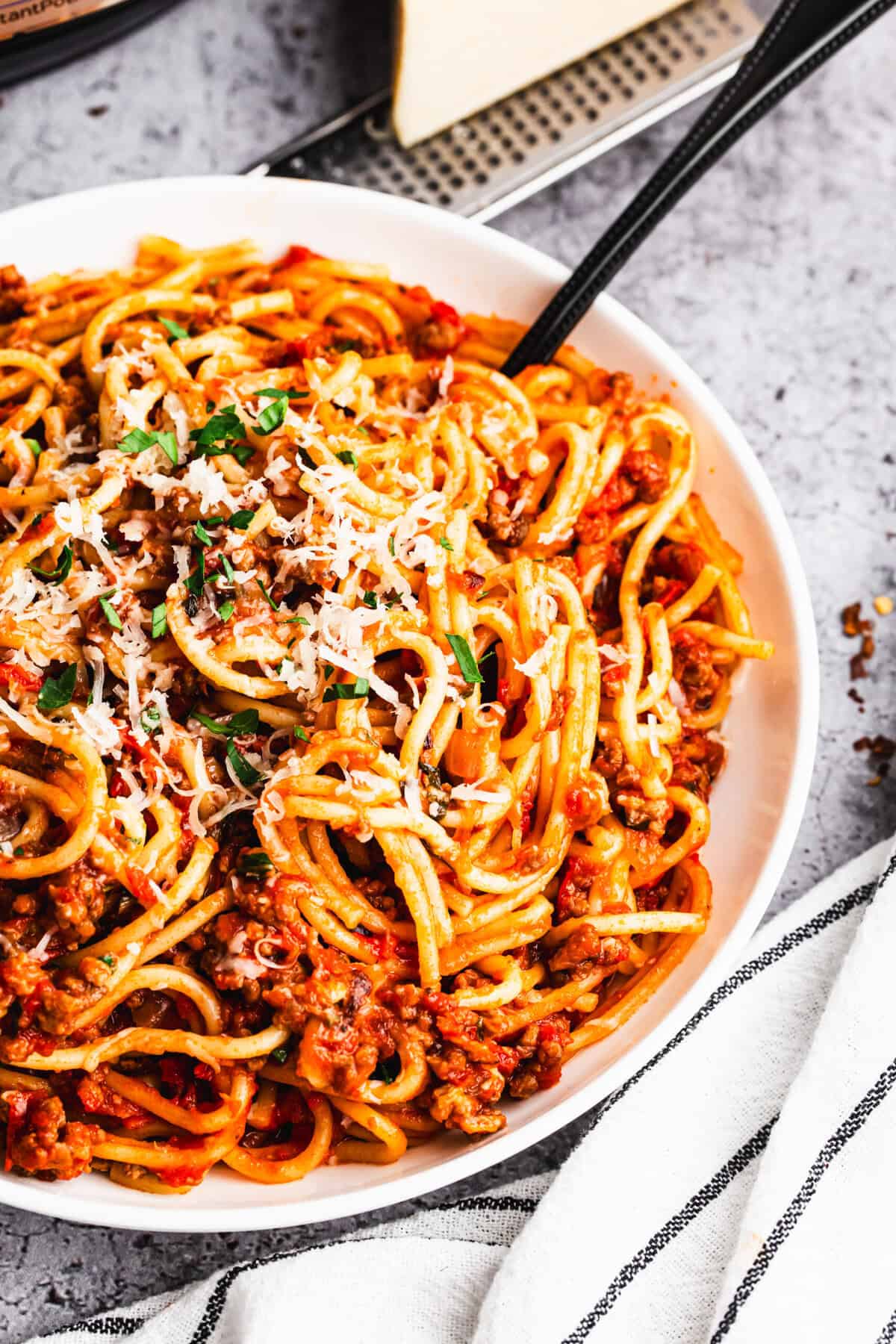
Credit: tastesbetterfromscratch.com

Credit: www.youtube.com
Frequently Asked Questions
How Long Should I Cook Pasta For Perfect Texture?
Cook pasta for 8-12 minutes depending on the type. Test by tasting a piece; it should be al dente—firm but tender. Avoid overcooking to prevent mushiness and ensure a pleasant bite when mixed with sauce.
When Should I Add Sauce To Pasta?
Add sauce immediately after draining pasta while it’s hot. This helps pasta absorb the sauce’s flavors better. Toss pasta and sauce together in a pan or bowl for even coating and enhanced taste.
Can I Save Pasta Water For Sauce?
Yes, save some pasta water before draining. The starchy water helps thin thick sauce and improves its clinginess. Add small amounts gradually until the sauce reaches your desired consistency.
Should I Rinse Pasta After Cooking?
Do not rinse pasta after cooking, except for cold dishes. Rinsing removes starch that helps sauce stick to pasta, reducing flavor absorption and texture quality.
Conclusion
Cooking pasta with sauce can be easy and fun. Start with boiling pasta until it is just right. Add sauce while pasta is hot for best taste. Stir well so the sauce covers every piece. Taste often and add salt or spices if needed.
Serve immediately for a fresh, warm meal. Practice helps improve your skills and confidence. Enjoy simple meals that bring joy and comfort. Try different sauces to find your favorite. Cooking pasta well makes every meal better.