
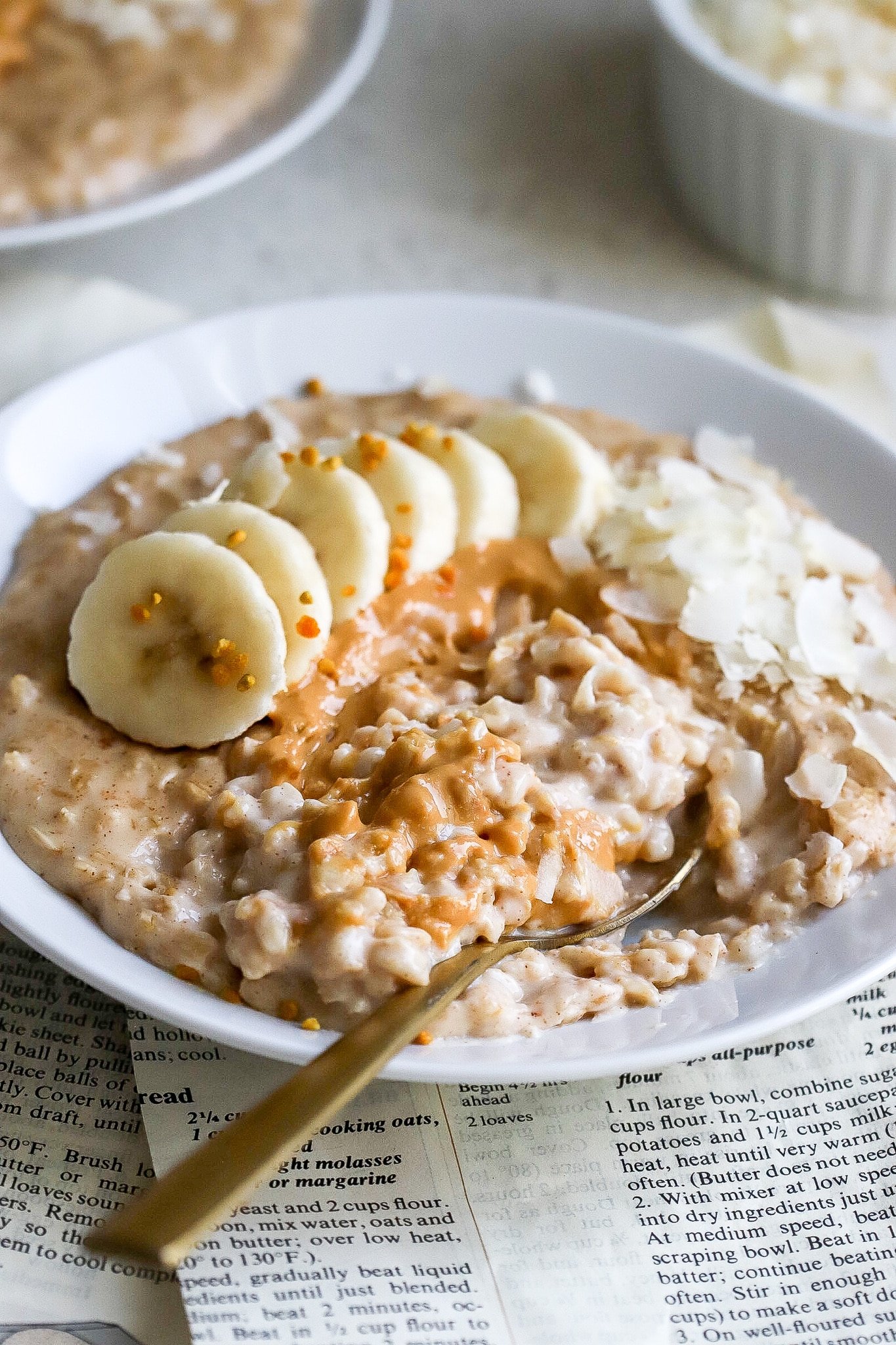
Are you tired of oatmeal that’s dry, sticky, or just plain boring? Imagine starting your day with a bowl of soft, creamy oatmeal that feels like a warm hug.
You don’t need fancy ingredients or complicated steps to get there. With a few simple tips, you can transform your oatmeal into a delicious, comforting meal that makes you look forward to breakfast. Keep reading, and you’ll discover exactly how to cook oatmeal soft and creamy every single time.
Choosing The Right Oats
Cooking soft and creamy oatmeal starts with picking the right oats. Different types of oats change the texture and cooking time.
Knowing the types helps you choose oats that make your oatmeal smooth and tasty.
Types Of Oats
Oats come in many forms. Common types include rolled oats, steel-cut oats, and instant oats. Each type has a different texture and cooking time.
Rolled oats are steamed and flattened. They cook faster and have a soft texture. Steel-cut oats are chopped whole oat groats. They take longer to cook but give a chewy texture. Instant oats are pre-cooked and dried. They cook very fast but can be mushy.
- Rolled oats: soft, quick cooking
- Steel-cut oats: chewy, longer cooking
- Instant oats: very fast, mushy texture
Instant Vs. Steel-cut
Instant oats cook in just a few minutes. They soak up water quickly and become very soft. This makes them great for fast breakfasts.
Steel-cut oats need about 20 to 30 minutes to cook. They keep a firm, chewy texture. You can soak them overnight to shorten cooking time and make them creamier.
- Instant oats: fast cooking, soft and smooth
- Steel-cut oats: slow cooking, chewy and hearty
- Soaking steel-cut oats helps soften them
Credit: theforkedspoon.com
Cooking Essentials
Making oatmeal soft and creamy needs the right approach. Simple tools and good ingredients help a lot.
This guide covers the tools you need and the key ingredients for perfect oatmeal.
Tools And Equipment
Choosing the right tools makes cooking oatmeal easier. Use a pot with a thick bottom to cook evenly.
A wooden spoon or heat-resistant spatula helps stir the oatmeal without scratching your pot.
- Medium or small saucepan with a thick base
- Wooden spoon or silicone spatula
- Measuring cups and spoons
- Lid for the pot to keep steam in
- Bowl for serving
Key Ingredients
Use simple ingredients to make soft, creamy oatmeal. The right oats and liquid create the best texture.
Adding a pinch of salt and a small amount of fat helps flavor and creaminess.
- Old-fashioned rolled oats or steel-cut oats
- Milk, water, or a mix of both
- Pinch of salt
- Butter or a small amount of oil (optional)
- Sweeteners like honey or maple syrup (optional)
Perfect Water To Oats Ratio
Cooking oatmeal soft and creamy starts with the right water to oats ratio. This ratio controls the texture and thickness of your oatmeal.
Too little water makes the oats dry and hard. Too much water makes them thin and watery.
Finding The Balance
The common water to oats ratio is two parts water to one part oats. This ratio helps oats cook fully and become soft.
You can use milk or a mix of water and milk for creamier oatmeal. Milk adds richness and a smooth texture.
- For 1 cup oats, use 2 cups water or milk
- Use less liquid for thicker oatmeal
- Use more liquid for thinner oatmeal
Adjusting For Texture
Adjust the water to oats ratio to get the texture you like. Stir oatmeal during cooking to make it creamier.
Let the oatmeal sit covered for a few minutes after cooking. This helps it thicken and soak up any extra liquid.
- Use 1.5 cups liquid for thicker oatmeal
- Use 2.5 cups liquid for thinner oatmeal
- Stir often for creamier texture
- Rest covered for 3-5 minutes before serving
Cooking Techniques
Cooking oatmeal soft and creamy takes the right techniques. Different methods give different textures and flavors.
Using the right cooking method helps make oatmeal smooth and tasty every time.
Stovetop Methods
Cooking oatmeal on the stove lets you control texture easily. Use medium-low heat to avoid burning.
Stir often while cooking. This helps release starch and makes the oatmeal creamy.
- Use a heavy-bottom pot for even heat
- Add more water or milk for creaminess
- Cook oats slowly, about 10 to 15 minutes
- Stir frequently to prevent lumps
- Let it sit covered for a few minutes before serving
Microwave Tips
Microwaving oatmeal is quick but needs care to avoid drying out. Use a large bowl to prevent overflow.
Add extra liquid for softness. Stir oatmeal halfway through cooking to keep it even.
- Use a microwave-safe bowl with room to expand
- Add about twice as much liquid as oats
- Cook on high for 2 to 3 minutes
- Stir well at the halfway point
- Let sit for 1 minute to finish cooking
Slow Cooker Options
Slow cookers make oatmeal soft and creamy with little effort. Cook oats overnight for a warm breakfast.
Use steel-cut oats for best results. Add extra liquid since slow cooking absorbs more moisture.
- Use low heat to cook oats for 6 to 8 hours
- Add 4 parts liquid to 1 part oats for creaminess
- Stir before serving to mix thickened oatmeal
- Use milk or cream for richer texture
- Check liquid levels before cooking to avoid dryness
Enhancing Creaminess
Oatmeal can be soft and creamy with a few simple additions. Adding the right ingredients changes the texture and taste.
This guide covers how to use milk or cream and butter to make your oatmeal creamier.
Adding Milk Or Cream
Milk and cream add richness and smoothness to oatmeal. They make it softer and less dry.
- Use whole milk for a balanced creamy texture.
- Heavy cream adds extra thickness and luxury.
- Warm the milk or cream before adding to avoid cooling the oatmeal.
- Stir milk in slowly while cooking for even creaminess.
- For dairy-free options, try oat milk or almond milk.
Incorporating Butter
Butter adds flavor and a silky texture to oatmeal. It melts into the oats for a creamy finish.
| Type of Butter | Effect on Creaminess | Tips for Use |
| Unsalted Butter | Gives a mild, creamy taste | Add after cooking and stir well |
| Salted Butter | Enhances flavor and creaminess | Use less salt elsewhere in oatmeal |
| Clarified Butter (Ghee) | Rich texture without water | Best for a smooth, buttery feel |
Flavoring And Sweetening
Oatmeal tastes better with the right flavors and sweeteners. Adding these makes it soft and creamy.
You can use natural ingredients to sweeten and spice your oatmeal. This keeps it healthy and tasty.
Natural Sweeteners
Natural sweeteners add gentle sweetness without extra chemicals. They blend well with oatmeal’s texture.
Honey, maple syrup, and mashed bananas are good options. Use small amounts to keep oatmeal soft.
- Honey adds floral notes and smooth sweetness
- Maple syrup gives a rich, warm flavor
- Mashed bananas make oatmeal creamy and sweet
- Dates or date syrup add natural caramel taste
- Applesauce offers mild sweetness and moisture
Spices And Extracts
Spices and extracts bring warm and inviting flavors to your oatmeal. They make each spoonful enjoyable.
Cinnamon, vanilla, and nutmeg are popular choices. Use a pinch or a few drops to keep flavors balanced.
- Cinnamon adds warmth and a mild sweetness
- Vanilla extract gives a rich, creamy aroma
- Nutmeg brings a slightly nutty, spicy taste
- Cardamom offers a fresh, citrusy note
- Ginger adds a gentle zing and warmth
Topping Ideas
Adding toppings to your oatmeal makes it tastier and more fun. You can try different flavors and textures to enjoy each bowl.
Pick toppings that add nutrition and sweetness without too much sugar. Here are some ideas to try.
Fruits And Nuts
Fresh fruits and crunchy nuts add natural sweetness and texture. Use seasonal fruits for the best taste.
- Blueberries for a burst of juice
- Sliced bananas for creaminess
- Chopped apples for crunch
- Raisins or dried cranberries for chewiness
- Almonds or walnuts for healthy fats
- Cashews for a buttery taste
Seeds And Spreads
Seeds add extra nutrition and crunch. Spreads give creaminess and flavor to your oatmeal.
| Seed or Spread | Flavor | Benefits |
| Chia seeds | Mild, nutty | High in fiber and omega-3 |
| Flaxseeds | Earthy | Good source of fiber and antioxidants |
| Sunflower seeds | Nutty | Rich in vitamin E |
| Peanut butter | Rich and creamy | Protein and healthy fats |
| Almond butter | Sweet and nutty | Vitamin E and magnesium |
| Honey | Sweet | Natural sweetener with antioxidants |

Credit: basicswithbails.com
Common Mistakes To Avoid
Cooking oatmeal soft and creamy needs attention. Small mistakes can make it lumpy or dry.
Knowing what to avoid helps you make smooth and tasty oatmeal every time.
Overcooking
Overcooking oatmeal makes it thick and sticky. It can lose its creamy texture and taste bland.
Cook oatmeal on low heat and watch the time closely. Stir often to prevent burning.
- Use gentle heat to cook oats evenly
- Stir regularly to avoid sticking
- Stop cooking as soon as it thickens
- Remove from heat before it gets too thick
Incorrect Ratios
Using the wrong amount of water or milk can make oatmeal too dry or watery. This affects creaminess.
Follow the correct liquid-to-oats ratio for soft oatmeal. Adjust liquids slowly if needed.
- Use about 2 cups of liquid for 1 cup of oats
- Add more liquid if oatmeal feels dry
- Avoid adding too much liquid to keep it creamy
- Milk or a mix of milk and water helps creaminess
Storing And Reheating
Cooking soft and creamy oatmeal is just the start. Storing and reheating it properly keeps the texture and flavor. This guide covers easy ways to save and warm your oatmeal.
Follow these tips to enjoy your oatmeal fresh even after storing it in the fridge or freezer.
Proper Storage Techniques
Store oatmeal in an airtight container to keep it fresh and avoid drying out. Use the fridge or freezer depending on how soon you want to eat it.
- Cool oatmeal to room temperature before storing.
- Use clean, airtight containers or resealable bags.
- Refrigerate for up to 4 days.
- Freeze for longer storage, up to 3 months.
- Label containers with the date for easy tracking.
Reheating For Creaminess
Reheat oatmeal gently to keep it soft and creamy. Add a liquid to restore moisture and stir well.
| Method | Instructions | Tips |
| Microwave | Heat on medium power for 1-2 minutes. Stir halfway. | Add milk or water for creaminess. |
| Stovetop | Warm on low heat, stirring often. | Add a splash of milk or cream to loosen texture. |
| Double Boiler | Heat oatmeal in a bowl over simmering water. | Stir until warm and creamy. |

Credit: food52.com
Frequently Asked Questions
How Do I Make Oatmeal Soft And Creamy?
To make oatmeal soft and creamy, cook it slowly over low heat. Use more liquid than oats. Stir frequently to prevent sticking. Adding milk or cream enhances creaminess and texture.
What Type Of Oats Is Best For Creamy Oatmeal?
Steel-cut oats and rolled oats work best for creamy oatmeal. Steel-cut oats take longer to cook but offer a chewy texture. Rolled oats cook faster and absorb liquids well for softness.
Can I Use Milk Instead Of Water For Creamier Oatmeal?
Yes, using milk instead of water makes oatmeal creamier. Milk adds richness and smooth texture. You can use dairy or plant-based milk according to preference.
How Long Should I Cook Oatmeal For Creaminess?
Cook oatmeal for 10 to 20 minutes on low heat. Longer cooking allows oats to absorb liquid fully and become creamy. Stir occasionally to avoid lumps and burning.
Conclusion
Soft and creamy oatmeal is easy to make with simple steps. Stir gently and cook slowly for the best texture. Use the right amount of liquid to avoid dryness or runniness. Add your favorite toppings for extra flavor and nutrition.
Enjoy a warm bowl that feels comforting and delicious. This simple breakfast can start your day right. Keep practicing, and your oatmeal will taste better every time. Simple, tasty, and healthy. What could be better?