
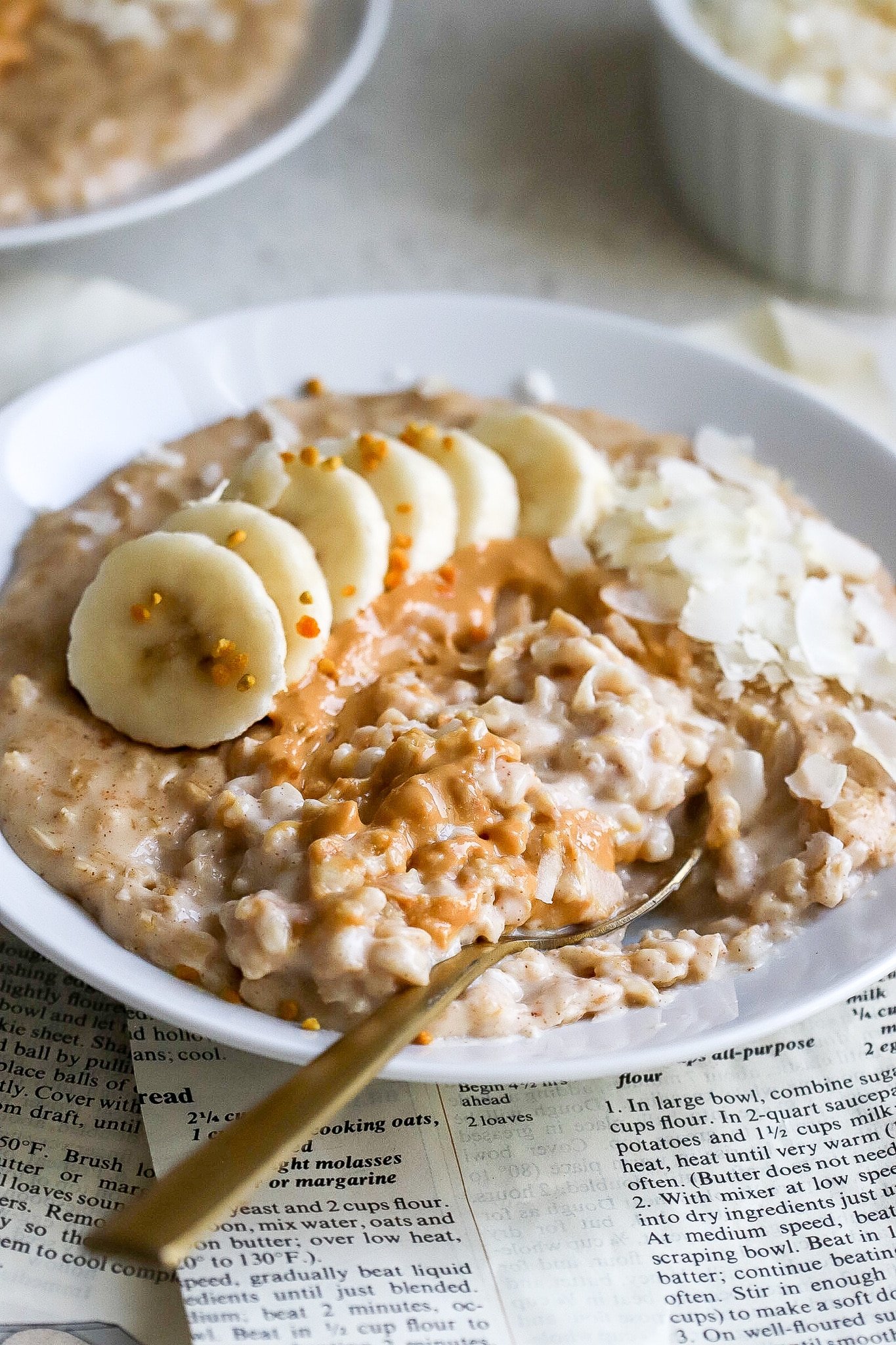
Are you tired of oatmeal that feels dry, clumpy, or bland? You’re not alone.
Many people struggle to get that perfect creamy and soft texture that makes oatmeal so comforting and delicious. But here’s the good news: with a few simple tips and tricks, you can transform your oatmeal into a warm, smooth bowl that feels like a hug in the morning.
Keep reading, and you’ll discover easy ways to cook oatmeal that’s just right—soft, creamy, and ready to fuel your day. Your breakfast game is about to change for the better.

Credit: flavorfulife.com
Choosing The Right Oats
Oatmeal can be soft and creamy if you start with the right oats. Different oats cook differently and affect texture and taste.
Knowing the types of oats helps you pick the best one for smooth oatmeal. This guide explains common oat types and how to choose.
Rolled Oats
Rolled oats are steamed and flattened. They cook faster than steel-cut oats but keep a creamy texture. They are a popular choice for soft oatmeal.
Steel-cut Oats
Steel-cut oats are whole oat groats cut into pieces. They take longer to cook and have a chewy texture. Use them if you like a hearty oatmeal.
Instant Oats
Instant oats are pre-cooked and dried. They cook very quickly but can become mushy. They are good for fast oatmeal but less creamy.
Comparison Table Of Oat Types
| Oat Type | Cooking Time | Texture | Best For |
|---|---|---|---|
| Rolled Oats | 5-10 minutes | Creamy and soft | Everyday oatmeal |
| Steel-Cut Oats | 20-30 minutes | Chewy and nutty | Hearty breakfast |
| Instant Oats | 1-2 minutes | Soft and mushy | Quick meals |
| Oat Groats | 45 minutes or more | Firm and chewy | Nutritious choice |
How To Pick Oats For Creamy Oatmeal
- Choose rolled oats for balance of creaminess and cooking time.
- Use steel-cut oats if you want a chewy texture and longer cook.
- Pick instant oats only if you need a quick meal.
- Try oat groats for a chewy, whole-grain option but expect longer cooking.
Always check the packaging for freshness. Fresh oats taste better and cook evenly for soft oatmeal.
Optimal Water To Oats Ratio
Cooking oatmeal creamy and soft depends on the right water to oats ratio. Using too little water makes oats dry and hard.
Too much water makes oatmeal runny and watery. Finding the perfect balance is key to creamy texture.
Standard Water To Oats Ratio
The usual ratio for rolled oats is 2 cups of water for every 1 cup of oats. This gives soft and creamy oatmeal.
Adjust the water slightly if you want thicker or thinner oatmeal.
- 1 cup oats + 2 cups water = creamy, soft oatmeal
- 1 cup oats + 1.5 cups water = thicker oatmeal
- 1 cup oats + 2.5 cups water = thinner oatmeal
Using Milk Instead Of Water
You can replace water with milk or use half milk and half water. Milk makes oatmeal creamier and richer.
Keep the same total liquid amount to keep the texture soft and smooth.
- 1 cup oats + 1 cup water + 1 cup milk = creamy oatmeal
- 1 cup oats + 2 cups milk = very creamy, soft oatmeal
Adjusting For Different Oat Types
Steel-cut oats need more water and longer cooking. Use 3 to 4 cups water per 1 cup oats.
Instant oats require less water, usually 1 to 1.5 cups per 1 cup oats.
| Oat Type | Water to Oats Ratio |
| Rolled oats | 2:1 |
| Steel-cut oats | 3-4:1 |
| Instant oats | 1-1.5:1 |
Tips For Creamy Oatmeal Texture
Cook oats slowly on low heat. Stir often to release starch and make oats creamy.
Let oatmeal sit covered for a few minutes after cooking. It thickens and softens more.
- Use the right water to oats ratio
- Cook slowly and stir frequently
- Let oatmeal rest before serving
Cooking Techniques For Creaminess
Oatmeal becomes creamy and soft with the right cooking methods. The way you heat and stir it changes the texture a lot.
Using gentle heat and careful stirring helps oats absorb water evenly. This makes the oatmeal smooth and rich.
Simmering Vs. Boiling
Simmering means cooking oats on low heat just below boiling. Boiling is cooking at high heat with lots of bubbles.
- Simmering keeps oats soft and creamy.
- Boiling can make oats tough or sticky.
- Simmering takes a bit longer but improves texture.
- Boiling cooks faster but may cause lumps.
For creamy oatmeal, use simmering. Stir often and cook slowly to let oats swell nicely.
Stirring Methods
How and when you stir oats affects creaminess. Stirring breaks up lumps and releases starch.
| Stirring Time | Effect on Creaminess |
| Stir occasionally | Allows oats to cook evenly without becoming gluey |
| Stir continuously | Releases more starch, making oatmeal thicker and creamier |
| No stirring | May cause clumps and uneven texture |
Try stirring gently but often. Use a wooden spoon to keep oatmeal soft and creamy.
Credit: umamigirl.com
Enhancing Flavor With Ingredients
Cooking oatmeal creamy and soft is easy with the right ingredients. Adding certain items can improve taste and texture.
Choosing the best ingredients helps make your oatmeal more enjoyable and flavorful.
Adding Milk Or Cream
Use milk or cream instead of water for cooking oats. This makes oatmeal smoother and richer.
Whole milk adds creaminess, while cream makes it extra soft. You can also try plant-based milk for different flavors.
- Whole milk for rich, creamy texture
- Cream for extra softness and thickness
- Almond, soy, or oat milk for mild flavors
- Heat milk or cream before adding to oats
Incorporating Fruits And Nuts
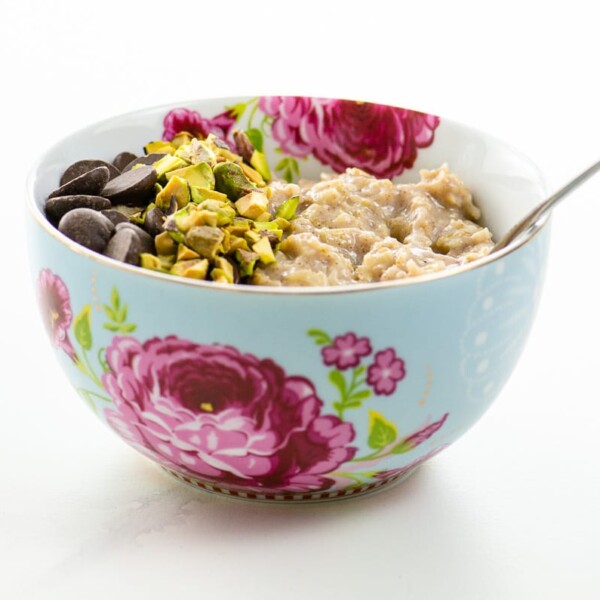
Adding fruits and nuts gives oatmeal natural sweetness and crunch. Fresh or dried fruits work well.
Nuts add texture and healthy fats. Toast nuts lightly for better flavor before mixing them in.
- Fresh fruits like berries, bananas, or apples
- Dried fruits such as raisins, cranberries, or dates
- Chopped nuts like almonds, walnuts, or pecans
- Mix fruits and nuts after cooking for best texture
Timing For Perfect Texture
Cooking oatmeal to creamy and soft perfection depends on timing. The right duration helps oats absorb water fully.
Resting the oatmeal after cooking improves its texture and flavor. Both cooking and resting times matter.
Cooking Duration
Cooking time varies by oat type. Steel-cut oats take longer than rolled oats. Watch the pot closely.
- Steel-cut oats: Cook for 20 to 30 minutes on low heat.
- Rolled oats: Cook for 5 to 10 minutes until soft.
- Instant oats: Cook for 1 to 3 minutes, but they may be less creamy.
Stir often to prevent sticking and to create a creamy texture. Remove from heat once soft but not mushy.
Resting Period
Let oatmeal rest after cooking. This step thickens and softens the oats further.
| Resting Time | Effect on Texture |
| 5 minutes | Oatmeal thickens slightly and becomes creamier |
| 10 minutes | Softens oats more, texture is smooth and rich |
| 15 minutes | Oatmeal sets well but may be too thick for some |
Cover oatmeal with a lid while resting to keep heat and moisture inside.
Common Mistakes To Avoid
Cooking oatmeal creamy and soft needs some care. Small mistakes can make it thick or lumpy.
Knowing what to avoid helps you get the best texture and taste every time.
Using Too Much Water Or Milk
Adding too much liquid makes oatmeal runny and less creamy. Too little liquid makes it dry and hard.
Not Stirring Enough
Stirring helps break down oats and release starch. Skipping this step causes lumps and uneven cooking.
Cooking At Too High Heat
High heat cooks oats too fast. It can burn the bottom and make the texture rough.
- Use low or medium heat
- Cook slowly for creaminess
- Stir often to prevent sticking
Choosing The Wrong Type Of Oats
Instant oats cook fast but are less creamy. Steel-cut oats take longer but yield soft results.
| Oat Type | Texture | Cooking Time |
| Instant Oats | Less creamy | 1-2 minutes |
| Rolled Oats | Creamy | 5-7 minutes |
| Steel-Cut Oats | Soft and chewy | 20-30 minutes |
Adding Sweeteners Or Salt Too Early
Adding sugar or salt at the start can change cooking. Add them after oats soften for best taste and texture.
Ignoring Rest Time After Cooking
Let oatmeal sit for a few minutes after cooking. This helps it thicken and become creamier.
Experimenting With Variations
Oatmeal can be creamy and soft by changing the ingredients and flavors. Trying different versions keeps breakfast exciting.
This guide shows savory and sweet ideas to make your oatmeal tasty and new every time.
Savory Options
Adding savory toppings can turn oatmeal into a filling meal for any time of day. Use spices and vegetables to create rich flavors.
- Stir in cooked spinach and a pinch of black pepper
- Top with a fried egg and a sprinkle of cheese
- Mix in sautéed mushrooms and garlic
- Add chopped tomatoes and fresh herbs like parsley
- Use avocado slices and a dash of chili flakes
Sweet Twists
Sweet oatmeal options bring comfort and energy. You can add fruits, nuts, or natural sweeteners to make it creamy and soft.
| Sweet Ingredient | Flavor Profile | Texture Effect |
| Banana | Sweet and mild | Creamy and smooth |
| Maple syrup | Rich and sweet | Adds moisture and softness |
| Cinnamon | Warm and spicy | Enhances flavor depth |
| Chopped nuts | Nutty and crunchy | Adds contrast to creaminess |
| Fresh berries | Tart and juicy | Lightens texture |

Credit: basicswithbails.com
Frequently Asked Questions
How Long Should I Cook Oatmeal For Creaminess?
Cook oatmeal for 10 to 15 minutes on low heat. Stir frequently to release starch and create a creamy texture.
What Type Of Oats Makes Soft Oatmeal?
Steel-cut oats or rolled oats create the creamiest, softest oatmeal. Avoid instant oats for best texture.
Should I Add Water Or Milk For Creamy Oatmeal?
Use milk or a mix of milk and water for creaminess. Milk adds richness and softens oats perfectly.
How Can I Prevent Oatmeal From Becoming Lumpy?
Stir oatmeal regularly while cooking to avoid lumps. Use low heat to cook oats evenly and smoothly.
Conclusion
Cooking oatmeal creamy and soft takes a few simple steps. Use the right water-to-oats ratio for the best texture. Stir gently and cook slowly to avoid lumps. Adding milk or cream can make it richer. Taste often and adjust sweetness as you like.
Enjoy your warm, healthy breakfast every day. Cooking oatmeal can be easy and fun. Try different toppings for variety and flavor. Keep practicing, and your oatmeal will always turn out perfect.