
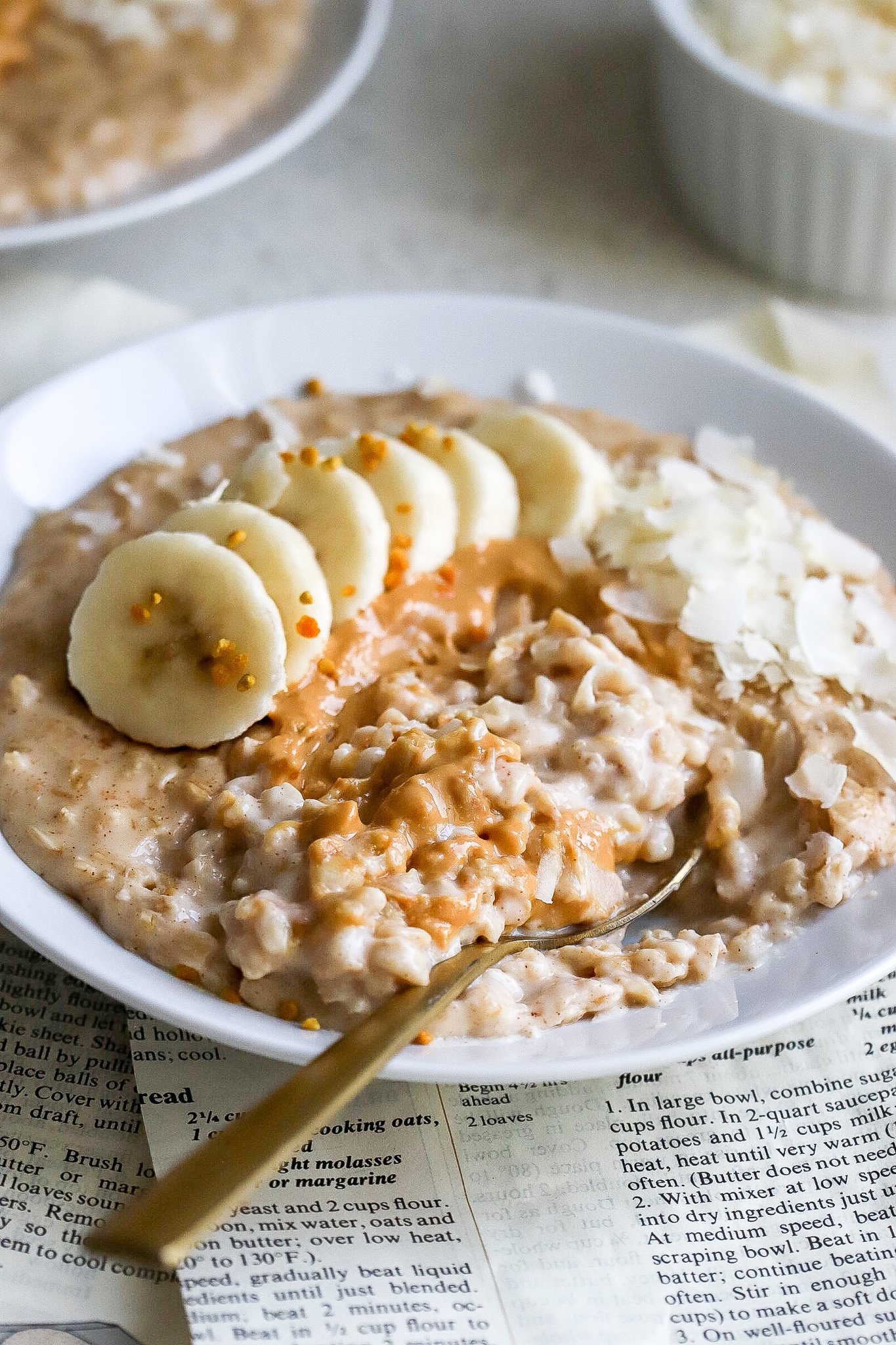
You want your oatmeal creamy, smooth, and delicious every single time, right? But sometimes, it turns out lumpy or too thick, leaving you disappointed.
What if you could learn a simple way to cook oatmeal that feels like a warm hug in a bowl? In this guide, you’ll discover easy tips and tricks to make your oatmeal perfectly creamy, so your breakfast becomes the best part of your day.
Keep reading, and you’ll never settle for dry, bland oatmeal again.

Credit: basicswithbails.com
Choosing The Right Oats
Oatmeal is a healthy and tasty breakfast choice. Picking the right oats affects how creamy your oatmeal will be.
Different oats cook and taste differently. Knowing the types helps you get the texture you want.
Steel-cut Vs Rolled Oats
Steel-cut oats are chopped whole oat groats. Rolled oats are steamed and flattened.
- Steel-cut oatstake longer to cook but have a chewy texture.
- Rolled oatscook faster and make creamier oatmeal.
- Steel-cut oats offer a nuttier flavor.
- Rolled oats absorb water better for smoothness.
Instant Oats And Their Texture
Instant oats cook the fastest. They are pre-cooked and dried.
| Oat Type | Cooking Time | Texture |
| Steel-Cut Oats | 20-30 minutes | Chewy and hearty |
| Rolled Oats | 5-10 minutes | Creamy and soft |
| Instant Oats | 1-2 minutes | Soft and mushy |
Organic And Gluten-free Options
Organic oats grow without synthetic chemicals. Gluten-free oats avoid cross-contamination with wheat.
- Choose organic oats for fewer pesticides.
- Pick gluten-free oats if you have gluten sensitivity.
- Read labels carefully to ensure purity.
- Both types can be steel-cut, rolled, or instant.
Optimal Cooking Methods
Oatmeal can be cooked in many ways to get a creamy texture. The cooking method affects taste and texture. Choose the best method for your time and tools.
This guide covers three main methods to cook creamy oatmeal. Learn about stovetop, microwave, and slow cooker techniques.
Stovetop Techniques
Cooking oatmeal on the stovetop allows control over texture. Use the right ratio of oats to liquid for creaminess. Stir often to prevent sticking.
- Use 1 cup of rolled oats and 2 cups of water or milk.
- Bring liquid to a boil in a saucepan.
- Add oats and reduce heat to low.
- Simmer and stir for 5 to 7 minutes.
- Remove from heat and let sit for 2 minutes.
Microwave Preparation
Microwave cooking is quick and easy. Use a microwave-safe bowl and avoid overflow by choosing a large bowl.
| Oats | Liquid | Cooking Time |
| ½ cup rolled oats | 1 cup water or milk | 2 to 3 minutes |
| ½ cup quick oats | 1 cup water or milk | 1 to 2 minutes |
Stir halfway through cooking. Let oatmeal rest for one minute before eating. This helps the creaminess develop.
Slow Cooker Benefits
Slow cookers make creamy oatmeal with little effort. They cook oats gently over hours. Use steel-cut oats for best results.
- Use 1 cup steel-cut oats and 4 cups liquid.
- Cook on low for 6 to 8 hours or overnight.
- Stir before serving to mix the creamy texture.
Water To Oats Ratio
Getting the water to oats ratio right is key to creamy oatmeal. Too much water makes it runny. Too little water makes it dry and thick.
The right balance helps oats cook well and become soft. This creates a smooth texture that feels creamy in your mouth.
Achieving Creaminess With Liquid
Use more liquid than oats for creamy oatmeal. Water is common, but milk or plant-based milk adds extra creaminess.
Cook oats slowly on low heat. Stir often to help release starch. This makes the oatmeal thick and creamy.
- Use 2 cups of water or milk for 1 cup of oats
- Cook on low heat for 5-10 minutes
- Stir frequently to prevent sticking and increase creaminess
Adjusting For Personal Preference
Some like oatmeal thicker, others prefer it thinner. Adjust the water or milk amount to fit your taste.
Add liquid little by little while cooking. Stop when you reach your desired texture. You can also add cream or yogurt for richness.
- For thicker oatmeal, use 1.5 cups of liquid per cup of oats
- For thinner oatmeal, use 2.5 cups of liquid per cup of oats
- Try adding cream or yogurt after cooking for extra smoothness
Cooking Time Tips
Cooking oatmeal creamy takes the right time and care. Too long or too short can change its texture.
Use these tips to cook oatmeal that feels smooth and soft. Timing is key for great results.
Avoiding Overcooking
Overcooked oatmeal becomes thick and sticky. It loses its creamy texture and can taste burnt.
Watch the cooking time carefully. Stir often to stop oatmeal from sticking to the pot.
- Use medium heat to cook oatmeal evenly
- Stir every few minutes to avoid burning
- Remove from heat just before it gets too thick
Timing For Creamy Consistency
Cooking time affects how creamy your oatmeal turns out. Less time makes it runny, more time thickens it.
Check oatmeal at 5 minutes and then every 2 minutes. Stop cooking when it looks smooth and soft.
- Quick oats: cook 1-3 minutes for creaminess
- Old-fashioned oats: cook 5-7 minutes for best texture
- Steel-cut oats: cook 15-20 minutes, stir well
Stirring And Texture Control
Cooking creamy oatmeal needs careful stirring. Stirring helps control the texture and prevents clumps.
The right stirring makes your oatmeal smooth and thick. It also stops the oats from sticking to the pot.
When And How Often To Stir
Start stirring your oatmeal after it begins to thicken. Keep stirring regularly to avoid lumps.
Stir every few minutes to keep the oatmeal moving. This helps the oats cook evenly and stay creamy.
- Do not stir too early; wait for bubbling.
- Stir every 2 to 3 minutes while cooking.
- Use gentle, circular motions for best results.
- Stop stirring once oatmeal reaches the right thickness.
Using Tools For Smoothness
Use a wooden spoon or silicone spatula for stirring. These tools help mix oatmeal without breaking oats.
A whisk can make oatmeal extra smooth. Whisk gently to avoid splashing hot oatmeal.
- Wooden spoon: sturdy and gentle on pots.
- Silicone spatula: flexible, good for scraping sides.
- Whisk: best for a creamy, lump-free texture.

Credit: www.laurentwiggenutrition.com
Enhancing Flavor And Creaminess
Oatmeal can be plain and simple, but you can make it taste much better. Adding creamy textures and rich flavors makes it more enjoyable.
Small changes can turn your oatmeal into a warm, tasty meal. Try different ingredients to find your favorite mix.
Adding Dairy And Alternatives
Use milk or cream instead of water for cooking oatmeal. This makes it thicker and creamier. You can also try plant-based milks for a smooth texture.
Some good dairy and alternatives include almond milk, coconut milk, and oat milk. These add flavor and creaminess without being too heavy.
- Whole milk or cream for rich taste
- Almond milk for a nutty flavor
- Coconut milk for tropical creaminess
- Oat milk to keep the oatmeal oat-forward
- Greek yogurt added after cooking for extra cream
Sweeteners And Spices
Add sweeteners like honey, maple syrup, or brown sugar to enhance the taste. Use a little at first, then add more if needed.
Spices bring warmth and depth to oatmeal. Cinnamon, nutmeg, and vanilla are popular choices that blend well with oats.
- Honey for natural sweetness
- Maple syrup for a rich taste
- Brown sugar for a caramel note
- Cinnamon for warmth
- Nutmeg for a subtle spicy kick
- Vanilla extract for smooth flavor
Incorporating Fruits And Nuts
Fresh or dried fruits add natural sweetness and texture. Nuts provide crunch and healthy fats that make oatmeal more filling.
Try mixing berries, bananas, or apples with walnuts, almonds, or pecans. Toast nuts first to bring out their flavor.
- Blueberries or strawberries for freshness
- Bananas for creaminess and natural sugar
- Chopped apples for a sweet crunch
- Walnuts for a rich, earthy taste
- Almonds for a mild crunch
- Pecans for a buttery flavor
Troubleshooting Common Issues
Cooking creamy oatmeal can sometimes be tricky. Small mistakes can change the texture and taste.
This guide helps fix two common problems: watery oatmeal and lumpy or dry batches.
Fixing Watery Oatmeal
Watery oatmeal happens if you add too much liquid or cook it too quickly. The oats do not absorb the liquid well.
To fix watery oatmeal, cook it longer on low heat. Stir often to help it thicken.
- Reduce liquid next time by a small amount.
- Simmer gently instead of boiling fast.
- Stir frequently to prevent thin texture.
- Add a small spoon of oats to absorb extra liquid.
Saving Lumpy Or Dry Batches
Lumpy or dry oatmeal means not enough liquid or uneven cooking. It feels rough or thick in some parts.
Add a splash of warm milk or water to smooth lumps. Stir well to mix and soften the oats.
- Use a whisk or spoon to break lumps while cooking.
- Cook on medium heat and stir often.
- Add liquid little by little to avoid dryness.
- Cover the pot and let it sit off heat for 2 minutes to finish cooking.

Credit: raepublic.com
Frequently Asked Questions
What Are The Best Oats For Creamy Oatmeal?
Steel-cut oats are ideal for creamy oatmeal. They retain their shape and texture while cooking. Rolled oats also work well. They absorb liquid efficiently. Quick oats may become mushy, losing the desired creaminess. For the best results, choose high-quality oats.
Organic options are often recommended for richer flavor.
How Much Water For Creamy Oatmeal?
For creamy oatmeal, use a 2:1 water-to-oats ratio. This allows the oats to absorb enough liquid. Stirring frequently while cooking enhances creaminess. Adjust the liquid quantity based on desired thickness. Adding milk or a milk alternative can enrich the texture.
Experiment with ratios for personal preference.
How Long Should I Cook Oatmeal?
Cooking oatmeal for 20-30 minutes achieves creaminess. Stir frequently to prevent sticking. Adjust cooking time based on oat type. Steel-cut oats require more time than rolled oats. Quick oats cook faster but might lose texture. Taste-test during cooking to find your preferred consistency.
Can I Add Milk For Creamier Oatmeal?
Yes, adding milk enhances oatmeal’s creaminess. Substitute some water with milk during cooking. Dairy or plant-based milk both work well. Stir frequently to prevent burning. Milk adds richness and a smooth texture. Experiment with different milk types for varied flavors.
Conclusion
Cooking creamy oatmeal is simple and rewarding. Use the right oats and enough liquid. Stir often to get smooth texture. Add your favorite toppings for extra flavor. Start your day with this warm, healthy meal. Enjoy the comfort and energy oatmeal gives.
Try different recipes to find what you like best. Healthy, tasty, and easy to make. A perfect breakfast for busy mornings.