
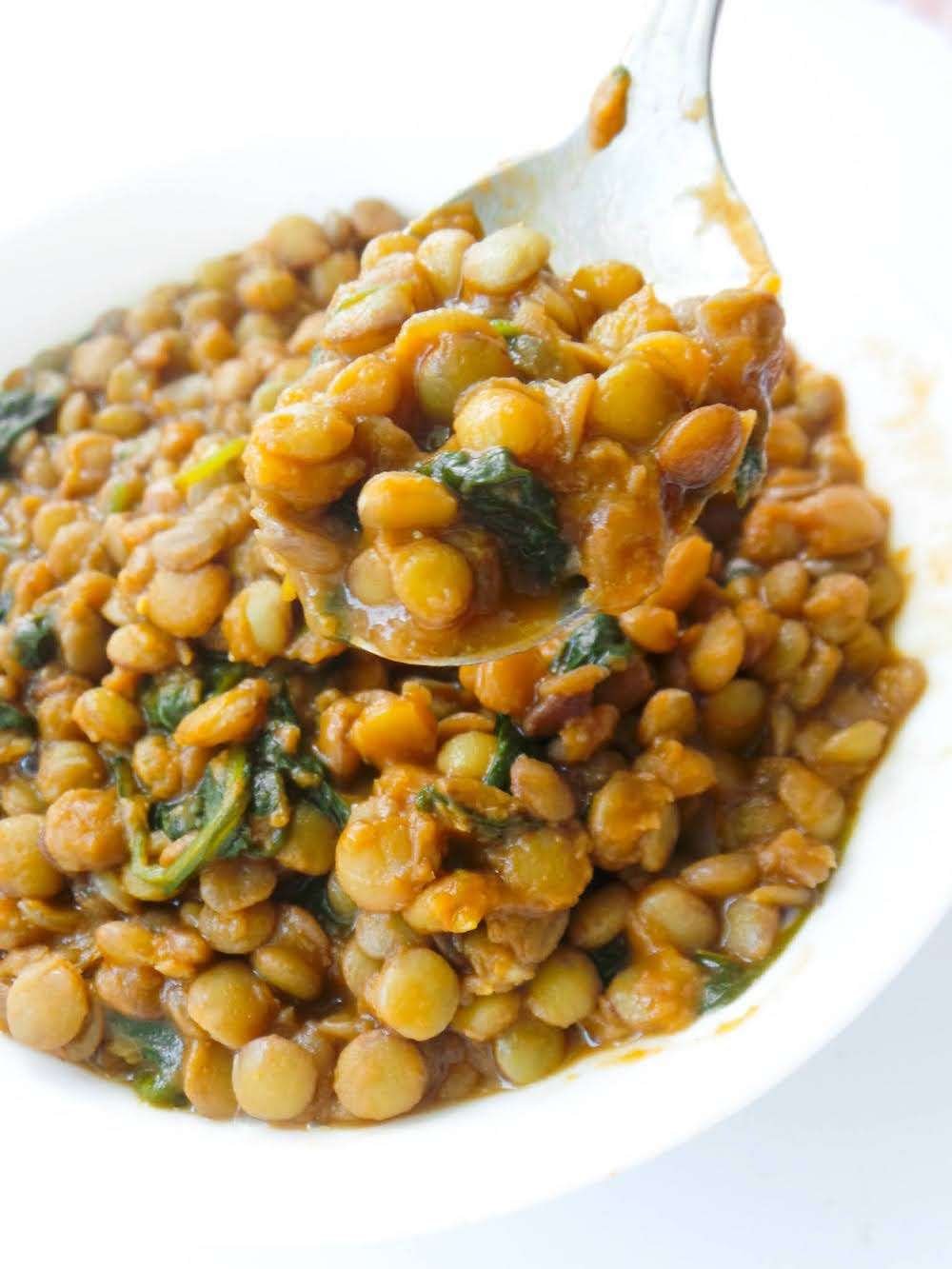
Are you tired of cooking lentils that turn out hard or mushy? Getting lentils tender isn’t as tricky as it seems.
With a few simple tips, you can transform your lentils into soft, delicious bites every time. Imagine adding perfectly cooked lentils to your meals without guesswork or disappointment. Keep reading, and you’ll discover easy steps that make your lentil dishes taste better and feel more satisfying.
Let’s unlock the secret to cooking lentils tender and perfect just for you.
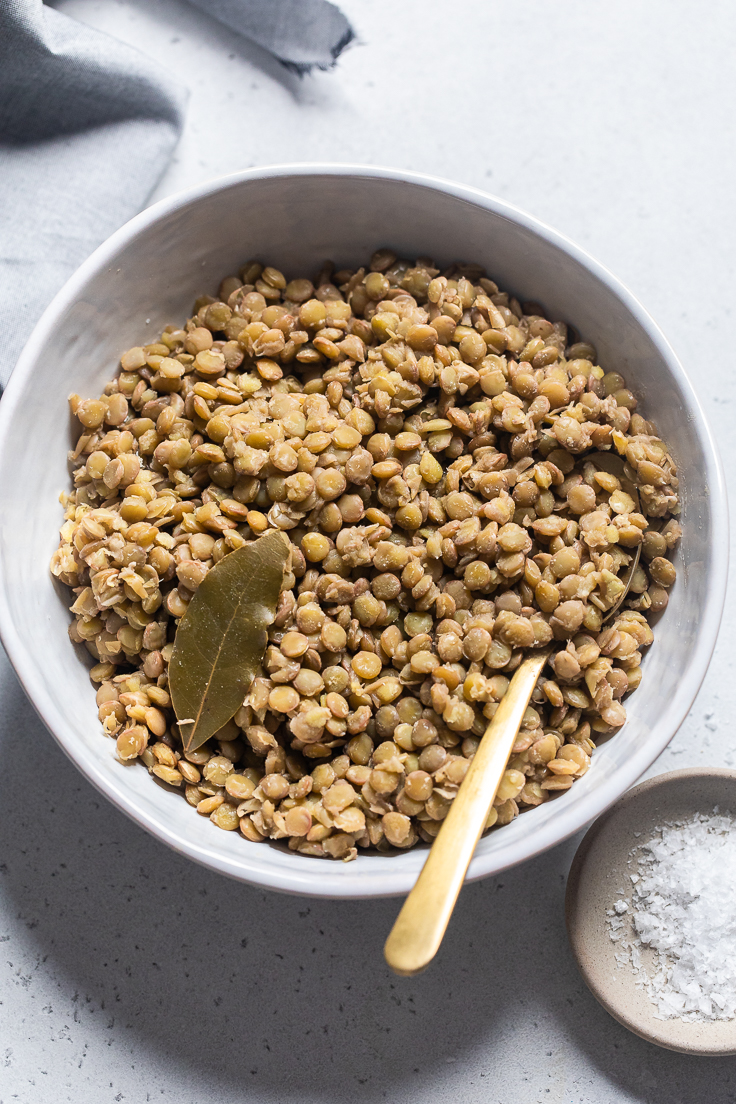
Credit: makeitdairyfree.com
Choosing The Right Lentils
Lentils come in many types and colors. Choosing the right lentil affects how tender your dish will be.
Understanding the varieties helps you cook lentils that taste good and have the right texture.
Varieties Of Lentils
Lentils vary by color, size, and cooking time. Here are some common types:
- Brown Lentils: Most common, hold shape well after cooking.
- Green Lentils: Larger and firmer, good for salads.
- Red Lentils: Cook fast and become soft, great for soups.
- Black Lentils (Beluga): Small and shiny, stay firm when cooked.
- Puy Lentils: A type of green lentil from France, have a peppery taste.
Best Lentils For Cooking
Some lentils cook tender faster than others. Choose based on your recipe:
| Lentil Type | Cooking Time | Texture When Cooked |
|---|---|---|
| Red Lentils | 15–20 minutes | Soft and mushy |
| Brown Lentils | 20–30 minutes | Firm but tender |
| Green Lentils | 25–30 minutes | Firm and slightly peppery |
| Black Lentils | 25–30 minutes | Firm and holds shape |
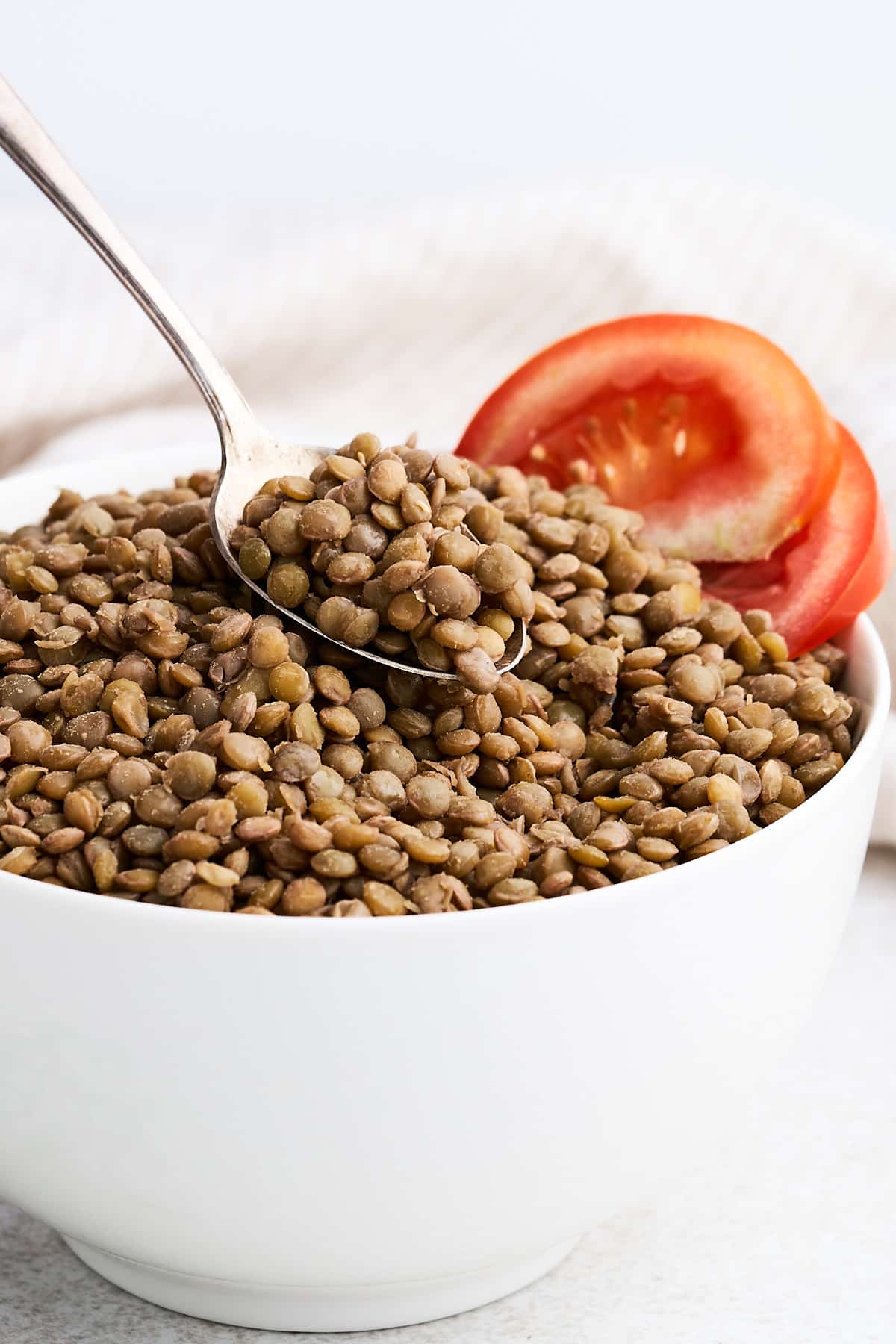
Credit: www.liveeatlearn.com
Preparing Lentils For Cooking
Cooking lentils to a tender texture starts before you put them in the pot. Proper preparation helps remove dirt and improves cooking time.
Taking a few simple steps makes your lentils cook evenly and taste better. Let’s look at how to prepare lentils well.
Rinsing And Sorting
Rinse lentils under cold water to remove dust and debris. Place them in a bowl or colander and wash until the water runs clear.
Sorting means checking for small stones or damaged lentils. Spread them on a flat surface and pick out anything hard or unusual.
- Place lentils in a colander or bowl
- Rinse thoroughly with cold water
- Spread lentils on a tray or plate
- Remove stones, dirt, or broken lentils
Soaking Techniques
Soaking lentils is optional but can reduce cooking time. Soak them in water for 1 to 2 hours before cooking.
Use enough water to cover lentils by a few inches. Drain and rinse the lentils after soaking to remove any leftover impurities.
- Place lentils in a bowl
- Cover with 2-3 times more water
- Let soak for 1 to 2 hours at room temperature
- Drain and rinse before cooking
Cooking Techniques
Cooking lentils so they become tender takes some care. Using the right technique helps the lentils cook evenly and taste good.
Two common ways to cook lentils are boiling and simmering. Both methods soften the lentils, but each has its own steps.
Boiling Lentils
Start by rinsing the lentils under cold water. This removes dirt and dust.
Put lentils in a pot and cover them with water. Use about three cups of water for each cup of lentils.
Bring the water to a boil over high heat. Boiling helps the lentils cook faster at first.
- Rinse lentils before cooking
- Use plenty of water
- Bring water to a rolling boil
Simmering For Tenderness
After boiling, reduce the heat to low. Let the lentils simmer gently.
Simmering allows the lentils to cook slowly and become soft without breaking apart.
- Lower heat to maintain a gentle simmer
- Cover the pot partially to prevent too much water loss
- Check lentils often for tenderness
- Add more water if needed to keep lentils covered
Flavor Enhancements
Cooking lentils tender is important, but adding flavor makes them taste better. You can use herbs, spices, broths, and stocks to improve the taste.
These simple additions help make lentils more delicious and enjoyable in every dish.
Herbs And Spices
Adding herbs and spices to lentils gives them a fresh and rich flavor. You can add them while cooking or after lentils are tender.
Common herbs and spices include garlic, cumin, bay leaves, and thyme. They add warmth and depth to the lentils.
- Garlic adds a strong, savory taste
- Cumin gives a warm, earthy flavor
- Bay leaves provide subtle herbal notes
- Thyme offers a fresh, slightly minty flavor
Broths And Stocks
Using broths or stocks instead of water makes lentils richer and tastier. Chicken, vegetable, or beef broth works well.
They add natural flavors that soak into the lentils as they cook. This method gives lentils a savory base without extra effort.
- Vegetable broth adds a light, fresh flavor
- Chicken broth gives a mild, savory taste
- Beef broth offers a deep, hearty flavor
Tips For Perfect Texture
Cooking lentils to the right texture is important for a great meal. You want them tender but not mushy. This guide helps you get the best results.
Paying attention to cooking time and testing doneness can make all the difference. Follow these tips to avoid common mistakes.
Avoiding Overcooking
Overcooked lentils become mushy and lose their shape. Keep an eye on cooking times and temperature to keep them tender.
- Use a timer and check lentils often after 10 minutes of cooking.
- Cook lentils at a gentle simmer, not a rolling boil.
- Do not add salt or acidic ingredients before lentils are tender.
- Drain lentils immediately once they reach the desired softness.
Testing For Doneness
Testing lentils for doneness is simple. Taste and texture tell you when they are ready.
| Test | What to Look For |
|---|---|
| Taste Test | Lentils should be soft but hold their shape. |
| Texture Test | Lentils should be creamy inside and not crunchy. |
| Appearance | Lentils should look plump and slightly swollen. |
| Cooking Time | Most lentils cook in 15 to 25 minutes, depending on type. |
Common Mistakes To Avoid
Cooking lentils so they turn out tender requires care. Many cooks make simple mistakes that affect texture and taste.
Knowing what to avoid can save time and improve your dish’s flavor and softness.
Undercooking
Undercooked lentils stay hard and can be tough to digest. They need enough time and water to soften properly.
- Don’t rush the cooking time; most lentils need at least 20 to 30 minutes.
- Avoid cooking with too little water, which can dry out the lentils.
- Test lentils by tasting; they should be soft but not mushy.
- Use simmering heat instead of boiling fast to cook evenly.
Overseasoning
Adding too many spices or salt early in cooking can make lentils tough. It can also hide their natural flavor.
| Seasoning Mistake | Effect on Lentils | Tip |
| Adding salt at start | Hardens lentils and delays cooking | Add salt after lentils soften |
| Using too many spices | Overpowers lentil’s mild taste | Use simple seasoning first |
| Adding acidic ingredients early | Slows softening process | Add lemon or vinegar near the end |
Serving And Storing Lentils
Lentils are easy to cook and very healthy. Knowing how to serve and store them keeps them fresh and tasty.
Proper serving and storing help you enjoy lentils longer and reduce food waste.
Pairing With Other Dishes
Lentils go well with many foods. They add protein and fiber to your meal.
You can serve lentils with rice, vegetables, or bread for a balanced dish.
- Mix cooked lentils with sautéed vegetables for a warm salad.
- Use lentils in soups with carrots and celery for extra flavor.
- Serve lentils alongside grilled meats or fish for added protein.
- Try lentil curry with steamed rice for a filling meal.
- Add lentils to pasta dishes to boost nutrition.
Storage Tips
Store cooked lentils in an airtight container. Keep them in the fridge for up to five days.
You can also freeze cooked lentils. Use freezer-safe bags or containers to keep them fresh for months.
- Cool lentils completely before storing.
- Label containers with the date before freezing.
- Thaw frozen lentils in the fridge overnight.
- Reheat lentils gently to keep them soft.
- Do not store lentils at room temperature for long.
:max_bytes(150000):strip_icc()/20240929-SEA-PressureCookedLentilsAndSauasage-QiAi-Hero3-39-6a4be18c371f462e9d95fbb6b5e40b47.jpg)
Credit: www.seriouseats.com
Frequently Asked Questions
How Long Should I Soak Lentils Before Cooking?
Soaking lentils for 1-2 hours softens them and reduces cooking time. It also improves digestibility and ensures even cooking. However, soaking is optional for smaller lentils like red or yellow types, which cook quickly without soaking.
What Is The Best Water-to-lentil Ratio For Tenderness?
Use 3 cups of water per 1 cup of lentils for tender results. This ratio prevents dryness and ensures lentils absorb enough moisture during cooking. Adjust water slightly based on lentil type and desired texture.
Can Adding Salt Affect Lentil Tenderness?
Adding salt at the start can toughen lentils and increase cooking time. It is better to add salt after lentils become tender. This helps maintain their softness while enhancing flavor.
Should I Boil Or Simmer Lentils For Best Texture?
Simmer lentils gently instead of boiling rapidly to avoid splitting and mushiness. A low simmer cooks lentils evenly, resulting in tender but intact grains. Stir occasionally to prevent sticking.
Conclusion
Cooking lentils tender takes some care and patience. Soaking them before cooking helps reduce time and improves texture. Keep an eye on the pot and test lentils often. Avoid overcooking to prevent mushiness. Simple steps make lentils soft and tasty every time.
Enjoy your healthy, comforting meal with confidence. Practice makes perfect, and soon you will cook lentils just right. Give it a try today!