
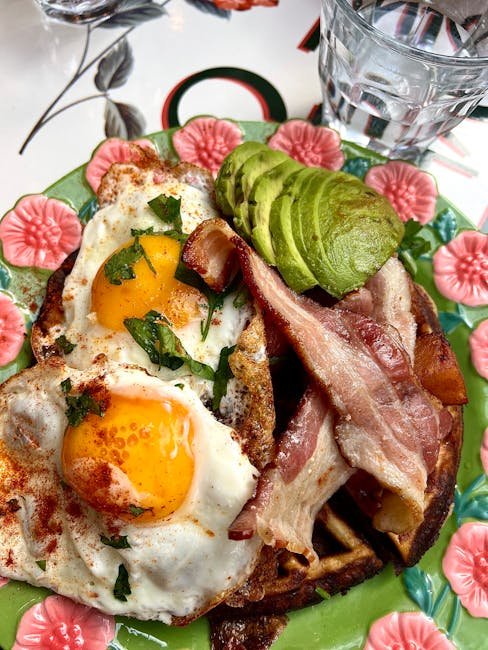
If you’ve ever struggled with cooking eggs just right, you’re not alone. Getting that perfect over easy egg—where the white is set but the yolk stays runny—can seem tricky.
But once you learn the simple steps, you’ll impress yourself every time. Imagine starting your day with eggs cooked exactly how you like them, with no guesswork or frustration. In this guide, you’ll discover easy techniques that make cooking over easy eggs quick and foolproof.
Ready to master this classic breakfast favorite? Let’s get cracking!
Credit: onehealthassist.com
Choosing The Right Eggs
Picking the right eggs makes cooking over easy eggs simpler and tastier.
Good eggs cook evenly and look better on the plate.
Freshness Matters
Fresh eggs hold their shape better and have firmer whites.
- Check the pack date or sell-by date on the carton.
- Use eggs within three to five weeks of purchase.
- Perform a water test: fresh eggs sink, old eggs float.
Size And Type Considerations
Egg size affects cooking time and texture. Choose the type based on taste and cooking style.
| Egg Size | Use in Cooking |
| Small | Good for light dishes |
| Medium | Standard for most recipes |
| Large | Best for over easy eggs |
| Extra Large | Great for hearty meals |
| Jumbo | Used when extra volume is needed |
Essential Equipment
Cooking eggs over easy needs the right tools for best results. Using proper equipment helps cook eggs gently and flip them without breaking.
This guide covers two main items: the pan and the spatula. Both affect how your eggs turn out.
Choosing The Right Pan
A good pan ensures even cooking and easy flipping. Non-stick pans are popular for cooking eggs over easy. They prevent sticking and breakage.
- Use a small or medium-sized non-stick skillet.
- Look for pans with a flat bottom for even heat.
- A pan with a heavy base keeps heat steady.
- Choose pans with a comfortable handle for safe flipping.
- Make sure the pan is clean and dry before use.
Spatula Selection
The spatula helps flip the eggs gently. A flexible and thin spatula works best. It slides under the eggs without breaking the yolk or white.
| Spatula Type | Material | Best Use |
| Turner Spatula | Silicone or Nylon | Non-stick pans, gentle flipping |
| Metal Spatula | Stainless Steel | Cast iron pans, firmer grip |
| Offset Spatula | Silicone | Precise flipping, delicate foods |
Preparing The Pan
Cooking eggs over easy needs a good pan setup. The pan must be ready before adding eggs.
Preparing the pan right helps cook the eggs evenly. It also stops them from sticking.
Oil Or Butter?
Choose oil or butter to grease the pan. Both help stop eggs from sticking.
Butter adds a rich taste and browns nicely. Oil heats well and stays stable at high heat.
- Butter gives a creamy flavor and golden edges
- Oil works well for higher heat without burning
- You can mix both for flavor and heat control
Heating To The Right Temperature
Heat the pan to medium or medium-low. Too hot will burn the eggs.
The right temperature cooks eggs gently. It keeps the yolks soft and whites set.
- Heat pan until butter melts or oil shimmers
- Test heat by sprinkling a drop of water; it should sizzle softly
- Adjust heat to keep eggs from cooking too fast
Cracking The Eggs
Cracking eggs correctly is key to cooking eggs over easy. It helps keep the yolks whole and avoids shell bits.
Learn simple tips to crack eggs cleanly and keep your eggs perfect for frying.
Avoiding Shell Pieces
Shell pieces can ruin the texture of your eggs. Use these tips to avoid them when cracking.
- Tap the egg gently on a flat surface, not on the edge of a bowl.
- Hold the egg over a bowl to catch any stray shell pieces.
- Open the shell slowly with your thumbs to avoid breaking it into small bits.
- If shell pieces fall in, use a larger piece of shell to scoop them out.
Keeping Yolks Intact
Keeping the yolk whole helps the eggs cook evenly and look better. Follow these steps to protect the yolk.
| Tip | Explanation |
| Use fresh eggs | Fresh eggs have firmer yolks that break less easily. |
| Crack on flat surface | Cracking on flat surfaces avoids sharp shell edges that can pierce yolks. |
| Open shell gently | Slowly pull shell halves apart to keep the yolk whole. |
| Handle with care | Hold the egg close to the pan to avoid drops that break yolks. |
Cooking The Eggs
Cooking eggs over easy means frying them on both sides. The yolk stays soft and runny. You need the right heat and timing to get this right.
This guide shows how to cook eggs over easy perfectly. We focus on timing and technique, and how to flip the eggs safely.
Timing And Technique
Start by heating a non-stick pan on medium heat. Add a little butter or oil to prevent sticking. Crack the eggs gently into the pan.
Cook the eggs for about 2 to 3 minutes. Watch the whites to turn firm but not brown. The yolk should still look soft and shiny.
- Use medium heat to avoid burning
- Cook until whites are mostly set
- Keep the yolk runny for over easy eggs
Flipping The Eggs
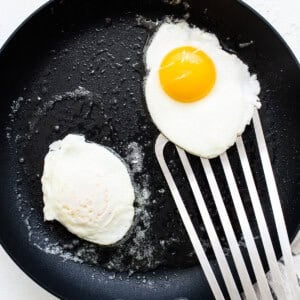
Flipping eggs is the tricky part. Use a thin spatula and slide it gently under the egg. Lift the egg carefully to avoid breaking the yolk.
Flip the egg quickly but smoothly. Cook the other side for about 20 to 30 seconds. This cooks the top of the white but keeps the yolk runny.
- Use a non-stick pan for easy flipping
- Flip with a thin spatula gently
- Cook the second side briefly (20-30 seconds)
Achieving The Perfect Texture
Cooking eggs over easy means cooking them gently. The goal is a tender white and a runny yolk. Getting the right texture takes practice and care.
It is important to control heat and timing. This keeps the eggs soft and tasty without overcooking.
Ensuring Soft Yolks
Soft yolks come from cooking the eggs just enough. Use medium-low heat to keep yolks runny. High heat can harden them quickly.
Flip the eggs gently to avoid breaking the yolk. Use a wide spatula to support the egg. Cook for about 10-15 seconds after flipping.
- Heat pan on medium-low
- Add butter or oil to prevent sticking
- Cook whites until mostly set
- Flip carefully with a spatula
- Cook yolk side for 10-15 seconds
Avoiding Overcooking
Overcooked eggs have tough whites and hard yolks. Watch the eggs closely to stop cooking at the right time. Remove eggs from heat once whites are firm.
Using a lower heat helps control cooking speed. Do not leave eggs in the pan after turning off the heat. Serve them right away for best texture.
- Cook on medium-low heat
- Turn eggs as soon as whites set
- Do not cook more than 15 seconds after flipping
- Remove from pan immediately after cooking
- Serve hot for best taste
Serving Suggestions
Eggs cooked over easy are soft and tasty. They make a great meal any time of day.
Here are some ideas to serve your eggs with classic and creative choices.
Classic Pairings
Many people enjoy eggs over easy with traditional breakfast foods. These pairings are simple and satisfying.
- Toast or buttered English muffins
- Crispy bacon or sausage links
- Hash browns or home fries
- Fresh fruit like orange slices or berries
- Butter and jelly on the side
Creative Twists
Try new flavors by pairing eggs over easy with unique ingredients. This adds fun to your meal.
- Avocado slices and a sprinkle of chili flakes
- Warm tortillas with salsa for breakfast tacos
- Spinach and feta cheese for a light salad
- Smoked salmon and cream cheese on a bagel
- Sautéed mushrooms and herbs like thyme or parsley

Credit: www.youtube.com
Troubleshooting Common Issues
Cooking eggs over easy can be tricky. Sometimes eggs stick to the pan or the yolks break. These problems can ruin your breakfast.
This guide helps you fix common issues. You will learn how to prevent sticking and keep yolks whole.
Dealing With Sticking
Eggs stick when the pan is too hot or not greased well. Use a non-stick pan or add enough butter or oil. Let the pan heat slowly.
Use a spatula to gently lift the eggs. Do not rush or force them to move.
- Heat the pan on medium-low before adding fat
- Add enough butter or oil to cover the surface
- Wait for the fat to melt and spread evenly
- Cook eggs slowly to avoid sticking
- Use a thin, flexible spatula for flipping
Fixing Broken Yolks
Yolks break when flipped too quickly or with too much force. Use a gentle touch with the spatula to keep yolks whole.
If yolks break, you can still cook the eggs over easy. Let them cook a little longer to firm up the yolk.
- Slide spatula slowly under the egg
- Flip the egg gently in one smooth motion
- Cook broken yolks slightly longer for firmness
- Try cracking eggs on a flat surface for less breakage
- Practice patience for better control
Credit: fitfoodiefinds.com
Frequently Asked Questions
How Long To Cook Eggs Over Easy?
Cook eggs over easy for about 2-3 minutes on the first side. Flip gently and cook for another 30 seconds to 1 minute. This ensures the whites are set while keeping the yolk runny, perfect for over easy eggs.
What Pan Is Best For Cooking Eggs Over Easy?
A non-stick skillet or a well-seasoned cast iron pan works best. These pans prevent sticking and allow easy flipping. Use medium-low heat to cook eggs evenly without burning.
How To Flip Eggs Without Breaking The Yolk?
Use a thin spatula and slide it gently under the egg. Lift slowly and flip with a smooth motion. Avoid pressing down on the egg to keep the yolk intact.
Can I Cook Eggs Over Easy Without Oil?
Yes, but using a small amount of butter or oil helps prevent sticking. It also adds flavor and creates a nice texture on the egg whites. Cooking without oil may cause sticking and tearing.
Conclusion
Cooking eggs over easy is simple with the right steps. Use a non-stick pan and medium heat for best results. Gently flip the egg to keep the yolk runny. Practice makes perfect, so don’t be afraid to try again. This method gives you soft whites and a tender yolk.
Enjoy your eggs as a quick breakfast or snack. Now, you can cook eggs over easy anytime at home. Easy, tasty, and satisfying every time.