
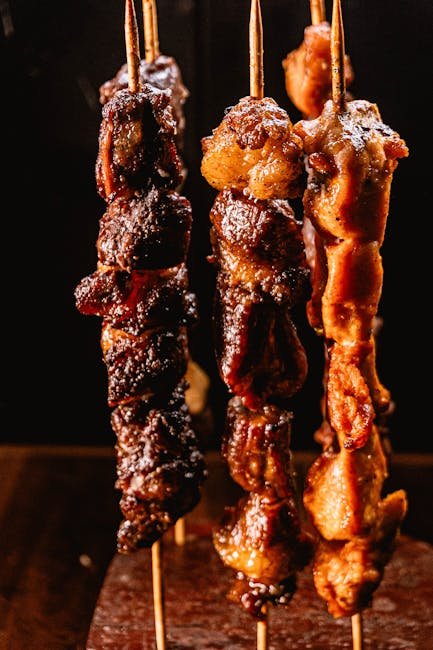
Are you tired of dry, tough chicken breasts that ruin your meal? You’re not alone.
Cooking chicken breasts so they turn out juicy and tender can feel tricky, but it doesn’t have to be. Imagine biting into perfectly cooked chicken that’s full of flavor and melts in your mouth every time. You’ll discover simple, proven techniques that make your chicken breasts tender and delicious.
Keep reading, and you’ll never struggle with dry chicken again.

Credit: www.recipetineats.com
Choosing Quality Chicken
Cooking tender chicken breasts starts with choosing the right chicken. Quality chicken affects taste and texture.
Fresh, high-quality chicken gives better results. Learn how to pick the best chicken for your meals.
Selecting Fresh Cuts
Look for chicken breasts that are pink and moist. Avoid those with gray or dry spots.
Fresh chicken should have a mild smell. A strong or sour odor means the chicken is not fresh.
- Choose chicken with firm texture and no slimy feel
- Check expiration or packing date on the label
- Buy from trusted sellers or stores with good hygiene
Organic Vs. Conventional
Organic chicken is raised without antibiotics or hormones. It often has a cleaner label.
Conventional chicken is usually less expensive. It may have additives or be treated with chemicals.
- Organic chicken may taste fresher and have firmer meat
- Conventional chicken is widely available and budget-friendly
- Choose based on personal preference and budget

Credit: www.platingpixels.com
Preparing The Chicken
Cooking tender chicken breasts starts with proper preparation. Getting the chicken ready helps it cook evenly and stay juicy.
Taking time to thaw, trim, and clean the chicken makes a big difference in taste and texture.
Proper Thawing Techniques
Thaw chicken breasts safely to keep them fresh and tender. Avoid cooking frozen chicken directly.
Slow thawing helps the meat keep its moisture and texture.
- Place chicken in the fridge for 24 hours before cooking.
- Use a sealed bag and put it in cold water, changing water every 30 minutes.
- Never thaw chicken at room temperature to avoid bacteria.
Trimming And Cleaning
Trim chicken breasts to remove fat, skin, and any leftover bones. This helps the chicken cook evenly.
Clean the chicken gently but thoroughly to avoid spreading germs in the kitchen.
- Use a sharp knife to remove excess fat and skin.
- Check for small bones and take them out carefully.
- Pat the chicken dry with paper towels before cooking.
- Wash your hands and surfaces after handling raw chicken.
Marinating For Flavor
Marinating chicken breasts adds taste and keeps them tender. A good marinade soaks into the meat. This makes each bite flavorful and juicy.
Simple ingredients and the right time help your marinade work best. This guide explains what you need and how to use time and temperature.
Essential Ingredients
Use a mix of acids, oils, and spices to make a great marinade. Acids like lemon juice or vinegar break down the chicken fibers. Oils keep the meat moist. Spices add extra flavor.
- Acid: lemon juice, vinegar, or yogurt
- Oil: olive oil or vegetable oil
- Salt and pepper for seasoning
- Garlic, herbs, and spices for added taste
Time And Temperature Considerations
Marinate chicken in the fridge to keep it safe. The marinating time changes the flavor and tenderness. Too short time means less flavor. Too long can make the meat mushy.
| Marinating Time | Effect | Recommended Temperature |
| 15 to 30 minutes | Light flavor, tender | Refrigerated (below 40°F / 4°C) |
| 1 to 4 hours | Good flavor, tender | Refrigerated (below 40°F / 4°C) |
| Over 6 hours | Strong flavor, softer texture | Refrigerated (below 40°F / 4°C) |

Credit: www.thepioneerwoman.com
Cooking Methods
Cooking chicken breasts can be easy and tasty with the right method. Different ways affect how tender and flavorful the meat turns out.
Below are three popular cooking methods that help keep chicken breasts tender and delicious.
Baking For Even Cooking
Baking chicken breasts in the oven cooks them evenly. It keeps the meat juicy when done at the right temperature.
- Preheat the oven to 375°F (190°C).
- Season the chicken with salt, pepper, and herbs.
- Place breasts in a baking dish and cover with foil.
- Bake for 25–30 minutes or until internal temperature reaches 165°F (74°C).
- Let rest for 5 minutes before slicing.
Grilling For Smoky Flavor
Grilling adds a smoky taste and nice grill marks. It is great for warm weather meals.
| Tip | Reason |
| Marinate chicken | Adds moisture and flavor |
| Preheat grill | Prevents sticking and cooks evenly |
| Cook over medium heat | Keeps chicken tender without burning |
| Turn once | Maintains juiciness |
Sautéing For Quick Meals
Sautéing cooks chicken breasts fast in a pan. It works well for busy days and small portions.
Tips for sautéing tender chicken:
- Use thin or pounded chicken breasts to cook evenly.
- Heat the pan with oil over medium-high heat.
- Cook chicken 4-5 minutes on each side.
- Avoid overcrowding the pan to keep heat consistent.
- Rest chicken before cutting to keep juices inside.
Using A Meat Thermometer
Cooking chicken breasts to the right temperature keeps them tender and safe to eat. A meat thermometer helps check the temperature inside the meat.
Using a thermometer stops guesswork. It ensures the chicken is cooked just right every time.
Achieving The Right Temperature
Insert the meat thermometer into the thickest part of the chicken breast. Avoid touching bone for a correct reading.
| Temperature | Doneness |
| 140°F (60°C) | Rare (Not safe) |
| 165°F (74°C) | Safe, tender, fully cooked |
| 175°F (79°C) | Dry and overcooked |
Cook chicken breasts until the thermometer reads 165°F (74°C). This temperature kills bacteria and keeps meat juicy.
Avoiding Overcooking
Overcooked chicken feels tough and dry. Use a timer and thermometer to avoid this problem.
- Check temperature early to prevent overcooking.
- Remove chicken from heat at 160°F (71°C).
- Let chicken rest for 5 minutes; temperature will rise to 165°F.
- Use a clean thermometer for each check.
Resting The Chicken
Resting chicken breasts after cooking helps keep them juicy and tender. It lets the juices settle inside the meat.
This simple step improves the texture and makes the chicken taste better. It is an important part of cooking.
Why Resting Matters
When chicken cooks, its juices move toward the center. Cutting it right away lets the juices escape.
Resting allows the juices to spread evenly inside the meat. This keeps the chicken moist and tender.
- Prevents dry, tough meat
- Improves flavor and texture
- Helps chicken finish cooking gently
Optimal Resting Time
Rest chicken breasts for about 5 to 10 minutes after cooking. This time is enough to keep juices inside.
Use a clean plate and cover the chicken loosely with foil. This keeps it warm without steaming.
- Small breasts: 5 minutes
- Large breasts: up to 10 minutes
- Avoid resting too long to keep chicken warm
Serving Suggestions
Chicken breasts can be tender and tasty with the right serving ideas. Pairing them with sides and garnishing well makes your meal complete.
Here are some simple ways to serve your cooked chicken breasts for a delicious meal.
Pairing With Sides
Choose sides that balance the mild flavor of chicken breasts. Light and fresh vegetables or hearty grains work well.
- Steamed broccoli or green beans
- Roasted sweet potatoes or carrots
- Quinoa or brown rice
- Simple garden salad with vinaigrette
- Garlic mashed potatoes
Garnishing Ideas
Garnishes add color and flavor to chicken breasts. Fresh herbs and citrus brighten the dish.
| Garnish | Effect |
| Chopped parsley | Adds fresh, mild flavor |
| Lemon zest | Gives a bright, citrus aroma |
| Crushed red pepper | Offers a spicy kick |
| Toasted sesame seeds | Provides a nutty crunch |
| Thin sliced green onions | Delivers a mild onion taste |
Common Mistakes
Cooking chicken breasts can be tricky. Many people make mistakes that cause dry and tough meat. Avoiding these errors helps keep chicken tender and juicy.
Two common mistakes are overcooking the chicken and skipping the marinade. Both affect the texture and flavor of the meat.
Overcooking Issues
Overcooking chicken breasts makes them dry and hard. It happens when the meat stays on heat too long. The proteins tighten and squeeze out moisture.
- Cook chicken to an internal temperature of 165°F (74°C).
- Use a meat thermometer to check doneness.
- Remove chicken from heat as soon as it reaches the right temperature.
- Let the chicken rest before cutting to keep juices inside.
Skipping The Marinade
Marinades add moisture and flavor to chicken breasts. Skipping this step can lead to bland and dry meat. A good marinade breaks down proteins and softens the chicken.
| Marinade Ingredient | Purpose |
|---|---|
| Acid (lemon juice, vinegar) | Breaks down proteins to tenderize |
| Oil (olive, vegetable) | Keeps meat moist during cooking |
| Salt | Enhances flavor and retains moisture |
| Herbs and spices | Add taste without extra calories |
Frequently Asked Questions
How Long Should I Cook Chicken Breasts?
Cook chicken breasts for 15-20 minutes on medium heat. Use a meat thermometer to check for 165°F. Avoid overcooking to keep them tender and juicy.
What Is The Best Way To Tenderize Chicken Breasts?
Use a meat mallet to pound chicken breasts evenly. Marinate with acidic ingredients like lemon juice or yogurt. This breaks down fibers and ensures tender meat.
Can I Use A Slow Cooker For Tender Chicken Breasts?
Yes, slow cooking chicken breasts on low heat for 3-4 hours yields tender results. It retains moisture and enhances flavor without drying the meat.
Should I Brine Chicken Breasts Before Cooking?
Brining chicken breasts in saltwater for 30 minutes adds moisture. It helps the meat stay juicy and tender during cooking. Rinse and pat dry before cooking.
Conclusion
Cooking tender chicken breasts takes care and simple steps. Use the right heat and timing to keep them juicy. Season well to add flavor without extra effort. Rest the chicken after cooking to keep moisture inside. Try these tips for better meals every time.
Enjoy soft, tasty chicken that everyone will like. Keep practicing and watch your skills improve fast. Cooking can be easy and fun with small changes. Give it a try and taste the difference today.