
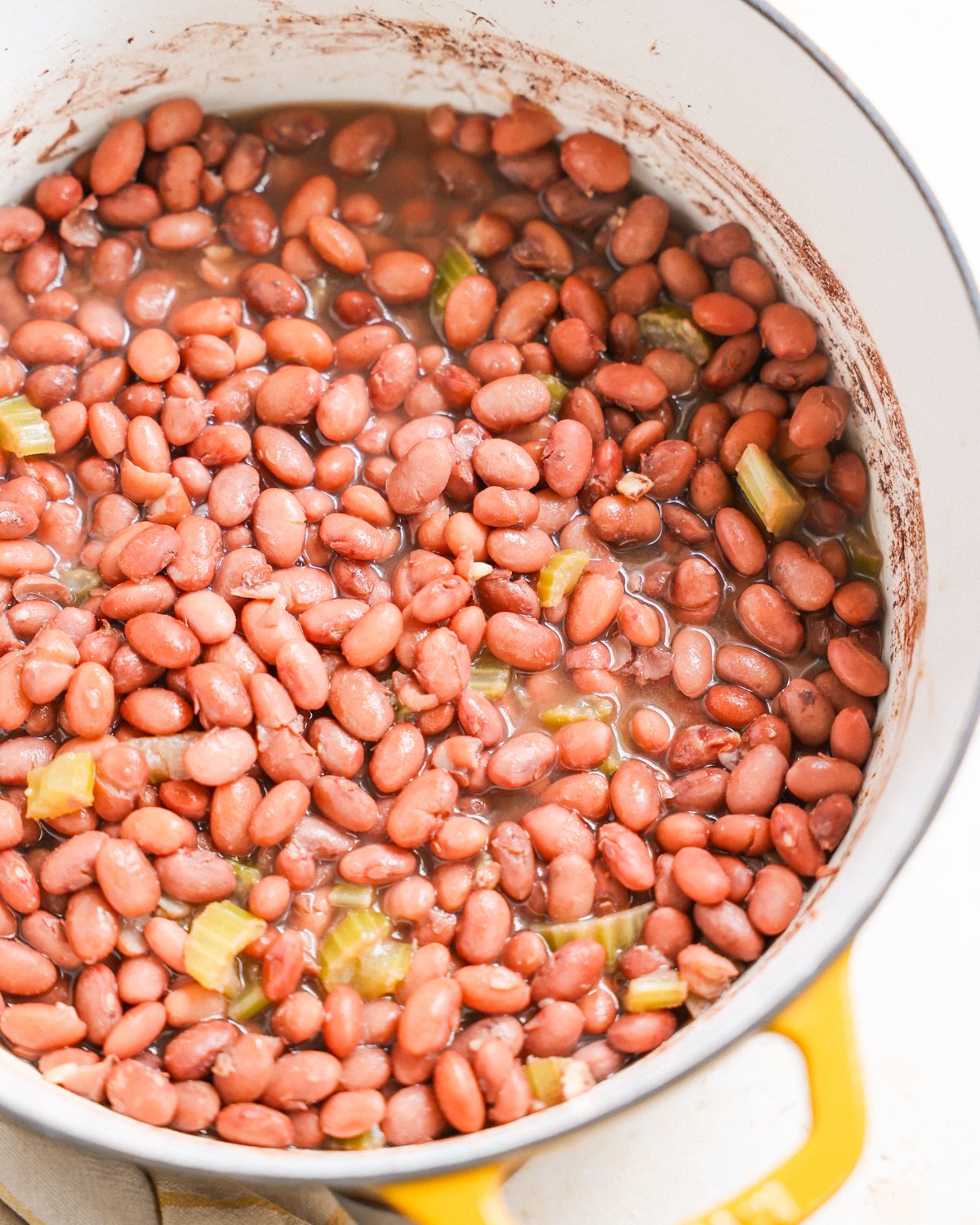
Are you tired of biting into hard, chewy beans that just won’t soften no matter how long you cook them? You’re not alone.
Cooking beans tender can feel tricky, but once you know the right steps, it becomes easy and even enjoyable. Imagine enjoying perfectly soft, flavorful beans every time—whether in soups, salads, or your favorite dishes. You’ll discover simple, effective techniques to make your beans tender and delicious.
Stick with me, and your next batch of beans will turn out just right, every time.
Credit: sweetpotatosoul.com
Choosing The Right Beans
Cooking beans until they are tender starts with picking the right type. Different beans need different cooking times.
Choosing fresh and good-quality beans helps you get soft and tasty results.
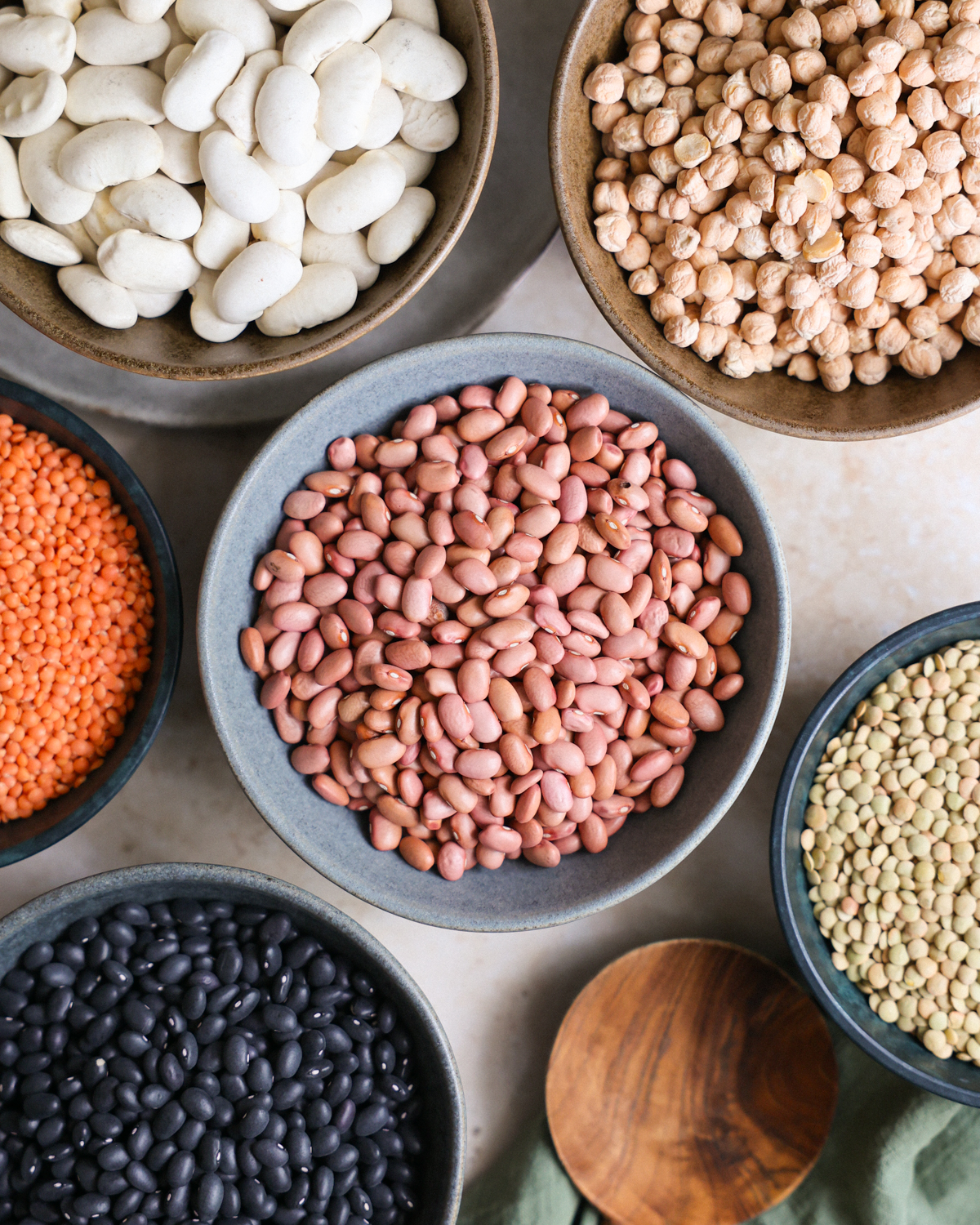
Varieties Of Beans
Many types of beans exist, each with unique shapes and flavors. Some beans cook faster than others.
- Black beans: small, soft, and cook relatively quickly
- Pinto beans: medium-sized, creamy texture when cooked
- Navy beans: small, white, and become very soft
- Kidney beans: large, firm, take longer to cook
- Chickpeas: round and firm, need more cooking time
Choose beans that match your recipe and cooking time available.
Selecting Fresh Beans
Fresh beans cook better and become tender more easily. Avoid old or damaged beans.
- Look for dry beans with smooth, shiny skins
- Avoid beans with cracks, holes, or wrinkles
- Check for even color without dark spots
- Buy from stores with high turnover for freshness
- Store beans in a cool, dry place before cooking
Good beans absorb water well and cook evenly. This makes them soft and delicious.
Preparing Beans For Cooking
Cooking beans until they are tender needs some preparation. This helps them cook evenly and faster.
Soaking beans before cooking is a common way to soften them. It also removes some substances that cause gas.
Soaking Methods
Soaking beans in water softens their skins and cuts cooking time. You can soak them overnight or for several hours.
Use a large bowl and cover the beans with water. The beans will swell, so add plenty of water.
- Sort and rinse beans before soaking to remove dirt and stones.
- Cover beans with three times their volume in water.
- Leave beans to soak for 8 to 12 hours at room temperature.
- Drain and rinse beans before cooking.
Quick Soak Techniques
Quick soaking is useful when you forget to soak beans overnight. It speeds up the softening process.
Boil beans in water for a short time, then let them rest. This method saves hours of soaking time.
- Rinse and sort beans to remove debris.
- Place beans in a pot and cover with water.
- Bring the water to a boil and boil for 2 minutes.
- Remove from heat and cover the pot.
- Let beans soak for 1 hour in hot water.
- Drain and rinse beans before cooking.
Cooking Techniques
Cooking beans until they are tender takes time and the right techniques. Different methods can help you get soft, tasty beans.
Choosing the right cooking method depends on your tools and how much time you have. Here are three common ways to cook beans tender.
Stovetop Cooking
Stovetop cooking is the traditional way to make beans soft. It uses a pot and gentle heat over time.
Start by soaking beans in water for several hours or overnight. Drain and rinse before cooking. Then, add fresh water and simmer slowly. Keep the pot partially covered and stir occasionally.
- Soak beans for 6 to 8 hours or overnight
- Use fresh water for cooking, about 3 cups per cup of beans
- Simmer gently; avoid boiling hard
- Cook for 1 to 2 hours, depending on bean type
- Check for tenderness by tasting beans
Using A Pressure Cooker
A pressure cooker speeds up cooking and softens beans quickly. It traps steam and raises the temperature inside.
You can soak beans before cooking or cook them dry. Add water and beans to the cooker, seal it, and set the pressure. Beans usually cook in 20 to 30 minutes.
- Soak beans for faster cooking or cook without soaking
- Use about 2 to 3 cups of water per cup of beans
- Seal the pressure cooker properly
- Cook at high pressure for 20-30 minutes
- Let pressure release naturally before opening
Slow Cooker Method
The slow cooker cooks beans gently over many hours. It is good for soft, creamy beans without much fuss.
Soak beans overnight to reduce cooking time. Add beans and water to the slow cooker. Cook on low heat for 6 to 8 hours or until tender.
- Soak beans overnight for best results
- Add 3 to 4 cups of water per cup of beans
- Cook on low heat for 6-8 hours
- Check beans after 6 hours for softness
- Stir occasionally to prevent sticking
Enhancing Flavor
Cooking beans until tender is just the start. Adding the right flavors makes your dish delicious.
Simple ingredients like herbs, spices, salt, and acids can bring out the best taste in beans.
Herbs And Spices
Herbs and spices add aroma and depth to beans. You can use fresh or dried types.
- Bay leaves give a mild, earthy flavor.
- Cumin adds a warm, nutty taste.
- Thyme offers a subtle, minty note.
- Garlic powder enhances savory richness.
- Smoked paprika brings a smoky touch.
Add herbs early in cooking. Add delicate spices near the end to keep their aroma.
Adding Salt And Acids
Salt and acids help beans cook tender and taste bright. Timing and amount matter.
| Ingredient | Effect | When to Add |
|---|---|---|
| Salt | Enhances flavor, firms beans if added too early | Mid to late cooking |
| Vinegar | Adds tang, helps soften skins | Last 10 minutes |
| Lemon Juice | Brightens flavor, tenderizes beans | After cooking |
| Tomato | Provides acidity and sweetness | During cooking |
Start adding salt after beans begin to soften. Add acids near the end or after cooking.
Troubleshooting Tips
Cooking beans can be tricky if they do not turn out tender. Sometimes beans stay hard or get too soft. These tips help you fix common cooking problems.
Follow simple steps to make your beans just right. Learn how to handle hard beans and avoid overcooking.
Dealing With Hard Beans
Hard beans mean they did not cook long enough or the water was too hard. Old beans can also stay tough. Soaking beans overnight helps soften them.
If beans stay hard after cooking, try these tips:
- Add a pinch of baking soda to the cooking water. It softens beans faster.
- Use fresh beans whenever possible. Old beans take longer to cook.
- Make sure to soak beans for at least 8 hours or overnight.
- Simmer beans gently; high heat can make the skin hard.
- Test beans often and cook until tender.
Preventing Overcooked Beans
Overcooked beans become mushy and lose their shape. They may taste bland or watery. Watch cooking time closely to keep beans firm but soft.
Follow these tips to avoid overcooking your beans:
- Check beans for doneness every 10 minutes after soaking.
- Turn off heat as soon as beans are tender but still hold their shape.
- Use a timer to avoid guessing cooking time.
- Cook beans on low heat to control softness better.
- Drain beans quickly after cooking to stop further softening.

Credit: www.naturalcomfortkitchen.com
Storing And Reheating Beans
Beans taste best when they stay tender after cooking. Proper storage and reheating keep their soft texture.
Learn how to store beans right and reheat them carefully to enjoy every bite.
Proper Storage Techniques
Store beans in an airtight container to keep moisture out. This helps beans stay fresh and soft.
Cool beans to room temperature before putting them in the fridge. This stops extra moisture buildup.
- Use clean, airtight containers or resealable bags
- Keep beans in the refrigerator for up to 5 days
- For longer storage, freeze beans in small portions
- Label containers with the date for easy tracking
Reheating For Best Texture
Reheat beans slowly to keep them tender. Use low heat and add a little water or broth.
Stir beans gently while reheating to avoid breaking them apart. Avoid high heat that can dry beans out.
- Reheat beans on the stove over low heat
- Add a splash of water or broth to keep moisture
- Stir beans carefully to keep them whole
- Microwave in short bursts, stirring between times

Credit: kristineskitchenblog.com
Frequently Asked Questions
How Long Should I Soak Beans Before Cooking?
Soaking beans for 6-8 hours softens them and reduces cooking time. It helps beans cook evenly and become tender faster. Overnight soaking is ideal, but a quick 1-hour soak in hot water also works well.
What’s The Best Water-to-bean Ratio For Cooking?
Use 3 cups of water for every 1 cup of dried beans. This ensures beans have enough water to absorb and cook tenderly. Too little water may cause uneven cooking or burning.
Can I Cook Beans Without Soaking Them First?
Yes, you can cook beans without soaking, but it takes longer. Unsoaked beans need about 1. 5 to 2 hours to become tender. Soaking improves texture and reduces cooking time significantly.
Does Adding Salt Affect Bean Tenderness?
Add salt after beans are tender to avoid tough skins. Early salting can prevent beans from softening properly. Season beans once they are fully cooked for best texture.
Conclusion
Cooking beans tender takes time and care. Soaking beans before cooking helps them soften faster. Use enough water and keep the heat steady. Stir occasionally and test beans often. Avoid adding salt too early; it can make beans tough. Patience pays off with creamy, tasty beans.
Enjoy your perfectly cooked beans in soups, salads, or main dishes. Simple steps lead to great results every time. Keep practicing, and you will get better with each batch. Tender beans make meals more enjoyable and healthy.