
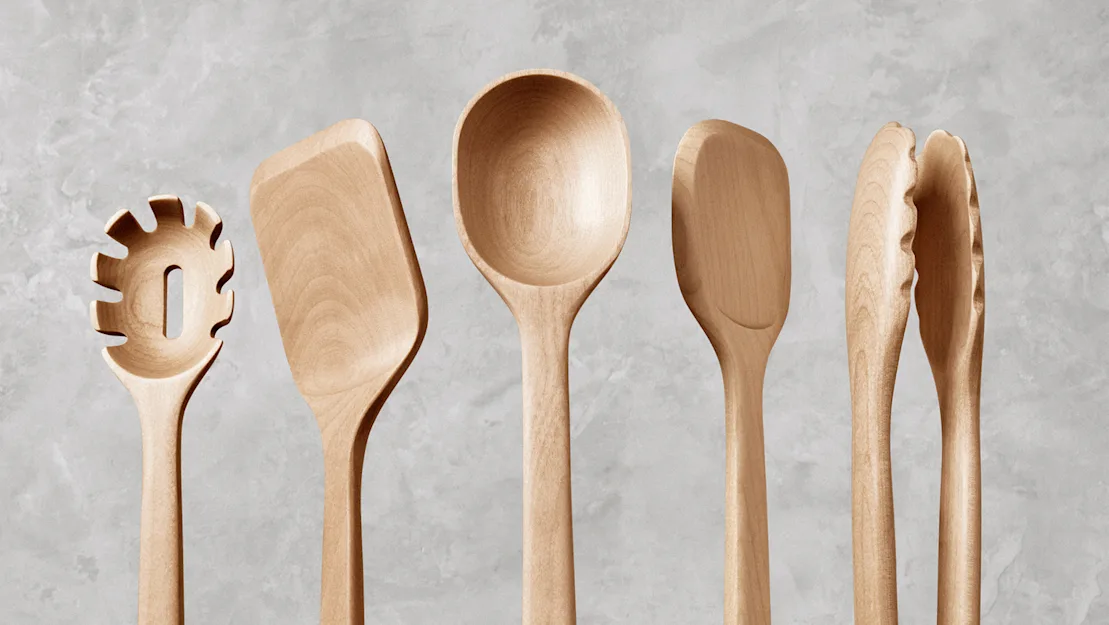
Wooden utensils are a beautiful and durable addition to your kitchen. But keeping them clean can be tricky.
If you’ve ever wondered how to clean wooden utensils thoroughly without harsh chemicals, you’re in the right place. You want your utensils to stay safe, fresh, and long-lasting. This guide will show you simple, natural methods that protect your wood and keep your kitchen healthy.
Ready to learn how to care for your wooden tools the right way? Let’s dive in.
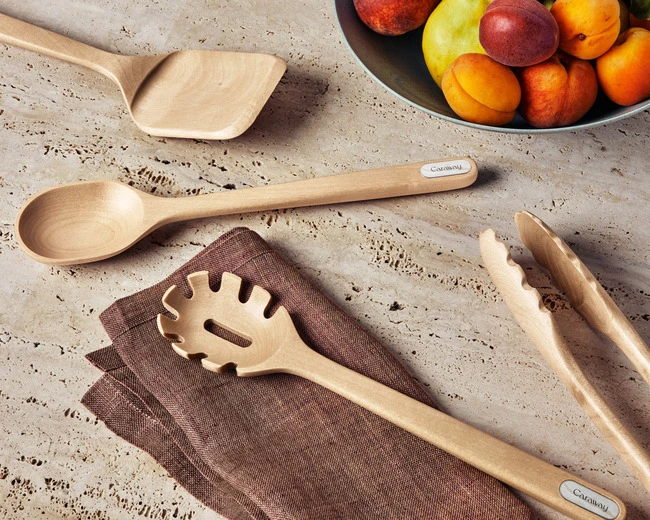
Credit: www.carawayhome.com
Benefits Of Natural Cleaning
Cleaning wooden utensils naturally keeps them safe and strong. It avoids harsh chemicals that can damage wood or harm your health.
Natural cleaning also helps keep the environment clean. Using simple ingredients is good for your kitchen and the planet.
Safer For Your Health
Natural cleaning products do not contain toxic chemicals. This reduces the risk of allergies and skin irritation when you wash your wooden utensils.
Protects Wood Quality
Harsh chemicals can dry and crack wooden utensils. Natural cleaners keep the wood moist and strong, extending its life.
Eco-friendly Choice
Natural cleaning uses biodegradable ingredients that do not pollute water or soil. This choice helps reduce your kitchen’s environmental impact.
- No harmful chemicals
- Safe for children and pets
- Prevents wood damage
- Biodegradable and eco-friendly
- Easy to make at home
Cost-effective And Simple
Natural cleaning ingredients are often items you already have, like vinegar, baking soda, and lemon. These are cheaper than store-bought cleaners.
| Ingredient | Benefit |
|---|---|
| Vinegar | Kills germs and removes odors |
| Baking Soda | Scrubs stains without scratching wood |
| Lemon | Brightens and freshens utensils |
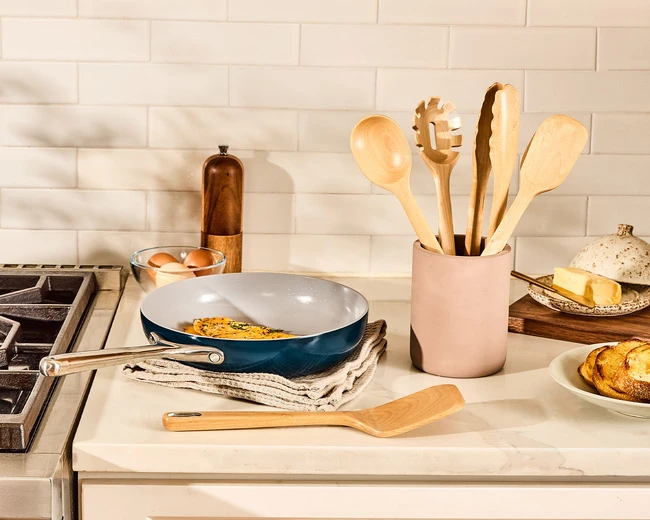
Credit: www.carawayhome.com
Tools And Ingredients Needed
Cleaning wooden utensils naturally helps keep them safe and long-lasting. You only need a few simple tools and natural ingredients. These items are easy to find in your kitchen or store.
Using natural ingredients avoids harsh chemicals that can damage wood. Let’s look at what you need to clean wooden utensils thoroughly.
Basic Tools For Cleaning
Start with tools that help you clean without scratching or harming the wood. Gentle and soft tools work best to keep the surface smooth.
- Soft sponge or dishcloth
- Small brush for crevices
- Measuring spoons for ingredients
- Dry towel for drying
Natural Ingredients To Use
Natural ingredients clean and deodorize wooden utensils safely. These common kitchen items also help remove stains and bacteria.
| Ingredient | Purpose | Notes |
| White vinegar | Kills bacteria and removes odors | Dilute with water before use |
| Baking soda | Scrubs stains and freshens | Use as a gentle abrasive |
| Lemon juice | Natural bleach and deodorizer | Use fresh lemon for best effect |
| Olive oil | Conditions and protects wood | Apply after cleaning to keep wood soft |
Pre-cleaning Steps
Wooden utensils need special care to stay clean and last long. Pre-cleaning prepares them for deep cleaning.
Start by removing food and dirt gently before using any cleaning solutions.
Remove Food Particles
Use a soft brush or cloth to take off leftover food. Avoid scraping hard with metal tools.
- Use warm water to loosen stuck food
- Gently scrub with a soft brush
- Rinse under running water
Avoid Soaking In Water
Do not soak wooden utensils for a long time. Water can make the wood swell and crack.
Quick rinsing is better than long soaking to protect the wood.
Dry Immediately After Rinsing
After rinsing, dry wooden utensils with a clean cloth. This stops water from soaking in.
Keep them in a well-ventilated place to air dry completely before cleaning.
Check For Stains And Odors
Look closely for any stains or smells on the utensils. This helps you choose the right natural cleaner.
Stains may need a gentle scrub with baking soda or lemon before washing.
Using Vinegar For Deep Cleaning
Wooden utensils need careful cleaning to last long. Vinegar is a natural cleaner that helps remove dirt and germs.
Using vinegar keeps your wooden tools safe and fresh without harsh chemicals.
Why Vinegar Works Well
Vinegar is acidic and kills many types of bacteria. It also breaks down grease and stains on wood surfaces.
It is safe for wood and does not cause damage like some strong cleaners.
Preparing The Vinegar Solution
Mix vinegar with water to create a gentle cleaning solution. A common ratio is one part vinegar to four parts water.
- Use white distilled vinegar for best results.
- Mix in a clean bowl or spray bottle.
- Do not use undiluted vinegar on wood.
How To Clean Wooden Utensils With Vinegar
- Rinse utensils with warm water to remove food particles.
- Dip a clean cloth or sponge into the vinegar solution.
- Wipe all surfaces of the wooden utensils thoroughly.
- Let the utensils sit for five to ten minutes to kill germs.
- Rinse well with clean water to remove vinegar smell.
- Dry utensils with a clean towel and air dry completely.
Additional Tips For Maintaining Wooden Utensils
| Tip | Reason |
|---|---|
| Oil utensils monthly | Prevents cracking and keeps wood smooth |
| Avoid soaking in water | Wood can warp or split |
| Store in dry place | Stops mold and mildew growth |
Baking Soda For Stain Removal
Baking soda is a natural cleaner that works well on wooden utensils. It removes stains without harsh chemicals. Using baking soda keeps your utensils safe and clean.
This simple ingredient can brighten wood and remove odors. It is easy to use and gentle on wood surfaces.
Prepare Baking Soda Paste
Mix baking soda with water to make a thick paste. The paste should be easy to spread on the wood. This helps lift stains from the surface.
Apply And Scrub Gently
Spread the baking soda paste on stained areas. Use a soft cloth or sponge to scrub the stains gently. Avoid using hard brushes that can damage the wood.
- Apply paste evenly on stains
- Let it sit for 10 minutes
- Scrub with a soft cloth in circular motions
- Rinse with warm water
- Dry the utensil completely
Use Baking Soda And Lemon For Tough Stains
For deep stains, add lemon juice to baking soda paste. Lemon helps break down stains and adds a fresh scent. Apply the mixture and scrub gently.
| Ingredient | Amount | Purpose |
| Baking Soda | 2 tablespoons | Stain removal |
| Lemon Juice | 1 tablespoon | Brightening and scent |
| Water | As needed | To make paste |
Rinse And Dry Properly
After cleaning, rinse the utensil with warm water to remove all residue. Dry it well to prevent wood from cracking. Place the utensil in a well-ventilated area to air dry.
Tip:Avoid soaking wooden utensils in water for long times. This keeps them strong and lasts longer.
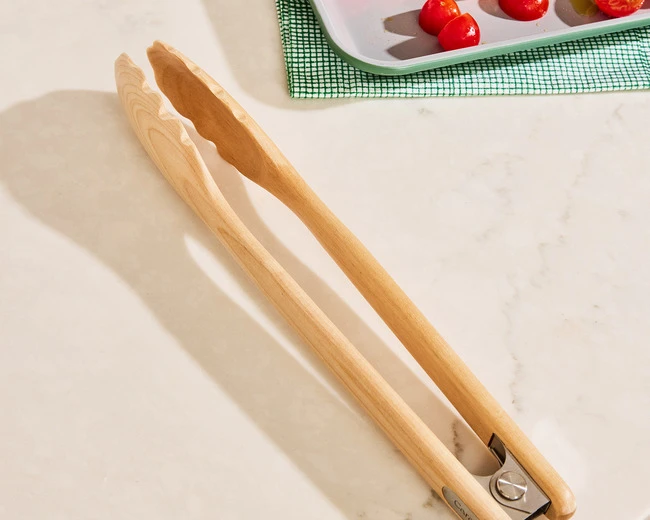
Credit: www.carawayhome.com
Lemon Juice For Deodorizing
Lemon juice is a natural way to clean wooden utensils. It helps remove bad smells and freshens the wood.
The acid in lemon juice breaks down odor-causing bacteria. This makes your utensils smell clean and fresh.
Why Use Lemon Juice?
Lemon juice is safe for wood and does not cause damage. It is a natural deodorizer with no harsh chemicals.
The fresh scent of lemon also helps remove food smells like garlic or onion from utensils.
How To Apply Lemon Juice
First, squeeze fresh lemon juice onto the wooden utensil. Rub it over the entire surface.
Let the lemon juice sit for a few minutes. Then rinse the utensil with warm water and dry it well.
- Use half a lemon or 2 tablespoons of lemon juice
- Rub all sides of the utensil
- Wait 5 minutes before rinsing
- Dry with a clean towel
Tips For Best Results
Use lemon juice regularly to keep wooden utensils smelling fresh. Avoid soaking wood for too long.
Combine lemon juice with coarse salt to scrub tough stains or strong odors. This adds gentle scrubbing power.
- Do not soak wooden utensils in lemon juice for hours
- Use lemon and salt paste for deep cleaning
- Rinse and dry immediately after cleaning
Olive Oil For Conditioning
Wooden utensils need care to last long and stay strong. Olive oil helps keep them from drying out.
Using olive oil is a natural way to keep wood smooth and protected after cleaning.
Why Use Olive Oil On Wooden Utensils?
Olive oil soaks into the wood and stops it from cracking or drying out. It adds a soft shine too.
This oil is safe to use since it is natural and food-friendly. It keeps utensils healthy and clean.
How To Apply Olive Oil Correctly
First, clean your utensils with warm water and mild soap. Dry them well before oiling.
Put a small amount of olive oil on a soft cloth. Rub it all over the wood surface gently.
- Make sure to cover every part of the utensil
- Use circular motions to help the oil soak in
- Wipe off any extra oil with a dry cloth
How Often To Condition Wooden Utensils
Condition wooden utensils once a month to keep them in good shape. More often if used daily.
Regular oiling stops cracks and makes utensils last longer with a nice finish.
Drying And Storage Tips
Wooden utensils need proper drying and storage to last long. Wet wood can crack or grow mold.
Follow simple tips to keep your wooden utensils clean and safe naturally.
Dry Utensils Completely Before Storing
After washing, dry wooden utensils with a clean towel. Air dry them fully before storage.
Leaving moisture inside can cause wood to warp or develop bacteria. Make sure no water remains.
- Wipe with a dry cloth immediately after washing
- Place utensils in a dish rack with good airflow
- Allow at least a few hours to air dry
Store In A Dry, Well-ventilated Place
Keep wooden utensils in a dry spot away from dampness. Good air circulation helps prevent mold.
A cabinet or drawer with poor air flow can trap moisture. Use open shelves or utensil holders if possible.
- Avoid storing near sinks or dishwashers
- Use utensil holders that allow air flow
- Do not cover utensils tightly with plastic wrap
Use Natural Oils To Protect Wood
Apply natural oils like mineral or coconut oil to keep wood smooth and protected. This helps prevent drying out.
Oiling your utensils regularly improves their lifespan and keeps them looking new.
- Apply oil once a month or when wood looks dry
- Rub oil in with a soft cloth
- Let oil soak in before wiping off excess
Avoiding Common Mistakes
Cleaning wooden utensils naturally keeps them safe and lasting longer. Many people make errors that damage their wooden tools. Learning what to avoid helps maintain their quality.
Some mistakes cause cracks, stains, or odors. This guide shows common errors and how to avoid them when cleaning wooden utensils.
Using Harsh Chemicals
Strong soaps and bleach can harm wood fibers. They strip natural oils and cause dryness. Avoid using these products to keep utensils smooth and safe.
Soaking Wooden Utensils Too Long
Leaving wooden utensils in water for hours causes swelling and cracking. Quick washing with natural cleaners is best. Dry utensils immediately after rinsing.
Using Dishwashers
Dishwashers use hot water and strong detergents. This damages wood and removes oils. Always hand wash wooden utensils with gentle methods.
Neglecting Regular Oil Treatment
Wood needs oil to stay hydrated and protected. Missing this step causes cracks and rough texture. Use natural oils like mineral or coconut oil often.
- Apply oil once a month
- Use a clean cloth to rub oil evenly
- Let utensils absorb oil overnight
- Wipe off excess oil before use
Ignoring Proper Drying
Leaving wooden utensils wet invites mold and bacteria. Dry them in open air or on a rack. Avoid closed containers until fully dry.
| Mistake | Effect | How to Avoid |
|---|---|---|
| Using harsh chemicals | Dries and weakens wood | Use mild soap or natural cleaners |
| Soaking too long | Causes cracks and swelling | Wash quickly and dry immediately |
| Dishwasher use | Removes oils and damages wood | Hand wash only |
| Skipping oil treatment | Leads to dryness and cracks | Apply natural oil monthly |
| Improper drying | Mold growth and bacteria | Dry in open air or rack |
Maintaining Wooden Utensils
Wooden utensils add charm and warmth to any kitchen. They need special care to stay clean and last long.
Using natural methods keeps your wooden tools safe and free from chemicals. Let’s explore how to clean and maintain them well.
Cleaning Wooden Utensils
Wash wooden utensils by hand with warm water and mild soap. Avoid soaking them in water for a long time to prevent cracks.
- Rinse utensils immediately after use
- Use a soft sponge to scrub gently
- Do not put wooden utensils in the dishwasher
Removing Odors Naturally
Baking soda and lemon help remove smells from wooden utensils. These natural ingredients clean without harming the wood.
- Sprinkle baking soda on the utensil
- Rub with a cut lemon to cover all surfaces
- Let it sit for 10 minutes
- Rinse with warm water and dry well
Oiling And Conditioning Wood
Oiling keeps wooden utensils from drying out and cracking. Use food-safe oils to protect the wood.
| Oil Type | Use |
| Mineral Oil | Safe and easy to find |
| Coconut Oil | Natural and has a nice scent |
| Walnut Oil | Good for deep conditioning |
Apply oil with a soft cloth and let it soak overnight. Wipe off extra oil before use.
Storing Wooden Utensils
Keep wooden utensils dry and in a well-ventilated place. Avoid storing them where moisture builds up.
- Store upright in a holder
- Do not leave in damp drawers
- Allow air to circulate around utensils
Frequently Asked Questions
How Do I Naturally Clean Wooden Utensils?
Use a mixture of warm water, lemon juice, and salt. Scrub utensils gently, then rinse with clean water. Dry immediately to prevent cracking.
Can Vinegar Safely Clean Wooden Kitchen Tools?
Yes, vinegar is a natural disinfectant. Dilute with water, wipe utensils, then rinse and dry. Avoid soaking to protect wood.
How Often Should I Clean Wooden Utensils Deeply?
Deep clean wooden utensils once a week. Regular washing after use is essential to prevent bacteria buildup.
Will Baking Soda Remove Stains From Wooden Utensils?
Yes, baking soda gently removes stains and odors. Make a paste with water, scrub, rinse, and dry thoroughly.
Conclusion
Cleaning wooden utensils naturally keeps them safe and long-lasting. Use gentle ingredients like vinegar, lemon, and baking soda. Avoid harsh chemicals that can damage wood or leave harmful residues. Dry utensils well to stop mold and cracks. Regular care keeps wood smooth and fresh.
Small efforts make a big difference in your kitchen. Keep your wooden tools clean, healthy, and ready for cooking. Simple steps protect your utensils and the food you prepare. Natural cleaning is easy, safe, and good for your home.