
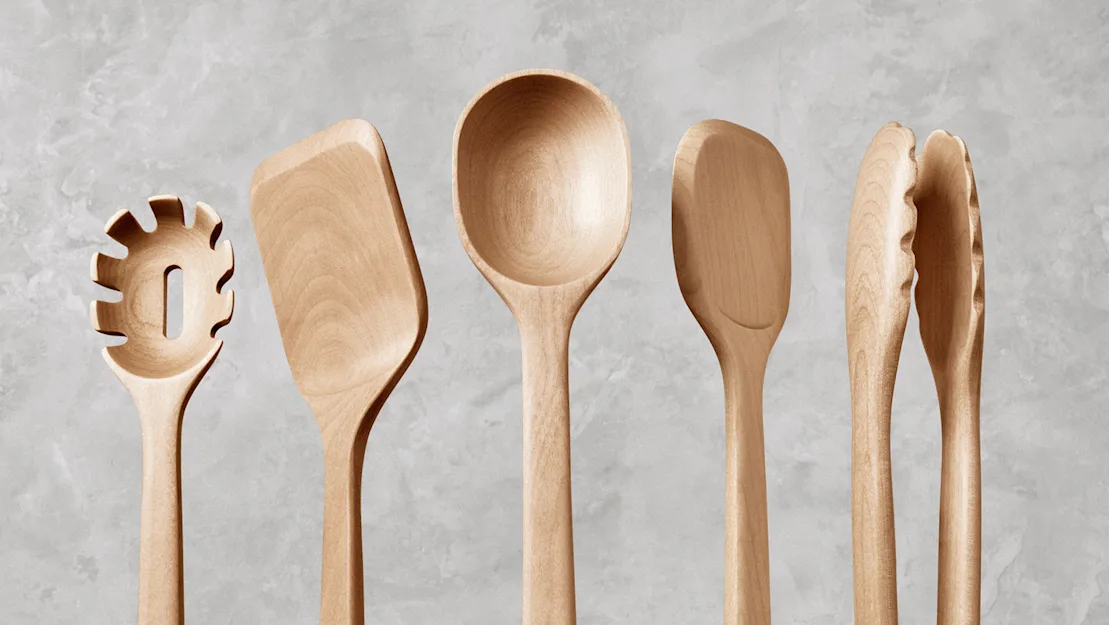
Wooden utensils add a warm, natural touch to your kitchen, but cleaning them properly can be tricky. If you don’t clean your wooden spoons and cutting boards the right way, they can trap bacteria or develop cracks.
You want to keep your utensils safe, fresh, and long-lasting, right? You’ll discover simple, effective steps to clean your wooden utensils thoroughly. By the end, you’ll know exactly how to care for them so they stay beautiful and safe to use every day.
Keep reading to protect your kitchen tools and enjoy cooking with confidence!
Credit: www.carawayhome.com
Types Of Wooden Utensils
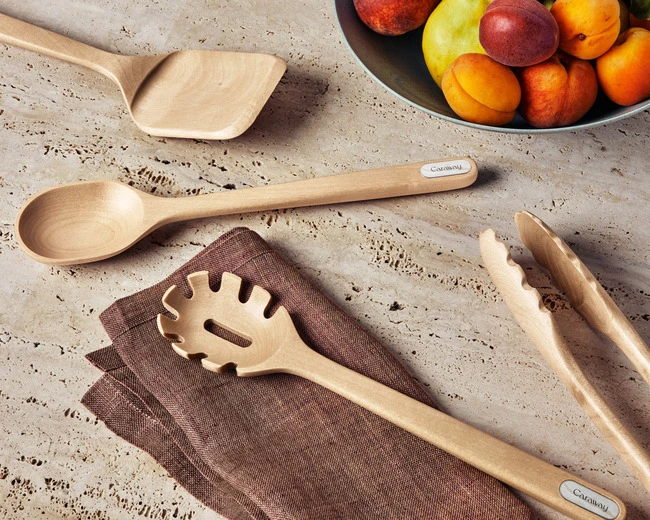
Wooden utensils come in many shapes and sizes. They are common in kitchens worldwide.
Each type needs special care to stay clean and last longer. Knowing the types helps in cleaning them well.
Spoons And Spatulas
Spoons and spatulas are used for stirring, mixing, and serving food. They often touch hot and sticky substances.
Cleaning these utensils well removes food bits and stops smells. Avoid soaking them too long to keep wood strong.
- Wash with mild soap and warm water
- Use a soft brush to clean grooves
- Dry immediately with a towel
Cutting Boards
Wooden cutting boards are sturdy and safe for knives. They can absorb liquids if not cleaned properly.
Clean boards right after use to avoid bacteria build-up. Use salt and lemon to remove stains and smells naturally.
- Scrub with coarse salt and lemon juice
- Rinse with warm water, no soaking
- Dry standing up to air out
Bowls And Plates
Wooden bowls and plates hold foods well and look nice on the table. They can crack if exposed to too much water.
Clean gently using mild soap and warm water. Avoid dishwashers and long soaking to keep the wood safe.
- Wash with soft cloth or sponge
- Rinse quickly and dry thoroughly
- Apply mineral oil to keep wood smooth
Credit: www.carawayhome.com
Importance Of Proper Cleaning
Wooden utensils add charm to your kitchen. Cleaning them well is very important.
Proper cleaning keeps them safe and lasts longer. It stops germs and damage.
Preventing Bacterial Growth
Wood can hold moisture and food bits. This can cause bacteria to grow quickly.
- Wash utensils with warm, soapy water after use.
- Rinse well to remove all soap and food.
- Dry completely before storing to avoid dampness.
- Use vinegar or lemon juice to kill germs naturally.
- Do not soak wooden utensils for a long time.
Maintaining Wood Quality
Wood can crack or warp if not cleaned right. Good care keeps its look and feel.
| Cleaning Tip | Effect on Wood |
|---|---|
| Use mild soap | Protects wood fibers |
| Avoid harsh chemicals | Prevents drying and cracking |
| Oil utensils regularly | Keeps wood smooth and shiny |
| Dry in air, not sun | Prevents warping and fading |
Enhancing Utensil Longevity
Proper cleaning helps your wooden utensils last many years. It saves money and waste.
- Clean immediately after use to stop stains.
- Keep dry to avoid mold and rot.
- Store in a dry place with air flow.
- Check for cracks and sand them smooth.
- Apply food-safe oil every few weeks.
Basic Cleaning Techniques
Wooden utensils need special care to stay clean and last longer. Cleaning them the right way helps keep them safe to use.
Simple techniques can remove dirt and prevent damage. These easy steps keep your wooden tools in good shape.
Using Warm Water And Mild Soap
Use warm water with mild soap to clean wooden utensils. Hot water can dry the wood, so keep it warm but not hot.
Gently scrub with a soft sponge or cloth. Avoid harsh scrubbing to protect the wood surface.
- Fill a sink with warm water and a small amount of mild soap
- Soak utensils briefly, no more than a few minutes
- Use a soft cloth to clean all sides
- Rinse with clean warm water
Avoiding The Dishwasher
Do not put wooden utensils in the dishwasher. The heat and water can cause cracks and warping.
Dishwashers remove natural oils, making wood dry and brittle. Hand wash is safer and keeps utensils smooth.
- Dishwashers expose wood to high heat
- Strong dishwasher detergents can damage wood
- Hand washing keeps wood oils intact
- Drying is easier when hand washed
Drying Completely
Dry wooden utensils right after washing. Leaving them wet can cause mold or wood swelling.
Use a clean towel to wipe off water. Let the utensils air dry fully before storing them.
- Wipe utensils with a dry cloth immediately
- Place utensils on a drying rack in a well-ventilated area
- Do not stack utensils until fully dry
- Store in a dry place to avoid moisture
Deep Cleaning Methods
Wooden utensils need careful cleaning to stay safe and last long. Deep cleaning removes stains and bacteria.
Use natural ingredients to clean your wooden tools without damage. Here are three easy methods.
Salt And Lemon Scrub
Salt and lemon work well to scrub away stains and smells from wooden utensils. The salt acts as a scrub, and lemon adds freshness.
- Sprinkle coarse salt on the utensil surface.
- Cut a lemon in half and rub it over the salt.
- Scrub gently to remove dirt and stains.
- Rinse with warm water and dry completely.
Baking Soda Paste
Baking soda paste cleans and deodorizes wooden utensils without harsh chemicals. It lifts stains and neutralizes odors.
| Ingredients | Use |
|---|---|
| 2 tablespoons baking soda | Mix with water to form paste |
| Wooden utensil | Apply paste on stained areas |
| Soft cloth or brush | Rub paste gently |
| Warm water | Rinse after scrubbing |
Leave the paste on for 10 minutes before rinsing. Dry the utensil well to avoid cracking.
White Vinegar Solution
White vinegar kills bacteria and removes odors on wooden utensils. It is a natural disinfectant that is safe for wood.
- Mix equal parts white vinegar and water in a bowl.
- Soak a cloth in the solution and wipe the utensil.
- Let the vinegar sit for 5 minutes.
- Rinse with warm water and dry completely.
Removing Stains And Odors
Wooden utensils add charm to your kitchen. They need special care to stay clean.
Stains and odors can build up if you do not clean them properly. Let’s see how to handle these problems.
Tackling Tough Stains
Stains from foods like tomato, curry, or beetroot can be hard to remove from wood.
- Make a paste of baking soda and water.
- Rub the paste gently on the stained area with a soft cloth.
- Let it sit for 10 minutes to lift the stain.
- Rinse the utensil with warm water and dry it well.
- If stains remain, repeat or use lemon juice on the spot.
Neutralizing Persistent Odors
Wood can absorb smells from garlic, onion, or fish. Removing odors keeps utensils fresh.
| Method | How to Use |
| White Vinegar | Wipe with a cloth soaked in vinegar, then rinse. |
| Baking Soda | Sprinkle on utensil, let sit 15 minutes, then wash. |
| Lemon Juice | Rub lemon over wood, leave 5 minutes, rinse well. |
| Sun Drying | Place utensils in sunlight for 1 hour to freshen. |
Oiling And Conditioning
Keeping wooden utensils in good shape takes care and attention. Oiling and conditioning help protect wood from drying and cracking.
These steps keep utensils smooth, clean, and safe for cooking. Let’s look at how to do it right.
Choosing The Right Oil
Use oils that are safe for food and do not spoil easily. Natural oils work best to keep wood healthy and strong.
- Mineral oil is popular because it is odorless and tasteless.
- Coconut oil can also be used but choose refined types to avoid smells.
- Walnut oil works well but test for allergies before use.
- Avoid vegetable oils that can go rancid over time.
Frequency Of Oiling
How often you oil your utensils depends on use and wood type. Regular care keeps wood from drying out.
| Use Level | Oiling Frequency |
|---|---|
| Daily use | Once a week |
| Occasional use | Once a month |
| Rare use | Every 2–3 months |
Application Tips
Apply oil with clean hands or a soft cloth. Warm the oil slightly to help it soak in better.
- Wipe utensils clean and dry before oiling.
- Rub oil into the wood in circular motions.
- Let the oil sit for at least 20 minutes to absorb.
- Remove extra oil with a dry cloth to avoid sticky surfaces.
- Repeat if the wood looks dry after the first coat.
Storage Tips
Keeping wooden utensils clean is only part of the care. Proper storage helps them last longer. Wood can warp or crack if stored wrong.
Storing wooden utensils right keeps them dry and safe. This stops bacteria and damage.
Avoiding Moisture Exposure
Wooden utensils absorb water easily. Wet wood can grow mold and smells bad. Always dry utensils well before storing.
Do not put wooden utensils away if they are still damp. Let them air dry in a warm spot. Avoid storing in closed, humid places.
- Dry utensils with a towel after washing
- Air dry on a rack or stand
- Keep away from sinks and dishwashers
- Do not store in sealed containers while wet
Properly Storing Utensils
Store wooden utensils in a dry, cool place. Use holders or drawers that allow air flow. Avoid plastic bags or airtight boxes.
Separate wooden utensils from metal or plastic ones. This prevents scratches and damage. Keep utensils standing or lying flat without pressure.
- Use utensil holders with open sides
- Store in a drawer with dividers
- Keep away from direct sunlight
- Do not stack heavy items on top
Common Mistakes To Avoid
Cleaning wooden utensils the right way keeps them safe and lasts longer. Many people make simple mistakes that harm these tools.
Knowing what to avoid helps you keep wooden utensils in good shape and free from damage.
Using Harsh Detergents
Strong detergents can dry out and crack wooden utensils. They remove natural oils that protect the wood.
- Do not use bleach or ammonia-based cleaners.
- Avoid dish soaps with strong chemicals.
- Choose mild soap or special wood cleaners instead.
Leaving Utensils Wet
Water can make wood swell and warp. Leaving utensils wet causes mold and bacteria to grow.
| Issue | Effect on Wooden Utensils |
|---|---|
| Left Wet Too Long | Wood swells and cracks |
| Stored Damp | Mold and bacteria growth |
| Not Dried Properly | Wood weakens over time |
Ignoring Regular Maintenance
Wooden utensils need care to stay smooth and strong. Skipping regular care causes rough surfaces and damage.
- Apply food-safe oil every few weeks.
- Clean gently after each use.
- Inspect for cracks or splinters regularly.
Credit: thrivingsustainably.com
Frequently Asked Questions
How Often Should I Clean Wooden Utensils?
Clean wooden utensils after every use to prevent bacteria buildup. Regular cleaning maintains hygiene and prolongs their life.
Can I Use Soap On Wooden Utensils?
Yes, mild soap is safe. Avoid harsh detergents that can damage the wood’s surface and finish.
Is Soaking Wooden Utensils In Water Safe?
No, soaking can cause wood to crack and warp. Wash quickly and dry immediately to keep them intact.
How Do I Remove Stains From Wooden Utensils?
Use a paste of baking soda and water to scrub stains gently. Rinse and dry thoroughly afterward.
Conclusion
Cleaning wooden utensils takes just a few simple steps. Use mild soap and warm water for washing. Avoid soaking them for too long to protect the wood. Dry utensils quickly with a clean cloth. Regular oiling keeps wood smooth and strong.
Clean utensils last longer and stay safe for food. Small efforts make a big difference in care. Keep your wooden utensils fresh and ready to use every day. Simple habits help you enjoy them for years.