

Your wooden furniture holds more than just value—it brings warmth and character to your home. But over time, dust, spills, and everyday wear can dull its shine and damage its surface.
You might wonder how to clean wooden furniture without risking scratches or stains. The good news is, with the right techniques, you can restore your pieces to their original beauty quickly and easily. Keep reading to discover simple, effective ways to care for your wooden furniture so it looks stunning for years to come.
Choosing The Right Cleaning Products
Cleaning wooden furniture needs care to keep it safe and beautiful. Picking the right products helps protect the wood and keeps it looking good for years.
This guide explains the difference between natural and commercial cleaners. It also shows why you should avoid harsh chemicals on wood.
Natural Vs. Commercial Cleaners
Natural cleaners use ingredients from plants and minerals. Commercial cleaners often have synthetic chemicals. Both types clean well but work differently on wood.
- Natural cleanersare gentle and safe for wood and the environment.
- Commercial cleanerscan remove tough stains but may contain chemicals that harm wood.
- Natural options include vinegar, olive oil, and baking soda mixtures.
- Commercial products often promise quick results but need careful use.
Avoiding Harsh Chemicals
Harsh chemicals can damage the finish and dry out wood. They may cause discoloration or cracks over time. Choose cleaners that are mild and made for wood surfaces.
| Chemical Type | Effect on Wood | Safe Alternatives |
|---|---|---|
| Ammonia | Strips finish and dulls surface | Water with mild soap |
| Bleach | Discolors wood and weakens fibers | Vinegar diluted with water |
| Alcohol | Dries and cracks wood | Olive oil and lemon juice mix |
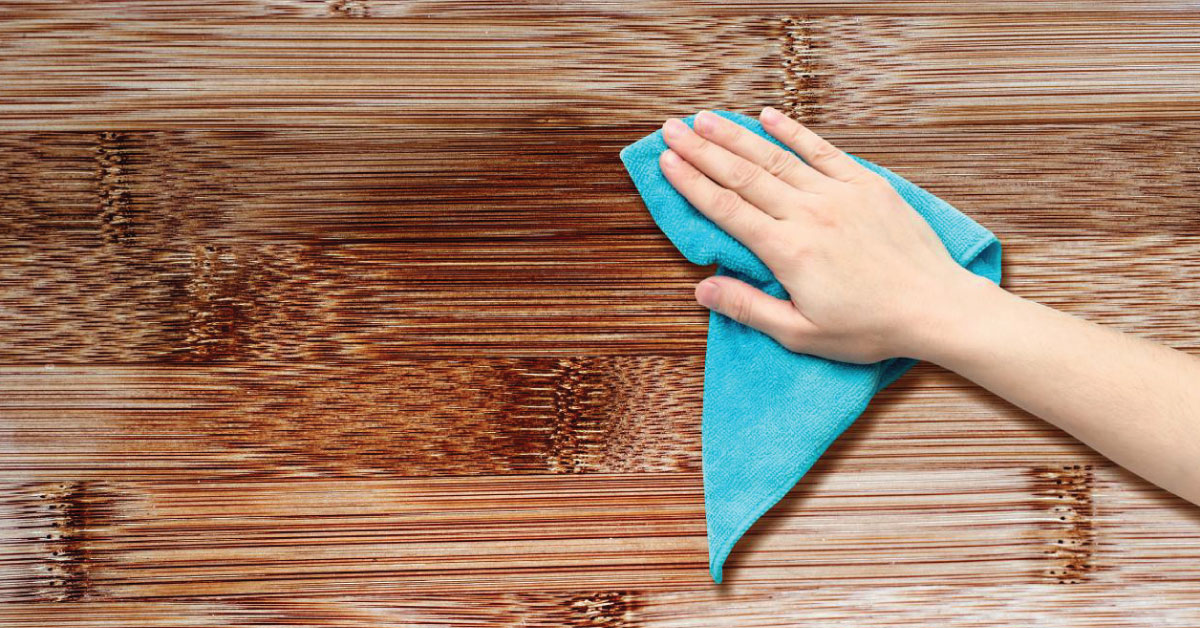
Credit: victoryrelax.com
Dusting Techniques
Dusting wooden furniture helps keep it clean and looking good. Regular dusting stops dirt from building up and scratching the surface.
Using the right dusting methods protects your wood and makes it last longer.
Tools For Effective Dusting
Choose soft tools to avoid scratching wood. Use dusters that trap dust well and can reach tight spots.
- Microfiber cloths: Gentle and great at trapping dust
- Feather dusters: Reach corners and detailed areas
- Soft brushes: Good for carved or rough surfaces
- Vacuum with brush attachment: Removes dust without spreading it
Frequency Of Dusting
How often you dust depends on your home and furniture use. Dust builds up faster in some areas.
Dust your wooden furniture at least once a week to keep it clean and protected.
- High traffic areas may need dusting two or three times weekly
- Less used rooms can be dusted every two weeks
- Always dust before polishing or cleaning with liquids
Removing Stains And Spots
Wooden furniture can get stains and spots from daily use. These marks can spoil the look of your wood. It is important to clean them carefully.
Using the right methods helps keep the wood safe. This guide shows simple ways to remove common stains.
Addressing Water Rings
Water rings appear when wet glasses sit on wood. These rings look white or cloudy. You can remove them using gentle methods.
- Place a soft cloth over the water ring.
- Use a warm iron on low heat and press it on the cloth for a few seconds.
- Lift the cloth and check if the ring is fading.
- If needed, repeat the process carefully until the ring disappears.
- Apply a small amount of wood polish to restore shine.
Be careful not to use too much heat. This method works best on finished wood surfaces.
Handling Ink And Grease Marks
Ink and grease stains can be tough on wood. Using the right cleaner is important to avoid damage.
| Type of Stain | Cleaning Method | Notes |
| Ink | Apply a small amount of rubbing alcohol on a cloth and gently rub. | Test on hidden area first. |
| Grease | Use mild dish soap mixed with water to clean the spot. | Wipe dry immediately. |
| Both | Use baking soda paste (baking soda + water) to gently scrub the stain. | Use a soft cloth to avoid scratches. |
Always dry the area after cleaning. This keeps the wood safe from moisture.
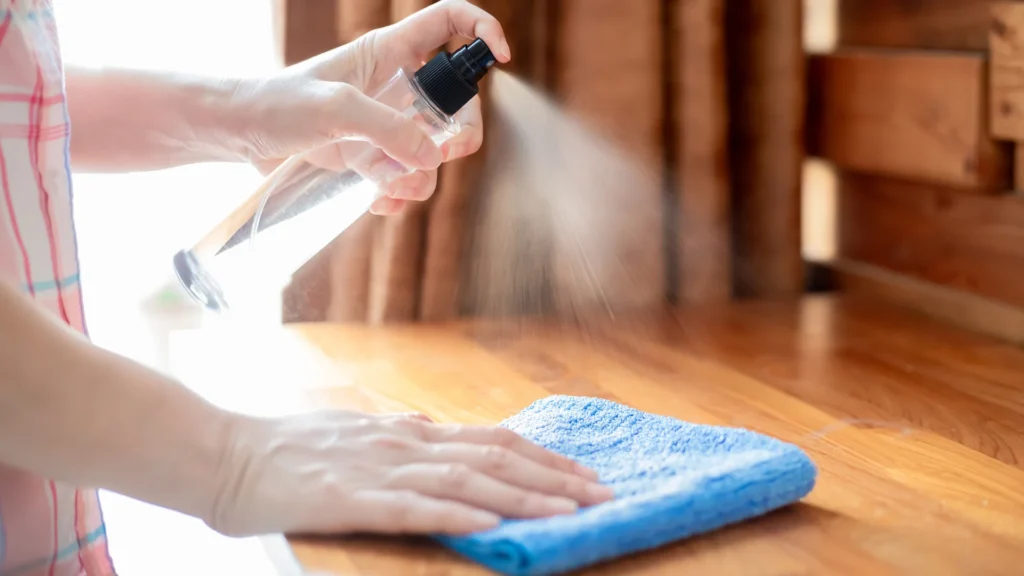
Credit: www.dirtblastercleaningservices.com
Polishing For A Gleaming Finish
Polishing wooden furniture helps keep it shiny and beautiful. It also protects the wood from damage.
Using the right polish and method makes cleaning easier. It gives your furniture a smooth, gleaming finish.
Types Of Furniture Polish
There are different polishes for wooden furniture. Choose the one that fits your furniture type and needs.
- Wax Polish:Adds a protective layer and gives a soft shine.
- Oil Polish:Nourishes the wood and enhances its natural color.
- Spray Polish:Easy to apply and cleans dust quickly.
- Liquid Polish:Good for deep cleaning and restoring shine.
Application Methods
Apply polish carefully to avoid damage. Use the right tools and follow simple steps.
- Clean the furniture surface before polishing.
- Use a soft cloth or brush for applying polish.
- Apply polish in small amounts, spreading evenly.
- Buff the surface gently to bring out the shine.
- Repeat if needed, but do not over-polish.
Maintaining And Protecting Wood
Wooden furniture adds warmth and beauty to any room. Keeping it clean and protected helps it last longer. Simple care habits can prevent damage and keep wood looking fresh.
Regular maintenance protects wood from wear and environmental damage. Focus on preventing scratches and controlling humidity to keep furniture in good shape.
Preventing Scratches And Dents
Wood can get scratched or dented by daily use. Avoid placing sharp or heavy objects directly on the surface. Use protective pads or cloths under items to reduce damage.
- Place felt pads under furniture legs
- Use coasters for drinks and dishes
- Avoid dragging objects across wood surfaces
- Keep pets’ nails trimmed to prevent scratches
- Clean spills immediately to avoid stains
Controlling Humidity Levels
Wood reacts to moisture by expanding or shrinking. High humidity can cause warping, while low humidity leads to cracks. Keep indoor humidity stable to protect your furniture.
| Humidity Level | Effect on Wood |
| Below 30% | Wood may crack or split |
| 30% – 50% | Ideal for wooden furniture |
| Above 50% | Wood may swell or warp |
Use a humidifier or dehumidifier to keep levels steady. Place furniture away from direct heat or air vents to avoid rapid changes.
Seasonal Care Routines
Wooden furniture needs special care during different seasons. Changing weather affects wood’s look and strength. You can keep furniture safe by following simple routines.
Below are easy tips for spring, summer, fall, and winter. These help your wooden furniture last longer and stay beautiful.
Spring And Summer Care
Spring and summer bring warmth and moisture. This can cause wood to expand and crack. Clean furniture gently and protect it from sun and rain.
- Dust furniture with a soft cloth weekly.
- Use mild soap and water to clean sticky spots.
- Dry furniture fully after cleaning to avoid water damage.
- Apply a thin coat of wood oil or wax for protection.
- Move furniture out of direct sunlight to prevent fading.
- Cover outdoor pieces during heavy rain or storms.
Fall And Winter Maintenance
Cooler air and dry heat can dry out wood. This causes cracks and splits. It is important to keep wood hydrated and safe from harsh indoor heat.
| Task | Reason | How Often |
| Apply wood conditioner | Prevents drying and cracking | Every 2 months |
| Keep furniture away from heaters | Avoids heat damage | All winter |
| Use humidifier indoors | Maintains moisture balance | Daily |
| Clean dust gently | Prevents buildup that dries wood | Weekly |

Credit: www.youtube.com
Frequently Asked Questions
How Often Should I Clean Wooden Furniture?
Clean wooden furniture at least once a week to remove dust and dirt. Regular cleaning prevents buildup and maintains its finish. Avoid excessive moisture, which can damage wood. Use a soft cloth and mild cleaner for best results.
What Is The Best Cleaner For Wooden Furniture?
Use a mild soap mixed with water or a specialized wood cleaner. Avoid harsh chemicals and abrasive cleaners that can strip the finish. Always test the cleaner on a small area first to ensure it doesn’t damage the wood.
Can I Use Water To Clean Wooden Furniture?
Yes, but use water sparingly to avoid warping or damage. Dampen a soft cloth lightly and wipe the surface. Immediately dry the wood with a clean, dry cloth to prevent moisture absorption.
How Do I Remove Stains From Wooden Furniture?
Gently rub the stain with a mixture of baking soda and water or use a commercial wood stain remover. Avoid harsh scrubbing to prevent damage. Always test on a hidden spot before applying to the stain.
Conclusion
Cleaning wooden furniture takes simple steps and regular care. Use mild soap and soft cloths to protect the wood. Avoid harsh chemicals that can damage the finish. Dry the surface well after cleaning to stop water marks. Regular dusting keeps furniture looking fresh and new.
Small efforts make a big difference over time. Keep your wooden pieces shining and healthy with these tips. Enjoy the warmth and beauty of clean wood in your home.