
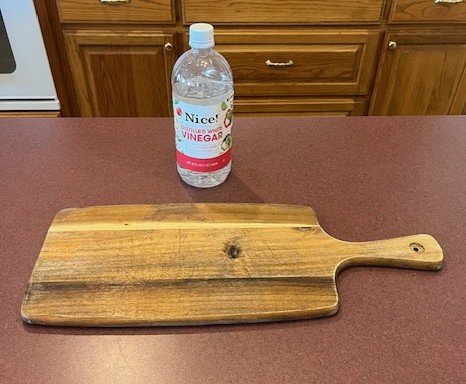
Your wooden cutting board is a kitchen essential, but keeping it clean can be tricky. If you’ve ever worried about lingering bacteria or stubborn stains, vinegar might be your best friend.
Using vinegar to clean your wooden cutting board is simple, natural, and highly effective. You’ll learn exactly how to get your board spotless and safe to use again. Keep reading—your kitchen and your health will thank you.
Importance Of Cleaning Wooden Cutting Boards
Wooden cutting boards can hold bacteria if not cleaned well. Proper cleaning keeps your kitchen safe and healthy.
Vinegar is a natural cleaner that removes germs and odors from wooden boards. It helps keep the wood in good shape.
Preventing Bacteria Growth
Wood can absorb juices from raw meat and vegetables. These juices can hold harmful bacteria if not cleaned properly.
Cleaning with vinegar kills many germs and lowers the risk of food poisoning. It stops bacteria from growing inside the wood.
Removing Odors And Stains
Wooden boards can keep smells from garlic, onions, or fish. Vinegar helps remove these strong odors.
It also helps fade stains caused by fruits, vegetables, or spices. Vinegar cleans without hurting the wood.
Extending The Life Of Your Cutting Board
Cleaning wooden boards with vinegar stops mold and mildew from forming. This protects the wood from damage.
Regular cleaning keeps the board strong and smooth. It can last longer and stay safe to use.
Safe And Natural Cleaning Option
Vinegar is safe to use on wood and does not add harmful chemicals. It is better for your health and the environment.
Using vinegar is a simple way to keep your cutting board clean without harsh cleaners.

Credit: homewithgraceandjoy.com
Benefits Of Using Vinegar
Vinegar is a natural cleaner that works well on wooden cutting boards. It helps remove bacteria and stains without harsh chemicals.
Using vinegar keeps your cutting boards safe and fresh. It also protects the wood from damage over time.
Natural Antibacterial Properties
Vinegar contains acetic acid, which kills many types of bacteria. This makes it a safe option to clean food surfaces.
Removes Odors Effectively
Wooden cutting boards can absorb food smells. Vinegar helps neutralize these odors without leaving a strong scent.
Gentle On Wood Surface
Unlike bleach or harsh detergents, vinegar does not harm wood fibers. It cleans without drying or cracking the board.
Cost-effective And Eco-friendly
- Vinegar is inexpensive and easy to find.
- It is biodegradable and safe for the environment.
- It reduces the need for chemical cleaners.
Simple To Use
You only need to spray or wipe vinegar on the board. Let it sit for a few minutes, then rinse with water.
| Cleaning Tip | Reason |
| Use white distilled vinegar | It has strong acidity and no added colors |
| Apply vinegar after washing with soap | Enhances antibacterial effect |
| Dry board fully after cleaning | Prevents mold and wood damage |
Preparing Your Cutting Board
Cleaning wooden cutting boards with vinegar starts with good preparation. It is important to get your board ready before the cleaning process.
Proper preparation helps keep your board safe and extends its life. Follow the steps below to prepare your wooden cutting board.
Gathering Necessary Supplies
Before cleaning, collect all supplies to avoid interruptions. Having everything ready makes cleaning easier and more effective.
- White vinegar
- Warm water
- Clean cloth or sponge
- Soft brush or scrubber
- Paper towels or dry cloth
- Food-safe mineral oil (optional)
Inspecting The Board For Damage
Check your cutting board carefully before cleaning. Look for cracks, deep cuts, or warping that could affect cleaning or cause bacteria buildup.
| Damage Type | Signs | Action |
|---|---|---|
| Cracks | Visible splits or gaps in the wood | Avoid soaking; clean gently and consider replacing |
| Deep Cuts | Grooves or knife marks deeper than 1/8 inch | Scrub with brush carefully; oil after cleaning |
| Warping | Board does not lay flat | Dry flat; avoid water exposure; replace if severe |
Step-by-step Cleaning Process
Wooden cutting boards need regular cleaning to stay safe and last longer. Vinegar is a natural cleaner that removes germs and stains.
Follow these simple steps to clean your wooden cutting board thoroughly with vinegar.
Removing Surface Debris
First, clear the board of any food bits or crumbs. Use a scraper or a dry cloth to wipe off loose debris.
This step prepares the board for deep cleaning by removing visible dirt.
Applying Vinegar Solution
Mix equal parts of white vinegar and water in a spray bottle. Spray the solution evenly over the board’s surface.
Vinegar kills bacteria and helps remove odors without harming the wood.
Scrubbing The Board
Use a soft brush or sponge to scrub the board gently. Focus on any stains or sticky spots.
Scrubbing loosens dirt and helps the vinegar clean better.
Rinsing Thoroughly
Rinse the board with warm water to remove the vinegar and loosened dirt. Make sure no residue stays on the wood.
Dry the board immediately with a clean towel. Let it air dry fully before storing.
Dealing With Stubborn Stains
Wooden cutting boards can develop tough stains from food and liquids. These stains need deep cleaning to keep the board safe and fresh. Vinegar is a natural cleaner that helps remove dirt and bacteria.
Some stains are hard to remove with vinegar alone. You can use natural scrubs like salt or baking soda to help. These work well with vinegar to clean the wood deeply.
Using Salt And Vinegar Paste
Salt is rough and scrubs off stains without hurting the wood. Mixing salt with vinegar creates a paste that cleans and disinfects the board.
To make the paste, mix coarse salt with enough vinegar to form a thick spread. Rub this paste on the stained areas with a sponge or cloth. Let it sit for 5 to 10 minutes, then scrub again and rinse with warm water.
- Mix coarse salt with white vinegar
- Apply paste to stains
- Let sit 5-10 minutes
- Scrub gently
- Rinse with warm water
Utilizing Baking Soda
Baking soda is a gentle cleaner that removes stains and odors. It works well with vinegar to lift dirt from wooden boards.
Sprinkle baking soda on the stained areas. Spray or pour vinegar over the baking soda. You will see fizzing, which helps break down stains. Let it sit for 5 minutes, then scrub with a brush or sponge. Rinse the board with warm water and dry it well.
- Sprinkle baking soda on stains
- Pour vinegar over baking soda
- Wait for fizzing action
- Let sit 5 minutes
- Scrub and rinse

Credit: homewithgraceandjoy.com
Drying And Storing The Board
Cleaning wooden cutting boards with vinegar removes germs and odors. After cleaning, drying and storing the board properly keeps it safe and long-lasting.
Wood can warp or crack if it stays wet or is stored wrong. Follow these tips to dry and store your board the right way.
Proper Drying Techniques
Dry your wooden cutting board right after washing. Leaving it wet can cause mold or damage the wood.
Air drying is best. Stand the board on its side to let air reach all surfaces. Avoid laying it flat to dry.
- Use a clean dish rack or stand the board upright
- Keep the board away from direct heat or sunlight
- Make sure both sides dry completely before storing
Storing To Prevent Damage
Store your wooden board in a dry place with good air flow. Avoid tight spaces where moisture can build up.
Keep the board away from extreme temperatures or humidity. This helps stop warping and cracking over time.
- Store boards upright or flat but not stacked tightly
- Use a dry cabinet or shelf with space for air circulation
- Apply mineral oil regularly to keep wood hydrated
Maintaining Your Cutting Board
Wooden cutting boards need regular care to stay clean and last long. Vinegar helps kill germs and remove stains. Proper upkeep keeps your board safe for food.
Learn simple ways to maintain your cutting board. Follow these tips to keep it in top shape.
Regular Maintenance Tips
Clean your wooden board after every use. Use white vinegar to disinfect it naturally. Avoid soaking the board in water to prevent warping.
- Spray vinegar on the board surface and let it sit for a few minutes.
- Rinse with warm water and dry with a clean towel.
- Use coarse salt and lemon to scrub away stains and odors.
- Store the board in a dry place standing up to air dry.
When To Oil The Board
Oiling your cutting board keeps wood from drying out and cracking. Use food-safe mineral oil or beeswax oil. Oil the board when it looks dry or after cleaning.
| Condition | Signs You Should Oil |
| New Board | Oil before first use |
| Regular Use | Board looks dry or dull |
| After Cleaning | Board feels rough or absorbs water |
| Seasonal | Every 1-2 months for best care |
Common Mistakes To Avoid
Cleaning wooden cutting boards with vinegar is simple but easy to do wrong. Avoiding common mistakes helps keep boards safe and long-lasting.
These tips show you what not to do for a clean and healthy cutting board.
Using Too Much Vinegar
Pouring large amounts of vinegar can soak into the wood. This may damage the board or leave a strong smell.
Use just enough vinegar to wipe the surface. A spray bottle works well to control the amount.
Not Rinsing Properly
Some people skip rinsing after cleaning with vinegar. This leaves vinegar residue on the wood.
Always rinse the board with water after cleaning. This removes leftover vinegar and stops wood damage.
Soaking The Board In Water
Wood absorbs water and swells. Soaking wooden boards can cause cracks and warping.
Never soak your wooden cutting board. Use a damp cloth with vinegar for cleaning instead.
Skipping Drying After Cleaning
Leaving a wet board can lead to mold and bacteria growth. Wood must dry completely after cleaning.
Dry the board with a clean towel. Then, let it air dry standing up or on a rack.
Using Vinegar On Old Or Cracked Boards
Vinegar can worsen damage on old or cracked wooden boards. Cracks trap moisture and bacteria.
Check your board for cracks before cleaning. Replace any boards that have deep cracks.
Ignoring Regular Oiling
Cleaning with vinegar dries the wood. Without oil, boards lose moisture and crack.
Apply mineral oil regularly to keep your board strong and smooth after cleaning.

Credit: www.aol.com
Frequently Asked Questions
How Does Vinegar Clean Wooden Cutting Boards?
Vinegar is a natural disinfectant that kills bacteria and removes odors. Its acidity helps break down grime and food residues on wooden boards effectively. Using vinegar is safe and eco-friendly for maintaining cutting board hygiene.
Can Vinegar Damage Wooden Cutting Boards?
No, vinegar won’t damage wood if used properly. Dilute it with water and avoid soaking the board. Excessive moisture can cause wood to warp or crack, so always dry the board thoroughly after cleaning.
How Often Should I Clean Boards With Vinegar?
Clean wooden cutting boards with vinegar after each use to prevent bacterial buildup. For deep cleaning, use vinegar once a week. Regular cleaning keeps your board fresh, safe, and extends its lifespan.
Is Vinegar Better Than Bleach For Cleaning Boards?
Yes, vinegar is safer and less harsh than bleach. It disinfects without harmful chemicals or strong odors. Vinegar is also eco-friendly and won’t erode or damage wooden surfaces like bleach might.
Conclusion
Cleaning wooden cutting boards with vinegar keeps them fresh and safe. Vinegar kills germs and removes smells without harsh chemicals. Use it regularly to stop bacteria buildup. Let the board dry well after cleaning to avoid cracks. This simple method saves money and protects your kitchen tools.
Keep your cutting board clean, healthy, and ready for every meal. Easy, natural, and effective. Give it a try today!