
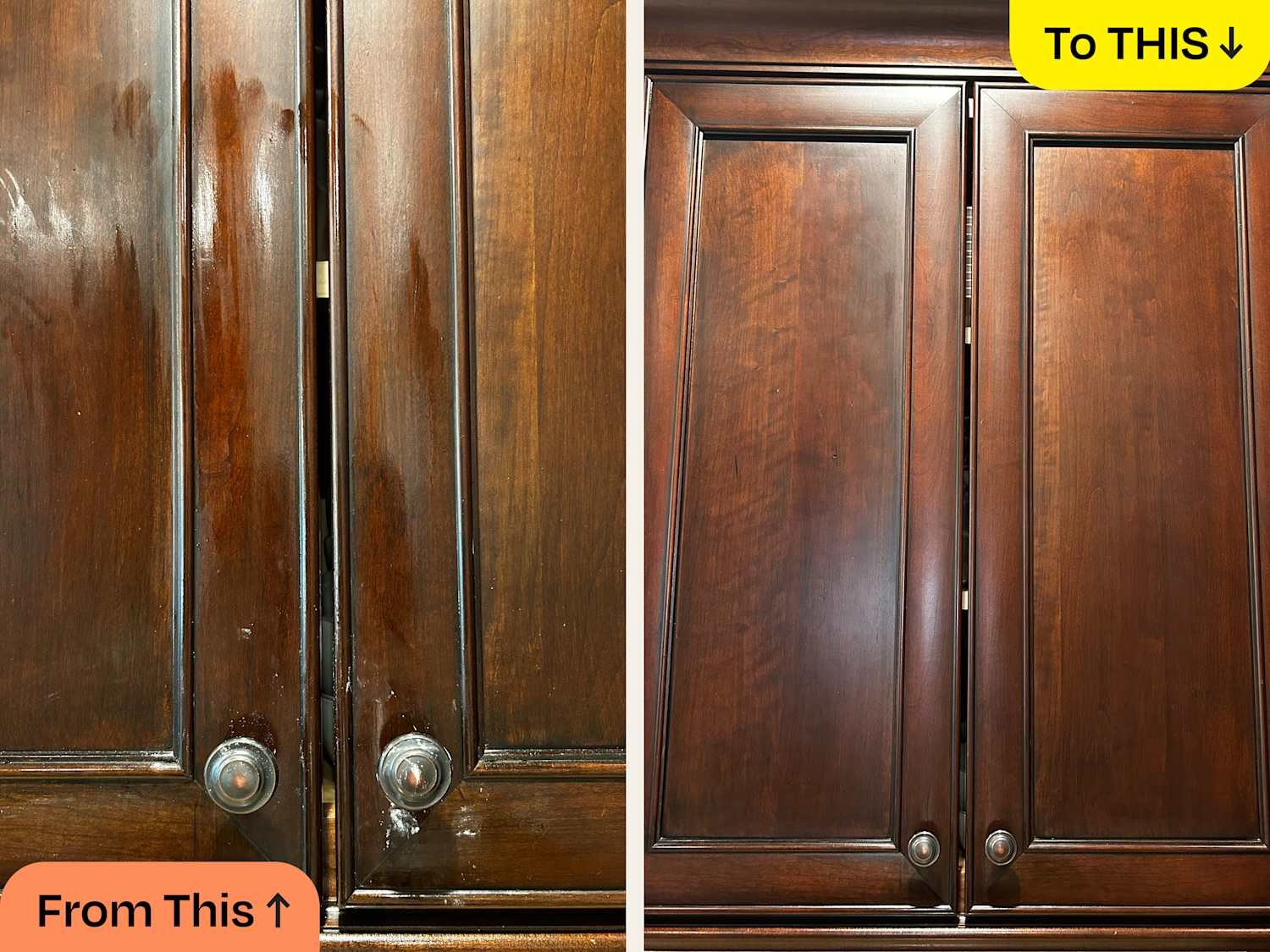
Are your wooden cabinets looking dull or sticky? You might think that cleaning them means using harsh chemicals that could damage the wood.
But what if you could restore their natural shine using simple, natural ingredients you already have at home? You’ll discover easy and effective ways to clean your wooden cabinets thoroughly—without any harmful products. By the end, your cabinets will not only look fresh but also last longer.
Ready to bring back that warm, natural beauty to your kitchen or living space? Let’s get started!
Benefits Of Cleaning Wooden Cabinets Naturally
Cleaning wooden cabinets naturally helps keep your home safe and fresh. It avoids harsh chemicals that can harm your health.
Natural cleaning also protects the wood and keeps your cabinets looking good for a long time.
Safe For Your Family And Pets
Natural cleaning products do not contain toxic chemicals. This makes them safer for children and pets in your home.
You can clean without worrying about harmful fumes or skin irritation.
Protects The Wood Finish
Natural cleaners are gentle on wood surfaces. They help keep the wood’s natural shine and texture.
Harsh chemicals can dry out or damage the wood finish over time. Natural cleaning keeps cabinets strong and smooth.
Eco-friendly And Sustainable
Using natural ingredients reduces pollution and waste. It helps protect the environment.
Natural cleaning products often come from renewable resources and break down easily without harming nature.
Cost-effective And Easy To Make
Many natural cleaners use common household items like vinegar, baking soda, or lemon juice.
These ingredients are affordable and easy to find. You can make your own cleaner at home quickly.
Reduces Allergens And Improves Air Quality
Natural cleaning helps remove dust and allergens without leaving harmful residue.
This can improve indoor air quality and reduce allergy symptoms for sensitive people.
Essential Supplies For Natural Cleaning
Cleaning wooden cabinets with natural products keeps them safe and shiny. Using the right supplies helps remove dirt without harming the wood.
This guide lists common natural items you need for a thorough cleaning. Each supply has a special role in keeping cabinets fresh and protected.
White Vinegar
White vinegar is a gentle cleaner that removes grease and grime. It also kills bacteria without harsh chemicals.
Olive Oil
Olive oil helps polish wooden cabinets. It nourishes the wood and restores shine naturally.
Baking Soda
Baking soda acts as a mild abrasive. It removes stains and odors without scratching the surface.
Soft Cloths
- Microfiber cloths for dusting and wiping
- Soft cotton rags for applying oil or vinegar
- Old t-shirts cut into pieces work well
Spray Bottle
A spray bottle helps apply cleaning solutions evenly. It is easy to control the amount of liquid used on cabinets.
Warm Water
| Purpose | Use |
| Mixing Solutions | Combine vinegar or baking soda with warm water |
| Rinsing | Wipe cabinets after cleaning to remove residue |
| Softening Dirt | Make it easier to wipe off stubborn spots |
Preparing Cabinets For Cleaning
Cleaning wooden cabinets naturally starts with proper preparation. This helps protect the wood and get the best results.
Preparing your cabinets includes removing everything inside and checking for damage. These steps make cleaning easier and safer.
Removing Items And Dusting
Take all items out of your cabinets before cleaning. This gives you full access to every surface.
Use a soft cloth or a duster to remove dust from the shelves and doors. Dust can scratch the wood if not removed gently.
- Empty all shelves completely
- Use a microfiber cloth or soft duster
- Dust corners and edges carefully
- Remove loose dirt and debris
Inspecting For Damage
Look for signs of damage like cracks, loose hinges, or water stains. Early fixing helps keep cabinets strong.
Check both inside and outside surfaces. Small problems can get worse if ignored during cleaning.
- Check for cracks or splits in wood
- Look for loose or missing screws
- Find water marks or discoloration
- Note peeling or flaking finish

Credit: www.express.co.uk
Homemade Cleaning Solutions
Cleaning wooden cabinets naturally keeps them safe and shiny. You can make simple cleaning solutions at home.
These solutions use common ingredients that are gentle and effective for wood surfaces.
Vinegar And Water Mixture
Vinegar cuts grease and grime from wooden cabinets. It cleans well without harsh chemicals.
Mix equal parts of white vinegar and water in a spray bottle. Spray lightly and wipe with a soft cloth.
- Use cool or room temperature water to avoid damage
- Test on a small hidden spot first
- Wipe dry after cleaning to prevent moisture
Baking Soda Paste
Baking soda is a mild abrasive that removes stains and dirt. It cleans without scratching the wood.
Mix baking soda with water to make a thick paste. Apply it to dirty spots and rub gently with a cloth.
- Use a soft cloth or sponge for rubbing
- Rinse the area with a damp cloth after cleaning
- Dry the cabinet surface with a clean towel
Lemon Oil Polish
Lemon oil nourishes wood and gives a fresh smell. It adds shine and protects the cabinet surface.
Apply a small amount of lemon oil to a soft cloth. Rub it into the wood following the grain for best results.
- Use lemon oil sparingly to avoid buildup
- Buff the wood with a dry cloth after applying
- Repeat polishing every few months for care
Step-by-step Cleaning Process
Cleaning wooden cabinets naturally keeps them looking fresh and lasting longer. Using simple ingredients helps protect the wood and the environment.
This guide shows you how to clean wooden cabinets thoroughly with easy steps. Follow each part carefully to get the best results.
Wiping Down Surfaces
Start by removing dust and dirt from the cabinet surfaces. Use a soft cloth dampened with a natural cleaner for the best care.
Mix equal parts water and white vinegar or use a few drops of mild dish soap in warm water. Avoid soaking the wood.
- Use a microfiber cloth to avoid scratches
- Wring out excess liquid from the cloth
- Wipe in the direction of the wood grain
- Dry the surface with a clean, dry cloth
Cleaning Handles And Knobs
Handles and knobs collect grease and dirt easily. Remove them if possible or clean carefully in place.
Use a small brush or old toothbrush with a natural cleaner to reach tight spots. Rinse and dry thoroughly to avoid rust.
- Mix warm water with a few drops of mild dish soap
- Dip the brush and scrub around handles and knobs
- Wipe with a damp cloth to remove soap
- Dry well with a soft towel
Addressing Tough Stains
For sticky or tough stains, use baking soda paste or lemon juice. These natural cleaners break down grime without damage.
Apply the paste gently with a cloth or sponge. Let it sit a few minutes, then wipe clean and dry the area.
- Mix baking soda with water to make a paste
- Apply paste to stains and rub gently
- Use lemon juice on a cloth for greasy spots
- Wipe clean with a damp cloth
- Dry the surface completely

Credit: www.reddit.com
Maintaining Wooden Cabinets
Wooden cabinets add warmth and style to any room. Keeping them clean helps preserve their beauty for years.
Natural cleaning methods protect the wood without harsh chemicals. These ways keep your cabinets safe and shiny.
Regular Dusting Routine
Dust settles on cabinets and can cause scratches over time. Dusting often stops dirt buildup and keeps wood smooth.
Use a soft, dry cloth or a microfiber duster. Wipe gently to remove dust from all surfaces and corners.
- Dust at least once a week
- Use a clean, dry cloth for best results
- Avoid rough or wet cloths that can damage wood
Protecting Against Moisture
Moisture can cause wood to swell, warp, or develop mold. Keep cabinets dry to avoid damage.
Wipe spills immediately with a dry cloth. Use natural oils to seal and protect the wood surface.
- Fix leaks and drips near cabinets quickly
- Use natural wood oils like lemon or olive oil for protection
- Keep kitchen humidity low with good ventilation
Eco-friendly Practices
Cleaning wooden cabinets naturally helps protect the environment. It keeps your home safe from harsh chemicals.
Using eco-friendly methods saves water and reduces pollution. These practices support a healthier planet.
Choosing Sustainable Products
Pick cleaning products made from natural ingredients. Avoid products with harmful chemicals or synthetic fragrances.
Look for biodegradable soaps, vinegar, and baking soda. These items clean well without damaging wood or nature.
- White vinegar helps remove dirt and grease
- Baking soda acts as a gentle scrub
- Castile soap cleans wood safely
- Essential oils add natural fragrance
Reducing Waste
Use reusable cloths instead of paper towels. This reduces trash and saves trees.
Mix only the amount of cleaner you need. Avoid throwing away extra solutions that harm the environment.
- Use old cotton shirts for cleaning rags
- Store cleaners in reusable spray bottles
- Recycle containers after use
- Compost natural cleaning ingredients when possible
Credit: everydayoldhouse.com
Frequently Asked Questions
How Do I Naturally Clean Wooden Cabinets?
Use a mixture of warm water and mild dish soap. Dampen a soft cloth with the solution. Wipe cabinets gently to remove dirt. Dry immediately with a clean cloth to prevent moisture damage. Avoid harsh chemicals that can strip wood finish.
What Natural Ingredients Best Clean Wood Cabinets?
White vinegar, olive oil, and lemon juice are excellent natural cleaners. Vinegar removes grime, lemon juice brightens wood, and olive oil conditions it. Mix these in small amounts for a safe, effective wood cabinet cleaner.
Can I Use Vinegar To Clean Wooden Cabinets?
Yes, dilute vinegar with water before use. Vinegar effectively cuts grease and grime without harsh chemicals. Always test on a small area first. Avoid using undiluted vinegar as it may damage the wood finish.
How Often Should Wooden Cabinets Be Cleaned Naturally?
Clean wooden cabinets every two weeks for regular maintenance. Wipe spills immediately to prevent stains. Deep clean naturally every few months to maintain shine and remove buildup without damaging the wood.
Conclusion
Cleaning wooden cabinets naturally keeps them safe and looking fresh. Use simple ingredients like vinegar, lemon, and olive oil. These clean well without harsh chemicals. Regular care helps wood last longer and shine bright. Avoid strong cleaners that can damage wood surfaces.
Try these easy steps to keep cabinets neat and healthy. Small efforts make a big difference over time. Enjoy your clean, natural wooden cabinets every day.