
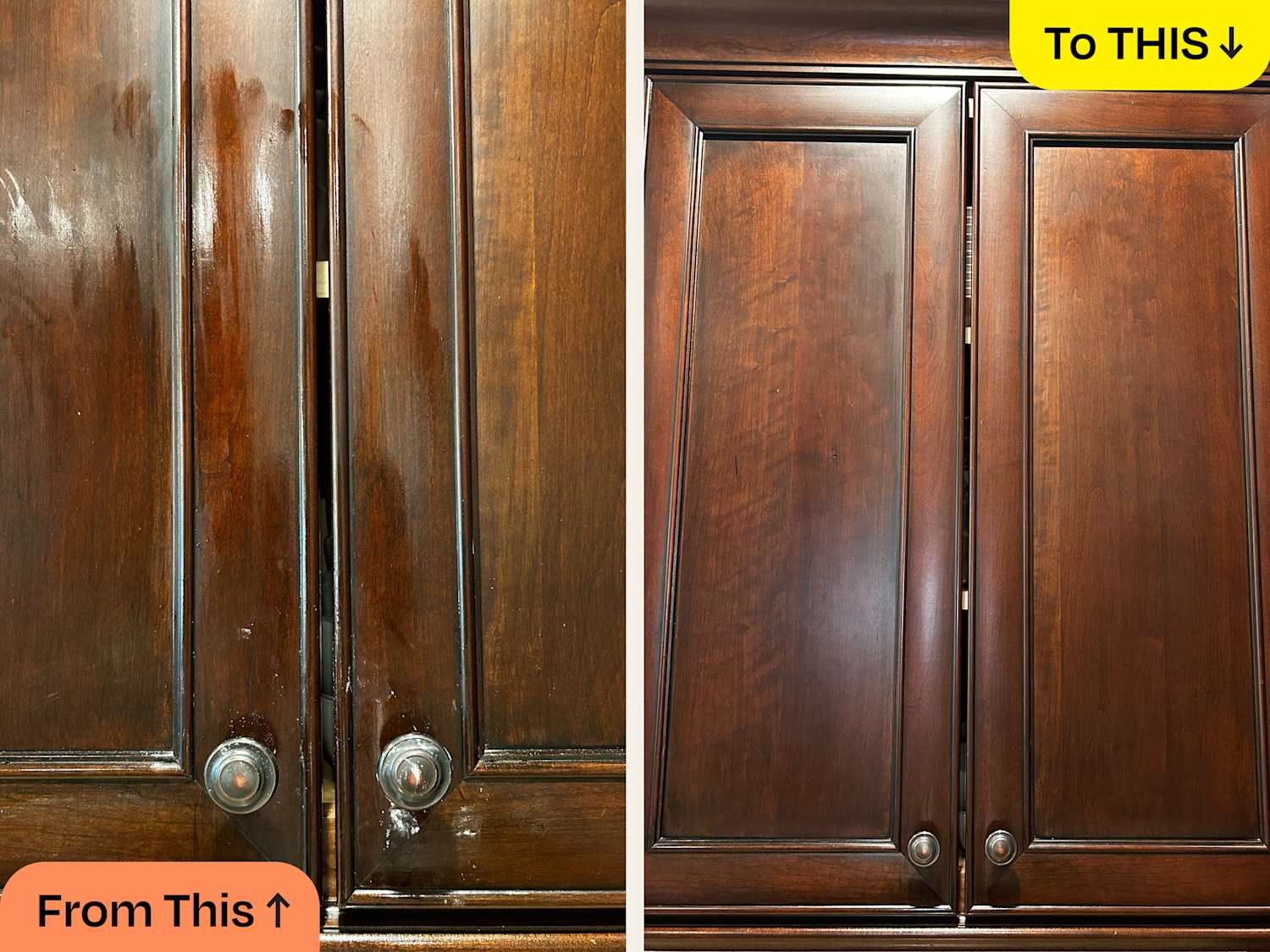
Are your wooden cabinets looking dull or sticky from everyday use? You don’t need harsh chemicals to bring back their shine.
Imagine restoring your cabinets with simple, natural ingredients you probably already have at home. You’ll discover easy, effective ways to clean your wooden cabinets safely and naturally. Keep reading, and you’ll learn how to make your cabinets look fresh and beautiful again—without any damage or strong odors.
Your kitchen deserves that gentle touch!
Benefits Of Natural Cleaning
Natural cleaning uses ingredients from nature to clean wooden cabinets. It avoids harsh chemicals that can damage wood or harm your health.
Using natural methods keeps your home safe and your cabinets looking fresh without strong smells or toxins.
Protects Wood Finish
Natural cleaners are gentle and do not strip away the wood’s protective layer. This helps cabinets keep their shine and color longer.
Safe For Family And Pets
Many natural cleaning ingredients are edible and non-toxic. This makes them safe if children or pets touch the cabinets after cleaning.
Eco-friendly Choice
Natural cleaners break down easily in the environment. They reduce pollution and help keep water and soil clean.
- Use vinegar and water to remove grime
- Lemon juice brightens wood naturally
- Olive oil adds shine and moisture
- Baking soda helps with tough stains
Cost-effective Cleaning
Natural cleaning ingredients are often cheaper than commercial products. You can find them in your kitchen or local store.
| Ingredient | Benefit | Use |
| White Vinegar | Kills germs, removes dirt | Mix with water for wiping |
| Lemon Juice | Brightens wood, fresh scent | Apply with cloth, then wipe |
| Olive Oil | Polishes and protects wood | Rub on surface, then buff |
| Baking Soda | Removes stains, deodorizes | Make paste with water for spots |

Credit: www.express.co.uk
Choosing The Right Ingredients
Cleaning wooden cabinets naturally means using safe and gentle ingredients. These help keep wood shiny and fresh without harsh chemicals.
Picking the right natural cleaners protects your cabinets and the environment. This guide explains four common ingredients you can use.
Essential Oils
Essential oils add a pleasant scent and have natural antibacterial properties. They help remove odors and leave your cabinets smelling clean.
- Tea tree oil fights germs and mold.
- Lavender oil soothes with a fresh scent.
- Lemon oil cuts grease and brightens wood.
Vinegar
Vinegar is a natural cleaner that breaks down dirt and grime. It also helps kill bacteria without damaging wood.
| Type of Vinegar | Best Use | Notes |
|---|---|---|
| White vinegar | General cleaning | Dilute with water to protect finish |
| Apple cider vinegar | Removing stains | Use in small amounts |
Baking Soda
Baking soda cleans and deodorizes gently. It works well on sticky spots and removes odors from wood.
Make a paste with water for scrubbing without scratching the surface.
Lemon Juice
Lemon juice brightens wood and cuts grease. Its natural acid helps dissolve dirt and leaves a fresh scent.
- Mix lemon juice with olive oil to polish wood.
- Use diluted lemon juice to avoid damage.
- Test on a small area before full use.
Preparing Your Cleaning Solution
Cleaning wooden cabinets naturally requires the right mixture. Using gentle ingredients helps protect the wood.
Making your own cleaning solution is easy and cost-effective. It also avoids harsh chemicals.
Select Mild Ingredients
Choose natural items that clean without damaging wood. Vinegar, olive oil, and mild soap are good choices.
- White vinegar cuts grease and dirt
- Olive oil nourishes and shines wood
- Mild liquid soap removes surface grime
- Water dilutes ingredients to safe levels
Mix Your Cleaning Solution
Combine ingredients carefully for the best effect. Too much vinegar can harm the finish.
| Ingredient | Amount |
| White vinegar | 1/2 cup |
| Warm water | 2 cups |
| Mild liquid soap | 1 teaspoon |
| Olive oil (optional) | 1 tablespoon |
Test The Solution First
Always test your mixture on a small hidden spot. This prevents damage or discoloration.
Apply a small amount of solution to a cloth. Rub gently on a hidden cabinet area. Wait 10 minutes to check for changes.
Step-by-step Cleaning Process
Cleaning wooden cabinets naturally keeps them looking fresh. It also protects the wood from damage.
This guide shows you easy steps to clean your cabinets safely at home. Use simple ingredients that are gentle on wood.
Dusting The Cabinets
Start by removing dust and loose dirt from your cabinets. This prevents scratches during cleaning.
Use a soft cloth or a microfiber duster. Gently wipe all surfaces, including corners and edges.
Applying The Solution
Make a natural cleaning solution with equal parts water and white vinegar. Add a few drops of mild dish soap.
Put the mixture into a spray bottle. Lightly spray the solution onto the cabinet surfaces.
Wiping Down The Surface
Use a soft cloth dampened with the cleaning solution. Wipe the cabinets in the direction of the wood grain.
Dry the surface immediately with a clean, dry cloth. This stops water damage and streaks.
Handling Stubborn Stains
For tough spots, make a paste of baking soda and water. Apply it gently to the stain with a soft cloth.
Rub lightly and wipe off with a damp cloth. Repeat if needed, then dry the area well.
Caring For Different Wood Finishes
Wooden cabinets come with various finishes. Each finish needs special care to keep its beauty. Using natural cleaning methods helps protect the wood and finish.
This guide covers how to clean and care for oiled, painted, and varnished wood cabinets naturally. Follow these tips to maintain your cabinets well.
Oiled Wood
Oiled wood has a natural look and feels smooth. It needs gentle cleaning to avoid removing the oil finish. Use a soft cloth with a mix of warm water and mild soap.
- Wipe with a damp cloth, not soaking wet
- Dry immediately with a clean towel
- Apply natural oil like linseed or tung oil once every few months
- Avoid harsh chemicals or abrasive tools
Painted Wood
Painted wood has a solid color layer that protects the wood. Clean it gently to avoid scratching or removing paint. Use mild soap and water with a soft sponge.
| Cleaning Tips | What to Avoid |
| Use soft sponge or cloth | Scrubbing pads or steel wool |
| Mild soap and water solution | Strong detergents or bleach |
| Dry immediately after cleaning | Letting water sit on surface |
| Spot test cleaners first | Using untested cleaning products |
Varnished Wood
Varnished wood shines with a protective clear coat. It can handle a bit more cleaning power but still needs care. Use a natural cleaner to keep the shine.
Try this natural cleaning mix for varnished wood:
- 1 cup warm water
- 1/4 cup white vinegar
- 1 tablespoon olive oil
Mix well and use a soft cloth to clean the surface. Wipe dry with a clean towel.

Credit: www.reddit.com
Maintaining Wooden Cabinets
Wooden cabinets add warmth and style to any room. Keeping them clean helps them last longer.
Using natural methods protects the wood and keeps your home safe from chemicals.
Regular Cleaning Schedule
Clean your cabinets often to stop dirt and grime buildup. A gentle routine keeps wood healthy.
- Dust cabinets weekly with a soft cloth
- Wipe spills immediately to prevent stains
- Use a damp cloth with mild soap once a month
- Dry surfaces fully after cleaning
Protecting Against Moisture
Moisture can cause wood to warp or grow mold. Keep cabinets dry and avoid water damage.
| Moisture Risk | How to Protect |
| Leaking pipes | Fix leaks quickly |
| Wet hands or dishes | Wipe surfaces dry |
| High humidity | Use dehumidifiers or fans |
| Steam from cooking | Use vent hoods or open windows |
Avoiding Harsh Chemicals
Strong chemicals can strip finish and damage wood. Use natural cleaners instead.
Try these gentle cleaning options:
- Mix equal parts water and white vinegar
- Use olive oil and lemon juice to polish
- Apply baking soda paste for tough spots
Test cleaners on a small area before full use.
Common Mistakes To Avoid
Cleaning wooden cabinets naturally is a smart choice. It protects the wood and the environment.
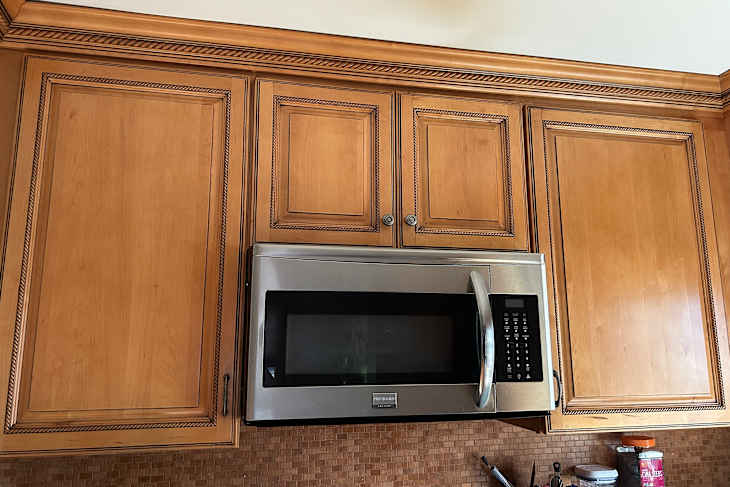
Some common mistakes can damage your cabinets. Avoid these to keep your wood looking great.
Using Too Much Water
Wood does not like excess water. Too much moisture can cause warping and swelling.
Use a damp cloth, not a wet one. Wipe gently and dry the surface quickly.
Choosing The Wrong Cleaner
Harsh chemicals can strip the wood’s natural finish. Avoid cleaners with ammonia or bleach.
Stick to natural solutions like vinegar and olive oil for safe cleaning.
Scrubbing Too Hard
Scrubbing with force can scratch or damage the wood surface. Use soft cloths or sponges.
Gentle wiping removes dirt without harming the finish.
Ignoring Regular Cleaning
Letting dirt build up makes cleaning harder. Clean your cabinets regularly to avoid damage.
Frequent light cleaning keeps wood fresh and prevents stains.
Not Testing Cleaners First
Some natural cleaners can still harm certain wood types. Always test on a small spot first.
This helps avoid discoloration or damage to the entire cabinet surface.
Credit: www.thekitchn.com
Frequently Asked Questions
How Do I Clean Wooden Cabinets Naturally?
Use a mix of warm water and mild dish soap. Wipe cabinets with a soft cloth. Avoid harsh chemicals to protect wood finish.
What Natural Ingredients Remove Grease From Wooden Cabinets?
Lemon juice and baking soda are effective. Make a paste, apply gently, then wipe clean. This removes grease without damaging wood.
Can Vinegar Damage Wooden Cabinets When Cleaning?
Diluted vinegar is safe if used sparingly. Mix one part vinegar with two parts water. Avoid soaking wood to prevent damage.
How Often Should I Clean Wooden Cabinets Naturally?
Clean wooden cabinets every two weeks to maintain shine. Regular cleaning prevents grime buildup and extends cabinet life.
Conclusion
Cleaning wooden cabinets naturally saves money and protects your health. Simple ingredients like vinegar, lemon, and olive oil work well. Regular cleaning keeps wood shiny and free from dirt. Avoid harsh chemicals that can damage the wood finish. Natural methods also help the environment by reducing waste.
Try these easy steps to keep cabinets fresh and beautiful. Caring for wood this way feels good and lasts long. Start today and enjoy a cleaner, greener home.