
Are your window blinds looking dull and dusty? Cleaning them might seem tricky, but it doesn’t have to be.
Imagine how much brighter and fresher your room could feel with spotless blinds letting in more light. In this guide, you’ll discover simple, effective ways to clean your blinds without spending hours or using harsh chemicals. By the time you finish reading, you’ll have easy tips that save you time and make your home look amazing.
Ready to bring back that fresh, clean look to your blinds? Let’s get started!
Types Of Window Blinds
Window blinds come in many styles. Each type needs different care to stay clean.
Knowing the type of blinds helps you clean them the right way. This guide covers four common types.
Venetian Blinds
Venetian blinds have horizontal slats made from metal, plastic, or wood. Dust builds up easily on the slats.
- Use a soft cloth or duster to clean each slat.
- For deep cleaning, remove the blinds and wash with soapy water.
- Dry the slats fully before rehanging.
Vertical Blinds
Vertical blinds hang down in long strips. They are common for large windows and sliding doors.
Cleaning these blinds can be done by wiping or vacuuming. For fabric vertical blinds, spot cleaning works best.
Roller Shades
Roller shades roll up into a tube when raised. They are made of fabric or vinyl.
| Material | Cleaning Method |
|---|---|
| Fabric | Vacuum gently or spot clean with mild detergent |
| Vinyl | Wipe with damp cloth and mild soap |
Wooden Blinds
Wooden blinds add warmth to rooms. They need gentle cleaning to avoid damage.
- Use a dry or slightly damp microfiber cloth.
- Avoid soaking wood to prevent warping.
- Apply wood polish for shine and protection.

Credit: www.youtube.com
Tools And Materials Needed
Cleaning window blinds is easier with the right tools and materials. Getting these ready helps you finish the job quickly.
Different blinds need different cleaning tools. Using the right ones keeps blinds safe and looking good.
Cleaning Solutions
Choose a cleaning solution that matches your blinds. Some blinds need gentle cleaners to avoid damage.
Water mixed with mild soap works well for most blinds. Avoid harsh chemicals that can ruin the material.
- Warm water with mild dish soap
- Vinegar diluted with water (for tough stains)
- Special blind cleaners available in stores
- Avoid bleach or strong chemicals
Dusting Tools
Dusting tools help remove dirt and dust without scratching your blinds. Use soft tools for delicate materials.
Regular dusting stops build-up and keeps blinds fresh longer. Choose tools that fit the size and shape of your blinds.
- Microfiber cloths for gentle dusting
- Soft-bristle brushes for tight spaces
- Vacuum with brush attachment
- Feather dusters for quick cleaning
Protective Gear
Wear protective gear to keep yourself safe while cleaning. Some cleaning solutions can irritate skin or eyes.
Gloves and eye protection help avoid contact with dust and cleaning liquids. Protect your hands and eyes for comfort.
- Rubber or latex gloves
- Safety goggles or glasses
- Old clothes or apron to protect skin
Preparation Steps
Cleaning window blinds starts with good preparation. Proper steps make the process easier and safer.
Prepare your space and tools before you begin. This helps protect your blinds and your home.
Removing Blinds From Windows
Take the blinds down carefully to avoid damage. Follow these steps to remove them safely.
- Close the blinds completely so slats are flat.
- Locate the mounting brackets holding the blinds.
- Release any clips or screws securing the blinds.
- Hold the blinds firmly and lift them out from the brackets.
- Place the blinds on a clean, flat surface for cleaning.
Setting Up A Cleaning Area
Create a space that protects your blinds and floors. Prepare all materials before starting.
- Use a large table or countertop.
- Cover the surface with old towels or plastic.
- Keep cleaning cloths, brushes, and water nearby.
- Ensure good lighting for spotting dirt.
- Have a bucket for rinsing if needed.
Dusting Techniques
Cleaning window blinds helps keep your home fresh and bright. Dust can build up quickly on blinds.
Using the right dusting methods protects your blinds and makes cleaning easier.
Using A Duster
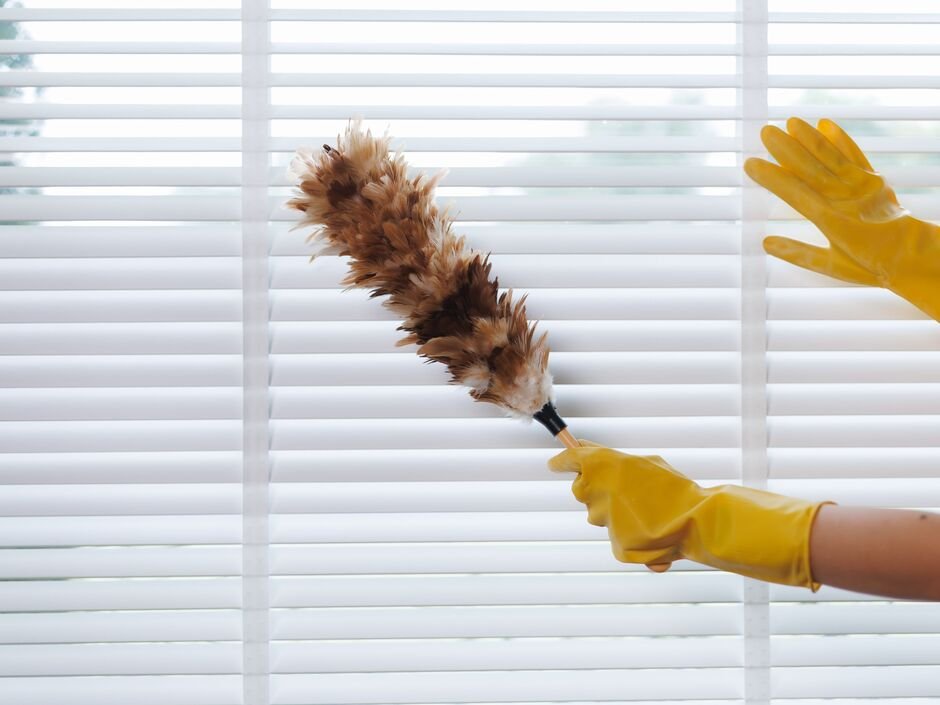
A duster is a simple tool to remove dust from blinds. It reaches between slats without bending them.
- Choose a microfiber or feather duster for best results.
- Close the blinds fully to access both sides easily.
- Gently run the duster over each slat from top to bottom.
- Shake the duster outside to remove trapped dust.
- Open the blinds and repeat on the other side.
Vacuuming Blinds
Vacuuming is effective to clear dust and dirt from blinds. Use a soft brush attachment.
| Vacuum Settings | Purpose |
| Low suction | Prevents damage to delicate blinds |
| Soft brush attachment | Removes dust without scratching |
| Slow movements | Ensures thorough cleaning |
Start at the top of the blinds and move down slowly. Vacuum both sides if possible.
Washing Methods
Cleaning window blinds keeps them looking fresh and working well. Different washing methods fit different types of blinds and dirt levels.
Choose a cleaning method that matches your blind material and how dirty they are. Use gentle ways for delicate blinds and stronger ways for heavy dirt.
Spot Cleaning With A Cloth
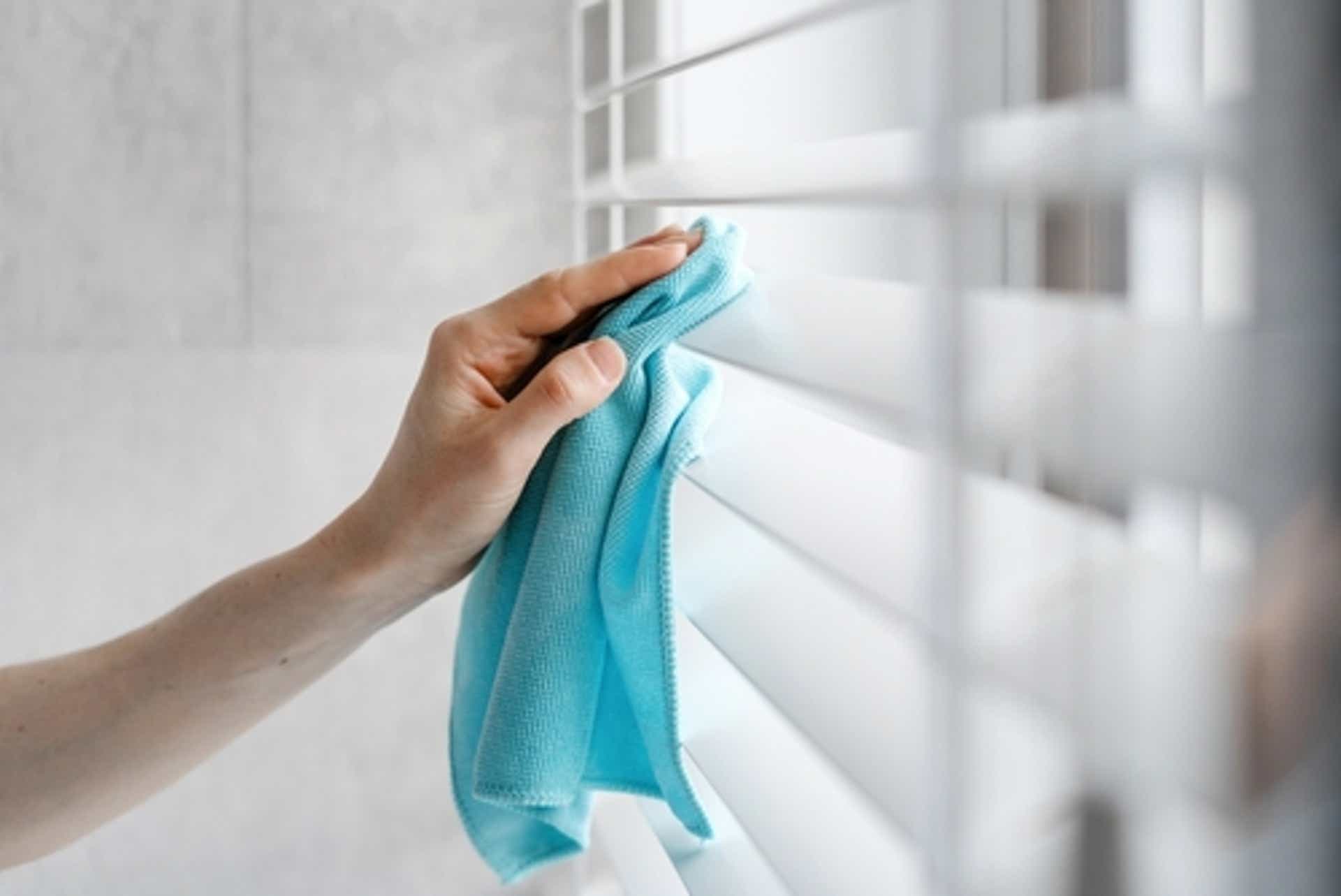
Spot cleaning works well for small stains or dust. Use a damp cloth with mild soap or a cleaning spray.
Gently wipe the dirty areas without rubbing hard. Dry the spot with a clean cloth to avoid water marks.
- Use a soft cloth or microfiber towel
- Mix mild soap with warm water
- Wipe gently on spots or stains
- Dry with a clean, dry cloth
Deep Cleaning In A Bathtub
Deep cleaning removes heavy dirt from blinds. Fill a bathtub with warm water and mild detergent.
Take the blinds off the window and soak them in the tub. Let them sit for 30 minutes, then scrub gently with a soft brush.
- Fill bathtub with warm water and detergent
- Remove blinds from window
- Soak blinds for 30 minutes
- Use soft brush to clean all slats
- Rinse with clean water and dry
Using A Hose For Outdoor Cleaning
Outdoor blinds can be cleaned with a garden hose. This method uses water pressure to remove dust and dirt.
Hang the blinds outside and spray them with water. Use a mild soap and a soft brush if needed. Let them dry in the sun.
- Hang blinds outdoors
- Spray with gentle water from hose
- Apply mild soap with soft brush if dirty
- Rinse soap off with water
- Let blinds air dry under sunlight
Drying And Reinstallation
After cleaning window blinds, drying them properly is important. Wet blinds can get damaged or develop mold. Once dry, you can put them back safely.
This guide covers simple ways to air dry your blinds and how to reattach them correctly.
Air Drying Tips
Let your blinds dry fully before reinstalling. Use these tips to speed up drying and avoid damage.
- Place blinds flat on a clean, dry towel to absorb water.
- Use a fan to circulate air and help them dry faster.
- Keep blinds away from direct sunlight to prevent warping or fading.
- Flip blinds over after a few hours to dry both sides evenly.
- Allow at least 24 hours of drying time if possible.
Reattaching Blinds
Reinstall blinds carefully to avoid damage and ensure they hang straight. Follow these steps for a smooth reattachment.
| Step | Action | Tip |
| 1 | Align the mounting brackets with the wall or window frame. | Use a level to check brackets are straight. |
| 2 | Secure the brackets with screws tightly. | Do not overtighten to avoid cracking the frame. |
| 3 | Attach the blinds to the brackets carefully. | Follow the original hanging direction. |
| 4 | Test the blinds by opening and closing them slowly. | Adjust brackets if blinds feel loose or stuck. |
Maintenance Tips
Keeping window blinds clean helps them last longer and look good. Regular care removes dust and prevents damage.
Simple cleaning steps make blinds fresh and protect their material.
Regular Dusting Routine
Dust builds up quickly on blinds. Remove it often to keep blinds working well and looking neat.
- Use a microfiber cloth or a soft duster for gentle cleaning
- Close blinds fully and dust both sides
- For vertical blinds, dust each slat from top to bottom
- Use a vacuum cleaner with a brush attachment for heavy dust
- Clean blinds weekly or biweekly to avoid buildup
Preventing Stains And Damage
Stains and damage reduce blinds’ lifespan. Avoid spills and clean stains quickly.
| Cause | Prevention Tip | Action if Stained |
| Grease or food | Keep food and drinks away from blinds | Wipe with mild soap and water quickly |
| Water spots | Dry blinds immediately if wet | Use a soft cloth to blot stains |
| Sun damage | Close blinds during strong sunlight | Consider UV-protective window films |
| Scratches or tears | Handle blinds gently when adjusting | Repair small tears or replace damaged slats |
Credit: www.servpro.com

Credit: www.makemyblinds.co.uk
Frequently Asked Questions
How Often Should I Clean Window Blinds?
Clean window blinds every 1 to 3 months to prevent dust buildup. Regular cleaning maintains appearance and improves indoor air quality. High-traffic areas may need more frequent cleaning.
What Is The Best Way To Clean Fabric Blinds?
Use a vacuum with a brush attachment to remove dust. For stains, spot clean with mild soap and water. Avoid soaking fabric blinds to prevent damage.
Can I Use Water To Clean Wooden Blinds?
Avoid soaking wooden blinds in water as it can cause warping. Use a damp cloth with mild soap for wiping. Dry immediately with a soft towel to protect the wood.
Are There Specific Tools For Cleaning Blinds Effectively?
Yes, microfiber cloths, vacuum brushes, and duster wands are ideal. These tools remove dust without damaging the blinds. Use gentle tools suitable for your blind material.
Conclusion
Cleaning window blinds keeps your home fresh and bright. Regular dusting stops dirt buildup and saves time. Use gentle cleaners to protect your blinds’ finish. Small steps make a big difference in maintaining blinds. Enjoy clearer views and cleaner windows every day.
Simple care helps blinds last longer and look good. Start cleaning today for a neat, cozy home feel. Easy tasks, great results.