
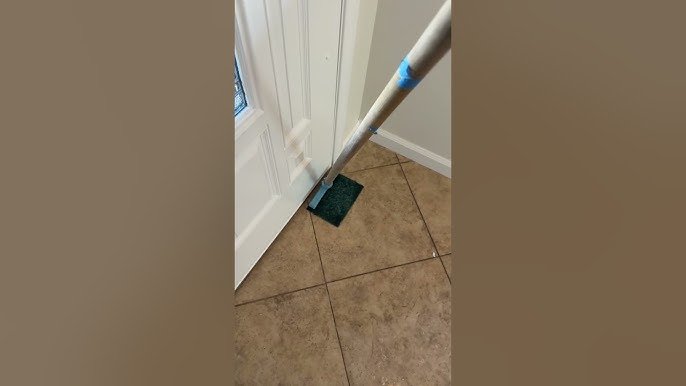
Are the edges of your tiles looking dull or dirty no matter how much you clean? You’re not alone.
Tile edges often collect grime and stains that regular cleaning misses. But here’s the good news: with the right steps, you can restore those edges to their original shine quickly and easily. You’ll discover simple, effective methods to clean your tile edges without harsh chemicals or expensive tools.
Keep reading, and you’ll learn how to make your tiles look fresh and flawless again—impressing everyone who walks into your space.
Choosing The Right Cleaning Tools
Cleaning tile edges needs the right tools to remove dirt and grime well. Using the best tools makes the job easier and protects your tiles.
Picking tools that fit your tile type and dirt level helps get the best results. This guide shows which tools to choose for clean tile edges.
Soft-bristled Brushes
Soft-bristled brushes clean tile edges without scratching. They reach into corners and grout lines gently. Choose brushes with nylon bristles for delicate tiles.
Scrapers And Picks
Scrapers and picks remove tough buildup on tile edges. Use plastic scrapers to avoid damage. Metal picks work on hard grout but use carefully to prevent scratches.
Microfiber Cloths
Microfiber cloths wipe away residue without leaving lint. They are good for final cleaning and drying tile edges. Use damp cloths for best effect.
Choosing Cleaning Tools By Tile Type
| Tile Type | Recommended Tool | Notes |
| Ceramic | Soft-bristled brush, microfiber cloth | Use mild cleaners to protect glaze |
| Porcelain | Soft brush, plastic scraper | Resists stains but avoid harsh tools |
| Natural stone | Microfiber cloth, nylon brush | Avoid acidic cleaners and metal tools |
| Glass tile | Soft cloth, plastic scraper | Gentle cleaning to avoid scratches |
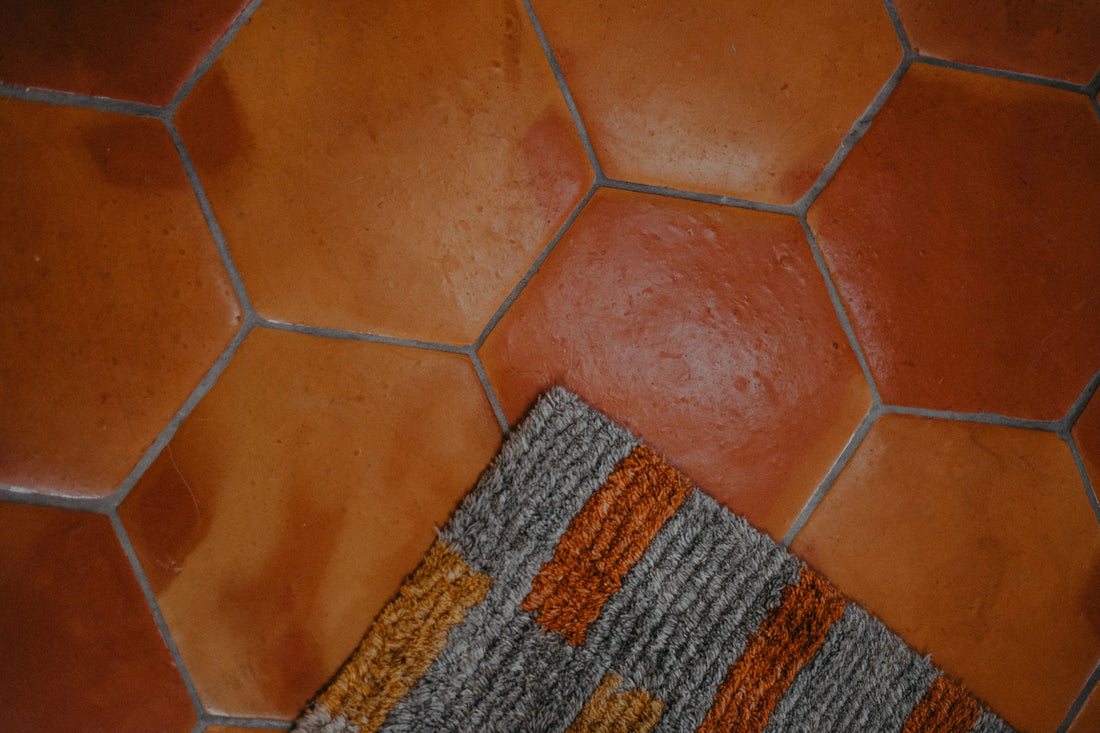
Credit: clayimports.com
Identifying Tile Type
Cleaning tile edges well depends on knowing the tile type. Different tiles need different cleaning methods.
Identifying your tile type helps protect it from damage and keeps it looking good.
Ceramic Tiles
Ceramic tiles are common and have a smooth, glazed surface. They are hard and water-resistant but can chip.
Porcelain Tiles
Porcelain tiles are a type of ceramic tile but denser and less porous. They are very strong and often used in high-traffic areas.
Natural Stone Tiles
Natural stone tiles include marble, granite, and slate. They have unique patterns and need gentle cleaning to avoid damage.
- Marble has a smooth surface with veins and is soft.
- Granite is hard and speckled with crystals.
- Slate has a rough texture and layered look.
Vinyl Tiles
Vinyl tiles are made of synthetic material. They are flexible and often have a printed design on top.
Comparing Tile Types
| Tile Type | Surface | Durability | Cleaning Care |
|---|---|---|---|
| Ceramic | Glazed, smooth | Moderate | Use mild cleaners |
| Porcelain | Dense, smooth | High | Avoid harsh acids |
| Marble (Stone) | Veined, soft | Low | Use pH-neutral cleaners |
| Granite (Stone) | Speckled, hard | High | Use gentle soap |
| Slate (Stone) | Textured, rough | Moderate | Use soft brush only |
| Vinyl | Printed, flexible | Moderate | Use mild detergent |
Preparing The Cleaning Solution
Cleaning tile edges well needs the right solution. A good cleaning mix helps remove dirt and grime from tight spaces.
Choosing the right cleaning solution depends on your preference for natural or commercial products. Both can work if used properly.
Natural Solutions
Natural cleaners use common household items. They are gentle and safe for most surfaces and the environment.
Common natural ingredients include vinegar, baking soda, and lemon juice. These can break down grime and kill germs.
- Mix equal parts white vinegar and water in a spray bottle.
- Make a paste with baking soda and water for tough stains.
- Use lemon juice directly for its natural acidity.
Commercial Cleaners
Commercial cleaners are made for tough jobs. They have strong ingredients to clean tile edges quickly.
Always read the label and follow instructions. Some cleaners need to be diluted with water before use.
- Choose a cleaner made for tile or grout.
- Mix the cleaner with water if the label says so.
- Use gloves to protect your skin from harsh chemicals.
Step-by-step Cleaning Process
Cleaning tile edges keeps your space looking fresh and neat. Dirt and grime can build up along the edges and grout lines over time.
Follow these steps to clean tile edges easily and well. Use simple tools and safe cleaners for best results.
Removing Surface Dirt
Start by removing loose dirt and dust from the tile edges. This step prevents scratching the tiles during deeper cleaning.
Use a soft broom, vacuum with a brush attachment, or a dry microfiber cloth. Gently wipe along the edges and corners.
- Use a soft broom to sweep dirt
- Vacuum with brush attachment
- Wipe edges with a dry microfiber cloth
Scrubbing Grout Lines
Grout lines often hold dirt and stains. Scrub them carefully to remove grime and brighten the edges.
Mix warm water with a mild detergent or baking soda. Use a soft brush or old toothbrush to scrub grout lines gently.
- Prepare warm water and mild detergent
- Dip brush in cleaning solution
- Scrub grout lines with gentle pressure
- Repeat if needed for stubborn stains
Rinsing And Drying
After scrubbing, rinse the tile edges to remove cleaning residue. Use clean water and a sponge or cloth.
Dry the edges with a clean towel to prevent water spots and mold growth. Make sure grout lines are completely dry.
- Rinse edges with clean water
- Wipe with a damp sponge or cloth
- Dry thoroughly with a clean towel
- Allow grout to air dry completely
Dealing With Stubborn Stains
Cleaning tile edges can be hard when stains do not come off easily. Stubborn stains need special care to avoid damage.
This guide shows simple ways to clean tile edges using common household items. These methods save time and effort.
Using Baking Soda Paste
Baking soda paste is gentle but effective at removing tough stains. It scrubs dirt without hurting the tiles or grout.
- Mix three parts baking soda with one part water to form a thick paste.
- Apply the paste to the stained tile edges using a small brush or cloth.
- Let it sit for 10 to 15 minutes to break down the stain.
- Scrub gently with a soft brush or sponge to lift the dirt.
- Rinse the area with clean water and dry with a cloth.
Applying Vinegar For Deep Cleaning
Vinegar is a natural cleaner that helps dissolve grime and mineral deposits on tile edges. Use it carefully to protect grout.
| Step | Action | Note |
| 1 | Pour white vinegar into a spray bottle. | Use undiluted for best results. |
| 2 | Spray vinegar onto the tile edges and stains. | Avoid soaking grout too much. |
| 3 | Let it sit for 5 to 10 minutes. | Allows vinegar to break down grime. |
| 4 | Scrub the area with a soft brush or cloth. | Be gentle to avoid scratching tiles. |
| 5 | Rinse with warm water and dry thoroughly. | Prevents new stains from forming. |
Regular Maintenance Tips
Keeping tile edges clean helps your floors and walls look fresh. Regular care stops dirt and grime from building up.
Following simple steps daily can protect your tiles and make deep cleaning easier.
Daily Cleaning Routine
Wipe tile edges with a soft cloth or sponge after use. This removes dust and small spills fast.
- Use warm water and mild soap to clean tile edges.
- Dry edges with a clean towel to prevent water spots.
- Check grout lines for any cracks or dirt.
- Use a soft brush to gently scrub tough spots.
Preventing Future Stains
Protect tile edges by sealing grout and avoiding harsh cleaners. This keeps stains from setting in.
| Tip | Why It Helps |
| Apply grout sealer every 6 months | Stops water and dirt from entering |
| Clean spills immediately | Prevents stains from forming |
| Use gentle cleaning products | Protects tile surface and grout |
| Avoid abrasive tools | Prevents scratches and damage |
Safety Precautions
Cleaning tile edges can expose you to sharp tools and harsh chemicals. Taking safety steps helps protect your skin and eyes. It also keeps your breathing safe from dust and fumes.
Always prepare your workspace before starting. Use the right gear and keep the area fresh with air to avoid accidents and health risks.
Wearing Protective Gear
Wear protective gear to stop injuries and chemical burns. Gloves guard your hands from cuts and harsh cleaners. Safety goggles keep dust and splashes out of your eyes. A mask helps stop dust and fumes from entering your lungs.
- Use thick gloves that resist chemicals
- Wear safety goggles with full eye coverage
- Put on a dust mask or respirator
- Wear old clothes or a protective apron
Ventilation Importance
Good airflow keeps harmful fumes and dust from building up. Open windows and doors to let fresh air inside. Use a fan to push air out if you can. Avoid working in small, closed rooms without air flow.
| Ventilation Tip | Reason |
| Open windows | Bring in fresh air |
| Use an exhaust fan | Remove dust and fumes |
| Work outdoors if possible | Best air circulation |
| Avoid small enclosed spaces | Prevent fume buildup |
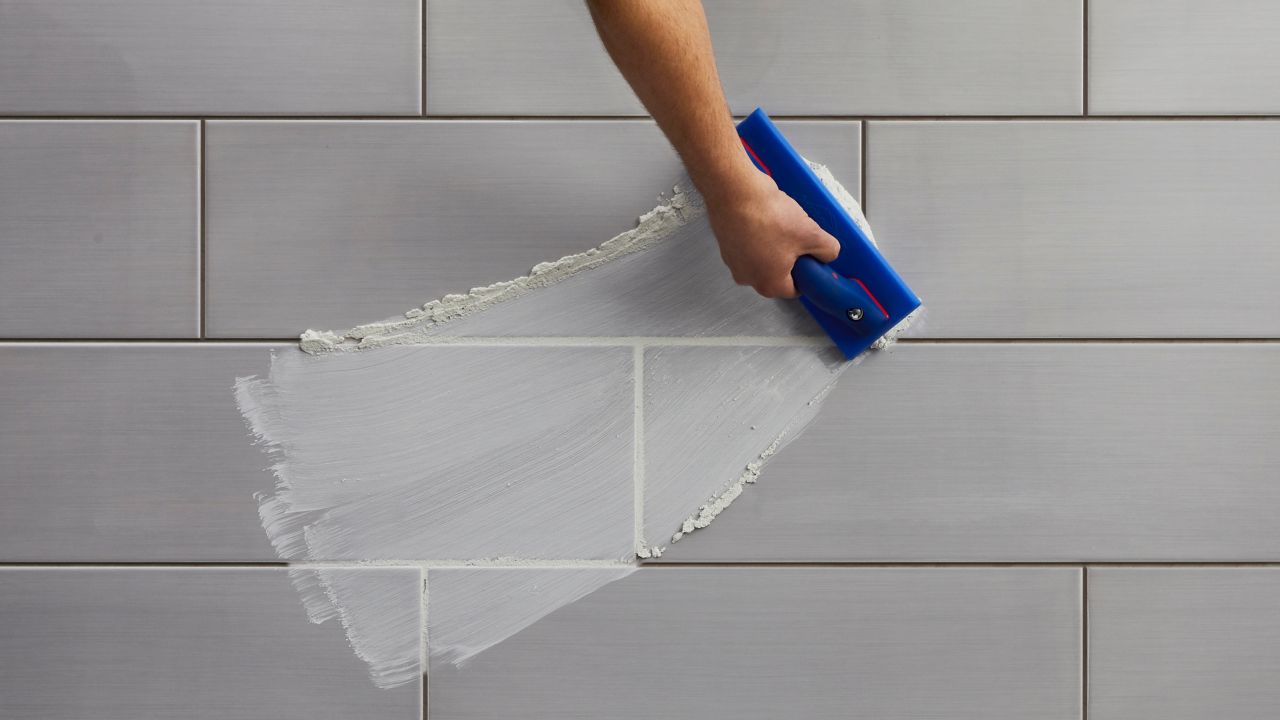
Credit: www.tileshop.com
Additional Tips For A Sparkling Finish
Cleaning tile edges well makes your space look neat and fresh. Small details can brighten your entire room.
This guide shares tips on polishing and sealing to keep tile edges shining longer.
Polishing Techniques
Polishing tile edges removes dullness and restores shine. Use gentle methods to avoid damage.
- Apply a small amount of tile polish with a soft cloth.
- Rub in circular motions for even shine.
- Buff edges with a dry microfiber cloth to remove residue.
- Repeat polishing every few months for best results.
Sealing The Edges
Sealing tile edges protects them from dirt and water damage. Choose the right sealant for your tile type.
| Sealant Type | Best For | Application Tips |
|---|---|---|
| Penetrating Sealant | Natural stone and porous tiles | Apply with a brush; let dry 24 hours |
| Surface Sealant | Glazed and ceramic tiles | Use a roller; avoid pooling |
| Silicone Sealant | Grout lines and corners | Apply with a caulking gun; smooth with a wet finger |
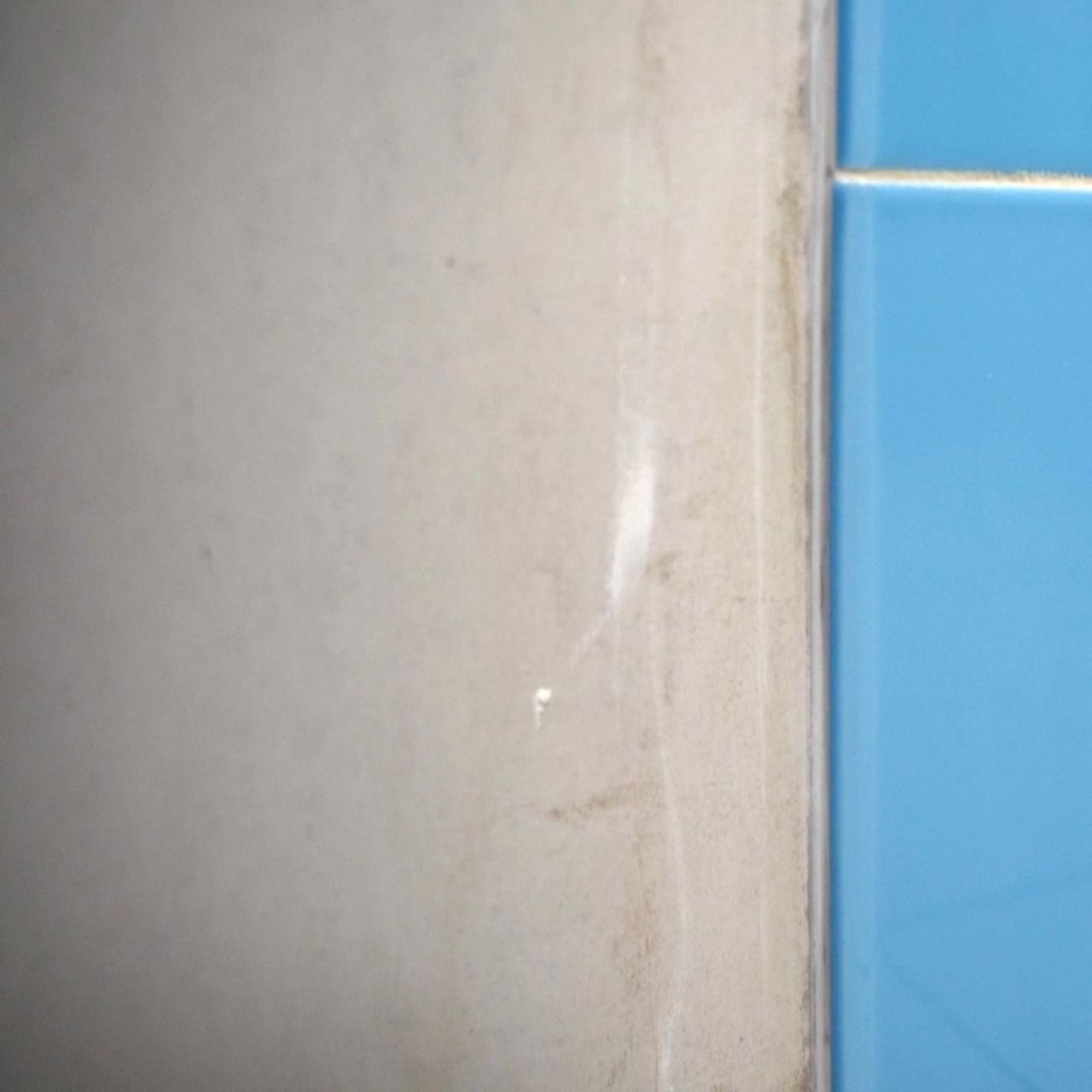
Credit: www.tileshop.com
Frequently Asked Questions
How Do I Clean Tile Edges Effectively?
To clean tile edges effectively, use a soft brush and mild detergent. Scrub gently to remove dirt. Rinse with water and dry. Avoid harsh chemicals to prevent damage.
What Tools Are Best For Cleaning Tile Edges?
The best tools include a soft-bristle brush, toothbrush, and microfiber cloth. These help clean narrow spaces without scratching tiles. Use a scraper for tough grout stains carefully.
Can Homemade Solutions Clean Tile Edges Safely?
Yes, homemade solutions like vinegar and baking soda work well. Mix equal parts vinegar and water, apply, then scrub gently. Baking soda paste removes grime without harsh chemicals, making it safe and eco-friendly.
How Often Should Tile Edges Be Cleaned?
Tile edges should be cleaned weekly to prevent grime buildup. Regular cleaning maintains appearance and prevents mold. For high-traffic areas, clean more frequently for best results.
Conclusion
Cleaning tile edges keeps your space neat and fresh. Regular care stops dirt and grime buildup. Use simple tools like brushes and mild cleaners. Take your time to reach every corner well. Small efforts lead to big improvements in appearance.
A clean edge also helps prevent mold and damage. Keep this routine often for lasting results. Your tiles will look better and last longer. Easy and quick steps make cleaning less of a chore. Clean tile edges brighten your whole room.