
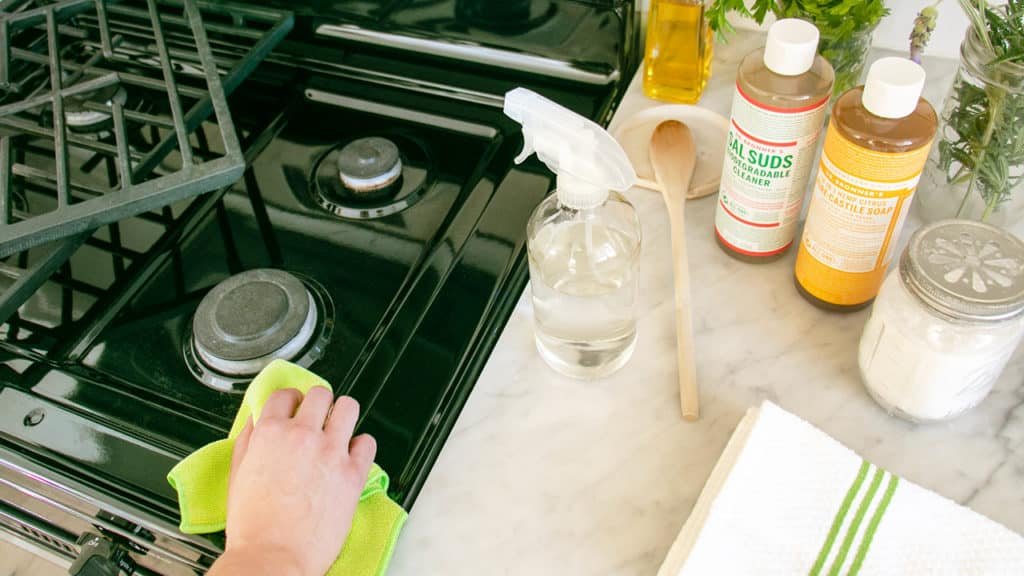
Is your stove surface covered with stubborn stains and grease that just won’t budge? You’re not alone.
Keeping your stove clean can feel like a never-ending chore, but what if you could tackle it quickly and efficiently every time? You’ll discover simple, effective methods to make your stove shine like new without wasting time or harsh chemicals.
Ready to transform your cleaning routine and enjoy a sparkling kitchen? Let’s dive in and make your stove spotless with ease!

Credit: www.aol.com
Types Of Stove Surfaces
Stove surfaces come in different types. Each type needs special care when cleaning. Understanding the features helps keep them clean and working well.
Let’s explore the characteristics of gas, electric, and induction stoves. This will help in choosing the right cleaning method.
Gas Stove Features
Gas stoves are common in many kitchens. They have burners that use open flames. These stoves heat up quickly and cook food evenly.
Cleaning gas stoves can be challenging due to food spills and grease. The grates and burners need regular cleaning to work properly.
- Remove grates and clean with warm soapy water.
- Wipe the surface with a damp cloth.
- Use a toothbrush for tough spots.
Electric Stove Characteristics
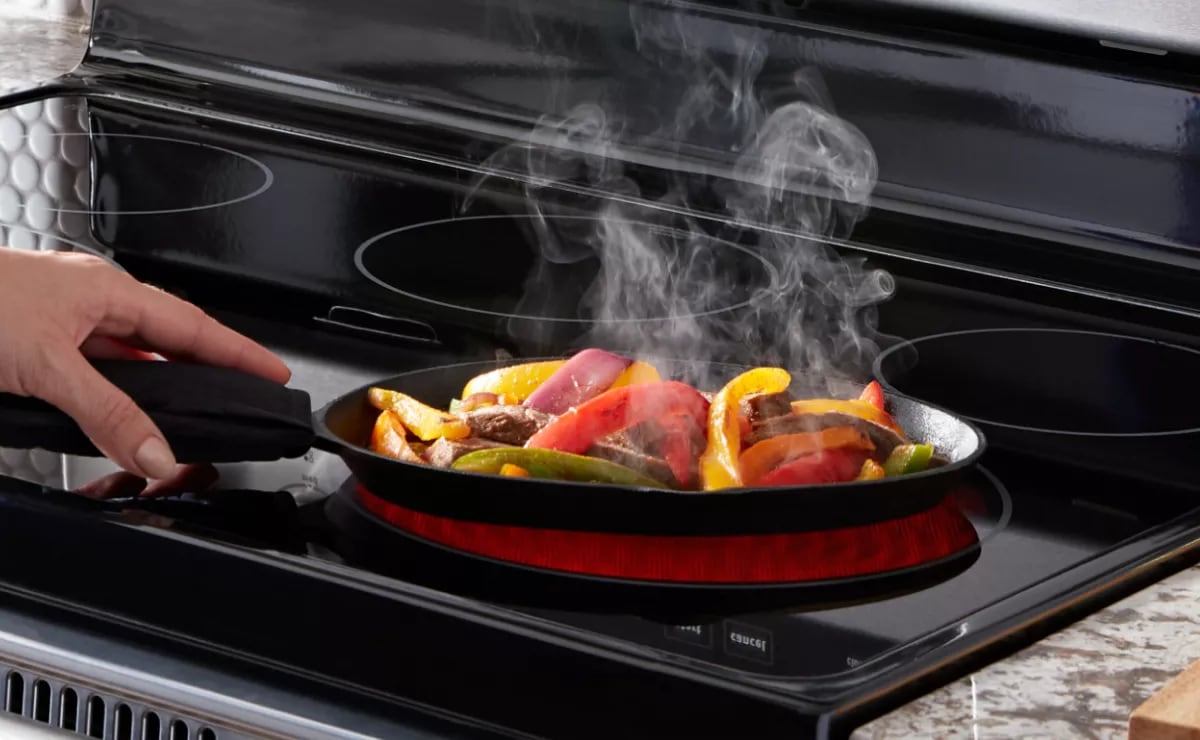
Electric stoves have a smooth surface. They use heating elements under the glass. These stoves are easy to clean because of their flat design.
Electric stoves need gentle cleaning. Avoid using abrasive cleaners that can scratch the surface.
- Use a soft cloth and non-abrasive cleaner.
- Clean spills quickly to avoid stains.
- Polish with a dry cloth for shine.
Induction Stove Details
Induction stoves use magnetic fields to heat cookware. They are energy efficient and safe. The surface stays cool to the touch.
Cleaning induction stoves is simple. The surface is smooth, similar to electric stoves.
- Wipe with a damp cloth after cooking.
- Avoid using metal scrubs or harsh chemicals.
- Use a glass cleaner for extra shine.
Essential Cleaning Tools
Cleaning your stove surface well keeps it safe and looking good. Using the right tools helps you clean fast and well.
This guide lists the best brushes, safe cleaners, and protective gear for stove cleaning.
Recommended Brushes And Scrubbers
Use brushes and scrubbers made for kitchen cleaning. They remove grease and dirt without scratching.
- Soft-bristle brushes for light dirt and crumbs
- Nylon scrubbers for stuck-on food
- Microfiber cloths for wiping and polishing
- Sponge scrubbers with gentle scrubbing sides
- Steel wool pads only for tough, enamel-safe areas
Safe Cleaning Agents
Choose cleaning agents that work on stove surfaces but do not cause damage. Avoid harsh chemicals.
- Mild dish soap mixed with warm water
- Baking soda paste for tough stains
- White vinegar for grease removal
- Commercial cleaners made for stovetops
- Avoid bleach or abrasive powders
Protective Gear
Wear protective gear to keep yourself safe while cleaning. Gloves protect skin from chemicals.
- Rubber gloves to avoid irritation
- Apron to keep clothes clean
- Eye protection if using strong cleaners
- Ventilate the area to avoid breathing fumes
Daily Cleaning Routine
Keeping your stove clean every day helps it look nice and work well. A simple routine can stop dirt and grease from building up.
Daily care saves time and makes deep cleaning easier. Focus on quick actions after cooking.
Wiping Spills Immediately
Clean spills right away to stop stains and sticky spots. Use a damp cloth or sponge with mild soap.
Removing spills fast keeps the stove surface smooth and safe. Avoid letting food dry on the stove.
- Use warm water and gentle soap
- Wipe spills after each cooking session
- Dry the surface with a clean towel
Maintaining Burner Cleanliness
Keep burners clean to ensure good flame and heat. Remove burner grates and wipe them regularly.
Check burner holes for clogs. Use a soft brush to clear any debris safely.
- Take off burner parts carefully
- Wash grates with warm, soapy water
- Dry parts completely before putting them back
- Use a toothpick or brush to clean burner holes
Preventing Stubborn Stains
Stop tough stains by cleaning small messes often. Avoid letting grease bake on the surface.
Use a gentle cleaner for any marks that stay after wiping. Let the cleaner sit briefly before wiping.
- Clean spills before they dry
- Use baking soda paste for stubborn spots
- Wipe with a soft cloth, not abrasive pads
- Repeat cleaning if needed to remove stains
Deep Cleaning Techniques
Cleaning stove surfaces deeply helps keep your kitchen safe and fresh. Grease, food spills, and stains can build up over time.
Using the right steps and tools makes cleaning easier and more effective. This guide covers ways to clean your stove well.
Removing Grease Buildup
Grease buildup makes your stove sticky and hard to clean. Use warm water and dish soap to start breaking down grease.
Apply a mixture of baking soda and water to greasy areas. Let it sit for 15 minutes to soften the grease.
- Mix warm water with dish soap
- Use a sponge or cloth to scrub
- Apply baking soda paste on tough spots
- Rinse with clean water and dry
Cleaning Burner Grates And Caps
Burner grates and caps collect food and grease during cooking. Remove them carefully before cleaning.
Soak these parts in hot soapy water for 20 to 30 minutes. Use a soft brush to scrub off dirt and grease.
- Remove grates and caps from the stove
- Soak in hot water with dish soap
- Scrub gently with a soft brush
- Rinse and dry completely before replacing
Handling Tough Stains
Tough stains need stronger cleaning actions. Use a paste of baking soda and vinegar for stubborn marks.
Apply the paste on the stain and wait 10 minutes. Scrub lightly with a sponge or brush, then wipe clean.
- Mix baking soda and vinegar into a paste
- Apply to the stained area
- Let sit for 10 minutes
- Scrub gently and wipe clean
Natural Cleaning Alternatives
Cleaning your stove can be easy and safe with natural products. These options avoid harsh chemicals and protect your home.
Use simple items like vinegar, baking soda, lemon, and steam to get your stove clean. These methods save money and are good for the environment.
Using Vinegar And Baking Soda
Vinegar and baking soda work well to remove grease and stains. They create a gentle fizz that helps lift dirt from stove surfaces.
Sprinkle baking soda on the stove, then spray with vinegar. Let it sit for 10 minutes and wipe clean with a damp cloth.
- Sprinkle baking soda evenly
- Spray white vinegar over baking soda
- Wait 10 minutes for fizz action
- Wipe with a soft, damp cloth
- Repeat if needed for tough stains
Lemon-based Solutions
Lemon juice is a natural cleaner with a fresh scent. It breaks down grease and removes stains on stove surfaces.
Mix lemon juice with water and spray it on the stove. Use a cloth to scrub and rinse with water. Lemon also helps stop odors.
- Mix equal parts lemon juice and water
- Spray mixture on stove surface
- Let it sit for 5 minutes
- Scrub gently with a cloth or sponge
- Rinse and dry with a clean cloth
Steam Cleaning Method
Steam cleaning uses hot vapor to loosen dirt and grime. It is chemical-free and safe for most stove surfaces.
Use a handheld steam cleaner or a pot of boiling water with a cloth. Hold the steam close to the stove and wipe away softened dirt.
- Fill steam cleaner with water and heat
- Hold steam nozzle near stove surface
- Let steam soften grease and stains
- Wipe stove clean with a cloth
- Repeat if needed on tough spots
:max_bytes(150000):strip_icc()/SPR-we-asked-a-cleaning-pro-how-to-clean-greasy-stove-knobs-without-taking-them-apart-and-it-s-so-simple-11778218-d772b93004594b99bc81c726c6e772fc.jpg)
Credit: www.thespruce.com
Safety Tips While Cleaning
Cleaning stove surfaces is important for a safe kitchen. Doing it safely helps avoid accidents and damage.
Follow simple safety tips to protect yourself and keep your stove in good shape.
Avoiding Harsh Chemicals
Harsh chemicals can damage your stove and hurt your skin or eyes. Use gentle cleaners instead.
Look for cleaning products that are safe for your stove type and follow the label instructions carefully.
- Do not mix chemicals like bleach and ammonia
- Wear gloves to protect your hands
- Test cleaners on a small area first
Proper Stove Shutdown
Always turn off your stove completely before cleaning. This stops burns and electric shocks.
Wait until the stove is cool to touch before starting to clean the surface.
- Turn off all burners and oven
- Unplug electric stoves if possible
- Let the stove cool for at least 15 minutes
Ventilation Importance
Good air flow helps remove fumes from cleaning products. It keeps the air safe to breathe.
Open windows or use a kitchen fan while cleaning your stove to improve ventilation.
- Open nearby windows
- Turn on the kitchen exhaust fan
- Take breaks to get fresh air if needed
Maintaining Stove Shine
Keeping your stove surface clean helps it look new and work well. Regular care stops stains and grime from building up.
Use simple steps to keep the stove shiny and smooth. Clean and polish often for the best results.
Regular Polishing Tips
Polishing the stove surface removes dullness and keeps it bright. Use a soft cloth and gentle polish made for stoves.
Polish the stove once a week or after heavy use. This stops grease buildup and protects the surface.
- Use a microfiber cloth for polishing
- Apply polish in small, circular motions
- Wipe off extra polish with a clean cloth
- Polish only when the stove is cool
Protective Coatings
Protective coatings shield your stove from stains and scratches. They keep the surface smooth and easy to clean.
Choose coatings safe for your stove type. Apply them after cleaning and polishing for best protection.
- Use ceramic or glass stove protectors for smooth surfaces
- Apply a thin layer of stove-specific sealant
- Let the coating dry fully before using the stove
Preventive Measures
Prevent stains by wiping spills quickly. Avoid using harsh cleaners that can damage the surface.
Use stove covers when not cooking. Keep pots and pans clean to avoid grease marks.
- Clean spills immediately with a damp cloth
- Use mild soap and water for daily cleaning
- Do not use abrasive scrubbers or steel wool
- Place burner grates carefully to avoid scratches
Credit: www.maytag.com
Frequently Asked Questions
How Often Should I Clean Stove Surfaces?
Clean stove surfaces after every use to prevent buildup. Deep clean weekly for grime and grease removal. Regular cleaning keeps your stove hygienic and efficient.
What Is The Best Cleaner For Stove Surfaces?
Use a mild dish soap or baking soda paste. Avoid harsh chemicals that damage surfaces. Natural cleaners are safe and effective for most stove types.
How Can I Remove Stubborn Grease Stains Easily?
Apply baking soda paste or vinegar spray on stains. Let it sit for 10-15 minutes, then scrub gently. This method breaks down grease without scratching.
Can I Use A Steam Cleaner On My Stove?
Yes, a steam cleaner can remove grime without chemicals. Use low heat to avoid damaging sensitive parts. Always check manufacturer guidelines before steam cleaning.
Conclusion
Cleaning stove surfaces can be simple and quick with the right steps. Use gentle cleaners and soft cloths to avoid damage. Regular cleaning keeps your stove looking fresh and working well. Small efforts prevent tough stains and grease buildup. A clean stove makes cooking more enjoyable and safer.
Try these tips today to keep your kitchen neat. Easy habits lead to a sparkling stove every time.