
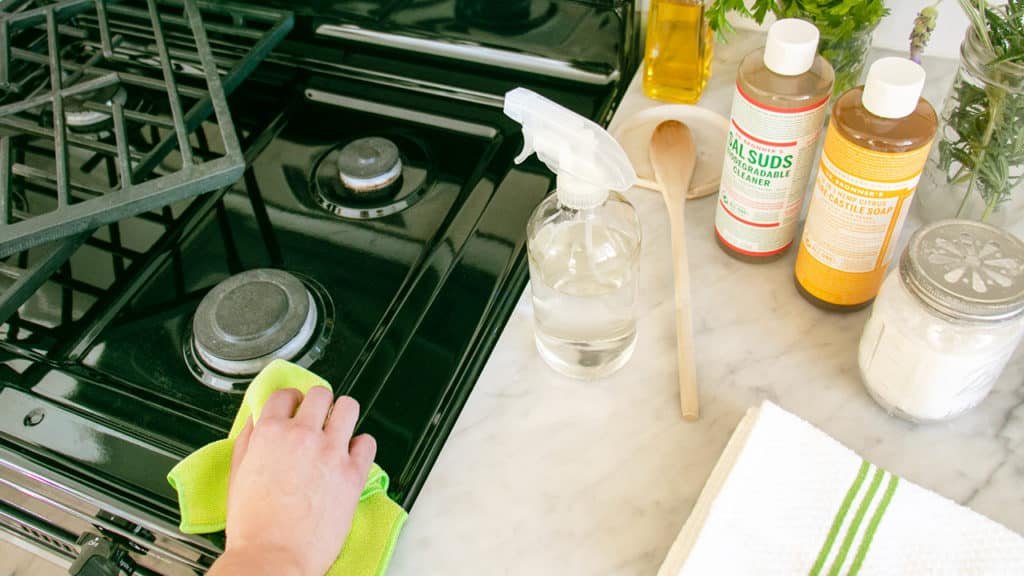
Is your stove surface looking messy and greasy? You’re not alone.
Cleaning your stove might feel like a tough, time-consuming task. But what if you could make it quick and easy? Imagine a sparkling clean stove that shines without the hassle. You’ll discover simple, effective ways to clean your stove surfaces so they look brand new.
Keep reading, and you’ll learn tips that save you time and effort—making your kitchen a place you’ll love even more.
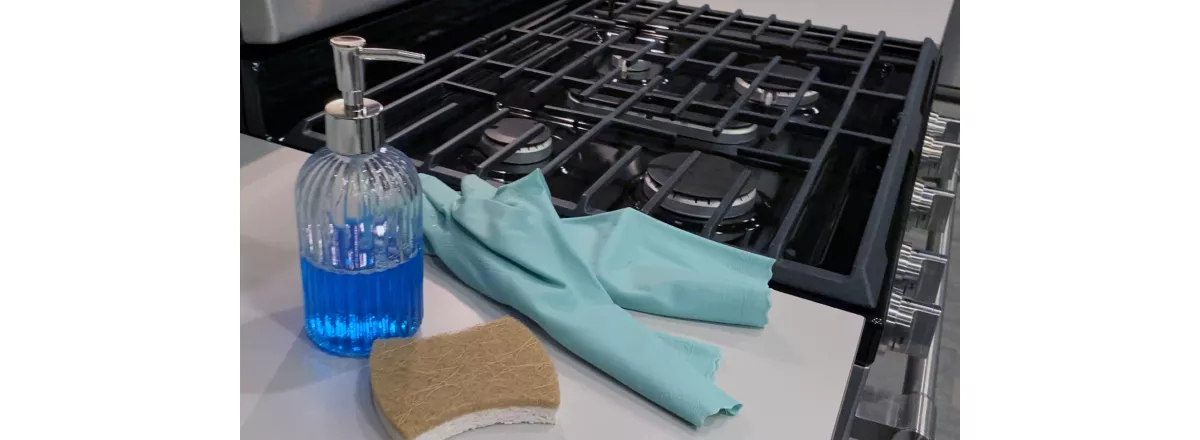
Credit: www.maytag.ca
Types Of Stove Surfaces
Stove surfaces come in different types. Each type needs a special cleaning method.
Knowing your stove surface helps keep it clean and safe. It also extends the stove’s life.
Gas Stove
Gas stoves have metal grates and burners. They use an open flame to cook food.
Clean the grates and burners carefully. Remove food spills and grease to avoid smoke.
- Take off grates and soak in warm soapy water.
- Use a brush to clean burner holes gently.
- Wipe the stove top with a damp cloth and mild cleaner.
- Dry all parts before putting them back.
Electric Stove
Electric stoves have coil burners or smooth tops. Coil burners heat up with electricity.
Clean coils by wiping with a cloth after cooling. Remove crumbs and spills under the coils.
- Lift the coils gently to clean underneath.
- Use a sponge and mild cleaner on the stove surface.
- Do not soak the coils in water.
- Dry everything well before use.
Glass Or Ceramic Stove
Glass or ceramic stoves have smooth, flat surfaces. They look modern and are easy to clean.
Use special cleaners made for glass stoves. Avoid abrasive tools that can scratch the surface.
- Wipe spills quickly to prevent stains.
- Use a soft cloth or sponge with glass cleaner.
- Scrape burnt food gently with a plastic scraper.
- Dry the surface with a clean cloth to avoid streaks.
Essential Cleaning Supplies
Cleaning your stove surfaces well keeps your kitchen safe and tidy. Using the right supplies makes the job easier and more effective.
Here are important cleaning supplies to help you clean stove surfaces effectively.
Natural Cleaners
Natural cleaners use simple ingredients found at home. They are safe and gentle on surfaces.
Common natural cleaners include vinegar, baking soda, and lemon juice. These help remove grease and stains without harsh chemicals.
- White vinegar breaks down grease and disinfects.
- Baking soda acts as a mild abrasive to scrub dirt.
- Lemon juice removes odors and adds shine.
- Water helps dilute and rinse surfaces.
Commercial Cleaners
Commercial cleaners are made specifically for kitchen surfaces. They often work faster on tough stains.
Look for cleaners labeled safe for stove tops. Some target grease, while others remove burnt-on food.
- Degreasers remove sticky oil and grime.
- Oven cleaners handle baked-on residue.
- All-purpose kitchen sprays clean and disinfect.
- Glass cleaners keep glass stove tops shiny.
Tools And Accessories
Having the right tools helps you clean stove surfaces better. Use tools that protect your stove from scratches.
Soft cloths and scrubbers work well to remove dirt without damage.
- Microfiber cloths absorb dirt and shine surfaces.
- Non-abrasive sponges scrub without scratching.
- Plastic scrapers remove burnt food safely.
- Toothbrushes clean small crevices and knobs.
- Spray bottles help apply cleaners evenly.
Preparing The Stove For Cleaning
Cleaning your stove well starts with good preparation. Getting the stove ready helps you clean faster.
Follow simple steps to prepare the stove. This makes cleaning safer and easier.
Safety Precautions
Always turn off all stove controls before cleaning. Make sure the stove is cool to touch.
Unplug electric stoves or switch off the gas supply. This helps avoid accidents.
- Turn off stove burners
- Wait for the stove to cool down
- Unplug electric stove or close gas valve
- Keep cleaning products away from children
Removing Grates And Burners
Take off the grates and burners carefully. This lets you clean hard spots well.
Check your stove manual if you are unsure how to remove parts. Handle parts gently to avoid damage.
- Lift grates straight up and off
- Remove burner caps and heads carefully
- Place parts in a safe spot for cleaning
- Do not use sharp tools to pry parts off
Cleaning Gas Stove Surfaces
Keeping your gas stove clean helps it work well and last longer. Dirt and grease can build up from cooking spills.
Cleaning regularly makes your kitchen look nice and keeps your stove safe to use.
Removing Grease And Spills
Grease and spills can stick to the stove surface and cause stains. Clean them soon after cooking to avoid buildup.
Use warm water and mild soap with a soft cloth to wipe the surface. Avoid harsh cleaners that can damage the finish.
- Wait until the stove cools down before cleaning.
- Dip a cloth in warm soapy water.
- Gently scrub the greasy areas.
- Rinse the cloth and wipe the surface again.
- Dry with a clean towel to prevent streaks.
Cleaning Burners And Grates
Burners and grates collect food and grease. Removing them helps you clean deeper and keeps flames even.
Soak the parts in hot, soapy water to loosen dirt. Use a brush to scrub hard-to-remove spots.
- Take off the burners and grates carefully.
- Soak them in a bowl with hot water and dish soap for 15-20 minutes.
- Use a soft brush or sponge to clean all surfaces.
- Rinse well with clean water.
- Dry completely before putting them back on the stove.
Cleaning Electric Stove Surfaces
Electric stoves can get messy after cooking. Cleaning them regularly keeps them safe and looking good.
Focus on the coils and drip pans. These parts often collect food spills and grease.
Wiping Down Coils
Make sure the stove is off and cool. Never clean coils while they are hot.
Use a damp cloth to wipe the coils gently. Avoid using too much water to stop damage.
- Unplug or turn off the stove before cleaning
- Use a soft cloth or sponge
- Wipe with a damp cloth, not soaking wet
- Dry the coils completely before use
Handling Drip Pans
Remove the drip pans carefully from under the coils. Soak them in warm, soapy water.
Scrub the pans with a soft brush or sponge to remove stuck-on food and stains.
- Soak drip pans for 15-30 minutes
- Use baking soda for tough stains
- Rinse well and dry completely
- Put the drip pans back only when dry
Cleaning Glass Or Ceramic Stove Tops
Glass and ceramic stove tops look great but need careful cleaning. Dirt and spills can stick and cause stains.
Use the right tools and methods to keep the surface shiny and scratch-free.
Removing Stubborn Stains
Stubborn stains need gentle but effective cleaning. Avoid harsh scrubbing that can scratch the surface.
Use a soft cloth and a special cleaner made for glass or ceramic tops to remove tough marks.
- Spray cleaner on the stain and let it sit for a few minutes.
- Use a soft sponge or cloth to wipe away the stain carefully.
- For very tough spots, use a scraper designed for glass surfaces.
- Never use steel wool or abrasive pads.
Polishing For Shine
Polishing helps your stove top look new and shiny. Use a polish made for glass or ceramic surfaces.
Apply a small amount of polish and wipe with a clean, soft cloth in circles until it shines.
- Clean the surface before polishing to remove dust.
- Use a microfiber cloth for the best shine.
- Polish regularly to keep the stove top bright.
- Avoid using wax or oil-based products.
Preventing Future Build-up
Cleaning stove surfaces is easier when you stop dirt from building up. Regular care keeps your stove looking nice and working well.
Simple habits can prevent tough stains and grease from sticking. Use good tools and protect your stove to save time later.
Regular Maintenance Tips
Clean your stove after each use to stop food and grease from hardening. Wipe spills quickly with a damp cloth or sponge.
Use mild soap and warm water for regular cleaning. Avoid harsh cleaners that can damage the surface.
- Wipe spills right after cooking
- Use soft cloths or sponges
- Clean knobs and edges weekly
- Check for hidden crumbs or grease
Using Protective Covers
Protective covers help keep your stove clean. They catch spills and splatters before they reach the surface.
Choose covers made for your stove type. Clean covers often so they do not trap dirt or grease.
- Use burner covers to catch food spills
- Try silicone mats that resist heat
- Remove and wash covers regularly
- Replace covers if they get damaged

Credit: www.abt.com
Troubleshooting Common Issues
Cleaning stove surfaces can be tricky. Some problems need special care. Knowing how to handle these issues helps keep your stove looking good.
This guide covers two common problems you may face. It shows easy ways to clean burnt food and fix scratches on glass.
Dealing With Burnt-on Food
Burnt food can stick hard to stove surfaces. Scraping it carelessly can cause damage. Use gentle cleaning tools to avoid scratches.
Try soaking the area with warm water and soap first. This softens the burnt food and makes it easier to remove.
- Apply a paste made of baking soda and water on the burnt spots.
- Let the paste sit for 15 minutes to loosen the residue.
- Use a soft sponge or cloth to wipe off the paste gently.
- Rinse with clean water and dry with a soft towel.
- Repeat if needed for tough stains.
Removing Scratches On Glass
Glass stove tops may get scratched from pots or cleaning tools. Small scratches can often be reduced with simple steps.
Use a gentle polishing compound made for glass surfaces. Avoid harsh chemicals that can make scratches worse.
- Clean the glass surface with mild soap and water first.
- Apply a small amount of glass polish or toothpaste to a soft cloth.
- Rub the scratched area in a circular motion for a few minutes.
- Wipe off the polish with a clean, damp cloth.
- Dry the glass and check if the scratch is less visible.
- Repeat carefully if needed, but avoid over-polishing.

Credit: www.aol.com
Frequently Asked Questions
How Often Should I Clean Stove Surfaces?
Clean stove surfaces after every use to prevent buildup. Deep clean weekly to remove grease, stains, and crumbs for optimal hygiene.
What Is The Best Cleaner For Stove Surfaces?
Use a mild dish soap or vinegar solution for daily cleaning. For tough stains, a baking soda paste works effectively without damage.
Can I Use Natural Products To Clean Stoves?
Yes, natural products like vinegar and baking soda clean stoves safely. They remove grease and odors without harsh chemicals, making them eco-friendly.
How Do I Remove Burnt Food From Stove Surfaces?
Soak the area with warm soapy water for 15 minutes. Then, gently scrub with a non-abrasive sponge until the burnt food lifts.
Conclusion
Keeping stove surfaces clean makes cooking safer and easier. Use gentle cleaners and soft cloths for best results. Regular cleaning stops grease and dirt build-up. Clean stoves also look nicer in your kitchen. Try small, simple steps to keep your stove shiny.
A clean stove saves time and effort later. Start today and enjoy a fresher cooking space. Small habits make a big difference over time. Stay consistent, and your stove will always look great.