
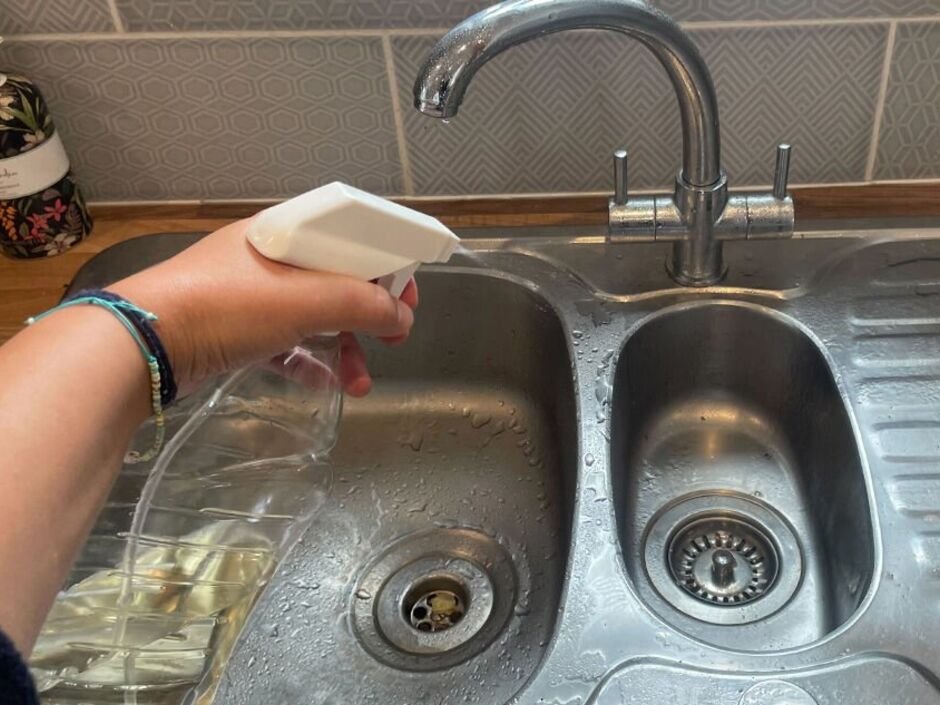
Is your stainless steel sink looking dull or covered in stubborn stains? You don’t have to spend a fortune or use harsh chemicals to bring back its shine.
Cleaning your sink with vinegar is simple, safe, and incredibly effective. You’ll discover easy steps to make your sink sparkle like new, using something you probably already have at home. Keep reading to learn how to transform your kitchen sink quickly and effortlessly.
Credit: www.dkhardware.com
Benefits Of Cleaning With Vinegar
Cleaning your stainless steel sink with vinegar is simple and safe. Vinegar works well to remove stains and buildup.
This natural cleaner helps keep your sink shiny and free from germs without harsh chemicals.
Natural And Non-toxic
Vinegar is made from natural ingredients. It does not contain harmful chemicals. This makes it safe for your family and pets.
Effective Against Stains And Mineral Deposits
Vinegar breaks down hard water stains and mineral deposits easily. It cleans without scratching the stainless steel surface.
Cost-effective Cleaning Solution
Vinegar is inexpensive and widely available. Using it saves money compared to buying special cleaning products.
- Buy a bottle of white vinegar at any store
- Use a small amount mixed with water for cleaning
- Reuse leftover vinegar for other household tasks
Environmentally Friendly
Vinegar is biodegradable and does not pollute water or air. It is a greener choice than many chemical cleaners.
| Cleaner Type | Environmental Impact |
|---|---|
| Vinegar | Low |
| Chemical Cleaners | High |
Credit: www.rd.com
Preparation And Safety
Cleaning a stainless steel sink with vinegar is easy and safe. It removes stains and keeps the sink shiny.
Before you start, prepare your space and know how to stay safe during cleaning.
Gathering Supplies
Get all the items you need before cleaning. This helps you work faster and better.
- White vinegar in a spray bottle
- Soft cloth or sponge
- Baking soda (optional for tough stains)
- Gloves to protect your hands
- Warm water
Ensuring Proper Ventilation
Open windows or doors to let fresh air in. This stops strong smells from vinegar building up.
Good airflow helps you breathe easily and keeps the cleaning area safe.
Step-by-step Cleaning Process
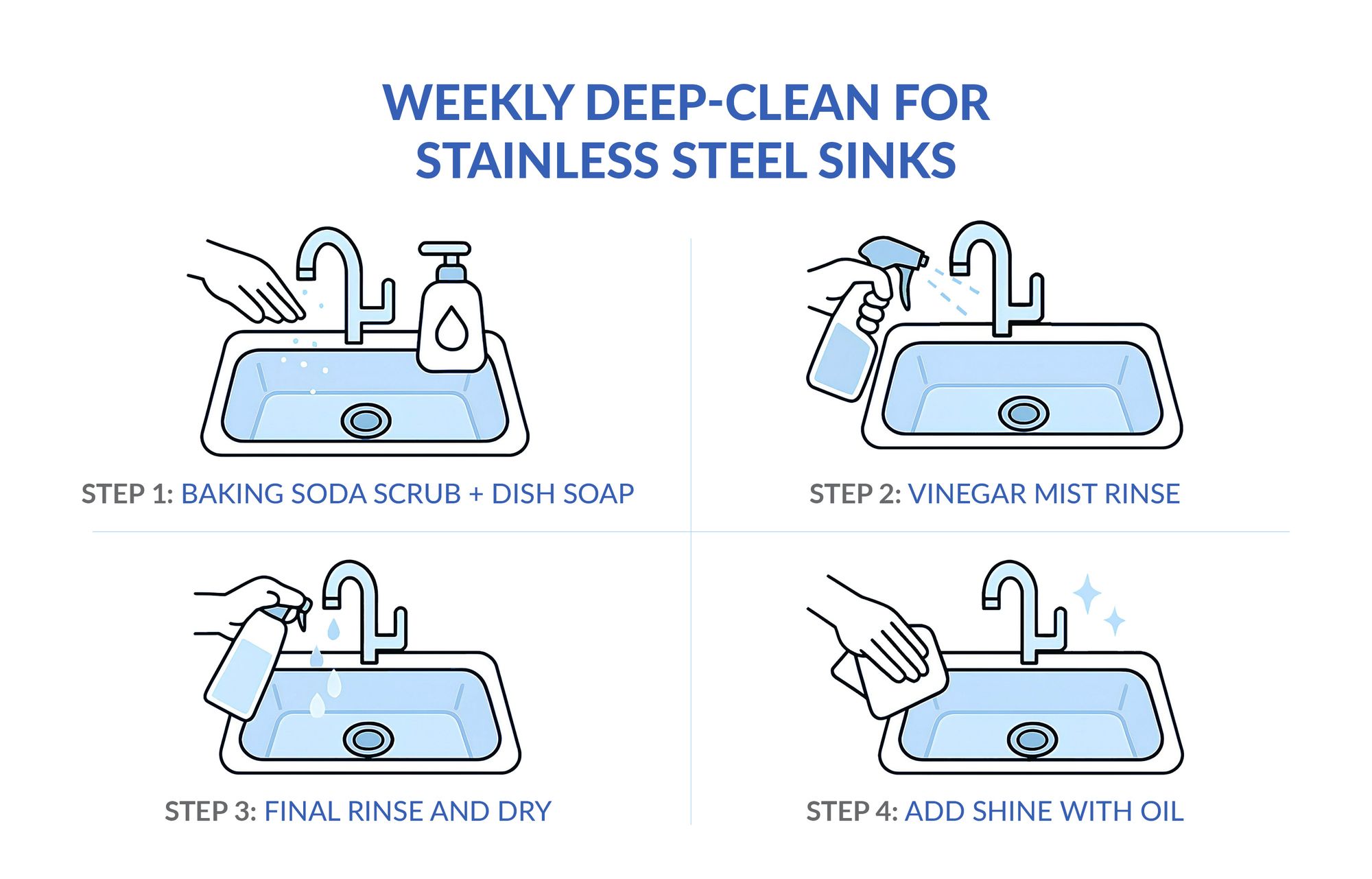
Cleaning a stainless steel sink with vinegar is easy and effective. Vinegar helps remove stains and disinfect the surface.
Follow these steps to make your sink shine using simple household items.
Initial Rinse And Debris Removal
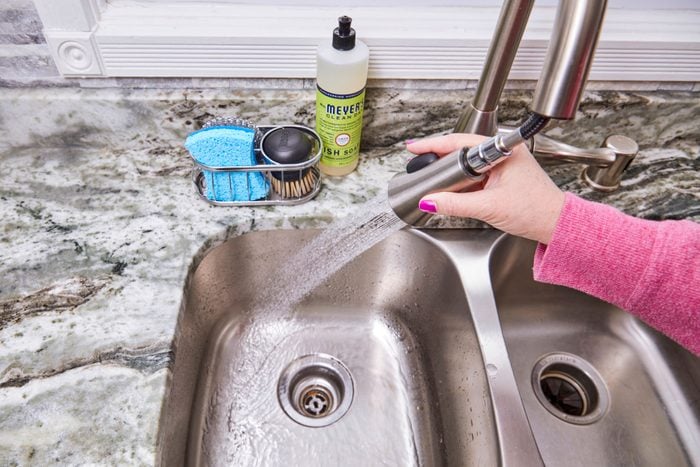
Start by rinsing the sink with warm water. This removes loose dirt and food particles. Use your hand or a soft cloth to clear any debris.
Applying Vinegar Solution
Mix equal parts of white vinegar and water in a spray bottle. Spray the entire sink surface generously with this solution.
- Let the vinegar sit for 5 to 10 minutes.
- This allows it to break down stains and kill germs.
- Do not let it dry completely on the sink.
Scrubbing Techniques
Use a soft sponge or cloth to scrub the sink gently. Focus on areas with stains or spots. Avoid abrasive pads that can scratch the surface.
| Scrubbing Tools | Purpose |
|---|---|
| Soft sponge | General cleaning without scratching |
| Old toothbrush | Cleaning corners and edges |
| Microfiber cloth | Polishing and drying |
Final Rinse And Drying
Rinse the sink thoroughly with warm water to remove all vinegar and dirt. Use a clean microfiber cloth to dry the sink. This prevents water spots and keeps it shiny.

Credit: chemistrycachet.com
Dealing With Tough Stains
Stainless steel sinks look clean and shiny when free of stains. Tough stains can make your sink look dull. Vinegar helps remove these stains safely.
Using vinegar with other natural ingredients can improve cleaning power. This guide shows how to remove tough stains with simple steps.
Baking Soda And Vinegar Paste
Mix baking soda and vinegar to make a paste. This paste gently scrubs away stubborn stains on stainless steel.
Apply the paste on stained areas and let it sit for 10-15 minutes. Then, scrub with a soft cloth or sponge and rinse with water.
- Use 2 parts baking soda to 1 part vinegar
- Spread the paste evenly on stains
- Let it rest to break down grime
- Scrub gently to avoid scratches
- Rinse well with clean water
Tackling Water Spots
Water spots leave white marks on stainless steel. Vinegar dissolves minerals that cause these spots quickly.
Spray vinegar directly on the spots. Wipe with a soft cloth until spots disappear. Rinse and dry the sink to prevent new spots.
Maintaining The Sparkle
Keeping your stainless steel sink shiny is easy with vinegar. This natural cleaner removes stains and buildup without harsh chemicals.
Regular care helps the sink stay bright and fresh for a long time. Follow simple steps to keep the sparkle every day.
Regular Cleaning Routine
Clean your sink often to avoid stains and spots. Vinegar works well to remove water marks and minor rust.
- Rinse the sink with warm water after each use.
- Spray white vinegar on the sink surface and let it sit for 5 minutes.
- Wipe with a soft cloth or sponge to remove dirt and grime.
- Use baking soda for tough stains, then rinse with vinegar.
- Dry the sink with a clean towel to prevent water spots.
Avoiding Common Mistakes
Avoid actions that can damage or dull your stainless steel sink. Some mistakes reduce the shine and cause stains.
| Common Mistake | Why to Avoid | Better Choice |
| Using steel wool | Scratches the surface | Use soft cloth or sponge |
| Leaving vinegar too long | May cause discoloration | Rinse after 5-10 minutes |
| Using harsh chemicals | Damages finish and causes stains | Use natural cleaners like vinegar |
| Not drying sink | Water spots and mineral buildup | Wipe dry after cleaning |
Alternative Natural Cleaning Methods
Cleaning a stainless steel sink does not always need harsh chemicals. Natural ingredients can clean and shine your sink safely. Vinegar is one option, but other natural methods work well too.
These alternative methods use simple household items. They help remove stains, kill germs, and keep your sink looking great.
Lemon Juice
Lemon juice is a natural cleaner and deodorizer. Its mild acid helps remove water spots and rust stains from stainless steel.
Rub fresh lemon juice on the sink surface using a soft cloth. Let it sit for a few minutes, then rinse with warm water. Dry the sink with a clean towel to prevent water marks.
Baking Soda Scrub
Baking soda is gentle but effective at scrubbing away grime. It also neutralizes odors in your sink.
Sprinkle baking soda over the wet sink surface. Use a soft sponge or cloth to scrub in circular motions. Rinse thoroughly with water and dry with a towel.
- Use baking soda for tough stains or stuck-on food.
- Combine with lemon juice for extra cleaning power.
- Avoid abrasive scrubbers to protect the sink finish.
Environmental Benefits
Cleaning your stainless steel sink with vinegar helps protect the environment. Vinegar is a natural cleaner that does not harm the earth.
Using vinegar reduces pollution and keeps water safe for plants and animals.
Eco-friendly Cleaning
Vinegar is made from natural ingredients like acetic acid and water. It breaks down easily in nature.
This makes vinegar a great choice for cleaning without adding harmful chemicals to the environment.
- Biodegradable and safe for soil and water
- Does not produce toxic waste
- Reduces plastic waste by using refillable bottles
Reducing Chemical Use
Many cleaners contain harsh chemicals that pollute air and water. Vinegar avoids these problems.
Using vinegar cuts down on the need for synthetic cleaners, which helps keep your home and planet healthier.
- Limits exposure to harmful chemicals
- Protects water sources from contamination
- Supports safer indoor air quality
Frequently Asked Questions
How Does Vinegar Clean Stainless Steel Sinks?
Vinegar dissolves mineral deposits and grime effectively. It breaks down soap scum and hard water stains. This natural acid restores shine without harsh chemicals. Regular vinegar cleaning prevents buildup and keeps your sink spotless.
Can Vinegar Damage Stainless Steel Surfaces?
No, vinegar is safe for stainless steel when used properly. Avoid prolonged exposure or undiluted vinegar to prevent dullness. Rinse thoroughly after cleaning to protect the surface. Using vinegar sparingly maintains your sink’s durability and shine.
How Often Should I Clean My Sink With Vinegar?
Cleaning with vinegar once a week is ideal. This frequency prevents stains and mineral buildup. It keeps your sink hygienic and shiny. Adjust based on water hardness and usage for best results.
What Is The Best Way To Apply Vinegar For Cleaning?
Spray diluted vinegar directly on the sink surface. Let it sit for 5-10 minutes to loosen grime. Wipe with a soft cloth or sponge. Rinse thoroughly with water and dry to avoid water spots.
Conclusion
Cleaning your stainless steel sink with vinegar is simple and effective. Vinegar removes stains and kills germs safely. It also helps keep your sink shiny and fresh. Use a soft cloth or sponge to avoid scratches. Regular cleaning stops buildup and keeps your sink looking new.
Try this easy method for a clean, bright sink every time. A little care goes a long way in maintaining your kitchen’s heart. Give your sink the attention it deserves with vinegar today.