
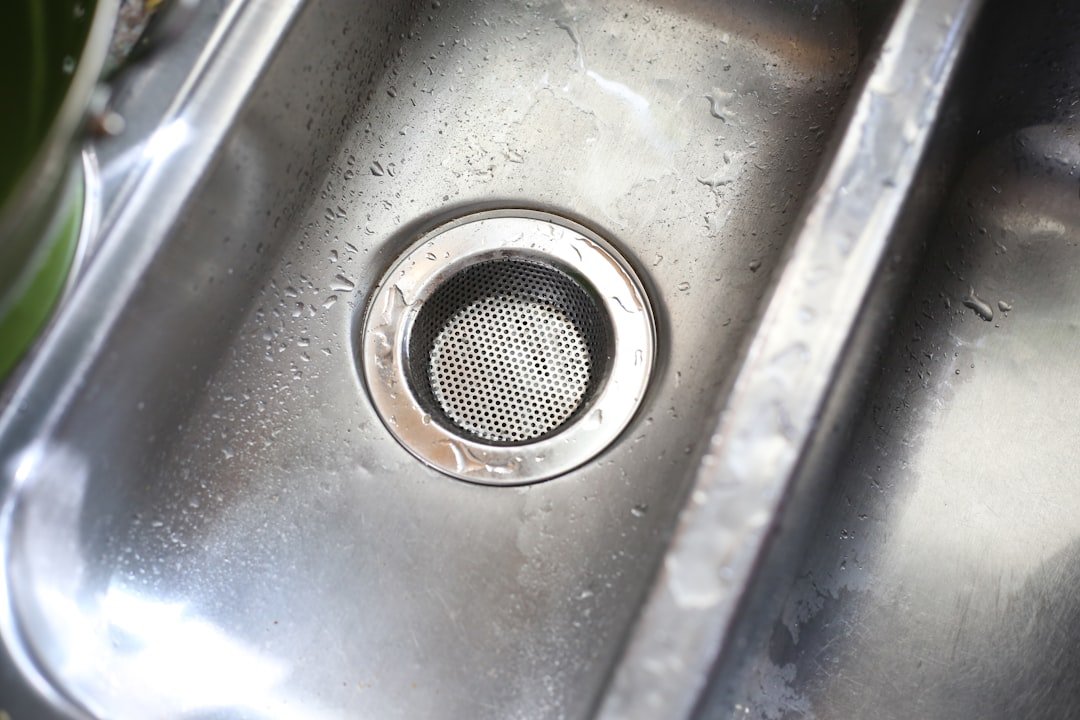
Your stainless steel sink works hard every day, showing signs of stains, water spots, and grime. You want it clean and shining, but harsh chemicals can be harmful to your health and the environment.
What if you could restore your sink’s sparkle using simple, natural ingredients you already have at home? In this post, you’ll discover easy, effective ways to clean your stainless steel sink thoroughly without any toxins. Keep reading, and you’ll learn how to make your sink look brand new while protecting your family and the planet.
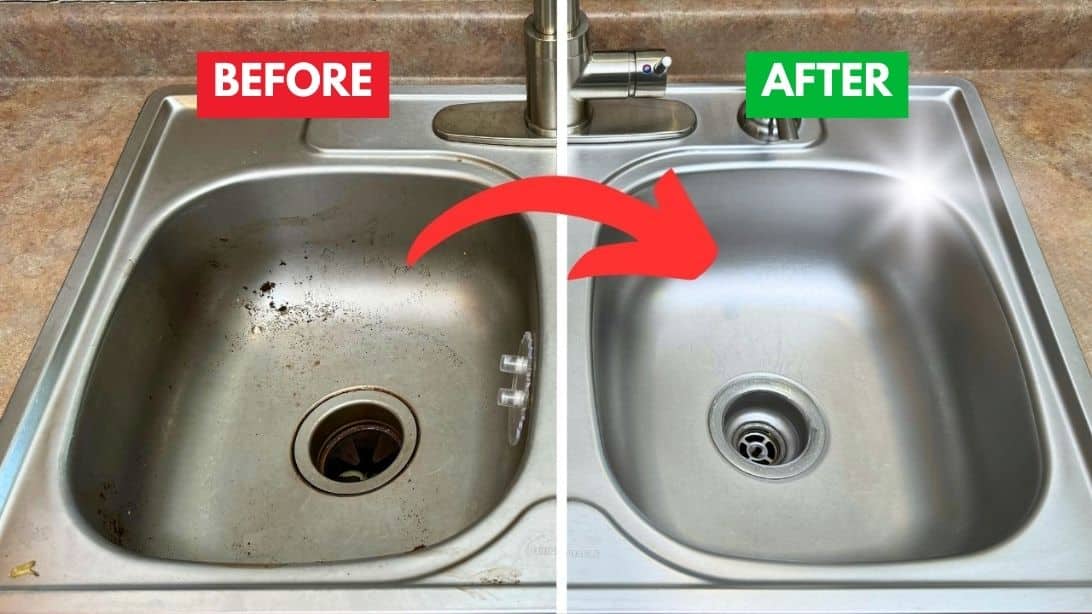
Credit: diyjoy.com
Materials Needed
Cleaning a stainless steel sink naturally is safe and effective. Using simple materials helps remove stains and grime without harsh chemicals.
Gathering the right items before you start makes the process quick and easy. Each material plays a role in making your sink shine.
Baking Soda
Baking soda gently scrubs away dirt and buildup. It is mildly abrasive and safe for stainless steel surfaces.
White Vinegar
White vinegar helps dissolve mineral deposits and disinfects the sink. Its acidic nature brightens the steel without damage.
Lemon
Lemon juice adds a fresh scent and removes water spots. Its natural acids help break down stubborn stains.
Soft Cloth Or Sponge
Use a soft cloth or sponge to apply and wipe the cleaning agents. Avoid abrasive pads that can scratch the sink.
Warm Water
Warm water rinses the sink and helps dissolve cleaning materials. It also makes wiping off residue easier.
Optional: Olive Oil
Olive oil can polish the sink after cleaning. It adds shine and helps protect the surface from water spots.
- Baking Soda
- White Vinegar
- Lemon
- Soft Cloth or Sponge
- Warm Water
- Optional: Olive Oil
Daily Maintenance
Keeping your stainless steel sink clean every day prevents stains and buildup. A natural cleaning routine helps keep it shiny and fresh.
Simple daily care protects the sink surface and avoids harsh chemicals. You can use common household items for this task.
Rinse And Wipe After Use
Rinse your sink with warm water after each use to remove food and soap residue. Wipe it dry with a soft cloth to prevent water spots.
Use Baking Soda As A Gentle Scrub
Baking soda works well as a natural scrub. Sprinkle some on the sink surface, then scrub gently with a damp sponge or cloth.
- Sprinkle baking soda evenly
- Use a soft sponge or cloth
- Scrub in circular motions
- Rinse thoroughly with water
- Dry with a clean towel
Clean With White Vinegar Spray
White vinegar removes water spots and disinfects naturally. Fill a spray bottle with equal parts water and vinegar. Spray on the sink, then wipe clean.
Avoid Harsh Scrubs And Chemicals
Do not use steel wool or abrasive cleaners. These can scratch and damage the sink surface. Stick to natural, gentle cleaning methods.
Daily Maintenance Checklist
| Task | How to Do It |
| Rinse Sink | Use warm water after each use |
| Wipe Dry | Use a soft cloth to prevent spots |
| Baking Soda Scrub | Sprinkle, scrub gently, rinse |
| Vinegar Spray | Spray, wipe to remove spots |
| Avoid Abrasives | No steel wool or harsh cleaners |
Deep Cleaning Techniques
Cleaning a stainless steel sink deeply keeps it shiny and germ-free. Natural methods work well and avoid harsh chemicals.
This guide explains three natural ways to clean your sink thoroughly. Each method targets different types of dirt and stains.
Baking Soda Scrub
Baking soda is a mild abrasive that removes grime without scratching. It also deodorizes your sink naturally.
- Sprinkle baking soda all over the sink surface.
- Use a soft sponge or cloth to scrub in circular motions.
- Focus on corners and drain areas for better cleaning.
- Rinse the sink well with warm water to remove residue.
Vinegar Rinse
White vinegar dissolves mineral deposits and kills bacteria. It also restores shine to your stainless steel sink.
| Action | Details |
|---|---|
| Spray Vinegar | Spray white vinegar evenly across the sink surface. |
| Let Sit | Leave it for 5 to 10 minutes to break down deposits. |
| Wipe Down | Use a clean cloth to wipe the sink thoroughly. |
| Rinse | Rinse with warm water to finish cleaning. |
Lemon And Salt For Stubborn Stains
Lemon’s acidity and salt’s abrasiveness work together to remove tough stains and rust marks.
- Cut a lemon in half and dip the cut side in salt.
- Rub the lemon on stained areas using firm pressure.
- Let it sit for 5 minutes to break down the stains.
- Rinse the sink with warm water and dry with a cloth.
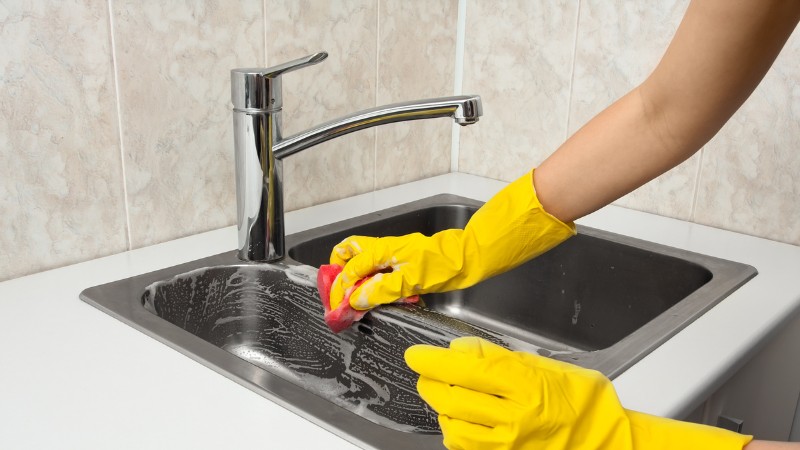
Credit: modern-maids.com
Polishing The Sink
Polishing your stainless steel sink makes it shine and look new. Natural methods are safe and easy to use. They help remove water spots and fingerprints.
Use simple ingredients from your kitchen to polish the sink. These options are eco-friendly and cost less than store-bought cleaners.
Olive Oil Shine
Olive oil gives your sink a smooth and shiny finish. It also helps prevent water spots from forming again soon.
- Pour a small amount of olive oil on a soft cloth.
- Rub the oil in circles over the clean, dry sink surface.
- Cover all areas, including corners and edges.
- Buff the sink with a dry cloth to remove extra oil.
- Enjoy a natural, lasting shine without harsh chemicals.
Flour Buffing Method
The flour buffing method is another natural way to polish your sink. It removes dullness and adds a soft glow.
| Step | Action | Tip |
|---|---|---|
| 1 | Sprinkle a thin layer of flour on the dry sink surface. | Use plain white flour for best results. |
| 2 | Use a damp cloth to rub the flour gently in circular motions. | Be gentle to avoid scratching the sink. |
| 3 | Rinse the sink with warm water to remove flour residue. | Make sure no flour is left behind to avoid streaks. |
| 4 | Dry the sink with a clean towel. | This helps bring out the shine. |
Preventing Future Stains
Cleaning your stainless steel sink well is important. Keeping it clean helps stop stains from forming again.
Some easy habits protect your sink. These habits keep it shiny and looking new for longer.
Regular Drying
Water spots cause many stains on stainless steel sinks. Drying the sink after use stops these spots.
Use a soft cloth or towel to dry the sink well. Make sure to dry all corners and edges.
- Dry the sink after washing dishes
- Wipe up spills quickly
- Keep a drying cloth near the sink
Avoiding Harsh Chemicals
Strong chemicals can damage the sink’s surface. They cause dull spots and make stains stick more.
Use natural cleaners like baking soda or vinegar instead. These clean well without harm.
- Skip bleach and ammonia cleaners
- Use mild soap for daily cleaning
- Try lemon juice for removing spots
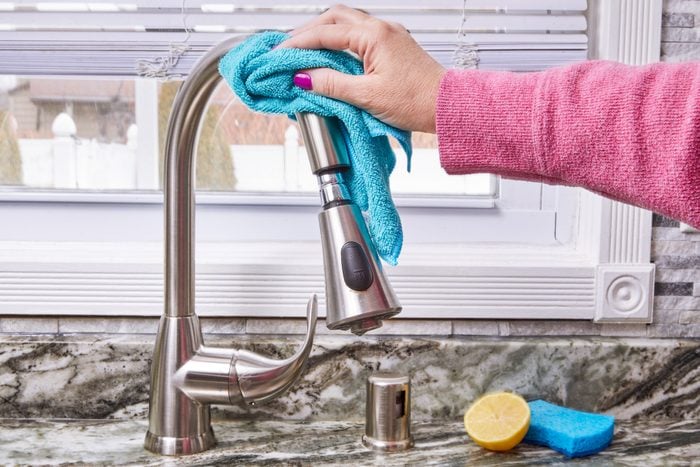
Credit: www.rd.com
Environmental Benefits
Cleaning a stainless steel sink naturally helps protect the environment. It reduces harmful chemicals in water and air.
Using natural methods also saves energy and cuts down on waste. These choices support a healthier planet.
Reduces Chemical Pollution
Many commercial cleaners contain toxic chemicals. These can harm fish and plants when washed down the drain.
Natural cleaning uses baking soda, vinegar, and lemon. These ingredients break down safely and do not pollute water.
Saves Water And Energy
Natural cleaning methods often need less water to rinse. They also avoid harsh scrubbing that wastes energy.
- Use a soft cloth instead of a power scrubber
- Rinse with small amounts of water
- Let natural acids dissolve stains without extra effort
Reduces Waste And Packaging
Homemade cleaners come from common household items. This lowers plastic bottle use and packaging waste.
| Cleaner Type | Packaging Waste |
| Commercial Cleaner | Plastic bottles, boxes |
| Natural Cleaner | Uses existing kitchen items |
Supports Sustainable Living
Choosing natural cleaning fits a green lifestyle. It encourages using safe, renewable ingredients daily.
Natural cleaning is easy and good for Earth. Try simple recipes like:
- Mix baking soda and water for scrubbing
- Use diluted vinegar for shine and disinfect
- Rub lemon on stains to brighten surfaces
Frequently Asked Questions
How Do I Clean A Stainless Steel Sink Naturally?
Use baking soda as a gentle scrub. Sprinkle it on the sink, then scrub with a soft sponge. Rinse with warm water and dry with a microfiber cloth to prevent water spots.
Can Vinegar Remove Stains From Stainless Steel Sinks?
Yes, white vinegar effectively removes stains and disinfects. Spray vinegar on the surface, let it sit for a few minutes, then wipe clean and rinse thoroughly.
What Natural Ingredients Shine Stainless Steel Sinks?
Lemon juice and olive oil restore shine naturally. Rub lemon on the sink, rinse, then buff with a small amount of olive oil using a soft cloth.
How Often Should I Clean My Stainless Steel Sink?
Clean your sink at least twice a week. Frequent cleaning prevents buildup and maintains its natural shine and hygiene without harsh chemicals.
Conclusion
Cleaning your stainless steel sink naturally keeps it shiny and fresh. Simple ingredients like baking soda and vinegar work best. These items are safe and easy to find. Regular cleaning stops stains and buildup from forming. A clean sink looks great and lasts longer.
Try this easy method to keep your kitchen healthy. Small efforts make a big difference every day. Start today and enjoy a sparkling sink tomorrow.