
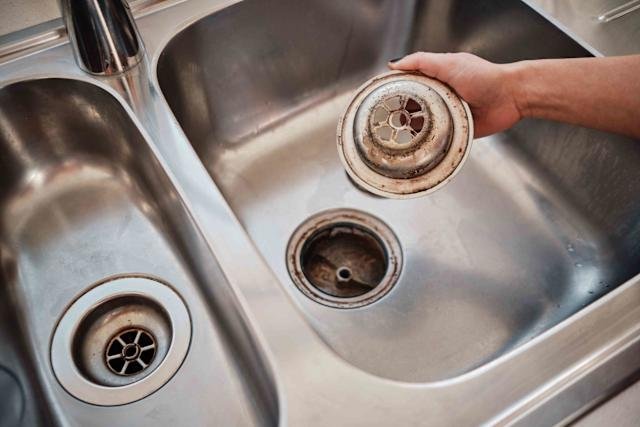
Your stainless steel sink is one of the busiest spots in your kitchen. Over time, it can get stained, dull, and even start to hold onto unpleasant smells.
But what if cleaning it could be quick, simple, and leave your sink shining like new? In this guide, you’ll discover easy steps to clean your stainless steel sink thoroughly. By the end, you’ll know exactly how to keep your sink looking spotless and fresh every day.
Ready to transform your kitchen sink without spending hours scrubbing? Let’s dive in!
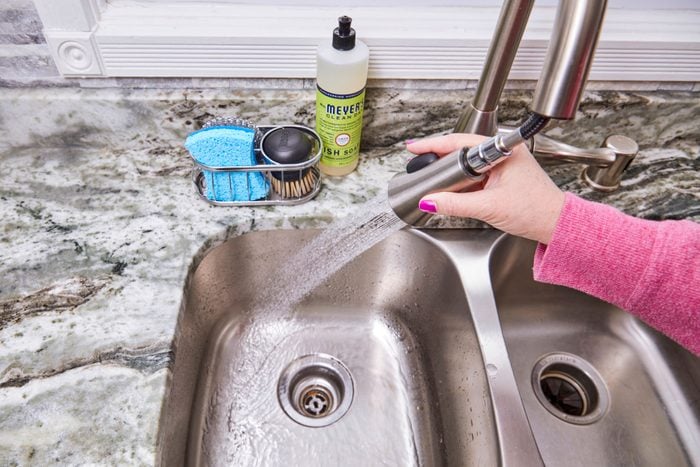
Credit: www.rd.com
Essential Cleaning Supplies
Cleaning a stainless steel sink needs the right supplies. Using proper tools keeps the sink shiny and damage-free.
Gather these supplies before you start to clean your sink thoroughly and easily.
Mild Dish Soap
Mild dish soap removes grease and light dirt. It is gentle and safe for stainless steel surfaces.
Use it with warm water to clean without scratching or dulling the sink.
Soft Sponge Or Cloth
A soft sponge or cloth cleans without scratching the sink. Avoid rough scrubbers that can leave marks.
Microfiber cloths work well to wipe and polish stainless steel surfaces.
Baking Soda
Baking soda acts as a mild abrasive to remove stains and buildup. It cleans gently without damaging the sink.
Sprinkle baking soda on the sink and scrub with a damp sponge for better results.
White Vinegar
White vinegar helps to remove water spots and disinfect the sink. It also restores the shine of stainless steel.
Spray vinegar on the sink and wipe with a soft cloth to clean and polish.
Old Toothbrush
An old toothbrush cleans hard-to-reach corners and edges. It helps remove dirt around the drain and faucet.
Use the brush with soap or baking soda for better cleaning in tight spots.
Dry Soft Towel
A dry soft towel is needed to dry and polish the sink after cleaning. It prevents water spots and streaks.
Wipe the sink dry after rinsing to keep the surface smooth and shiny.

Credit: www.aol.com
Daily Maintenance Tips
Keeping your stainless steel sink clean every day helps it last longer. Dirt and water spots can build up fast. A simple routine keeps it shiny and fresh.
Use gentle cleaning methods to avoid scratches. Daily care stops stains and rust from forming. This guide shares easy tips to keep your sink spotless.
Rinse And Wipe After Use
Rinse the sink with warm water after every use. Wipe it dry with a soft cloth. This prevents water spots and soap scum from building up.
Use Mild Soap And Soft Sponge
Clean your sink daily using mild dish soap and a soft sponge. Avoid abrasive cleaners or scrubbers. They can scratch the surface and dull the finish.
Remove Hard Water Spots
- Apply white vinegar to a cloth
- Rub the spots gently
- Rinse with water
- Dry with a soft towel
Vinegar breaks down mineral deposits that cause spots. Regular removal keeps the sink looking new.
Avoid Leaving Standing Water
Do not let water sit in the sink for long. Standing water can cause rust marks and stains. Always drain and dry the sink after use.
Keep A Cleaning Schedule
| Day | Task |
| Monday | Rinse and wipe dry after use |
| Wednesday | Clean with mild soap and soft sponge |
| Friday | Remove hard water spots with vinegar |
| Sunday | Check for rust or stains and clean |
Following this simple schedule makes maintenance easy. It prevents buildup and keeps your sink shining every day.
Deep Cleaning Process
Cleaning a stainless steel sink deeply keeps it shiny and lasts longer. Dirt, stains, and water spots build up over time. Regular cleaning is not enough to remove tough marks.
This guide shows how to clean your sink well. Follow these steps to make your sink look new again.
Removing Stubborn Stains
Stubborn stains need special care. Use a paste made from baking soda and water. Apply it on the stained areas and let it sit for 10 minutes.
After that, scrub gently with a soft cloth or sponge. Rinse with warm water and dry with a clean towel. Avoid steel wool to prevent scratches.
- Mix baking soda and water to form a paste
- Apply paste on stains and wait 10 minutes
- Gently scrub with a soft cloth or sponge
- Rinse with warm water
- Dry with a clean towel
Eliminating Hard Water Spots
Hard water spots leave white marks on stainless steel. Use white vinegar to remove them. Soak a cloth in vinegar and place it on the spots for 5 minutes.
Wipe the area with the cloth. Rinse the sink with water and dry well. This stops spots from coming back quickly.
- Soak cloth in white vinegar
- Place cloth on hard water spots for 5 minutes
- Wipe spots with the cloth
- Rinse sink with water
- Dry sink completely
Polishing Techniques
Cleaning a stainless steel sink well includes polishing to keep it shiny. Polishing removes dull spots and light scratches. It also protects the metal from stains and water marks.
You can use natural polishes or commercial products. Both types work well if used correctly. This guide covers both options for polishing your sink.
Using Natural Polishes
Natural polishes are safe and easy to find. They clean and shine the sink without harsh chemicals. Here are some common natural polishes and how to use them.
- Baking Soda:Make a paste with water. Rub gently with a soft cloth. Rinse well.
- Olive Oil:Apply a small amount with a cloth. Buff the sink to a shine.
- Lemon Juice:Use lemon juice to remove water spots. Rinse and dry the sink after.
- White Vinegar:Spray vinegar on the surface. Wipe with a soft cloth to brighten the steel.
Commercial Polish Options
Commercial polishes are made for stainless steel. They often include ingredients to protect the surface. Follow these tips for using them safely and effectively.
| Product Type | Use | Benefits |
| Liquid Polish | Apply with a cloth, rub gently, then wipe off | Shines and protects from fingerprints |
| Cream Polish | Spread evenly, buff with a soft cloth | Removes light scratches and adds shine |
| Spray Polish | Spray lightly, wipe with microfiber cloth | Quick cleaning and shine |
Preventive Measures
Keeping your stainless steel sink clean is easier with good habits. Preventive care stops damage before it starts.
Simple steps help keep your sink shiny and lasting longer. Focus on avoiding scratches and water spots.
Avoiding Scratches
Scratches make your sink look dull and old. Use soft materials only when cleaning or drying your sink.
Do not use steel wool or rough scrubbers. Always lift heavy pots instead of dragging them across the sink.
- Use a soft sponge or cloth
- Lift dishes instead of sliding
- Avoid harsh scrubbers like steel wool
- Use a sink grid to protect the surface
Preventing Water Spots
Water spots come from hard water drying on the sink surface. Wipe the sink dry after each use to stop spots.
Use a soft cloth or microfiber towel to dry. Regular cleaning with vinegar can also help remove minerals.
- Dry sink after every use
- Use microfiber towels for drying
- Clean with vinegar to remove mineral buildup
- Rinse sink well after cleaning
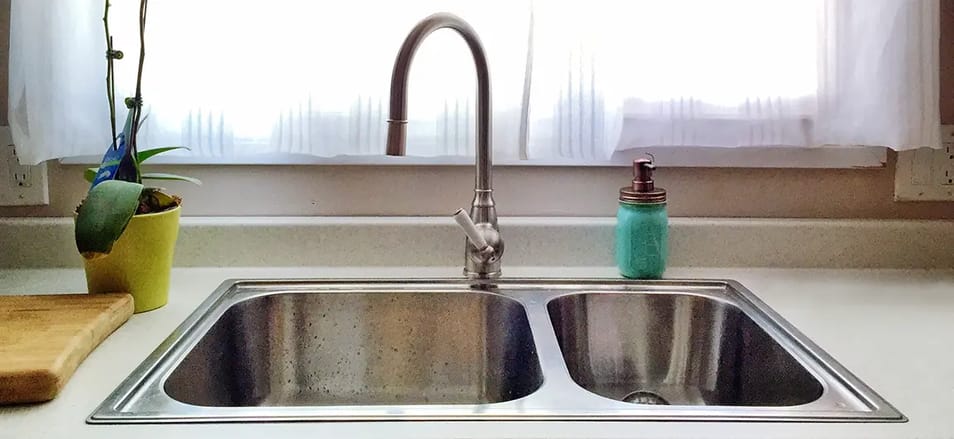
Credit: www.lysol.com
Common Mistakes To Avoid
Cleaning a stainless steel sink seems easy but many make mistakes. These errors can cause stains or damage.
Knowing what to avoid helps keep your sink shiny and lasts longer.
Using Harsh Chemicals
Strong chemicals can damage the sink’s surface. Avoid bleach and ammonia-based cleaners.
These chemicals may cause discoloration and weaken the steel over time.
Scrubbing With Abrasive Tools
Steel wool or rough scrubbers scratch the sink’s surface. Use soft sponges or cloths instead.
Scratches can trap dirt and make cleaning harder next time.
Leaving Water Spots To Dry
Letting water dry on the sink causes spots and mineral buildup. Wipe dry after each use.
- Use a soft towel to dry the sink
- Prevent hard water stains
- Maintain a shiny look
Ignoring Regular Cleaning
Waiting too long between cleanings allows stains to set. Clean your sink often for best results.
Regular care stops buildup and keeps the sink fresh.
Using Steel Cleaners Not Made For Sinks
Not all stainless steel cleaners work for sinks. Some can leave residues or dull the finish.
Choose cleaners safe for kitchen sinks to avoid damage.
Frequently Asked Questions
How Do I Remove Stains From Stainless Steel Sinks?
Use a paste of baking soda and water to scrub gently. Rinse with warm water. For tough stains, try white vinegar and a soft cloth.
What Household Items Clean Stainless Steel Sinks Effectively?
Baking soda, white vinegar, lemon, and mild dish soap work well. Avoid abrasive cleaners that can scratch the surface.
How Often Should I Clean My Stainless Steel Sink?
Clean your sink daily to prevent buildup. Deep clean weekly to maintain shine and hygiene.
Can I Use Bleach To Clean Stainless Steel Sinks?
Avoid bleach as it can damage the finish. Use mild detergents or natural cleaners instead.
Conclusion
A clean stainless steel sink makes your kitchen look fresh and neat. Regular cleaning keeps it shiny and free from stains. Use simple tools like baking soda and vinegar for best results. Avoid harsh scrubbing to protect the sink’s surface.
Small daily efforts prevent buildup and keep germs away. Enjoy a bright, healthy kitchen with a sparkling sink every day. Clean sinks, happy homes.