
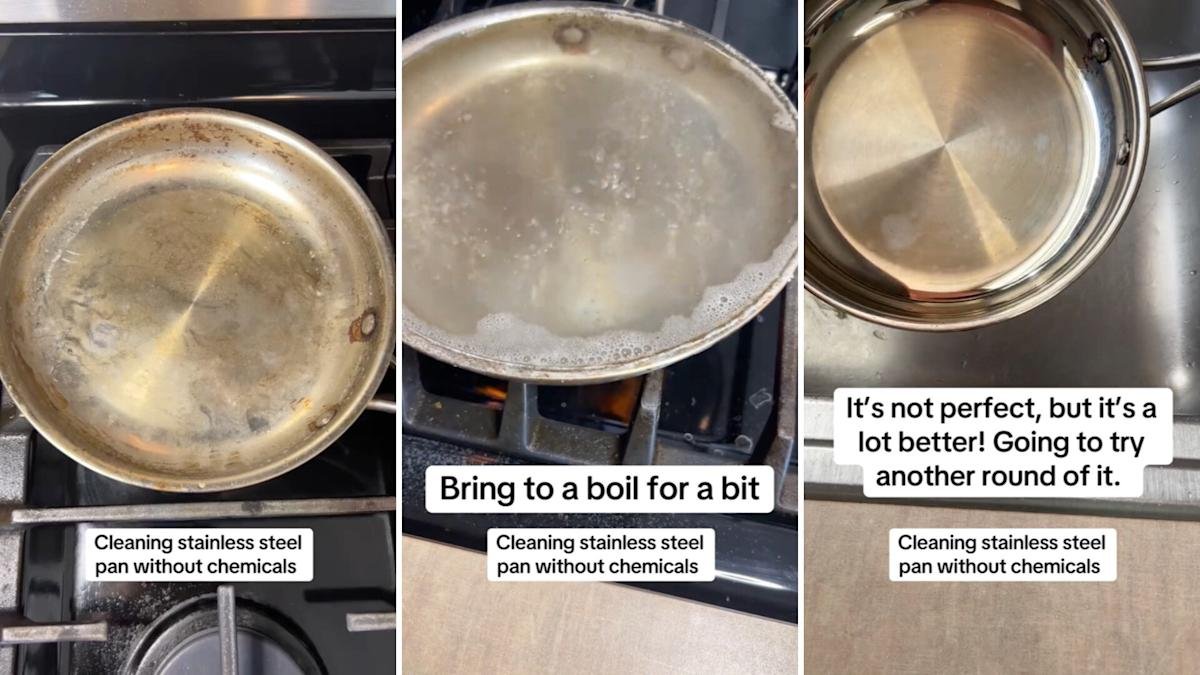
If you’ve ever struggled with stubborn stains or discoloration on your stainless steel pans, you’re not alone. Keeping these pans spotless can be tricky, but it’s not impossible.
Imagine bringing back that shiny, like-new finish with simple steps you can do at home. In this guide, you’ll discover easy and effective ways to clean your stainless steel pans, saving you time and frustration. Ready to make your cookware sparkle again?
Let’s dive in.
Materials Needed
Cleaning stainless steel pans requires simple materials that you can find at home. Using the right tools helps keep the pans shiny and damage-free.
Gather these items before you start cleaning to make the process easier and faster.
Cleaning Agents
- Mild dish soap
- Baking soda
- White vinegar
- Lemon juice
These cleaning agents remove grease, stains, and stuck food without harming the pan’s surface.
Cleaning Tools
| Tool | Purpose |
| Soft sponge | Gentle scrubbing |
| Microfiber cloth | Drying and polishing |
| Plastic or wooden scraper | Removing stuck food |
| Non-abrasive scrubber | Cleaning tough spots |
Use these tools carefully to avoid scratching the stainless steel surface.
Additional Items
Extra items can help with deeper cleaning or polishing:
- Olive oil (for polishing)
- Soft towel (for drying)
- Boiling water (to loosen residue)

Credit: oakabode.com
Daily Cleaning Routine
Cleaning stainless steel pans every day keeps them shiny and safe for cooking. Dirt and food residues can build up quickly. A simple routine helps maintain your pans well.
Use gentle methods to avoid scratches. Avoid harsh chemicals. Follow easy steps to clean your pans after each use.
Rinse Immediately After Use
Rinse your pan with warm water right after cooking. This stops food from sticking and makes cleaning easier. Use running water to wash away loose bits.
Use Mild Soap And Soft Sponge
Apply a small amount of mild dish soap to a soft sponge. Gently scrub the pan’s surface to remove grease and stains. Avoid steel wool or rough scrubbers that can scratch.
- Use warm water with mild soap
- Scrub gently with a soft sponge
- Focus on greasy or sticky areas
- Do not use abrasive scrubbers
Dry Thoroughly To Prevent Water Spots
After washing, dry your pan with a clean towel. Water spots can form if left to air dry. A soft cloth helps keep the surface clear and shiny.
Store Properly Between Uses
| Storage Tip | Reason |
|---|---|
| Keep pans dry | Prevents rust and water spots |
| Stack with paper towels between pans | Avoids scratches on the surface |
| Store in a dry cabinet | Reduces exposure to moisture |
Removing Stubborn Stains
Stainless steel pans often develop tough stains from burnt food and oils. These stains need special care to remove without scratching the surface.
Using natural household items can clean your pans safely and effectively. Try these easy methods to bring back the shine.
Baking Soda Paste
Baking soda is gentle but works well on stubborn marks. Make a thick paste by mixing baking soda with water. Spread it over the stains and let it sit for 15 minutes.
After resting, scrub the paste using a soft sponge or cloth. Rinse the pan with warm water and dry it with a clean towel.
Vinegar Solution
White vinegar cuts through grease and discolors easily. Pour equal parts vinegar and water into the pan. Heat the mixture on low until it simmers for a few minutes.
- Turn off the heat and let the solution cool.
- Use a sponge to scrub the stains gently.
- Rinse the pan thoroughly with water.
- Dry the pan to prevent water spots.
Lemon And Salt Method
Lemon’s acidity and salt’s abrasiveness help remove marks naturally. Cut a lemon in half and dip the cut side into salt.
| Action | Details |
|---|---|
| Rub | Scrub the salted lemon over the stain in circles. |
| Wait | Let the lemon juice sit for 10 minutes to break the stain. |
| Rinse | Wash the pan with warm water and dry it well. |
Dealing With Burnt-on Food
Cleaning burnt food from stainless steel pans can be tough. Stubborn stains and stuck bits need special care. Using simple methods helps restore your pans without damage.
Two easy ways to clean burnt food are boiling water and soaking with detergent. Both use common kitchen items and require little effort.
Boiling Water Technique
This method loosens burnt food by softening it with heat and moisture. It works well for light to medium burnt spots.
- Fill the pan with enough water to cover the burnt areas.
- Place the pan on the stove and bring the water to a boil.
- Let it boil for 10 to 15 minutes to soften the burnt food.
- Turn off the heat and allow the water to cool slightly.
- Use a wooden spoon or spatula to gently scrape away the loosened food.
- Wash the pan with warm soapy water and rinse well.
Soaking With Detergent
Soaking helps break down burnt food using soap and time. This method is good for tougher, older stains.
| Materials Needed | Instructions |
| Warm water | Fill the pan halfway with warm water. |
| Dish detergent | Add a few drops of detergent to the water. |
| Soft sponge or cloth | After soaking, scrub gently to remove burnt food. |
| Time | Let the pan soak for at least 1 hour or overnight. |
Polishing For Extra Shine
Stainless steel pans look best when they shine. Polishing helps bring back their bright, clean surface. It also protects the metal from stains and scratches.
This guide covers two ways to polish your pans: using olive oil and commercial polish. Both methods are easy and improve your pan’s shine.
Olive Oil Application
Olive oil is a natural way to polish and protect stainless steel pans. It gives a soft shine and helps prevent rust.
- Clean the pan with warm water and soap. Dry it completely.
- Put a few drops of olive oil on a soft cloth.
- Rub the oil onto the pan in small, circular motions.
- Cover the entire surface, including the handle.
- Use a clean cloth to wipe off extra oil for a smooth finish.
Commercial Polish Use
Commercial polishes are made specifically for stainless steel. They clean deeply and leave a lasting shine.
| Step | Action | Tip |
| 1 | Read the polish instructions carefully. | Wear gloves to protect your skin. |
| 2 | Apply a small amount of polish to a soft cloth. | Start with less polish to avoid residue. |
| 3 | Rub the polish on the pan using circular motions. | Focus on scratched or dull areas. |
| 4 | Let the polish sit for the time suggested on the label. | Do not let it dry completely. |
| 5 | Buff the pan with a clean cloth until it shines. | Use light pressure for best results. |

Credit: www.reddit.com
Preventing Future Stains
Stainless steel pans look great when they stay clean and shiny. Stains can build up over time and make them dull. You can stop stains by using good habits in cooking and storage.
Taking simple steps helps your pans stay in good shape. It also makes cleaning easier after cooking.
Proper Cooking Techniques
Use medium heat to cook with stainless steel pans. High heat can cause food to stick and leave marks. Adding oil before heating helps food cook evenly.
Do not leave burnt food in the pan. Clean it soon after cooking to stop stains. Avoid cooking acidic foods for long times to prevent discoloration.
- Heat the pan before adding oil
- Cook on medium or low heat
- Clean burnt food quickly
- Limit cooking very acidic foods
Storage Tips
Store your pans in a dry place to stop water stains. Avoid stacking pans without protection to prevent scratches. Use cloth or paper towels between pans if you stack them.
Make sure pans are clean and dry before storing. This practice stops stains and keeps pans ready for the next use.
- Dry pans completely after washing
- Store in a dry cupboard or shelf
- Use cloth or paper between stacked pans
- Clean pans before storing
Common Mistakes To Avoid
Cleaning stainless steel pans is simple if you know what to do. Many people make mistakes that can damage their pans or make cleaning harder.
Avoid these common errors to keep your pans shiny and in good shape for a long time.
Using Harsh Cleaners
Some people use strong chemicals or bleach on their stainless steel pans. These cleaners can scratch or dull the surface. Instead, use mild soap and warm water for regular cleaning.
Scrubbing With Abrasive Pads
Steel wool or rough scrubbers can leave marks on your pans. Use soft sponges or cloths to clean them gently. This helps keep the finish smooth and shiny.
Ignoring Burnt Food Residue
Burnt food left on the pan is harder to clean later. Soak the pan in warm, soapy water right after cooking. This softens the residue and makes cleaning easier.
Using The Wrong Cleaning Tools
- Never use metal scrubbers or steel wool.
- Avoid harsh brushes that scratch surfaces.
- Choose soft sponges or microfiber cloths instead.
- Use nylon scrubbers for tough spots.
Not Drying The Pan Properly
Leaving water on your pan can cause spots or rust. Always dry your pan with a soft towel after washing. This keeps it clean and prevents stains.
Using High Heat To Clean
Some try to clean pans by heating them very high with water or vinegar. This can warp the pan or damage the finish.
Always clean pans at room temperature. Soak and scrub gently instead.
Eco-friendly Cleaning Alternatives
Stainless steel pans are strong and last a long time. Cleaning them with eco-friendly products helps protect the planet.
Using natural ingredients keeps your kitchen safe and reduces waste. These options clean well without harsh chemicals.
Baking Soda And Water Paste
Baking soda is a gentle scrub that removes stains and grease. Mix it with water to make a paste for cleaning.
Apply the paste on the pan and let it sit for a few minutes. Then, scrub with a soft cloth and rinse with water.
White Vinegar Spray
White vinegar cuts through grease and disinfects surfaces. Use it as a spray to clean your stainless steel pans.
Spray the vinegar on the pan, wait a few minutes, then wipe it clean with a soft cloth or sponge.
Lemon Juice For Stains
Lemon juice is acidic and removes tough stains from stainless steel. It also leaves a fresh scent.
Rub half a lemon on the stained areas or apply lemon juice with a cloth. Rinse well afterward.
Castile Soap And Warm Water
Castile soap is a plant-based cleaner safe for stainless steel. Mix a few drops with warm water for washing.
Use a soft sponge dipped in the solution to clean the pan. Rinse thoroughly and dry to avoid water spots.
Salt Scrub For Tough Spots
Salt acts as a natural abrasive to remove stuck-on food. Combine it with a little oil or water for scrubbing.
Gently rub the salt mixture on tough spots using a cloth. Rinse well to clear away all salt residue.

Credit: www.reddit.com
Frequently Asked Questions
How Do I Remove Stains From Stainless Steel Pans?
To remove stains, soak the pan in warm water and dish soap. Use a soft sponge or cloth to scrub gently. For tough stains, sprinkle baking soda and scrub lightly. Rinse well and dry with a clean towel to prevent water spots.
Can I Use Vinegar To Clean Stainless Steel Pans?
Yes, vinegar is effective for cleaning stainless steel pans. It removes discoloration and mineral deposits. Mix equal parts vinegar and water, apply to the pan, and let it sit for a few minutes. Rinse thoroughly and dry for a shiny finish.
What Is The Best Way To Prevent Stainless Steel Pans From Sticking?
Preheat the pan on medium heat before adding oil. Use enough oil or butter to create a non-stick surface. Avoid cooking sprays as they can leave residue. Maintain proper heat to prevent food from sticking and make cleaning easier.
How Often Should I Deep Clean Stainless Steel Pans?
Deep clean your stainless steel pans every few weeks or after cooking sticky foods. Use baking soda paste or a specialized cleaner for thorough cleaning. Regular deep cleaning maintains shine and removes stubborn stains effectively.
Conclusion
Cleaning stainless steel pans does not have to be hard. Use gentle scrubs and mild soap for best results. Avoid harsh chemicals that can damage the surface. Regular cleaning keeps pans shiny and safe to use. Small efforts bring big results over time.
Keep these tips in mind for a spotless kitchen. Clean pans cook food better and last longer. A clean pan means happy cooking every day. Simple steps make your pans look like new.