
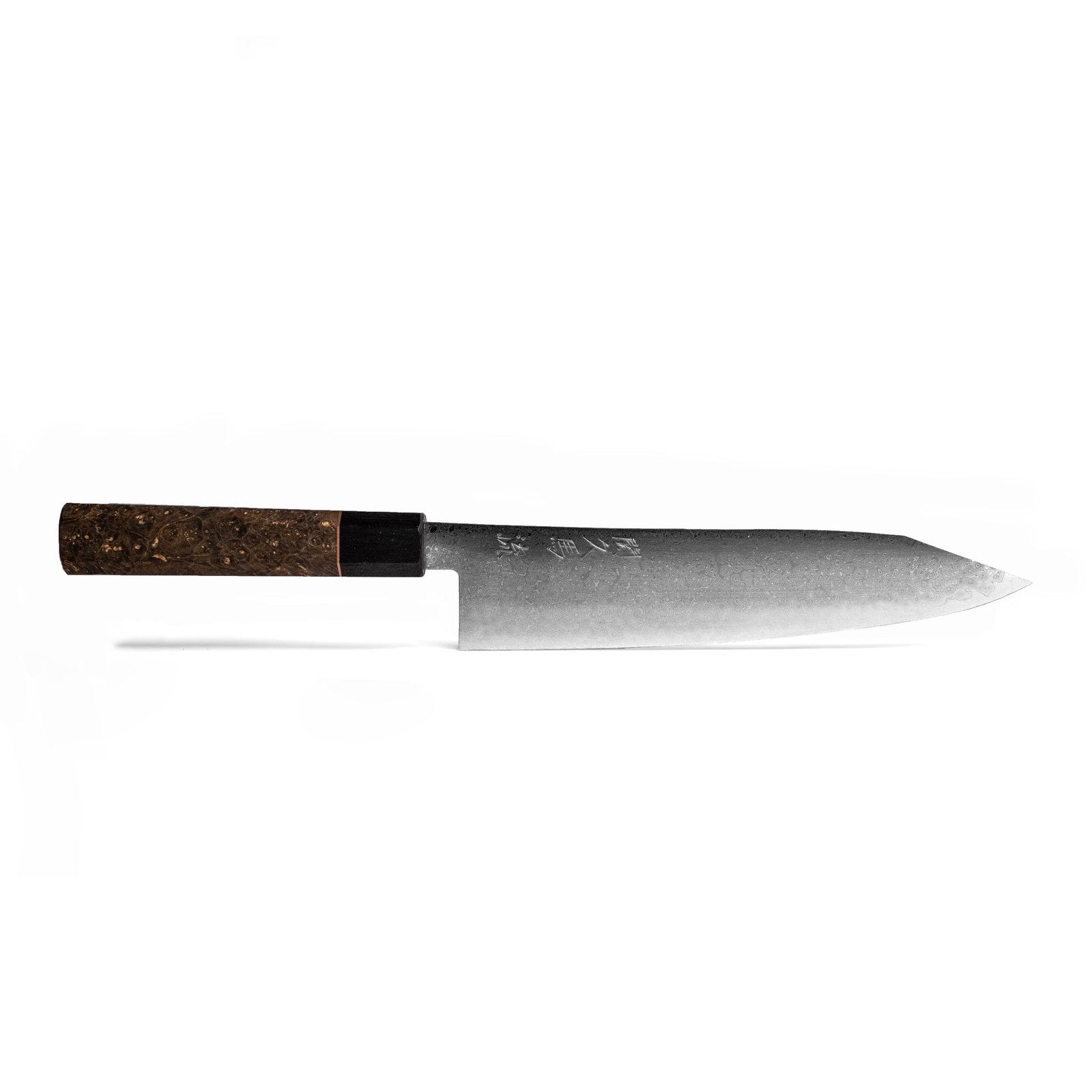
Are your stainless steel knives looking dull or stained? You might think cleaning them means harsh chemicals or expensive products, but that’s not true.
You can restore their shine and keep them sharp using natural ingredients you probably already have at home. You’ll discover simple, effective ways to clean your knives safely and naturally. Ready to bring back that sparkling finish and protect your knives for years?
Let’s dive in and make your kitchen tools shine like new.
Benefits Of Natural Cleaning
Cleaning stainless steel knives naturally keeps them sharp and shiny. It avoids harsh chemicals that can damage blades.
Using natural ingredients is safer for your health and the environment. It is gentle on your hands and surfaces.
Protects Knife Edges
Natural cleaners do not wear down the steel like some chemicals. This helps keep knife edges strong and sharp.
Gentle cleaning prevents scratches and rust that dull blades quickly.
Safe For Your Health
Natural cleaning uses ingredients like vinegar and baking soda. These are non-toxic and safe to touch or inhale.
Avoiding chemical cleaners reduces risks of skin irritation and allergic reactions.
Environmentally Friendly
Natural cleaning products break down easily and do not pollute water or soil. They reduce harmful waste.
Choosing natural methods helps protect wildlife and keeps nature clean.
Cost-effective And Easy
Common natural ingredients cost less than chemical cleaners. They are easy to find in most kitchens.
Natural cleaning requires simple steps with no special tools or products.

Credit: www.sambonet.com
Common Issues With Stainless Steel Knives
Stainless steel knives are popular for their strength and sharp edges. Still, they face some common problems that affect their look and performance. Knowing these issues helps keep your knives in good shape for longer.
This guide covers three main problems: stains and discoloration, rust and corrosion, and dulling and scratches. Each problem needs care and cleaning to keep knives working well.
Stains And Discoloration
Stains and discoloration happen when knives contact certain foods or chemicals. Acidic foods like lemons or tomatoes can leave marks. Water spots from drying can also cause dull patches.
- Use mild soap and warm water to clean after use.
- Dry knives immediately to prevent water spots.
- A paste of baking soda and water can remove stains gently.
- Avoid bleach or harsh chemicals that can worsen discoloration.
Rust And Corrosion
Rust appears when moisture stays on the blade too long. Corrosion can eat away at the steel, causing rough spots and damage. This reduces the knife’s life and sharpness.
| Cause | Effect | Prevention |
| Moisture left on blade | Rust spots | Dry knives right after washing |
| Salt exposure | Corrosion | Clean salt off quickly |
| Improper storage | Rust and damage | Store knives in dry place |
Dulling And Scratches
Knives lose sharpness from frequent use and cutting hard items. Scratches appear from contact with cutting boards or other utensils. Dull knives cut poorly and can be unsafe.
- Use wooden or plastic cutting boards to protect the blade.
- Sharpen knives regularly with proper tools.
- Avoid cutting on hard surfaces like stone or metal.
- Store knives separately to prevent scratching each other.
Essential Supplies For Natural Cleaning
Cleaning stainless steel knives naturally is safe and effective. You can use simple ingredients found at home. These natural supplies remove stains and keep knives shiny.
Below are common items for natural cleaning. Each has unique properties to help clean and protect your knives.
Vinegar
Vinegar is acidic and breaks down rust and grime. It helps restore the knife’s shine without harsh chemicals.
Use white vinegar or apple cider vinegar. Soak a cloth in vinegar and wipe the blade. Rinse with water and dry well after.
Baking Soda
Baking soda is a mild abrasive. It gently scrubs away stains and removes odors from knives.
- Mix baking soda with water to form a paste.
- Apply the paste to the blade using a soft cloth.
- Rub gently to clean the surface.
- Rinse thoroughly and dry the knife.
Lemon Juice
Lemon juice is natural and acidic. It cuts through grease and leaves a fresh scent. It also helps remove rust spots.
| Use | How to Apply |
| Grease removal | Rub lemon juice directly on blade |
| Rust removal | Let lemon juice sit for 5 minutes, then wipe |
| Fresh scent | Rinse after application and dry |
Olive Oil
Olive oil protects the blade from moisture and rust. It also gives the handle a polished look.
After cleaning, apply a few drops of olive oil. Rub evenly with a soft cloth. This keeps the knife in good condition.
Step-by-step Cleaning Process
Cleaning stainless steel knives naturally is simple and safe. It helps keep your knives sharp and shiny.
This guide shows easy steps to clean your knives without harsh chemicals.
Removing Stains And Discoloration
Stains and discoloration can make knives look old. Natural ingredients can remove these marks gently.
Lemon juice and baking soda work well to clean stains on stainless steel.
- Mix lemon juice with baking soda to form a paste.
- Apply the paste on stained areas using a soft cloth.
- Let it sit for 5 minutes to break down stains.
- Rinse the knife with warm water.
- Dry with a clean towel to prevent water spots.
Eliminating Rust And Corrosion
Rust can damage your knives if not cleaned. Natural tools like vinegar help remove rust safely.
White vinegar dissolves rust without harming the steel or blade.
- Soak a cloth in white vinegar.
- Wrap the cloth around the rusty part of the knife.
- Leave it for 10 to 15 minutes.
- Scrub the rust gently with a soft brush or sponge.
- Rinse and dry the knife well to stop rust return.
Restoring Shine And Sharpness
After cleaning, your knife should look bright and work well. Natural oils and honing keep blades sharp.
Olive oil shines the blade and protects it from damage.
- Wipe the blade with a soft cloth to remove moisture.
- Apply a few drops of olive oil on the blade.
- Rub the oil evenly to restore shine.
- Use a honing rod to sharpen the blade carefully.
- Store knives in a dry place to keep them sharp.
Preventative Care Tips
Keeping your stainless steel knives clean helps them last longer. Natural cleaning methods protect the blade and handle. Simple care avoids rust and dull edges.
Use easy steps to store and maintain your knives. These habits keep your tools safe and sharp.
Proper Storage Solutions
Store knives carefully to avoid damage and accidents. Proper storage keeps blades dry and rust-free.
- Use a knife block to keep blades separate.
- Magnetic strips hold knives safely and air dries them.
- Knife guards protect edges during drawer storage.
- Avoid tossing knives loosely in drawers to prevent scratches.
- Keep knives in a dry place to stop rust from forming.
Regular Maintenance Routine
Clean and sharpen knives often for best performance. Natural cleaning avoids harsh chemicals that harm steel.
| Task | Frequency | Tip |
| Wipe clean after each use | Every time | Use warm water and mild soap |
| Dry thoroughly | Every time | Prevent water spots and rust |
| Sharpen blade | Monthly | Use a whetstone or honing rod |
| Oil handle | Quarterly | Use food-safe mineral oil |

Credit: www.thecookingguild.com
Common Mistakes To Avoid
Cleaning stainless steel knives naturally keeps them sharp and safe. Many people make errors that damage their knives or reduce their life.
Knowing what to avoid helps you keep your knives in top shape for a long time.
Using Harsh Chemicals
Harsh cleaners can ruin the knife’s surface and cause rust. Stick to natural cleaning agents like vinegar or baking soda.
Soaking Knives For Too Long
Leaving knives in water for hours can damage the handle and blade. Always wash and dry knives quickly after use.
Using Abrasive Scrubbers
Abrasive scrubbers scratch the surface of stainless steel knives. Use soft cloths or sponges for cleaning instead.
Ignoring Proper Drying
Water left on the blade can cause spots and rust. Dry knives immediately with a soft towel after washing.
Storing Knives Incorrectly
Storing knives loosely in drawers can cause dulling and accidents. Use a knife block or magnetic strip for safe storage.
| Mistake | Effect | Natural Cleaning Tip |
|---|---|---|
| Using harsh chemicals | Damages blade, causes rust | Use vinegar or baking soda |
| Soaking too long | Weakens handle and blade | Wash and dry quickly |
| Abrasive scrubbers | Scratches surface | Use soft cloth or sponge |
| Ignoring drying | Water spots and rust | Dry immediately |
| Improper storage | Dulls blade and risks injuries | Store in block or on strip |
Environmental Benefits Of Natural Cleaning
Cleaning stainless steel knives naturally helps protect the environment. It reduces the use of harsh chemicals that harm water and soil.
Natural cleaning methods use safe ingredients. These keep ecosystems healthy and reduce pollution.
Reduces Chemical Pollution
Natural cleaners avoid toxic chemicals found in many commercial products. These chemicals can damage rivers and lakes.
Biodegradable Ingredients
Most natural cleaning ingredients break down easily in nature. This reduces waste and prevents long-term pollution.
Safer For Wildlife And Plants
Natural cleaning avoids harmful substances that can poison animals and plants. It helps keep local wildlife safe.
Saves Water Resources
Natural cleaning methods often require less water. This helps conserve water, an important resource for all living things.
- Less water needed for rinsing
- Reduces chemical runoff into water systems
- Protects drinking water sources
Supports Sustainable Living
| Benefit | Natural Cleaning | Commercial Cleaning |
| Chemical Use | Low | High |
| Water Consumption | Reduced | Often High |
| Impact on Wildlife | Minimal | Can be Harmful |
| Waste Biodegradability | High | Low |

Credit: www.coolinastore.com
Frequently Asked Questions
How Do I Clean Stainless Steel Knives Naturally?
Use a mixture of baking soda and water to scrub knives gently. Rinse with warm water and dry immediately to prevent rust.
What Natural Ingredients Remove Stains From Stainless Steel Knives?
Lemon juice and white vinegar effectively remove stains. Apply, let sit for 5 minutes, scrub gently, rinse, and dry the knife.
Can I Use Salt To Clean Stainless Steel Knives?
Yes, coarse salt acts as a mild abrasive. Sprinkle salt on the blade, rub with a damp cloth, rinse, and dry thoroughly.
Is It Safe To Clean Knives With Natural Oils?
Yes, mineral oil can protect knives from rust. Apply a small amount after cleaning to keep blades shiny and rust-free.
Conclusion
Cleaning stainless steel knives naturally keeps them sharp and safe to use. Simple ingredients like lemon, baking soda, and vinegar work well. These methods avoid harsh chemicals that can damage knives. Regular natural cleaning helps your knives last longer and look better.
Try these easy steps to keep your kitchen tools bright. Clean knives make cooking easier and safer every day. Give natural cleaning a try for a fresh, eco-friendly kitchen.