
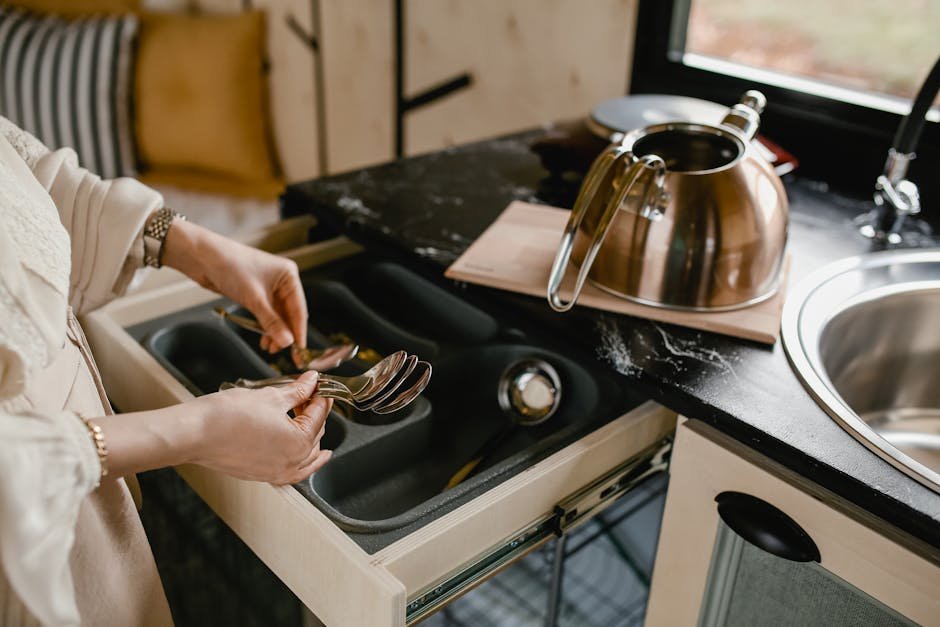
You know how shiny and sleek your stainless steel kitchen tools look when they’re clean. But over time, they can get dull, stained, or even sticky.
If you’ve ever struggled to get rid of stubborn spots or worry about damaging your favorite utensils, this guide is for you. You’re about to discover simple, effective ways to clean your stainless steel tools thoroughly—making them look like new again.
Keep reading, and you’ll learn tips that save you time, protect your tools, and keep your kitchen sparkling.
Credit: www.lysol.com
Benefits Of Stainless Steel
Stainless steel is a popular choice for kitchen tools. It offers many benefits that make cleaning easy and reliable.
This material is strong and looks good in any kitchen. It also does not react with food, keeping meals safe.
Durability And Strength
Stainless steel is very tough. It resists dents and scratches. This makes it last longer than other materials.
- Does not rust easily
- Handles high temperatures well
- Withstands heavy use
- Maintains shape over time
Non-reactive Properties
Stainless steel does not react with acidic or alkaline foods. This keeps flavors pure and safe to eat.
| Material | Reacts with Food? |
| Stainless Steel | No |
| Aluminum | Yes |
| Copper | Yes |
| Cast Iron | Sometimes |
Aesthetic Appeal
Stainless steel has a clean, shiny look. It fits well in modern and classic kitchens. It stays bright with simple cleaning.
Tip:Use a soft cloth and mild soap to keep your stainless steel tools looking new.
:max_bytes(150000):strip_icc()/spr-stainless-steel-cleaner-test-group-kenedee-fowler-10-1-723e8bcd3ccd47658369b74038ad6a5d.jpeg)
Credit: www.thespruce.com
Common Cleaning Mistakes
Cleaning stainless steel kitchen tools seems simple. Many people make mistakes that harm their tools.
Knowing common errors helps keep your tools shiny and long-lasting.
Using Abrasive Materials
Abrasive sponges or cleaners can scratch stainless steel surfaces. Scratches trap dirt and cause rust.
Always use soft cloths or non-abrasive sponges to clean your tools. Gentle cleaning keeps the surface smooth.
- Avoid steel wool or rough scrubbers
- Use mild dish soap with soft cloth
- Try microfiber towels for polishing
Ignoring Manufacturer Instructions
Each stainless steel tool may have special cleaning instructions. Ignoring them can damage your tools.
Read and follow the cleaning tips from the maker. Some tools should not go in the dishwasher or use certain cleaners.
- Check labels or manuals before cleaning
- Use recommended cleaning products only
- Follow drying and storage advice
Neglecting Regular Maintenance
Not cleaning your tools regularly causes stains and buildup. This makes cleaning harder later on.
Wipe your tools after each use. Regular care stops rust and keeps them looking new.
- Rinse tools right after cooking
- Dry tools completely to avoid water spots
- Apply a light oil to prevent rust if needed
Daily Cleaning Routine
Keeping stainless steel kitchen tools clean every day helps them last longer. It also keeps them looking shiny and new.
A simple routine with the right materials and methods makes cleaning easy and effective.
Gentle Cleansers
Use mild soaps or dishwashing liquids to clean stainless steel tools. Avoid harsh chemicals that can damage the surface.
- Choose liquid dish soap with no bleach
- Use warm water to help remove grease
- Avoid abrasive cleaners that can scratch
- Rinse tools well after washing
Soft Cloth Or Sponge
Use a soft cloth or sponge to wash your tools. Hard scrubbers can cause scratches and dull the finish.
| Cleaning Material | Use |
| Soft cloth | Wipe and clean gently |
| Non-abrasive sponge | Remove dirt and grease |
| Steel wool (avoid) | Can scratch surface |
Wiping And Drying Techniques
Wipe tools carefully after washing to remove water spots. Dry them immediately to prevent rust and stains.
- Use a clean, dry microfiber cloth
- Wipe in the direction of the grain
- Do not let tools air dry
- Store tools in a dry place
Deep Cleaning Methods
Keeping stainless steel kitchen tools clean is important. Deep cleaning removes grime and restores shine. This guide covers effective methods for thorough cleaning.
Use simple ingredients or commercial products to keep your tools looking new. Learn how to handle tough stains safely.
Baking Soda And Vinegar
Baking soda and vinegar are natural cleaners. They help break down grease and remove dirt from stainless steel tools.
- Sprinkle baking soda on the tool’s surface.
- Pour vinegar over the baking soda to create fizz.
- Let it sit for 10 minutes to loosen grime.
- Scrub gently with a soft brush or cloth.
- Rinse with warm water and dry thoroughly.
Commercial Stainless Steel Cleaners
Special cleaners made for stainless steel can remove tough dirt and restore shine. Use them as directed on the label.
| Cleaner Type | Use | Precautions |
| Spray Cleaner | Spray and wipe with soft cloth | Avoid abrasive pads |
| Gel Cleaner | Apply gel, wait, then rinse | Wear gloves if sensitive skin |
| Polish | Use after cleaning for shine | Test on small area first |
Removing Stubborn Stains
Stubborn stains need stronger care. Use these tips to remove them without damage.
- Make a paste with baking soda and water.
- Apply paste to stains and let sit for 15 minutes.
- Rub gently with a soft cloth or sponge.
- Rinse well and dry the tool completely.
- Repeat if the stain stays but avoid harsh scrubbing.
Polishing For Shine
Stainless steel kitchen tools look best when they shine. Polishing helps keep them bright and clean. It removes smudges and adds a smooth finish.
Using simple items, you can polish your tools easily at home. This improves their look and extends their life.
Using Olive Oil
Olive oil works well to polish stainless steel. It gives a natural shine and protects the surface. Apply a small amount to a soft cloth before use.
Rub the oil gently over the kitchen tools in the direction of the grain. This helps remove fingerprints and water spots.
- Use extra virgin olive oil for best results
- Apply only a few drops to avoid greasy spots
- Polish in a circular motion for even coverage
Microfiber Cloth Application
Microfiber cloths work great for polishing stainless steel. They are soft and do not scratch the surface. Use a clean cloth for the best shine.
After applying olive oil, buff the tools with the microfiber cloth. This removes excess oil and adds a bright finish.
- Choose a dry, lint-free microfiber cloth
- Use gentle pressure while buffing
- Wash cloth regularly to keep it clean
Frequency Of Polishing
Polish your stainless steel kitchen tools regularly to keep them shiny. How often depends on use and exposure to stains.
For daily use, polish once a week. Less used tools can be polished once a month. This keeps surfaces smooth and protected.
- Polish weekly if tools are used every day
- Polish monthly if tools are used less often
- Polish immediately after stains or spots appear

Credit: www.aol.com
Preventing Future Damage
Cleaning stainless steel kitchen tools well keeps them safe and long-lasting. Taking care now helps avoid costly repairs later.
Use simple habits to protect your tools from damage. This guide covers key ways to do that.
Avoiding Chlorine And Bleach
Chlorine and bleach can harm stainless steel surfaces. These chemicals cause rust and dull finishes. Avoid using cleaners with these ingredients to keep your tools shiny and strong.
Instead, use gentle soaps or cleaners made for stainless steel. Rinse tools well after washing to remove any residue.
Proper Storage Solutions
Storing tools correctly stops scratches and rust. Keep them dry and separate to avoid damage from other items.
- Use a dry drawer with dividers for utensils
- Hang tools on hooks to air dry after washing
- Avoid stacking heavy items on top of stainless steel tools
- Store in a cool, dry place away from moisture
Regular Inspection And Maintenance
Check your stainless steel tools often. Look for signs of rust, stains, or loose parts. Early fixes prevent bigger problems.
| Inspection Task | What to Check | Frequency |
| Visual Check | Rust spots, discoloration, dents | Weekly |
| Clean Thoroughly | Remove stains and dirt buildup | Monthly |
| Tighten Parts | Handles, screws, joints | Every 3 months |
Expert Recommended Products
Cleaning stainless steel kitchen tools keeps them shiny and safe. Using the right products makes the job easier. Experts suggest specific cleaners and tools for best results.
This guide covers top cleaning solutions, polishing agents, and essential accessories. Follow these tips to maintain your kitchen tools well.
Top Cleaning Solutions
Choose cleaning solutions designed for stainless steel. They remove dirt, grease, and stains without damage. Many come in spray or liquid form for easy use.
- Bar Keepers Friend: Removes tough stains and rust.
- Simple Green All-Purpose Cleaner: Gentle and effective.
- White Vinegar: Natural and removes water spots.
- Baking Soda Paste: Mild abrasive for stubborn marks.
Best Polishing Agents
Polishing agents restore shine and protect the surface. Use them after cleaning to keep tools looking new. Some products also add a protective layer.
| Product | Type | Features |
| Weiman Stainless Steel Polish | Spray | Leaves a streak-free shine |
| Flitz Stainless Steel & Chrome Polish | Paste | Removes oxidation and fingerprints |
| Thera Stainless Steel Polish | Liquid | Non-toxic and biodegradable |
Essential Tools And Accessories
Use the right tools to clean and polish stainless steel effectively. Soft cloths and brushes prevent scratches. Avoid steel wool as it can damage the surface.
- Microfiber cloths: Gentle on surfaces and absorbent.
- Soft-bristle brushes: Reach small crevices.
- Non-abrasive sponges: Clean without scratching.
- Rubber gloves: Protect hands from chemicals.
Frequently Asked Questions
How Do I Remove Stains From Stainless Steel Tools?
Use a paste of baking soda and water. Apply it on stains gently. Rinse with warm water and dry with a soft cloth.
What Is The Best Way To Sanitize Stainless Steel Kitchen Tools?
Soak tools in a mixture of hot water and white vinegar for 10 minutes. Rinse thoroughly and air dry.
Can I Use Abrasive Cleaners On Stainless Steel Tools?
Avoid abrasive cleaners as they scratch the surface. Use mild detergents and soft sponges for safe cleaning.
How Often Should I Clean Stainless Steel Kitchen Tools?
Clean after each use to prevent buildup. Deep clean weekly for thorough maintenance and hygiene.
Conclusion
Cleaning stainless steel kitchen tools is simple with the right steps. Use mild soap and warm water first. Scrub gently to avoid scratches. Dry tools immediately to keep them shiny. For tough stains, try baking soda or vinegar. Regular care keeps your tools looking new longer.
Clean tools help in cooking safely and easily. Small efforts make a big difference in your kitchen. Keep your stainless steel tools bright and ready to use every day.