
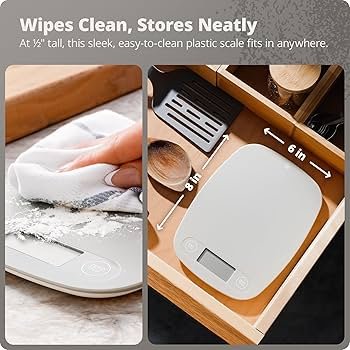
You rely on your smart kitchen scale to get precise measurements and perfect results every time you cook or bake. But when was the last time you gave it a proper clean?
Dirt, spills, and crumbs can build up quickly, affecting its accuracy and even its lifespan. Cleaning your smart kitchen scale the right way isn’t just about keeping it looking good—it’s about protecting your investment and ensuring flawless performance. Keep reading, and you’ll discover simple, effective steps to make your scale spotless and working like new again.

Credit: www.cnn.com
Importance Of Cleaning Smart Kitchen Scales
Smart kitchen scales help you measure food precisely. Keeping them clean keeps them working well.
Dirt and spills can affect the scale’s accuracy and lifespan. Cleaning prevents damage and errors.
Maintains Accurate Measurements
Food particles and liquids can stick to the surface. This makes the scale show wrong weights.
Cleaning removes any debris that blocks sensors or buttons. Accurate readings help with cooking and dieting.
Prevents Damage To Electronics
Smart scales have sensitive parts inside. Dirt and moisture can damage these parts over time.
Regular cleaning keeps moisture and dust away. This protects the scale’s electronics and extends its life.
Ensures Hygiene And Safety
Scales come in contact with food. Dirt or old food can cause germs to grow on the surface.
Cleaning stops bacteria build-up. It keeps your kitchen safe and your food healthy.
Improves User Experience
A clean scale looks neat and works smoothly. Buttons and screens respond better without grime.
Regular cleaning makes using the scale easier and more pleasant every time.
Gathering Cleaning Supplies
Keeping your smart kitchen scale clean helps it work well. It also keeps your food safe. You need the right supplies before cleaning.
Gather all the tools and cleaning agents you will use. This makes the cleaning process easy and safe for your scale.
Essential Tools
Use simple tools that protect your smart kitchen scale. Avoid anything that can scratch or damage it.
- Soft microfiber cloth to wipe surfaces
- Small soft brush to clean corners
- Cotton swabs for tiny spots
- Plastic scraper to remove stuck dirt
- Bowl for mixing cleaning solutions
Recommended Cleaning Agents
Choose gentle cleaning agents that do not harm the scale. Avoid strong chemicals that can damage electronics.
- Mild dish soap mixed with water
- Isopropyl alcohol (70%) for disinfecting
- Distilled water to avoid mineral spots
- White vinegar diluted with water for tough stains
Preparation Steps
Cleaning your smart kitchen scale keeps it working well. Start with simple preparation steps before cleaning.
These steps help protect the scale from damage during cleaning.
Power Off The Scale
Turn off the smart kitchen scale before cleaning. This prevents errors or damage.
Use the power button or switch to switch it off. Wait a few seconds to ensure it is fully off.
Remove Batteries
Take out the batteries to stop power flow. Removing batteries protects the scale from short circuits.
Open the battery compartment carefully. Keep the batteries in a safe place while cleaning.
- Locate the battery cover on the back or bottom
- Use a small tool if needed to open the cover
- Gently remove each battery
- Place batteries on a clean surface
- Close the battery compartment after cleaning
:max_bytes(150000):strip_icc()/faw-kitchen-scales-primary-nsimpson-1-1-4e80d8cc755a48029ac3ac5709583fec.jpeg)
Credit: www.foodandwine.com
Cleaning The Surface
Keeping your smart kitchen scale clean helps it work well and last longer. Dirt and food can build up on the surface after use.
Cleaning the surface regularly is easy and keeps your scale looking nice. Use gentle methods to avoid damage.
Wiping With A Damp Cloth
Use a soft cloth slightly dampened with water to clean the surface. This removes dust and light spills safely.
Make sure the cloth is not too wet to stop water from entering the scale’s electronics.
- Turn off and unplug the scale before cleaning
- Use a soft microfiber cloth for wiping
- Dampen the cloth with plain water only
- Wipe gently in circular motions
- Dry the surface with a dry cloth after wiping
Dealing With Stubborn Stains
For tough stains, use a mild soap mixed with water. Avoid harsh cleaners that can damage the surface.
Apply the soapy water to a cloth, not directly on the scale. Gently rub the stained area until clean.
- Mix a few drops of mild soap in water
- Use a soft cloth dipped in the soapy water
- Wring out excess liquid before wiping
- Rub the stained spot gently
- Wipe again with a clean damp cloth to remove soap
- Dry the surface completely with a dry cloth
Cleaning The Display And Buttons
Smart kitchen scales often have delicate displays and buttons. Keeping them clean helps the scale work properly.
Cleaning these parts carefully stops damage and keeps the scale looking new.
Gentle Cleaning Techniques
Use a soft, damp cloth to clean the display and buttons. Avoid using too much water to stop moisture from entering the device.
Use mild soap if needed, but never spray cleaners directly on the scale.
- Turn off the scale before cleaning
- Dampen a microfiber cloth with water or mild soap
- Wipe the display and buttons gently
- Dry with a soft, dry cloth immediately
Avoiding Damage
Do not use sharp tools or abrasive materials on the scale. These can scratch the display or damage the buttons.
Keep liquids away from openings to avoid internal damage. Use only recommended cleaning items.
- Avoid harsh chemicals like alcohol or bleach
- Do not soak the scale in water
- Never press buttons too hard during cleaning
- Keep cleaning cloths lint-free and soft
Cleaning The Platform
Keeping your smart kitchen scale clean helps it work well. The platform is where you place items to weigh.
Cleaning the platform regularly stops dirt and food from building up. Use gentle methods to avoid damage.
Removing Detachable Parts
Many smart kitchen scales have parts that you can remove. These parts help you clean the scale better.
Detach parts like the weighing bowl or platform cover carefully. Check the user guide if unsure how to remove them.
- Turn off the scale before removing parts
- Lift removable parts gently to avoid breaking them
- Wash detachable parts with mild soap and water
- Dry parts completely before putting them back
Cleaning Underneath
Food crumbs and dust can collect under the platform. Cleaning underneath keeps the scale accurate and clean.
Use a soft cloth or small brush to remove dirt from under the platform. Avoid using water directly on the scale’s base.
- Turn off the scale before cleaning
- Use a dry or slightly damp cloth for wiping
- Do not spray water or cleaners directly on the scale
- Check for stuck particles and remove them carefully
Drying And Reassembling
Cleaning your smart kitchen scale is important for accurate use. After cleaning, drying and putting it back together is key.
Proper drying stops damage and keeps your scale working well. Reassembling it right helps it last longer.
Ensuring Complete Dryness
Make sure every part of the scale is fully dry before reassembling. Water left inside can cause damage or rust.
Use a soft cloth to wipe the scale and let it air dry in a warm place. Avoid direct sunlight or heat sources.
- Wipe all surfaces with a dry cloth
- Leave the scale open to air dry for at least 30 minutes
- Check for moisture in battery compartments and buttons
- Do not use a hair dryer or heater
Reinserting Batteries
After the scale is dry, place the batteries back carefully. Make sure the contacts are clean and dry before inserting.
Insert the batteries in the right direction to avoid damage. Close the battery cover securely to keep moisture out.
- Check battery contacts for dirt or corrosion
- Insert batteries following the polarity marks (+ and -)
- Close the battery compartment tightly
- Test the scale to ensure it powers on correctly
Maintenance Tips
Keeping your smart kitchen scale clean helps it work well. Dirt and spills can cause errors.
Follow simple steps to clean and care for your scale regularly. This keeps it accurate and safe.
Regular Cleaning Schedule
Clean your smart scale after each use. This stops build-up and keeps the surface clear.
Check the scale weekly for dust or sticky spots. Wipe gently with a soft cloth.
- Use a damp cloth with mild soap for cleaning
- Dry the scale fully before use
- Remove batteries if not used for a long time
- Keep the scale in a dry place
Avoiding Common Mistakes
Do not use harsh chemicals or abrasive materials to clean the scale. They can damage the surface.
Avoid soaking the scale in water or putting it in the dishwasher. Water can harm the electronics.
- Never press too hard on the scale’s surface
- Do not use metal scrubbers or rough sponges
- Avoid spraying cleaner directly on the scale
- Do not store the scale near heat or moisture
Troubleshooting Common Issues
Smart kitchen scales help measure ingredients precisely. Sometimes, they can show wrong weights or stop working.
Cleaning your scale is important, but fixing issues also needs care. This guide covers common problems and how to fix them.
Calibrating The Scale
Calibration keeps your scale accurate. If the scale shows wrong numbers, it may need calibration.
To calibrate, place a known weight on the scale. Follow the instructions in your scale’s manual to reset it.
- Turn the scale on and wait for zero.
- Put the calibration weight on the platform.
- Press the calibration button or follow the app guide.
- Wait for the scale to confirm calibration.
- Remove the weight and check the reading.
Handling Error Messages
Error messages show when the scale has a problem. Common errors include overload or low battery signs.
Check the error type and fix it quickly. This helps keep your scale working well.
- Overload: Remove heavy objects. Use only items within the scale’s limit.
- Low Battery: Replace batteries with fresh ones.
- Unstable Surface: Move the scale to a flat, hard surface.
- Dirty Sensors: Clean sensors gently with a soft cloth.
- Connection Issues: Restart the scale or app if Bluetooth is used.
:max_bytes(150000):strip_icc()/faw-oxo-good-grips-11lb-stainless-steel-food-scale-pull-out-display-nsimpson-47-fddd2161f20f4bfe982395c1f4676b34.jpeg)
Credit: www.foodandwine.com
Frequently Asked Questions
How Do I Safely Clean A Smart Kitchen Scale?
Use a soft, damp cloth with mild soap to clean. Avoid soaking or submerging the scale in water. Never use abrasive cleaners or harsh chemicals to prevent damage. Always dry the scale thoroughly after cleaning before use.
Can I Use Disinfectant Wipes On Smart Kitchen Scales?
Yes, use disinfectant wipes that are safe for electronics. Gently wipe the surface without excess moisture. Avoid wiping near display or sensor areas to protect functionality. Always check the manufacturer’s guidelines for recommended cleaning products.
How Often Should I Clean My Smart Kitchen Scale?
Clean your smart kitchen scale after each use for best hygiene. Frequent cleaning prevents food residue buildup and maintains accuracy. Regular maintenance also prolongs the scale’s lifespan and ensures reliable measurements.
What Should I Avoid When Cleaning Smart Kitchen Scales?
Avoid submerging the scale in water or using abrasive tools. Do not spray cleaning liquids directly onto the scale. Keep moisture away from the battery compartment and electronic parts to prevent damage.
Conclusion
Cleaning smart kitchen scales keeps them accurate and working well. Use a soft cloth and mild cleaner to avoid damage. Avoid water inside the device to protect electronics. Regular cleaning stops food buildup and germs. Keep your scale dry and store it safely.
These easy steps help your scale last longer. Clean scales make cooking and baking easier. Simple care saves money and trouble later. Stay consistent with cleaning for best results. Your smart scale deserves some care too.