

Is your sink drain slow or smelly? You’re not alone.
Many people struggle with clogged or dirty drains that can cause frustration and even bad odors in the kitchen or bathroom. But the good news is, cleaning your sink drain doesn’t have to be a hassle. You’ll discover simple, effective ways to clear and clean your drains using easy steps and common household items.
Keep reading to learn how to make your sink drain flow smoothly again—and say goodbye to those pesky blockages for good.
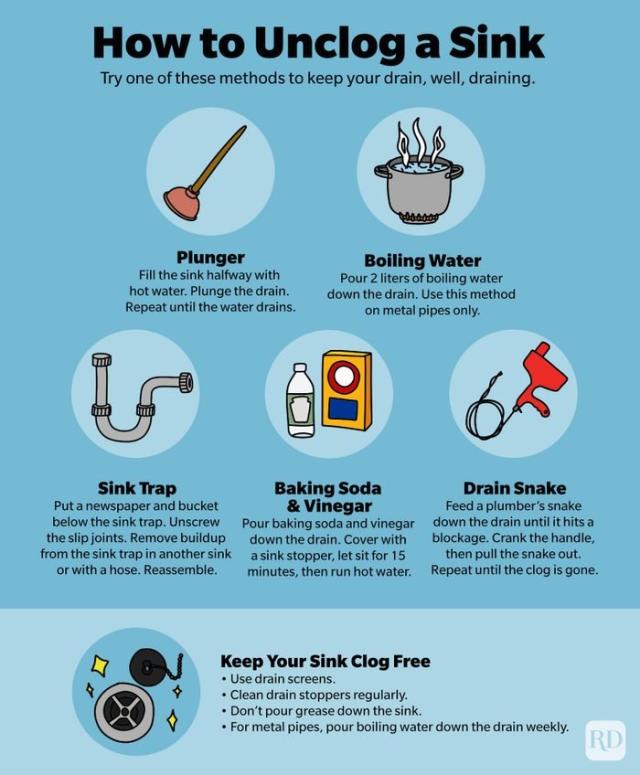
Credit: www.aol.com
Signs Of A Clogged Sink Drain
A clogged sink drain can cause many problems in your home. It slows down water flow and creates bad smells.
Knowing the signs of a clogged drain helps you fix the problem early. This stops bigger damage later.
Slow Draining Water
Water takes longer to go down the drain than usual. It may pool in the sink before draining.
This happens because debris or grease blocks the pipes. Slow draining is often the first sign of a clog.
Unpleasant Odors
A bad smell comes from the sink drain area. This smell may be sour or rotten.
Foul odors show that food or waste is stuck inside the drain. Bacteria grow and create the bad smell.
Gurgling Sounds
You hear bubbling or gurgling noises when water drains. These sounds come from trapped air in the pipes.
Gurgling means water flows unevenly. This often points to a partial clog in the drain line.
Water Backing Up
Water flows back into the sink after you drain it. It may even overflow if the clog is bad.
Backups happen because the water cannot pass through the blocked pipes. This needs quick attention.
Multiple Drains Clogging
More than one sink or drain in your home is slow or clogged. This shows a bigger pipe issue.
When several drains clog, the problem may be in the main sewer line. This needs professional help.
Essential Tools For Drain Cleaning
Cleaning sink drains is easier with the right tools. These tools help remove clogs and keep water flowing smoothly.
Using proper equipment saves time and prevents damage to your pipes. Here are the must-have tools for drain cleaning.
Plunger
A plunger creates suction to loosen blockages in the drain. It works well for minor clogs caused by food or hair.
Choose a plunger with a flat rim for sink drains. Use quick, strong pushes to clear the clog.
Drain Snake (auger)
A drain snake is a long, flexible tool that reaches deep into pipes. It breaks up or pulls out stubborn blockages.
Manual snakes are good for small jobs. Electric snakes work faster for tougher clogs.
Pipe Wrench
A pipe wrench helps loosen or tighten drain pipes under the sink. It is useful when you need to remove pipes to clear clogs.
Use a wrench that fits your pipe size to avoid slipping or damage.
Bucket
A bucket catches water and debris when you disconnect pipes. It keeps your work area clean and dry.
Use a large bucket to avoid spills during drain cleaning.
Gloves
Gloves protect your hands from dirty water and sharp objects. They keep you safe and clean while working on drains.
Choose waterproof gloves that fit well for better grip and comfort.
Drain Cleaning Brush
A drain cleaning brush scrubs away build-up inside the pipes. It helps remove grease, soap scum, and small debris.
Use brushes that fit your drain size for effective cleaning.
Natural Cleaning Solutions
Cleaning sink drains naturally is safe and effective. It helps avoid harsh chemicals.
These natural solutions clear clogs and remove bad smells. They are easy to use.
Baking Soda And Vinegar
Baking soda and vinegar create a fizzy reaction. This reaction helps break down grime.
Pour half a cup of baking soda into the drain. Then add half a cup of vinegar.
Wait 15 minutes, then flush with hot water. This cleans and freshens the drain.
Salt And Hot Water
Salt helps scrub away buildup inside the drain. Hot water melts grease and dirt.
Pour half a cup of salt down the drain. Follow with boiling hot water.
Let it sit for a few minutes. This loosens debris and clears blockages.
Lemon Juice Freshener
Lemon juice is natural and smells fresh. It also helps remove odors from drains.
Pour fresh lemon juice into the drain. Let it sit for 10 minutes.
Rinse with warm water to wash away residue. Your drain will smell clean and fresh.
Using A Plunger Effectively
Cleaning sink drains can be simple with the right tools. A plunger helps clear clogs fast.
Using a plunger correctly saves time and avoids damage to your sink pipes.
Prepare The Sink For Plunging
Remove any visible debris from the drain before using the plunger. Clear the sink area of dishes and objects.
Fill the sink with enough water to cover the plunger’s cup. Water helps create a tight seal and pressure.
Use The Right Plunger Type
Choose a cup plunger for sink drains. It has a simple rubber cup that fits well over flat surfaces.
A flange plunger works better for toilets but is less effective on sinks.
Create A Good Seal
Place the plunger cup directly over the drain opening. Press down gently to push out air and form a seal.
Make sure no water or air leaks around the edges of the plunger cup while you work.
Plunge With Controlled Force
Push down and pull up on the plunger in a steady rhythm. Avoid fast or jerky movements.
Repeat the plunging motion about 15 to 20 times to loosen the clog inside the drain.
Test Drain Flow After Plunging
Remove the plunger carefully and let the water drain. Check if the water flows freely.
If the sink drains slowly, repeat the plunging process until clear.
Snake Or Auger Techniques
Cleaning sink drains can be done using a snake or auger. These tools help clear clogs deep in the pipes.
They are simple to use and work well for tough blockages. This guide explains how to use them safely.
What Is A Drain Snake Or Auger?
A drain snake is a long, flexible metal wire. It can bend to fit through pipes and reach clogs.
An auger is a similar tool with a handle to turn the wire. It helps push or pull out the blockage.
Both tools work by breaking up or grabbing the clog to remove it from the drain.
How To Use A Drain Snake Or Auger
First, remove the drain cover or stopper. Then slowly feed the snake into the drain pipe.
Turn the handle clockwise to move the snake deeper. When you feel resistance, it means you reached the clog.
- Keep turning to break or grab the clog
- Pull the snake out carefully to remove debris
- Flush the drain with hot water after cleaning
Safety Tips For Using Snakes And Augers
Wear gloves to protect your hands from sharp parts and germs. Work slowly to avoid pipe damage.
If the snake feels stuck and will not move, do not force it. Forcing can break the pipe or tool.
- Use proper gloves and eye protection
- Do not use excessive force
- Stop if the snake does not move easily
Call a plumber if the clog stays after using a snake or auger. Some blockages need special tools.
Also, call a pro if you feel unsure about using the tool or if pipes are old and fragile.
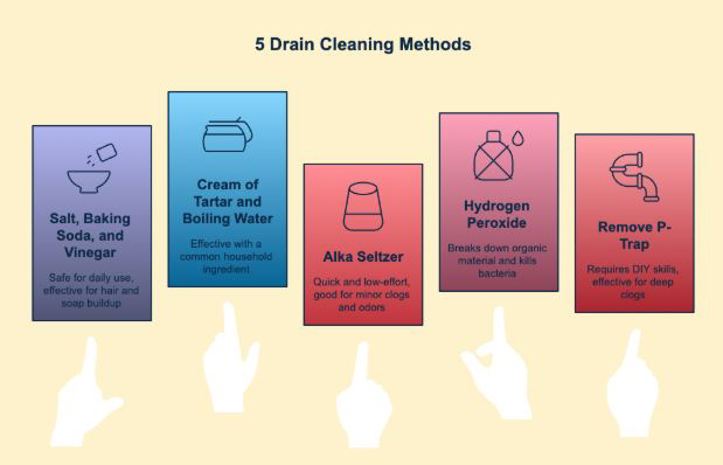
Credit: www.ars.com
Chemical Drain Cleaners
Chemical drain cleaners help clear clogged sink drains fast. They use strong ingredients to dissolve blockages.
These cleaners can remove hair, grease, and soap buildup. Use them carefully for best results.
When To Use Chemicals
Use chemical cleaners if water drains slowly or stops. They work well when natural methods fail.
Avoid chemicals if you see damage or leaks in your pipes. Use them only for simple clogs.
- Try natural cleaning first, like baking soda and vinegar
- Use chemicals for tough clogs after other methods fail
- Do not use chemicals on old or damaged pipes
Safety Precautions
Chemical drain cleaners can harm your skin and eyes. Always wear gloves and eye protection before use.
Keep chemicals away from children and pets. Use them in well-ventilated areas to avoid breathing fumes.
- Read and follow all label instructions carefully
- Wear rubber gloves and safety goggles
- Do not mix different chemical cleaners
- Keep children and pets away during use
- Flush drain with plenty of water after cleaning
Preventive Measures For Clog-free Drains
Keeping your sink drains clean helps avoid clogs and bad smells. Simple actions can keep water flowing smoothly.
Preventive care saves time and money by stopping blockages before they start. Follow easy tips to protect your drains.
Regular Maintenance Tips
Clean your sink drains often to stop buildup. Use natural cleaners like baking soda and vinegar monthly.
Flush drains with hot water after washing dishes. This helps remove grease and small debris.
- Pour half a cup of baking soda down the drain
- Add half a cup of vinegar and wait 15 minutes
- Flush with hot water to clear loosened grime
- Use a drain strainer to catch food and hair
- Remove visible debris regularly
Avoiding Common Mistakes
Do not pour grease or oil down the drain. These substances harden and cause blockages.
Avoid using harsh chemical cleaners often. They can damage pipes and harm the environment.
- Never flush coffee grounds or eggshells
- Do not use chemical drain openers frequently
- Avoid pouring large food scraps down the drain
- Stop flushing non-degradable items like wipes
- Check and clean drain strainers regularly
When To Call A Professional
Cleaning sink drains can be easy at times. Small clogs or slow drains often clear with home remedies.
Some problems need expert help. Knowing when to call a professional saves time and damage.
Persistent Clogs That Don’t Clear
If your sink stays clogged after trying usual cleaning methods, call a plumber. Persistent blockages may be deep or severe.
Using strong chemicals or force can harm your pipes. Professionals use special tools to fix tough clogs safely.
Foul Odors From The Drain
Bad smells from your drain might mean a bigger problem. It could be trapped debris or pipe damage.
Experts find the cause and clean the pipes fully. This stops odors and keeps your kitchen or bathroom fresh.
Water Backing Up Or Leaks
Water that backs up into the sink or leaks under it shows a drain problem. It might be a broken pipe or clog.
A plumber can check the drain system and fix leaks. Ignoring leaks can cause water damage and mold.
Repeated Clogs After Cleaning
If your sink clogs again soon after cleaning, there could be a larger issue. It might be a pipe alignment or root problem.
Professionals can inspect the whole drain line. They can find hidden problems and prevent future clogs.
Unusual Noises From The Drain
Gurgling or strange sounds from your sink drain are warning signs. These noises may mean trapped air or blockages.
Experts use tools to diagnose and fix these issues. Quiet drains work better and last longer.
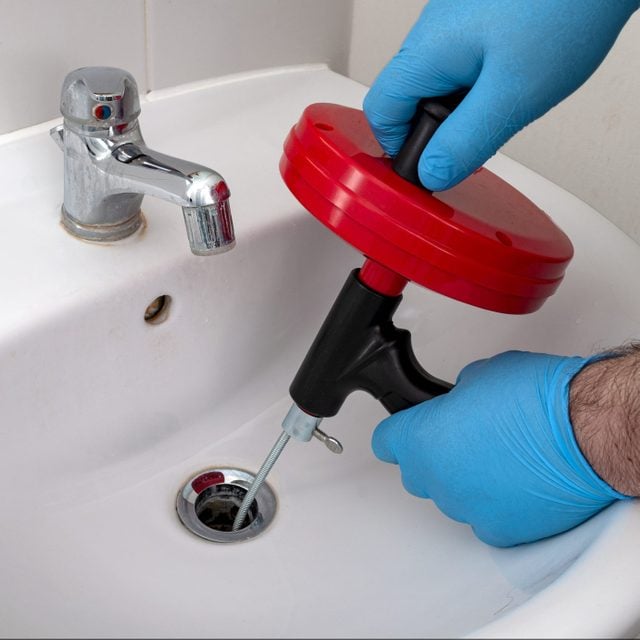
Credit: www.familyhandyman.com
Frequently Asked Questions
How Often Should You Clean Sink Drains?
Clean your sink drains every 1 to 2 months. Regular cleaning prevents clogs and bad odors. Frequent maintenance keeps your plumbing healthy and efficient.
What Natural Ingredients Clean Sink Drains Effectively?
Baking soda and vinegar are great natural cleaners. Pour baking soda, then vinegar, wait 15 minutes, and flush with hot water. This combo removes buildup and freshens drains safely.
Can Boiling Water Unclog Sink Drains?
Yes, boiling water can dissolve grease and soap buildup. Pour it slowly to avoid pipe damage. Use this method weekly to maintain clear drains.
Is Chemical Drain Cleaner Safe For Sink Drains?
Chemical cleaners can harm pipes and the environment. Use them sparingly and follow instructions carefully. Opt for natural methods when possible for safer cleaning.
Conclusion
Keeping sink drains clean helps prevent bad smells and clogs. Regular cleaning saves time and money on repairs. Use simple tools like baking soda and vinegar for best results. Avoid harsh chemicals that can damage pipes. A clean drain keeps your kitchen and bathroom fresh.
Small habits make a big difference over time. Start cleaning your drains regularly to enjoy a smoother flow. Simple steps lead to a cleaner, healthier home environment.