

Your refrigerator is one of the busiest spots in your kitchen, but when was the last time you gave its shelves and drawers a proper clean? Food spills, sticky residues, and hidden crumbs can build up quickly, making your fridge less fresh and even unsafe for your food.
Cleaning these areas might seem like a chore, but it’s easier than you think—and the payoff is huge. You’ll discover simple, step-by-step ways to clean your refrigerator shelves and drawers so your food stays fresher, your fridge smells better, and your kitchen feels more inviting.
Keep reading, and you’ll have a sparkling fridge in no time!
Preparation Steps
Cleaning refrigerator shelves and drawers keeps your food fresh. It also stops bad smells and spills.
Before you start, you need to prepare. This makes cleaning easier and safer.
Gather Cleaning Supplies
Collect all cleaning tools before you begin. This saves time and helps you clean better.
- Soft cloths or sponges
- Mild dish soap
- Warm water
- Baking soda (optional for tough stains)
- Spray bottle (for mixing soap and water)
- Dry towels
- Rubber gloves (to protect your hands)
Empty The Refrigerator
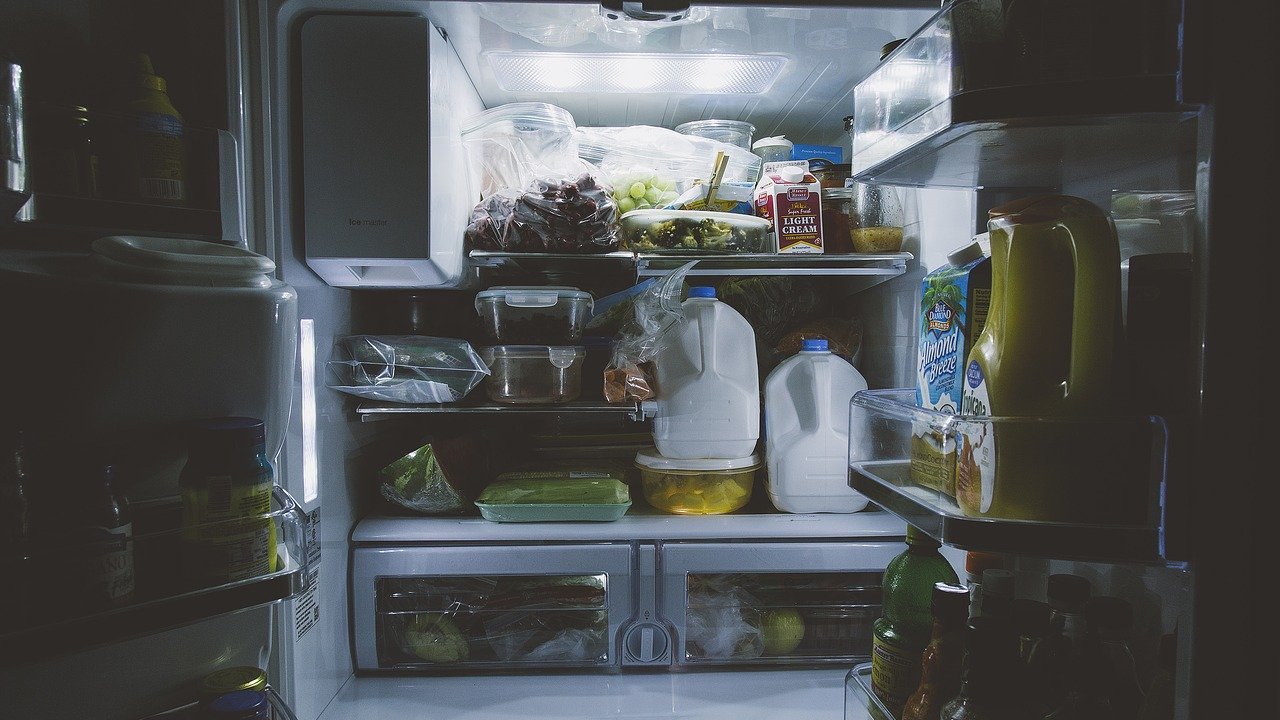
Take out all food items from your refrigerator. Check expiration dates and toss spoiled items.
Remove shelves and drawers carefully. Place them on a clean surface for washing.
Credit: utopia.org
Remove Shelves And Drawers
Cleaning your refrigerator shelves and drawers starts with removing them carefully. This allows you to clean each part thoroughly and avoid damage.
Follow simple steps to detach these parts safely and check for any problems before cleaning.
Detach Carefully
Remove shelves and drawers slowly to prevent cracks or breaks. Pull out drawers straight and tilt shelves gently if needed.
- Open the drawer fully before lifting it out.
- Hold shelves with both hands to keep them balanced.
- Check for clips or locks that hold shelves in place.
- Do not force any part if it feels stuck.
Check For Cracks Or Damage
Look over each shelf and drawer for cracks or other damage. Damaged parts can leak or break more during cleaning.
| Part | Check For | Action |
| Shelves | Cracks, chips, loose clips | Replace if broken |
| Drawers | Cracks, broken handles, warping | Repair or replace |
| Seals | Wear, tears, dirt buildup | Clean or replace as needed |
Cleaning Solutions
Cleaning your refrigerator shelves and drawers keeps your food safe. Using the right solutions helps remove dirt and bacteria.
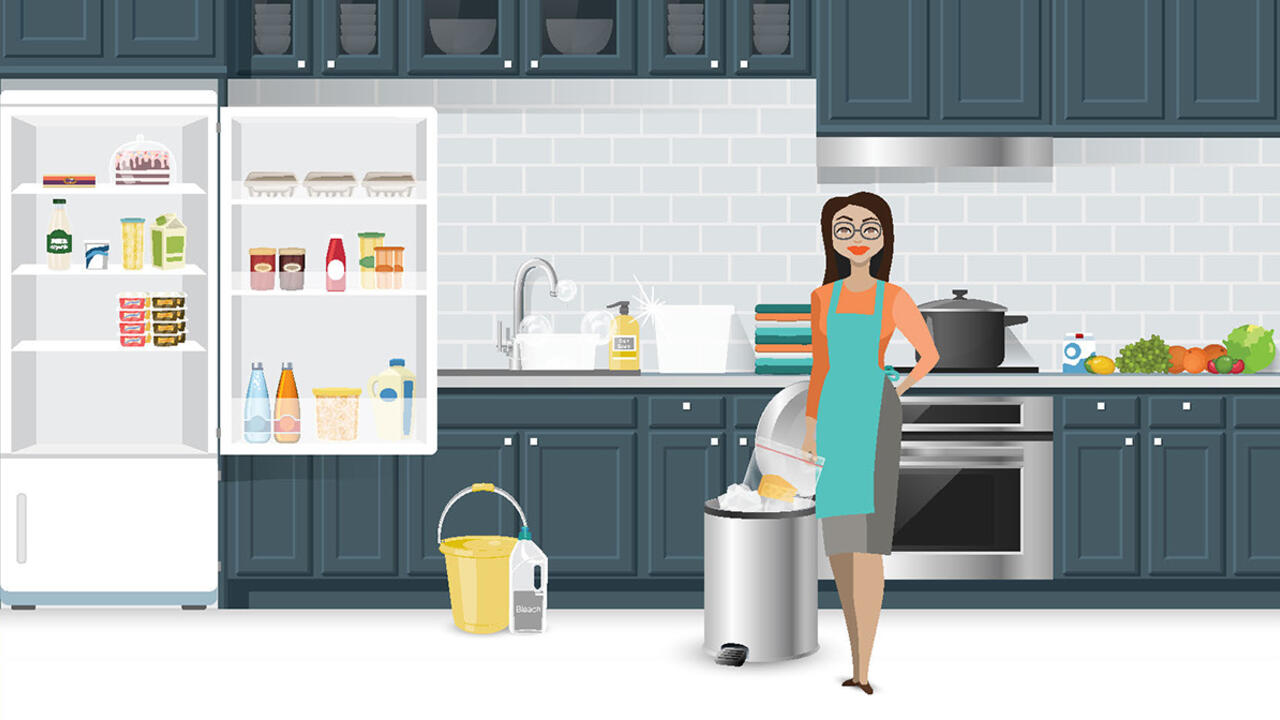
There are many options for cleaning solutions. You can use homemade cleaners or commercial products. Both types work well if used properly.
Homemade Cleaners
Homemade cleaners use simple ingredients you find at home. They are safe and cost less than store-bought products.
- Mix equal parts of water and white vinegar in a spray bottle.
- Add a few drops of dish soap for extra cleaning power.
- Use baking soda paste by mixing baking soda with water for tough stains.
- Rinse shelves and drawers well after cleaning to remove residue.
Commercial Products
Commercial products are made for cleaning refrigerators safely. They often contain disinfectants to kill bacteria and germs.
| Product Type | Purpose | Notes |
| All-purpose cleaner | Removes dirt and grease | Use on shelves and drawers |
| Disinfectant spray | Kills bacteria and germs | Let sit before wiping |
| Glass cleaner | For glass shelves | Leaves no streaks |
Credit: extension.msstate.edu
Cleaning Process
Cleaning refrigerator shelves and drawers keeps your food safe and fresh. Dirt and spills can hide germs and odors.
Follow simple steps to clean each part properly. Use common household items and gentle scrubbing.
Washing Shelves
Remove the shelves from the fridge carefully. Place them in the sink or a large basin for cleaning.
- Use warm water mixed with mild dish soap.
- Soak the shelves for a few minutes to loosen stuck food.
- Gently wipe with a soft sponge or cloth.
- Rinse with clean water to remove soap residue.
- Dry the shelves with a clean towel before putting them back.
Scrubbing Drawers
Take out the drawers and empty all contents. Scrub them with care to avoid scratches.
| Material | Cleaning Tip |
| Plastic | Use soft sponge and mild soap. Avoid harsh scrubbers. |
| Glass | Use glass cleaner or vinegar solution. Dry with lint-free cloth. |
| Metal | Use baking soda paste for stains. Rinse well and dry quickly. |
Drying Techniques
After cleaning refrigerator shelves and drawers, drying is important. Drying helps stop mold and odors.
There are simple ways to dry these parts well. You can use air drying or towels to dry them fast.
Air Drying
Air drying is the easiest way to dry shelves and drawers. Just place them in a clean, dry area.
Make sure the place has good airflow. This helps water evaporate quickly and stops bacteria from growing.
- Place shelves on a drying rack or clean towel
- Keep them in a well-ventilated room
- Do not stack parts until fully dry
- Air drying may take a few hours
Using Towels
Towels can speed up the drying process. Use a clean, dry towel to wipe the parts after washing.
Choose soft towels to avoid scratches. Pat the surfaces gently to remove water without damage.
- Use microfiber or cotton towels for best results
- Wipe all corners and crevices carefully
- Change towels if they become too wet
- Finish by letting parts air dry for a few minutes

Credit: www.espares.co.uk
Reassemble And Organize
After cleaning, putting the shelves and drawers back correctly is important. This keeps your refrigerator neat and works well. Organizing items helps you find food easily and keeps it fresh longer.
Follow simple steps to replace parts carefully and arrange your items smartly. This saves time and prevents damage to your fridge components.
Replace Shelves And Drawers
Make sure each shelf and drawer fits into its place without force. Check that all parts are dry before replacing to avoid moisture buildup.
- Start with the bottom drawer. Slide it gently into the tracks.
- Place each shelf in its original slot. Align the edges carefully.
- Secure any clips or fasteners that hold shelves in place.
- Double-check that all parts are stable and do not wobble.
Organize Refrigerator Items
Organizing food helps keep it fresh and easy to find. Use clear bins or labels to group similar items together.
| Section | Best Items to Store | Tips |
|---|---|---|
| Top Shelf | Leftovers, ready-to-eat foods | Use clear containers for visibility |
| Middle Shelf | Dairy products like milk and cheese | Keep items in original packaging |
| Bottom Shelf | Raw meat and fish | Store in sealed containers to avoid leaks |
| Drawers | Fruits and vegetables | Adjust humidity settings if possible |
| Door Shelves | Condiments, drinks, eggs | Avoid storing milk here as temperature varies |
Maintenance Tips
Keeping your refrigerator shelves and drawers clean helps food stay fresh. It also stops bad smells and germs.
Regular care makes your fridge work well and last longer. Use simple steps to keep it neat and safe.
Regular Cleaning Schedule
Clean your refrigerator shelves and drawers every two weeks. This stops spills and crumbs from building up.
Remove all items and wash surfaces with warm, soapy water. Dry them well before putting back.
- Take out all food and check expiry dates
- Use mild detergent and a soft cloth or sponge
- Rinse with clean water and dry completely
- Clean spills immediately to avoid stains
- Wipe the fridge door seals carefully
Preventive Measures
Prevent messes by storing food in sealed containers. This stops leaks and keeps food fresh longer.
Check for spoiled food often. Throw out anything that looks or smells bad to avoid contamination.
- Use clear containers to see food easily
- Label items with date of storage
- Keep raw meat in separate drawers or trays
- Clean spills right away to prevent stains
- Do not overload shelves to allow air flow
Frequently Asked Questions
How Often Should I Clean Refrigerator Shelves And Drawers?
Clean your refrigerator shelves and drawers every 1 to 2 months. Regular cleaning prevents bacteria buildup and food odors. Wipe spills immediately to maintain freshness. This habit ensures a hygienic and organized fridge.
What Is The Best Cleaning Solution For Refrigerator Shelves?
Use a mixture of warm water and mild dish soap. Avoid harsh chemicals that may damage shelves or leave residues. White vinegar diluted in water also works well to disinfect and deodorize surfaces safely.
Can I Remove Shelves And Drawers For Cleaning?
Yes, most refrigerator shelves and drawers are removable. Carefully take them out before cleaning. This allows thorough washing and drying. Always follow your fridge manual for safe removal instructions.
How Do I Prevent Mold On Refrigerator Drawers?
Keep drawers dry and clean spills promptly. Regularly check for expired food items. Use baking soda boxes inside the fridge to absorb moisture and odors. Proper ventilation inside helps reduce mold growth.
Conclusion
Cleaning refrigerator shelves and drawers keeps food fresh and safe. Regular cleaning stops bad smells and sticky messes. Use mild soap and warm water for best results. Take out shelves and drawers carefully to clean well. Dry everything before putting it back inside.
Small steps make a big difference in kitchen hygiene. A clean fridge saves time and prevents waste. Try to clean it once every few weeks. Simple habits keep your fridge neat and healthy.