
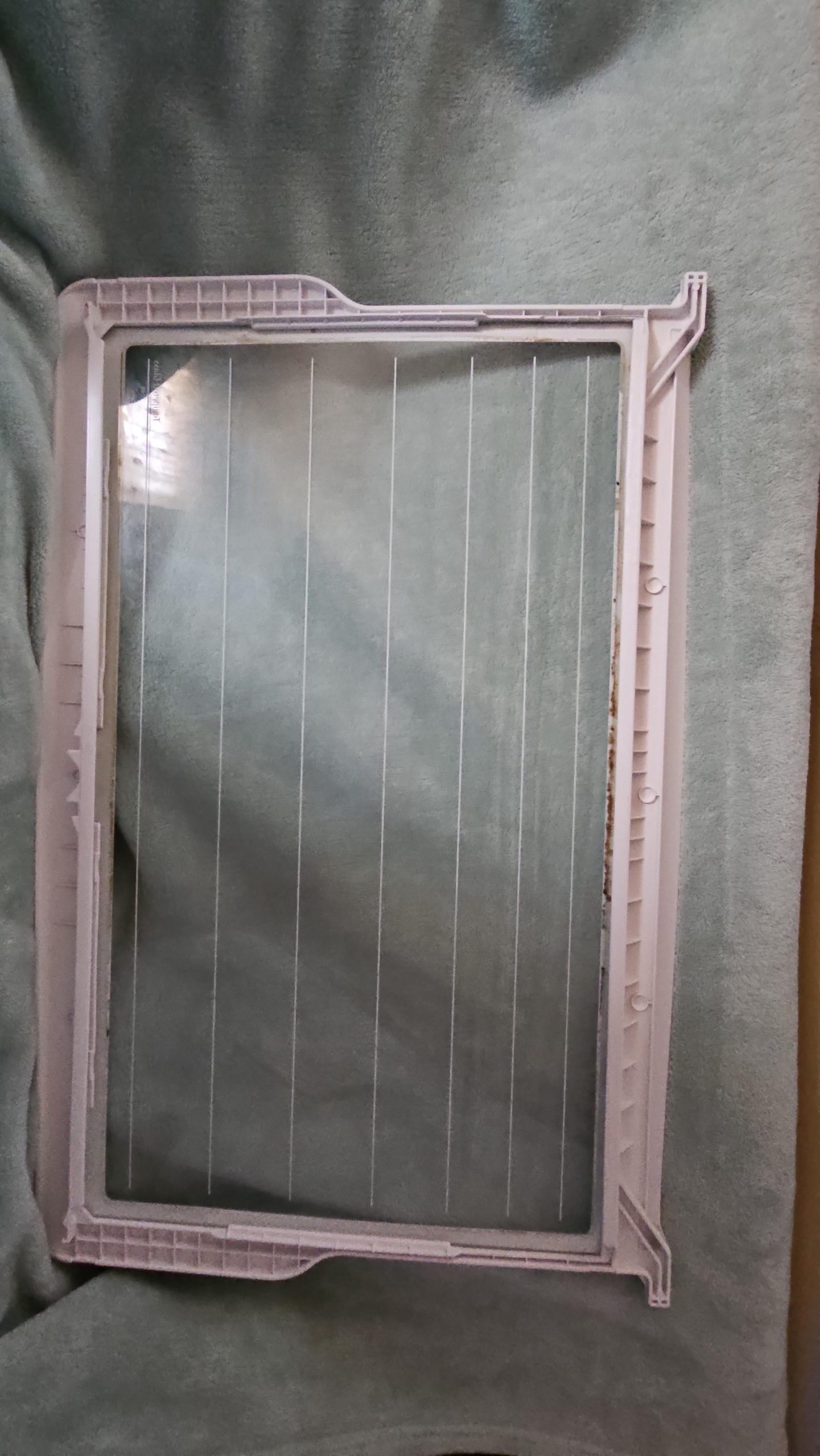
Is your refrigerator starting to look messy or sticky? Cleaning your refrigerator shelves might seem like a chore, but it’s easier than you think—and it can make a big difference in keeping your food fresh and your kitchen smelling great.
Imagine opening your fridge to find spotless, sparkling shelves that make you want to cook more and waste less. You’ll discover simple, effective steps to clean your refrigerator shelves quickly and safely. Keep reading to transform your fridge into a cleaner, healthier space you’ll love.
Preparation
Cleaning your refrigerator shelves keeps your food safe and fresh. Preparing well makes the process easier and faster.
Start by gathering all the things you need. Then clear out the fridge to clean it properly.
Gather Cleaning Supplies
Collect all the tools and cleaners before you begin. This saves time and prevents interruptions.
- Warm water
- Mild dish soap
- Sponge or soft cloth
- Baking soda (optional for odors)
- Trash bag for spoiled food
- Dry towel or paper towels
- Spray bottle (for water or cleaner)
Empty The Refrigerator
Take all food and items out of the fridge. Check for expired or spoiled food and throw it away.
| Food Type | Check for | Action |
| Dairy | Expired date, bad smell | Discard if spoiled |
| Fruits and Vegetables | Soft spots, mold | Throw away if damaged |
| Meat and Fish | Color change, smell | Dispose if not fresh |
| Leftovers | Older than 3-4 days | Discard to avoid bacteria |

Credit: www.nextgenliving.us
Removing Shelves
Cleaning refrigerator shelves starts with removing them safely. Shelves can be glass or plastic, and they need careful handling.
This guide helps you detach shelves without damage. Follow simple steps to protect your shelves and yourself.
Detach Shelves Carefully
First, empty the shelves and clear the area. Check how shelves are fixed before pulling them out.
- Open the fridge door fully for space.
- Locate the shelf supports or clips.
- Lift the shelf gently to release it.
- Pull the shelf out slowly without tilting.
- Place the shelf on a flat, stable surface.
Do not force shelves if stuck. Check for extra clips or locks that may hold shelves in place.
Handle Glass And Plastic Safely
Glass shelves can break easily. Plastic shelves may crack if dropped. Handle both types with care.
| Material | Handling Tips |
|---|---|
| Glass | Hold with both hands, avoid sharp impacts |
| Plastic | Support the shelf fully, do not bend |
| All | Place on soft cloth when cleaning or storing |
Wearing gloves can improve grip and protect your hands from cuts or scratches.
Cleaning Solutions
Keeping refrigerator shelves clean helps keep food fresh and safe. Choosing the right cleaning solution makes the job easier.
There are natural cleaners and store-bought options. Each type has its own benefits and uses for fridge shelves.
Natural Cleaners
Natural cleaners use simple ingredients you may already have at home. They are gentle and safe for most surfaces.
- Mix equal parts water and white vinegar in a spray bottle.
- Use baking soda paste for tough stains by mixing with water.
- Lemon juice works well to remove odors and add freshness.
- Castile soap diluted with water can clean shelves without harsh chemicals.
Store-bought Options
Store-bought cleaners are designed for kitchen use and often kill germs. Read labels to ensure they are safe for fridge shelves.
| Cleaner Type | Use | Safety Notes |
| Multi-surface spray | Quick cleaning of shelves and walls | Check for food-safe label |
| Disinfectant wipes | Remove germs on handles and edges | Avoid direct food contact |
| Glass cleaner | Clean glass shelves and doors | Use sparingly, avoid plastic parts |

Credit: www.reddit.com
Washing Shelves
Cleaning refrigerator shelves keeps your fridge fresh and safe. Removing dirt and spills stops bacteria and odors.
Take out the shelves carefully before washing them. This makes cleaning easier and more effective.
Soak In Warm Soapy Water
Fill your sink with warm water and add dish soap. Soak the shelves for at least 15 minutes. This loosens stuck food and grease.
- Use a large basin or the sink
- Mix warm water with mild dish soap
- Place shelves carefully in the water
- Let them soak without rushing
- Remove shelves when dirt feels soft
Scrubbing Techniques For Stains
Use a soft sponge or cloth to scrub the shelves. Focus on sticky spots and stains. Avoid sharp tools that can scratch the surface.
| Tool | Use | Notes |
| Sponge | General cleaning | Soft and safe for all shelves |
| Old toothbrush | Hard-to-reach corners | Good for grooves and edges |
| Baking soda paste | Stubborn stains | Mix baking soda with water before use |
| Microfiber cloth | Final wipe | Removes residue without scratching |
Drying Methods
Cleaning refrigerator shelves is important to keep your fridge fresh. Drying them properly stops mold and bad smells.
Two common ways to dry shelves are air drying and towel drying. Each method has its benefits and things to watch out for.
Air Dry Vs. Towel Dry
Air drying lets shelves dry naturally after washing. Towel drying uses a clean cloth to wipe off water quickly.
- Air Dry:No effort needed, but can take hours.
- Towel Dry:Fast drying, but needs a clean towel to avoid germs.
- Air Dry:Best for plastic shelves that dry fast.
- Towel Dry:Works well for glass shelves to avoid water spots.
Avoiding Moisture Traps
Moisture traps can cause mold and bad odors inside your fridge. Check corners and seals carefully.
| Problem Area | What to Do |
| Door seals | Wipe dry and check for cracks |
| Shelf edges | Dry thoroughly with a towel |
| Drawer bottoms | Remove and air dry completely |
| Under shelves | Check for leftover water and dry |
Reassembling
After cleaning, it is important to put the refrigerator shelves back correctly. This keeps your fridge organized and safe.
Take your time to check each part before reassembling. Proper care helps the shelves fit well and last longer.
Inspect For Residual Dirt
Look closely at each shelf for leftover dirt or stains. Clean any spots you missed before putting shelves back.
Check corners and edges where grime can hide. Use a soft cloth or sponge to remove any residue.
Reinstalling Shelves Properly
Place shelves into their original slots carefully. Make sure they sit firmly and do not wobble.
- Match each shelf with its correct position
- Slide shelves gently to avoid damage
- Test stability by pressing lightly on shelves
- Adjust if shelves feel loose or uneven
Maintaining Cleanliness
Keeping your refrigerator shelves clean helps food stay fresh longer. It also stops bad smells and germs from building up.
Regular cleaning is simple and keeps your fridge safe for your food. Here are some tips to follow.
Regular Cleaning Schedule
Clean your refrigerator shelves every two weeks. This prevents spills from turning into stains. Remove all items before cleaning.
- Take out all food and containers.
- Remove shelves and drawers if possible.
- Wash shelves with warm soapy water.
- Dry shelves completely before putting them back.
- Wipe inside the fridge with a damp cloth.
Tips To Prevent Future Stains
Prevent stains by organizing and protecting your food containers. This reduces mess and makes cleaning easier.
| Tip | How It Helps |
| Use airtight containers | Stops spills and odors |
| Clean spills immediately | Prevents stains from setting |
| Line shelves with paper towels | Makes wiping quick and easy |
| Check food expiration dates | Reduces spoilage and leaks |

Credit: www.reddit.com
Frequently Asked Questions
How Often Should I Clean Refrigerator Shelves?
Clean refrigerator shelves every 1 to 3 months. Frequent cleaning prevents bacteria growth and odors. Wipe spills immediately to maintain freshness and hygiene.
What Is The Best Cleaner For Refrigerator Shelves?
Use a mild dish soap mixed with warm water. Avoid harsh chemicals that can damage shelves or leave residues. Natural solutions like vinegar and baking soda work well too.
Can I Remove Refrigerator Shelves For Cleaning?
Yes, most refrigerator shelves are removable. Carefully take them out before cleaning. This allows thorough washing and easier drying to avoid moisture buildup.
How Do I Prevent Odors On Refrigerator Shelves?
Regularly clean shelves and wipe spills promptly. Store food in airtight containers. Use baking soda inside the fridge to absorb lingering smells.
Conclusion
Cleaning refrigerator shelves keeps your fridge fresh and safe. Regular cleaning stops germs and spills from building up. Use mild soap and warm water for best results. Take shelves out carefully and dry them well before placing back. Clean shelves help your food stay fresh longer.
Make shelf cleaning a part of your routine. A clean fridge makes your kitchen healthier and more pleasant. Easy steps, big benefits. Try it today!