
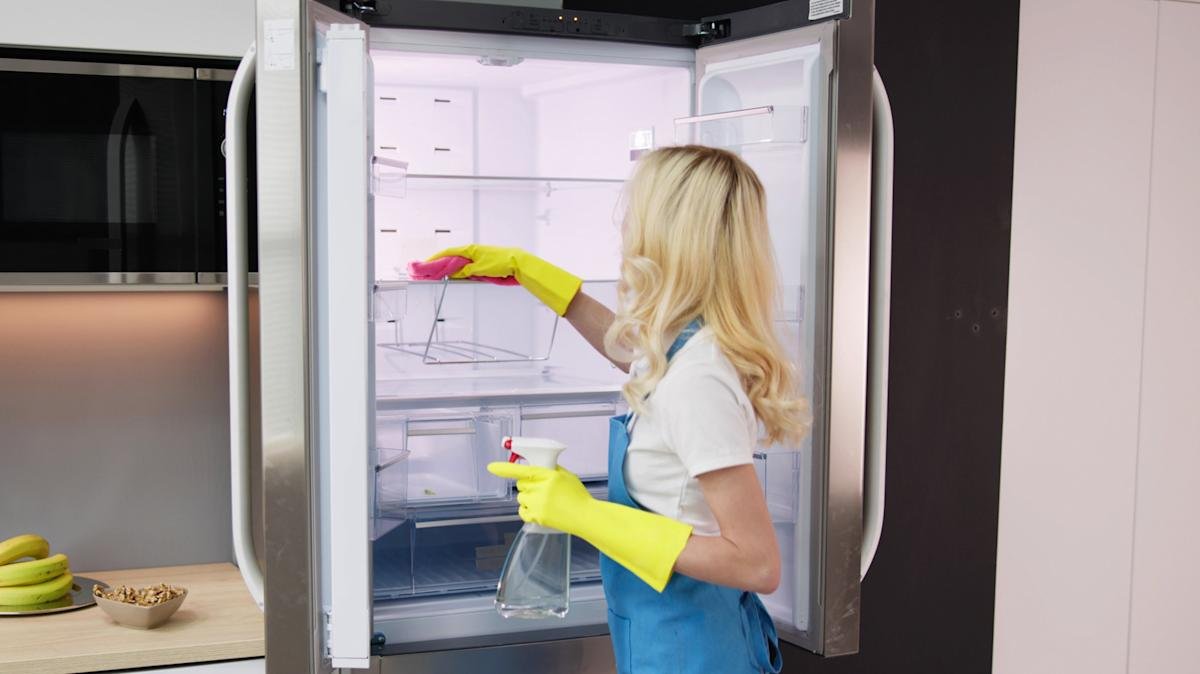
Is your refrigerator starting to smell a little off or looking messy inside? Cleaning your refrigerator interior thoroughly isn’t just about keeping it looking fresh—it helps keep your food safe and your kitchen healthier.
But where do you start, and how can you make sure every corner is spotless without wasting time? In this guide, you’ll discover simple steps and smart tips that make cleaning your fridge easier and faster than you think. Keep reading, and you’ll feel confident turning your fridge into a clean, fresh space you’ll be proud of.
Gather Necessary Supplies
Cleaning your refrigerator’s interior needs the right tools. Preparing supplies makes the job easier and faster.
Gather everything before you start. This helps avoid interruptions and keeps the process smooth.
Cleaning Solutions
Choose safe and effective cleaning solutions. Mild detergents and natural options work well without harming surfaces.
- Warm water with dish soap
- White vinegar diluted with water
- Baking soda paste for stains
- Commercial refrigerator cleaner (optional)
Cleaning Tools
Use tools that can reach every corner. Soft cloths and brushes help clean without scratching.
| Tool | Purpose |
| Microfiber cloths | Wipe surfaces and dry after cleaning |
| Soft scrub brush | Remove tough stains and dirt |
| Sponges | Clean shelves and drawers gently |
| Spray bottle | Apply cleaning solution evenly |
| Rubber gloves | Protect hands from cleaning agents |
Additional Supplies
Extra items can make cleaning easier and more organized.
- Trash bag for expired food
- Small container for screws or parts
- Flashlight to see inside dark corners

Credit: www.lisabronner.com
Prepare The Refrigerator
Cleaning your refrigerator inside starts with good preparation. This step makes the cleaning easier and safer.
Take time to get everything ready before you begin scrubbing the shelves and walls.
Unplug The Appliance
Always unplug the refrigerator before cleaning. This stops the appliance from using electricity. It also keeps you safe from electric shocks.
Unplugging lets the fridge defrost if there is any ice buildup inside. This step is important for deep cleaning.
Remove All Contents
Take out every item from the fridge. This includes food, drinks, and containers.
- Check expiration dates and throw away old food
- Put perishable items in a cooler to keep them cold
- Remove shelves and drawers carefully for separate cleaning
- Wipe spills or crumbs from containers before putting them aside
Clean Removable Parts
Cleaning the inside of your refrigerator means removing shelves and drawers. This helps you clean every corner well. Taking them out makes it easier to wash and dry them properly.
Be careful when removing parts. Some shelves or drawers might be fragile. Handle them gently to avoid breakage.
Wash Shelves And Drawers
Use warm water and mild soap to clean shelves and drawers. Avoid harsh chemicals as they can damage plastic parts. A sponge or soft cloth works best to remove stains and spills.
- Fill the sink with warm water and add a few drops of dish soap.
- Place shelves and drawers in the water and let them soak for 10 minutes.
- Scrub gently with a soft sponge or cloth to remove dirt.
- Rinse each part with clean water to remove soap residue.
- Check for any stubborn spots and scrub carefully if needed.
Dry And Set Aside
Dry all parts completely before putting them back. Moisture can cause mold or odors inside the fridge. Use a clean towel or let them air dry on a rack.
| Drying Method | Details |
|---|---|
| Towel Dry | Use a clean, dry towel to wipe all surfaces thoroughly. |
| Air Dry | Place parts on a drying rack or clean surface for at least 30 minutes. |
Wipe Down Interior Surfaces
Cleaning the inside of your refrigerator keeps it fresh and safe for food. Wiping down surfaces removes spills and stains.
Regular cleaning also helps stop bad smells and bacteria from growing inside your fridge.
Use A Suitable Cleaner
Choose a cleaner that is safe for food areas and will not harm your fridge’s surfaces. Mild soap mixed with warm water works well.
Avoid harsh chemicals that can damage plastic or metal parts. Vinegar diluted with water also cleans well and smells fresh.
Focus On Hard-to-reach Areas
Small spaces like door seals and corners collect dirt and crumbs. Use a soft brush or old toothbrush to clean these spots.
Remove shelves and drawers if possible. Clean under and behind them to get rid of hidden grime and spills.
- Check door gaskets carefully for mold or food bits
- Use a damp cloth for tight corners
- Dry all parts before putting them back
Address Stubborn Stains And Odors
Cleaning the inside of your refrigerator helps keep food fresh and safe. Stubborn stains and bad smells can be hard to remove.
Using simple ingredients like baking soda and vinegar can clean well and remove odors without harsh chemicals.
Use Baking Soda Paste
Baking soda paste works great on tough stains inside your fridge. It gently scrubs without scratching surfaces.
Mix baking soda with a little water to make a thick paste. Apply it to the stained areas and let it sit for 10 minutes.
- Mix 3 parts baking soda with 1 part water.
- Apply paste on stains with a soft cloth or sponge.
- Let it sit for 10 minutes to break down grime.
- Wipe clean with a damp cloth.
- Dry the area with a towel.
Apply Vinegar Solution
Vinegar kills odor-causing bacteria and removes sticky residues. It is safe and natural for cleaning your fridge.
Mix equal parts white vinegar and water in a spray bottle. Spray inside surfaces and wipe with a clean cloth.
- Mix 1 cup white vinegar with 1 cup water.
- Spray solution on fridge shelves and walls.
- Let it sit for 5 minutes to kill bacteria.
- Wipe with a soft cloth or sponge.
- Air dry or wipe dry with a towel.
Clean Refrigerator Seals
Cleaning the seals of your refrigerator keeps cold air inside. It also stops dirt and mold from building up.
Well-maintained seals help your fridge work better and last longer.
Inspect And Clean Gaskets
Check the rubber gaskets around the fridge doors. Dirt and crumbs can collect there and cause damage.
- Use warm soapy water and a soft cloth to wipe the seals.
- Dry the gaskets well with a clean towel.
- Remove any sticky residue carefully.
- Clean regularly to prevent mold growth.
Check For Damages
Look closely at the seals for cracks or tears. Damaged seals let cold air escape.
| Damage Type | Effect | Action |
| Cracks | Cold air leaks out | Replace gasket |
| Tears | Seal does not close properly | Repair or replace |
| Loose seal | Door does not shut tight | Adjust or replace |
Reassemble And Restock
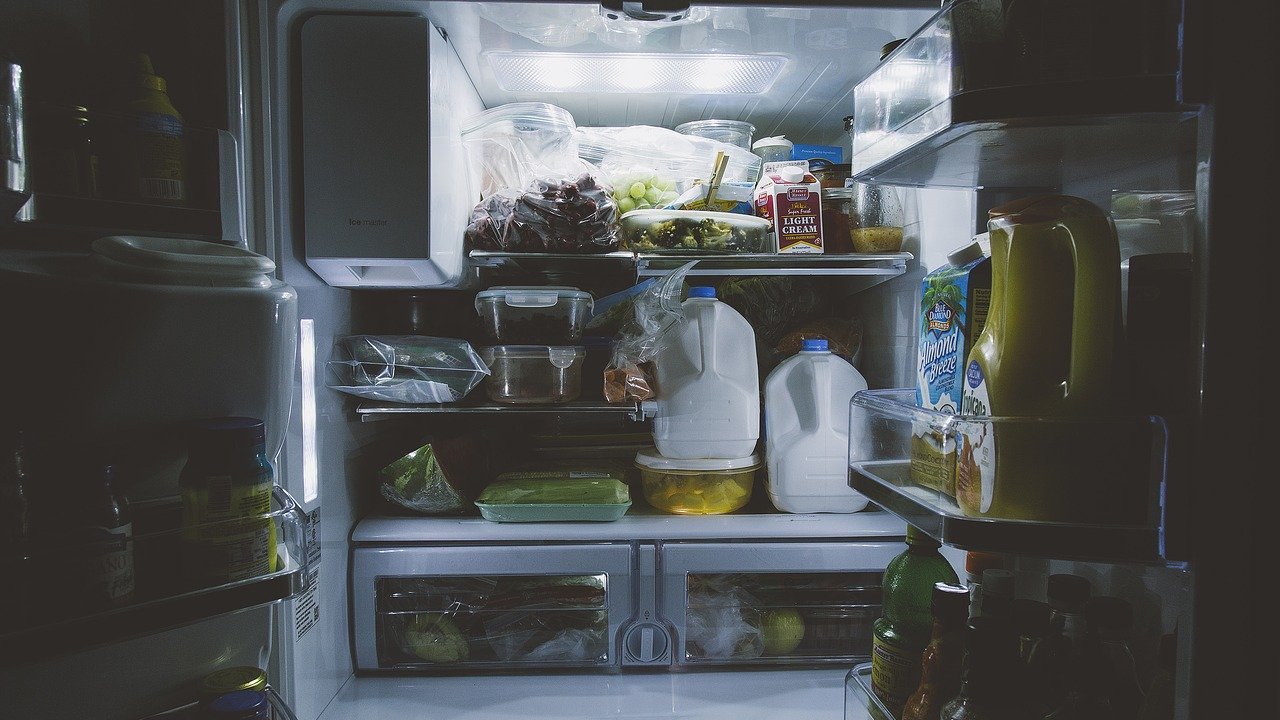
After cleaning your refrigerator interior, it is time to put everything back. Proper reassembly and restocking keep your fridge organized and efficient.
Take care to place items in the right spots. This helps keep food fresh longer and makes it easier to find what you need.
Organize Food Items
Sort your food items by type and use-by dates. Group similar items together for quick access.
- Place dairy products on the middle shelves
- Store raw meat on the bottom shelf to avoid drips
- Keep fruits and vegetables in separate drawers
- Use clear bins to group small items like sauces and snacks
- Label leftovers with dates to track freshness
Adjust Temperature Settings
Set your refrigerator and freezer to the correct temperatures. This stops bacteria growth and keeps food safe.
| Compartment | Recommended Temperature |
| Refrigerator | 35°F to 38°F (1.7°C to 3.3°C) |
| Freezer | 0°F (-18°C) |
Credit: utopia.org

Credit: www.espares.co.uk
Frequently Asked Questions
How Often Should I Clean My Refrigerator Interior?
Clean your refrigerator interior every 3 to 4 months. Regular cleaning prevents odors, bacteria growth, and food contamination. Wipe spills immediately to maintain hygiene. Frequent cleaning extends your appliance’s lifespan and keeps food fresh and safe.
What Is The Best Cleaning Solution For Refrigerators?
Use a mixture of warm water and mild dish soap. Alternatively, use a solution of equal parts water and white vinegar. These options are safe, effective, and non-toxic, ensuring thorough cleaning without damaging refrigerator surfaces.
How Do I Remove Stubborn Stains Inside The Fridge?
Apply baking soda paste on stains and let it sit for 10 minutes. Scrub gently with a soft cloth or sponge. Rinse with warm water and dry with a clean towel. Baking soda effectively lifts stains without harsh chemicals.
Can I Use Bleach To Clean Refrigerator Interiors?
Avoid using bleach as it can damage surfaces and leave harmful residues. Stick to mild cleaners like vinegar or dish soap for safe and effective cleaning. Always rinse thoroughly to prevent chemical odors in your fridge.
Conclusion
Cleaning your refrigerator interior keeps food fresh and safe. Regular cleaning stops bad smells and mold growth. Use simple tools like cloths and mild soap. Take time to remove all shelves and drawers for better cleaning. Dry everything well before putting items back inside.
A clean fridge saves money by reducing food waste. Make cleaning a habit every few months. Your fridge will look nice and work better. Simple steps, big benefits. Easy to do, worth the effort.