
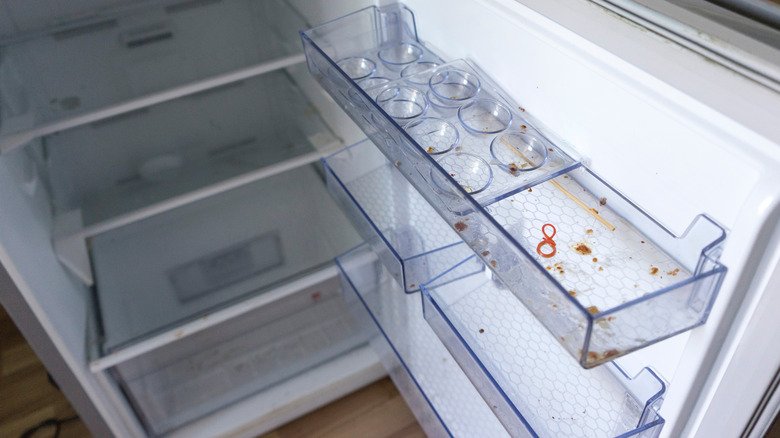
Is your refrigerator looking a little messy inside? Cleaning the interior shelves might seem like a chore, but it’s easier than you think.
You spend a lot of time opening your fridge, so keeping it fresh and spotless matters. Imagine reaching in and finding everything neat, with no spills or sticky spots. In this guide, you’ll discover simple steps to make your fridge shelves shine quickly and safely.
Ready to transform your fridge into a clean, organized space? Let’s get started!

Credit: www.espares.co.uk
Preparation Steps
Cleaning the inside shelves of your refrigerator keeps it fresh and safe. Proper preparation makes the job easier and faster.
Follow these steps to get ready before you start cleaning your fridge shelves.
Empty The Refrigerator
Take out all food and drinks from your refrigerator. This gives you clear access to the shelves and prevents spills.
Check for expired or spoiled items and throw them away to avoid bad smells.
Gather Cleaning Supplies
Collect all cleaning tools and products before you start. This keeps everything within reach and saves time.
- Mild dish soap
- Warm water
- Sponge or soft cloth
- Clean towels
- Optional: baking soda for odors
Ensure Power Safety
Unplug your refrigerator before cleaning to avoid electrical hazards. This also helps save energy while cleaning.
If unplugging is not possible, be careful not to let water touch any electrical parts inside the fridge.
Removing Shelves And Drawers
Cleaning your refrigerator shelves and drawers helps keep your fridge fresh and hygienic. Removing these parts is simple if you follow the right steps carefully.
Before cleaning, make sure you know how to detach each piece without causing damage. Some shelves and drawers slide out easily, while others may require a little more care.
Detach Removable Parts
Start by emptying the shelves and drawers. Then, gently pull the shelves forward. Most shelves slide out smoothly, but some may need to be lifted slightly before removal.
- Remove all food items from shelves and drawers.
- Check if the shelf has clips or stops that block sliding.
- Lift or press clips as needed to release the shelf.
- Slide shelves and drawers out slowly to avoid damage.
- Place removed parts on a soft surface to prevent scratches.
Handle Glass And Plastic Carefully
Many refrigerator shelves are made of glass or plastic. These materials can break or crack easily. Always handle them with care during removal and cleaning.
| Material | Handling Tips |
|---|---|
| Glass Shelves | Support the shelf from the bottom with both hands. Avoid sudden movements. |
| Plastic Drawers | Hold firmly but gently. Do not use sharp tools to pry them out. |
| Seals and Gaskets | Clean with a soft cloth. Avoid stretching or pulling hard. |
Cleaning Solutions
Keeping your refrigerator shelves clean helps keep your food fresh and safe. Choosing the right cleaning solution makes the job easier and more effective.
This guide covers homemade cleaning mixtures and commercial products for cleaning refrigerator interior shelves.
Homemade Cleaning Mixtures
Homemade mixtures use simple ingredients found in most kitchens. They are safe and gentle for most refrigerator surfaces.
- Mix 1 tablespoon of baking soda with 1 quart of warm water for a mild cleaner.
- Combine equal parts white vinegar and water to remove stains and odors.
- Use lemon juice diluted with water to add a fresh scent and cut grease.
- Soap water made from a few drops of dish soap in warm water helps remove sticky residue.
Commercial Products
Commercial cleaners made for refrigerators offer strong cleaning power. They often come with antibacterial properties.
| Product Type | Use | Notes |
| All-purpose cleaner | General cleaning of shelves and walls | Check for fridge-safe label |
| Disinfectant spray | Kills germs and bacteria | Use on dry surfaces, rinse if needed |
| Glass cleaner | Cleaning glass shelves | Avoid harsh chemicals to prevent damage |
| Foaming kitchen cleaner | Removes grease and tough stains | Rinse thoroughly after use |
Cleaning Process
Keeping your refrigerator shelves clean helps maintain food safety. A clean fridge also prevents odors and keeps your appliance working well.
Follow these simple steps to clean the interior shelves and drawers effectively and safely.
Washing Shelves And Drawers
First, remove all shelves and drawers carefully. Use warm water and mild soap to wash each part. Avoid harsh chemicals that can damage surfaces.
- Fill a basin with warm water and dish soap
- Soak shelves and drawers for 10 to 15 minutes
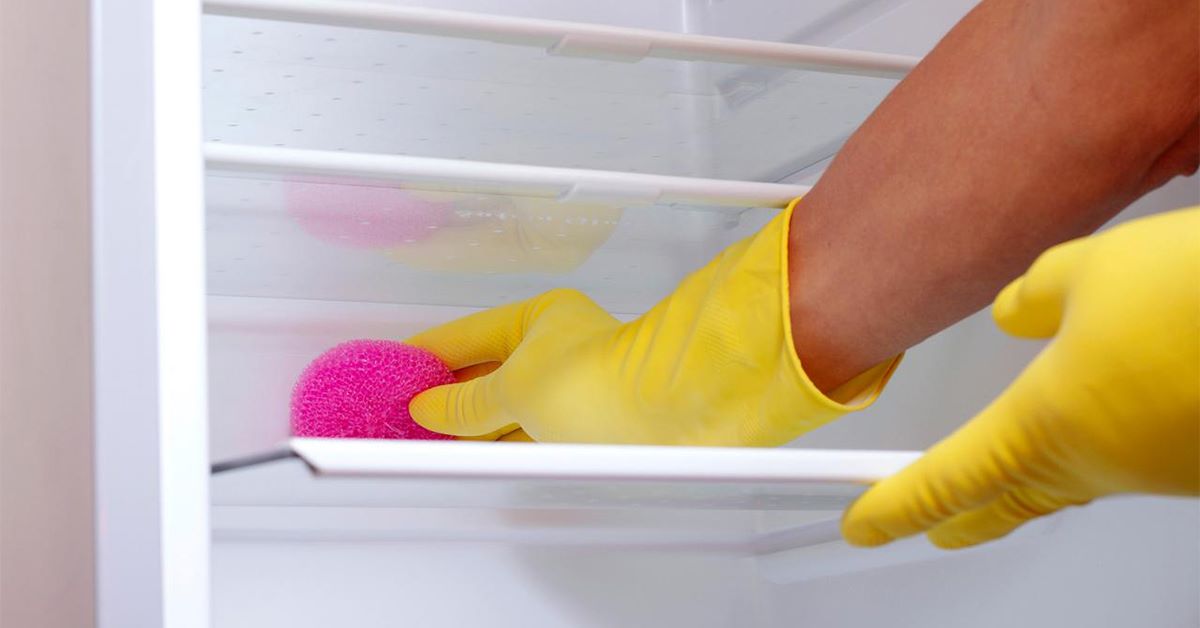
- Use a soft sponge or cloth to wipe all surfaces
- Rinse thoroughly with clean water
Scrubbing Stubborn Stains
Some stains need extra effort. Use a paste made from baking soda and water to scrub tough spots. This method is safe and effective.
| Stain Type | Cleaning Method | Tools Needed |
|---|---|---|
| Sticky residue | Apply baking soda paste and scrub gently | Soft brush or sponge |
| Food spills | Use warm soapy water and wipe clean | Cloth or sponge |
| Mold or mildew | Clean with vinegar solution and rinse well | Spray bottle and cloth |
Drying Components Thoroughly
After washing, dry all parts completely. Use a clean towel or air dry to stop mold and odors. Make sure no water remains before putting shelves back.
Interior Maintenance
Keeping your refrigerator clean inside helps it work better. Clean shelves stop germs and spills from building up.
Regular cleaning keeps food fresh and safe. It also stops bad smells from forming inside.
Wiping Interior Surfaces
Start by removing all food and shelves from the fridge. Use a soft cloth with warm, soapy water to wipe the shelves.
Dry the shelves well before putting them back. Clean the walls and corners with the same cloth to remove spills and crumbs.
- Remove shelves and drawers carefully
- Use mild soap and warm water for cleaning
- Wipe all fridge walls and corners
- Dry surfaces before replacing shelves
Preventing Odors
Keep your fridge smelling fresh by checking food regularly. Throw away old or spoiled items to stop smells from spreading.
Use baking soda inside the fridge to absorb odors. Place an open box on a shelf and replace it every few months.
- Check and discard expired food weekly
- Clean spills quickly to avoid bad smells
- Place open baking soda box inside the fridge
- Replace baking soda every 3 months

Credit: www.youtube.com
Reassembling And Organizing
After cleaning the refrigerator shelves and drawers, it is important to put everything back correctly. Proper reassembly helps keep the fridge organized and efficient.
Organizing food inside the fridge can extend freshness and make it easier to find items quickly.
Reinstalling Shelves And Drawers
Start by placing the shelves back in their slots. Make sure each shelf clicks into place and feels stable.
Next, slide the drawers into their tracks. Align the edges and push gently until they fit securely.
- Check for any cracks or damage before reinstalling
- Clean the seals around drawers to avoid mold buildup
- Do not overload shelves to prevent breakage
Optimal Food Arrangement
Place raw meat and fish on the lowest shelf to avoid drips on other foods.
| Food Type | Best Location |
| Raw Meat and Fish | Bottom Shelf |
| Dairy Products | Middle Shelves |
| Fruits and Vegetables | Drawers |
| Leftovers and Ready-to-Eat Foods | Top Shelf |
Regular Cleaning Schedule
Keeping your refrigerator shelves clean helps keep food fresh. Dirt and spills can cause bad smells and stains.
It is best to clean your fridge shelves often. This stops germs and keeps your fridge safe.
Weekly Quick Clean
Do a quick clean every week to remove small spills and crumbs. This keeps the fridge tidy and fresh.
Wipe shelves with a damp cloth and mild soap. Dry shelves well before putting items back.
- Remove loose crumbs and debris
- Use a soft cloth with warm, soapy water
- Dry shelves to avoid moisture build-up
- Check for expired food and throw it away
Deep Cleaning Frequency
Deep clean the fridge shelves once every few months. This removes tough stains and hidden dirt.
Take out all shelves and wash them with warm water and baking soda. Clean the fridge walls and corners too.
- Remove shelves and drawers carefully
- Soak and scrub shelves with baking soda mix
- Wipe inside fridge walls and door seals
- Dry everything before placing shelves back
Credit: electrociti.pk
Frequently Asked Questions
How Often Should I Clean Refrigerator Interior Shelves?
Clean your refrigerator shelves every 1 to 2 months. Frequent cleaning prevents odor buildup and bacterial growth. Wipe spills immediately to maintain freshness. Regular cleaning also helps organize food and avoid cross-contamination. This habit ensures a hygienic and efficient fridge environment.
What Is The Best Cleaner For Refrigerator Shelves?
Use a mild dish soap mixed with warm water for cleaning shelves. Avoid harsh chemicals or abrasives that can damage surfaces. For tougher stains, a baking soda paste works well. Always rinse and dry shelves thoroughly before placing them back.
Can I Remove Shelves To Clean The Refrigerator Interior?
Yes, most refrigerator shelves are removable for easy cleaning. Carefully take them out to wash with warm soapy water. Removing shelves allows you to clean hard-to-reach spots and prevent mold buildup. Make sure shelves are completely dry before reinstalling.
How Do I Prevent Mold On Refrigerator Shelves?
Wipe spills immediately and clean shelves regularly to prevent mold. Keep your fridge temperature below 40°F (4°C) to inhibit mold growth. Use baking soda or vinegar solutions for natural mold prevention. Proper airflow and dry shelves also help keep mold away.
Conclusion
Cleaning your refrigerator shelves keeps your food fresh and safe. Regular cleaning stops spills and stains from building up. Use mild soap and warm water for best results. Dry shelves well to avoid mold and odors. A clean fridge helps you find food quickly and saves money.
Try to clean shelves every few weeks. Small efforts make a big difference in kitchen hygiene. Keep your fridge fresh, clean, and organized for better health. Simple steps like these make cleaning easy and stress-free.