
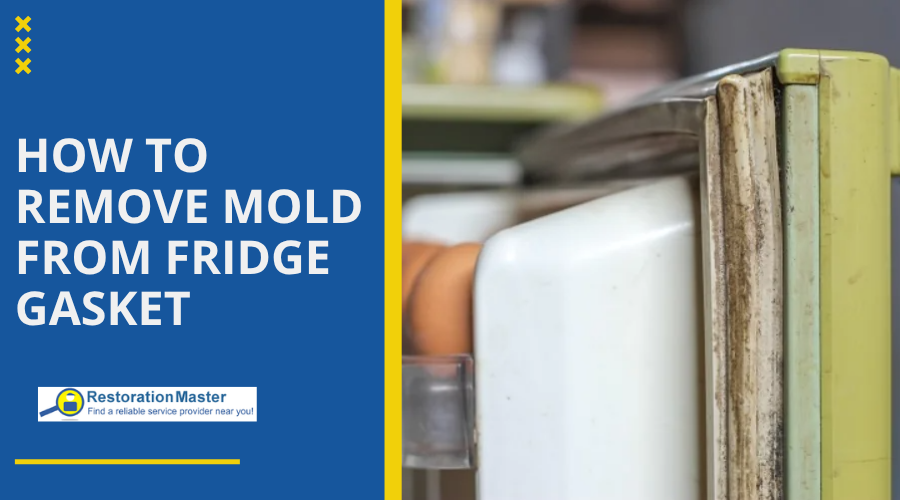
Your refrigerator gasket is one of the most important parts of your fridge, yet it often gets overlooked. If your fridge door isn’t sealing properly, it can cause your food to spoil faster and raise your energy bills.
Cleaning your refrigerator gasket regularly is a simple step that can save you money and keep your food fresh longer. You’ll learn easy and effective ways to clean your gasket, spot signs of damage, and maintain it for the best performance.
Keep reading to discover how a small effort can make a big difference for your fridge and your home.

Credit: restorationmasterfinder.com
Importance Of A Clean Gasket
The refrigerator gasket is the rubber seal around the door. It keeps cold air inside your fridge.
Cleaning the gasket regularly helps your refrigerator work well and saves energy.
Prevents Mold And Mildew
A dirty gasket traps moisture and food particles. This creates a perfect place for mold and mildew to grow.
Cleaning stops mold from spreading and keeps your fridge safe and healthy.
Improves Door Seal
Food crumbs and dirt can stop the gasket from sealing tightly. This lets cold air escape.
A clean gasket closes the door properly and keeps the fridge temperature steady.
Saves Energy And Money
If cold air leaks, the fridge uses more electricity to stay cold. This increases your energy bill.
Regular cleaning helps your fridge use less power and saves money on electricity.
Extends Refrigerator Life
A clean gasket reduces stress on your fridge’s motor. The motor works less hard to keep cool.
This helps your refrigerator last longer and reduces repair costs.

Credit: www.youtube.com
Tools And Materials Needed
Cleaning the refrigerator gasket helps keep your fridge fresh and working well. You need the right tools to clean it properly.
Gather these materials before you start. It will make the cleaning easier and more effective.
Soft Cloth Or Sponge
A soft cloth or sponge helps remove dirt without damaging the gasket. Avoid rough materials that can scratch or tear it.
Mild Dish Soap
Mild dish soap cleans off grease and grime safely. Use a small amount mixed with warm water to avoid harming the gasket.
Warm Water
Warm water helps dissolve dirt and soap. It makes cleaning smoother and removes residues easily from the gasket.
Old Toothbrush Or Soft-bristled Brush
An old toothbrush or soft-bristled brush cleans hard-to-reach areas. It helps remove mold and buildup in the gasket folds.
White Vinegar
White vinegar is good for disinfecting and removing odors. Use it diluted with water to clean and freshen the gasket.
Dry Towel Or Microfiber Cloth
A dry towel or microfiber cloth helps dry the gasket after cleaning. This prevents mold and keeps the gasket in good shape.
Preparing The Refrigerator
Cleaning the refrigerator gasket is easier when the fridge is ready. Preparing your refrigerator helps you clean safely and well.
Start by making space and turning off the power. These steps protect your food and the appliance.
Empty The Contents
Remove all items from your refrigerator. This includes food, drinks, and shelves if possible.
Emptying the fridge gives you room to clean the gasket fully. It also prevents spills during cleaning.
- Take out all food and drinks
- Remove any trays or shelves near the gasket
- Store perishable items in a cooler
Turn Off The Power
Switch off the refrigerator before cleaning. This stops the compressor and avoids accidents.
Unplug the appliance or use the power button. Make sure the fridge is fully off before you start.
- Locate the power switch or unplug the fridge
- Wait a few minutes for the appliance to cool down
- Keep the door open to air out the fridge
Cleaning The Gasket
The gasket is the rubber seal around your refrigerator door. It keeps cold air inside and warm air out. Dirt and mold can build up on the gasket over time.
Cleaning the gasket helps your fridge work better. It also stops bad smells and mold growth. Let’s learn how to clean it well.
Create A Cleaning Solution
Mix warm water with mild dish soap to make a cleaning solution. This helps break down dirt and grime on the gasket. Avoid strong chemicals that can damage the rubber.
You can also use a mix of water and white vinegar. Vinegar kills mold and bacteria safely. Use one cup of vinegar to one cup of water.
- Warm water and a few drops of dish soap
- Or equal parts water and white vinegar
- Use a soft cloth or sponge for cleaning
Scrub And Wipe The Gasket
Dip a soft brush or cloth into the cleaning solution. Gently scrub the gasket, especially in the folds where dirt hides. Use light pressure to avoid damage.
After scrubbing, wipe the gasket with a clean, damp cloth. This removes soap or vinegar residue. Dry the gasket fully with a towel to prevent mold growth.
- Use a soft brush or cloth for scrubbing
- Clean the folds carefully
- Wipe off residue with a damp cloth
- Dry the gasket completely with a towel
Addressing Mold And Mildew
Mold and mildew can grow on refrigerator gaskets. They cause bad smells and can harm your health. Cleaning them is important to keep your fridge safe.
This guide shows how to find mold spots and clean them with safe solutions. Follow the steps to keep your fridge gasket fresh and clean.
Identify Problem Areas
Look carefully around the fridge gasket for mold or mildew. These areas are dark and moist, so mold grows easily.
- Check the gasket folds and crevices closely
- Look for black, green, or white spots
- Feel for any slimy or sticky patches
- Smell for musty or sour odors
Apply Anti-mold Solutions
Use safe cleaning solutions to remove mold and stop it from coming back. Always wear gloves and ventilate the area.
| Solution | How to Use |
| White vinegar | Spray on gasket, wait 10 minutes, wipe clean |
| Baking soda paste | Mix with water, scrub gasket gently, rinse |
| Hydrogen peroxide | Apply with cloth, let sit 5 minutes, wipe off |
| Soap and water | Clean regularly to prevent mold growth |
Drying And Inspecting The Gasket
Cleaning your refrigerator gasket is important for keeping it fresh and working well. After cleaning, drying and checking the gasket is key to avoid problems.
Drying stops mold and bad smells. Checking finds damage early to fix or replace the gasket.
Ensure Complete Dryness
Use a clean, dry cloth to wipe the gasket fully. Make sure to get into all the folds and crevices.
Leave the refrigerator door open for a while. This helps air dry the gasket and stops moisture buildup.
- Wipe with a soft towel or microfiber cloth
- Check all sides and corners carefully
- Open the door for 15-30 minutes to air dry
- Do not use heat sources to dry the gasket
Check For Damage
Look closely at the gasket for cracks, tears, or warping. Damaged areas can cause cold air leaks.
Press gently on the gasket to see if it seals tight. A loose gasket wastes energy and lowers cooling.
- Inspect the entire gasket surface
- Look for cracks or breaks in the rubber
- Check if the gasket fits snugly when the door closes
- Replace the gasket if you find major damage
Maintaining The Gasket
The refrigerator gasket keeps cold air inside. It helps the fridge work well and saves energy. Keeping the gasket clean and tight stops food from spoiling.
Regular care makes the gasket last longer. It also stops bad smells and mold from growing. Follow simple steps to keep it in good shape.
Regular Cleaning Routine
Clean the gasket at least once a month. Use warm water and mild soap to wipe it down. Avoid harsh chemicals that can damage the rubber.
Check for dirt, crumbs, or sticky spots. Clean these areas carefully to keep the gasket soft and flexible.
- Mix warm water with mild soap
- Use a soft cloth or sponge
- Wipe all gasket folds and corners
- Dry the gasket with a clean towel
Keeping The Seal Tight
Check the gasket’s seal often. A loose seal lets cold air escape and wastes energy. Press the gasket gently to make sure it sticks firmly to the fridge.
If the gasket is loose or cracked, fix or replace it soon. Use a hairdryer on low heat to soften stiff rubber. This helps the gasket fit better around the door.
- Inspect gasket for cracks and gaps
- Use a hairdryer to soften stiff areas
- Push gasket gently to ensure a tight seal
- Replace gasket if damaged or worn out

Credit: www.amazon.com
Frequently Asked Questions
How Often Should I Clean Refrigerator Gasket?
Cleaning the refrigerator gasket monthly prevents mold and keeps the seal tight. Regular cleaning maintains fridge efficiency and food freshness.
What Materials Are Safe To Clean Refrigerator Gasket?
Use mild soap, warm water, and a soft cloth or toothbrush. Avoid harsh chemicals that can damage the gasket rubber.
How Do I Remove Mold From Refrigerator Gasket?
Mix equal parts water and vinegar. Apply with a cloth, scrub gently, then wipe dry to remove mold effectively.
Can I Use Bleach To Clean Refrigerator Gasket?
Bleach can damage the gasket material and cause discoloration. It’s better to use vinegar or mild soap for cleaning.
Conclusion
Cleaning your refrigerator gasket keeps your fridge fresh and working well. Dirt and mold can cause problems if left alone. Regular cleaning stops bad smells and saves energy. Use gentle soap and water for best results. Wipe the gasket dry after cleaning to avoid moisture build-up.
A clean gasket helps your fridge close tightly. It also keeps food safer for longer. Make this cleaning part of your routine. Small steps lead to a cleaner, healthier kitchen. Simple care goes a long way.