
Your plastic cutting board sees a lot of action in the kitchen. From chopping vegetables to slicing meat, it’s a daily workhorse.
But are you sure it’s as clean as it should be? If bacteria and stains are lurking on your board, it can affect the taste of your food—and your health. You’ll discover simple, effective ways to clean your plastic cutting board and keep it safe for every meal.
Ready to make your kitchen safer and your food tastier? Keep reading!
Materials Needed
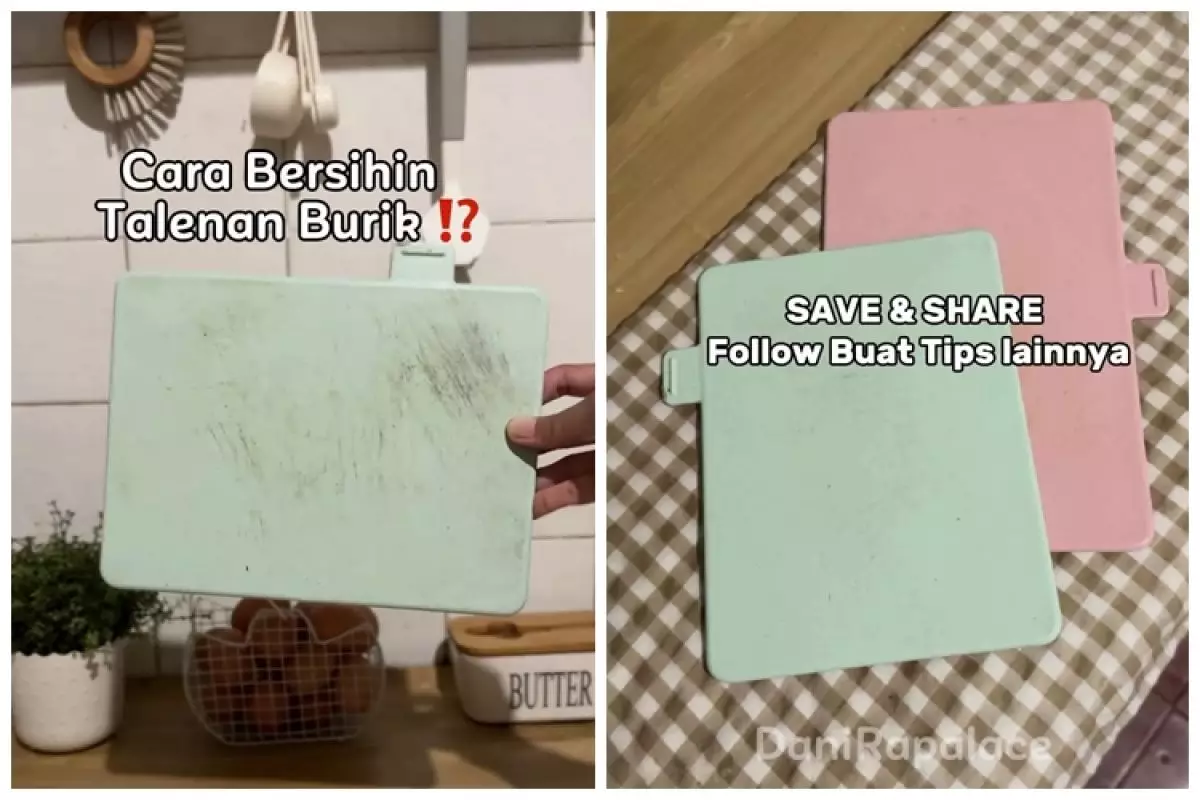
Cleaning plastic cutting boards properly keeps them safe and lasts longer. You need some simple materials to clean them well.
These materials help remove food stains and kill bacteria. Use them carefully to keep your cutting board in good shape.
Dish Soap
Dish soap is a basic cleaner that removes grease and food particles. Choose a mild soap to avoid damaging the plastic.
Mix dish soap with warm water for easy cleaning. It helps keep your board fresh and clean.
Scrub Brush Or Sponge
A scrub brush or sponge helps remove stuck-on food and stains. Use a brush with soft bristles to avoid scratches.
Sponges work well for gentle cleaning. Make sure they are clean before use to avoid spreading bacteria.
White Vinegar
White vinegar is a natural disinfectant. It kills germs and removes odors from plastic cutting boards.
Use vinegar by itself or diluted with water. It is safe and effective for regular cleaning.
Baking Soda
Baking soda acts as a gentle scrub and deodorizer. It helps lift tough stains and neutralizes smells.
Make a paste with water and baking soda for scrubbing. This paste cleans without harming the plastic surface.
Bleach (optional)
Bleach disinfects deeply but should be used carefully. It kills bacteria that dish soap and vinegar may miss.
Dilute bleach with water before use. Rinse the board well after cleaning to remove all bleach residues.
Credit: en.brilio.net
Preparation Steps
Cleaning plastic cutting boards properly starts with good preparation. Preparing your board helps remove food particles and prevents bacteria buildup.
Follow these steps to get your plastic cutting board ready for a thorough cleaning.
Remove Loose Debris
Use a spatula or paper towel to scrape off any food scraps or loose debris from the surface of the cutting board.
Rinse With Warm Water
Rinse the cutting board under warm running water to wash away remaining particles before applying any cleaning agents.
Prepare Cleaning Tools
- Gather dish soap or a disinfectant cleaner suitable for kitchen use.
- Use a scrub brush or sponge with firm bristles to clean the board.
- Keep a clean towel or drying rack ready for after washing.
Sanitizing Solutions
Here is a simple table of common sanitizing solutions you can prepare at home:
| Solution | Ingredients | Mix Ratio |
|---|---|---|
| Bleach | Water and bleach | 1 tablespoon bleach per gallon of water |
| Vinegar | White vinegar | Use full strength or dilute with equal water |
| Hydrogen Peroxide | 3% hydrogen peroxide | Use full strength |
Handwashing Techniques
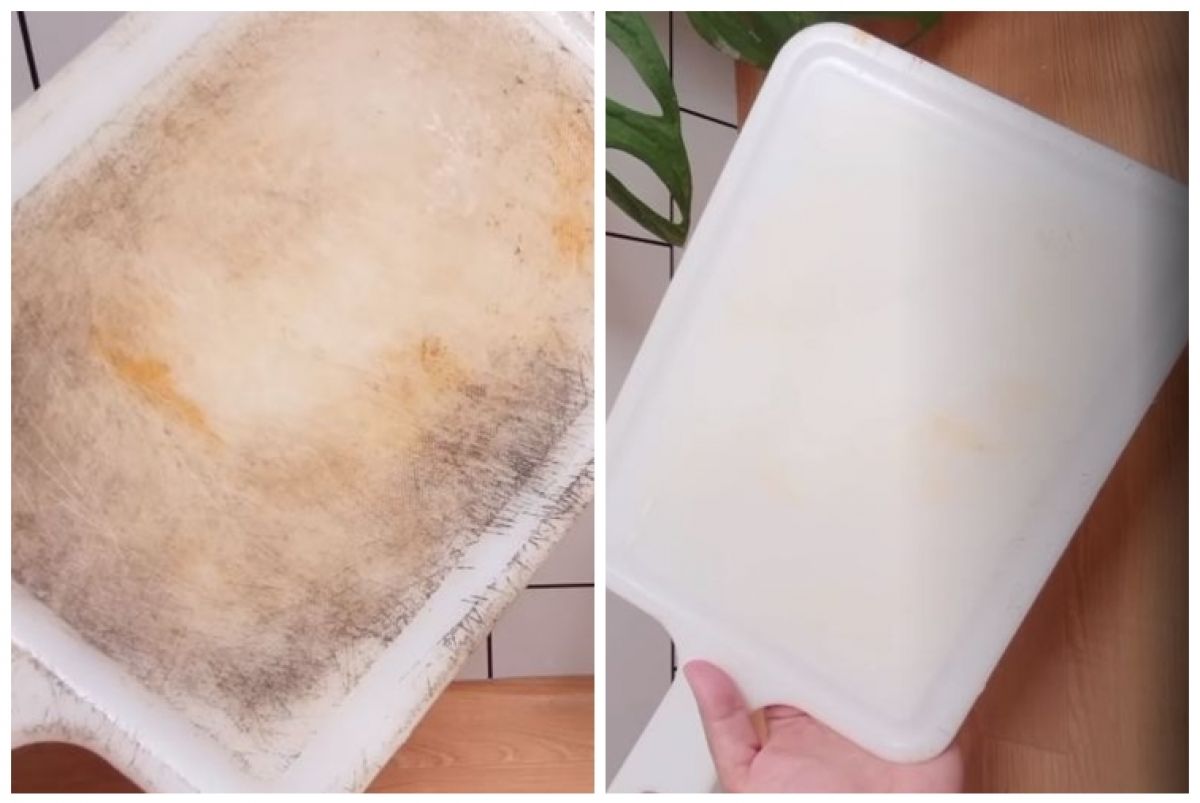
Cleaning plastic cutting boards by hand keeps them safe and ready to use. Proper handwashing removes bacteria and food stains.
Using simple tools like soap, water, and baking soda can clean the boards well. Follow easy steps to wash your cutting boards by hand.
Using Hot Water And Soap
Start by rinsing the cutting board with hot water. This helps to loosen food particles and grease.
Next, apply dish soap to the board. Use a clean sponge or cloth to scrub the surface well.
- Rinse the board with hot water before scrubbing
- Use enough soap to cover the surface
- Scrub all sides and edges carefully
- Rinse off all soap with hot water
Scrubbing With Baking Soda
Baking soda is a natural cleaner that removes stains and odors. Sprinkle some baking soda on the wet cutting board.
Use a sponge or brush to scrub the board with baking soda. This will help clean deep stains and kill bacteria.
- Wet the cutting board before adding baking soda
- Sprinkle a thin layer of baking soda evenly
- Scrub gently in circular motions
- Rinse well with hot water to remove baking soda
Credit: en.brilio.net
Deep Sanitizing Methods
Plastic cutting boards can hold germs even after washing. Deep cleaning helps kill bacteria and keep food safe.
Use strong but safe ingredients to sanitize your boards. These methods reach places normal washing misses.
Vinegar And Lemon Solution
Vinegar and lemon both have natural acids. These acids kill many types of germs on cutting boards.
Mix equal parts white vinegar and lemon juice. Apply this to the board and let it sit for 5 minutes.
- Spray or pour the solution over the board
- Rub gently with a clean cloth or sponge
- Rinse well with warm water
- Dry the board completely before use
Hydrogen Peroxide Application
Hydrogen peroxide is a safe cleaner that kills bacteria and viruses. It works well on plastic surfaces.
Pour 3% hydrogen peroxide on the cutting board. Spread it evenly and let it sit for 10 minutes.
- Use a spray bottle or pour directly
- Make sure the entire surface is covered
- After 10 minutes, rinse with warm water
- Dry the board fully before storage
Bleach Soaking Process
Bleach is a strong sanitizer that kills almost all germs. Use it carefully and in a diluted form.
Mix 1 tablespoon of bleach with 1 gallon of water. Soak the cutting board in this solution for 2 minutes.
- Prepare the bleach solution in a large container
- Fully submerge the cutting board for 2 minutes
- Remove and rinse with plenty of water
- Let the board air dry completely
Removing Stains And Odors
Plastic cutting boards can hold stains and smells after use. Cleaning them well keeps your kitchen fresh. Simple home ingredients work well to remove stains and odors.
Try easy methods using common items like baking soda, salt, and lemon. These help restore your cutting board’s look and smell.
Baking Soda Paste
Baking soda cleans stains and removes smells from plastic boards. It is gentle but effective. Make a paste with water and baking soda for best results.
- Mix three parts baking soda with one part water.
- Spread the paste over the stained areas.
- Let it sit for 15 minutes to absorb odors.
- Scrub gently with a sponge or brush.
- Rinse thoroughly with warm water.
- Dry the board before storing.
Salt And Lemon Scrub
Salt and lemon make a natural scrub that brightens plastic cutting boards. The lemon’s acid breaks down stains. Salt works as a mild abrasive.
| Ingredient | Purpose |
| Coarse Salt | Scrubs away stains and food residue |
| Lemon Juice | Breaks down stains and neutralizes odors |
| Lemon Rind | Helps rub the surface clean |
To clean, sprinkle salt on the board. Cut a lemon in half and use the cut side to scrub the salt into the board. Rinse well with water and dry.

Credit: www.youtube.com
Drying And Storing
Cleaning plastic cutting boards is only the first step. Drying and storing them correctly keeps them safe and lasts longer.
Proper drying stops bacteria growth. Good storage prevents damage and warping.
Air Drying Tips
Let your plastic cutting board dry completely before storing. Moisture traps germs and causes smells.
- Place the board upright on its side to let air flow around it.
- Use a clean rack or dish drainer for better drying.
- Avoid stacking boards while wet.
- If possible, dry in a sunny spot to speed up drying.
- Wipe off excess water with a clean towel before air drying.
Proper Storage Practices
Store cutting boards in a dry, clean place to keep them safe and strong.
| Storage Tip | Reason |
|---|---|
| Keep boards upright or on racks | Prevents moisture buildup and warping |
| Separate plastic boards from wooden ones | Avoids cross-contamination and damage |
| Store in a dry cabinet or shelf | Reduces bacteria growth and mold |
| Clean storage area regularly | Keeps environment hygienic and fresh |
Maintaining Cutting Boards
Plastic cutting boards need regular care to stay clean and safe. Proper cleaning stops germs and keeps food fresh.
Following simple habits makes your cutting boards last longer. It also helps avoid foodborne illnesses.
Regular Cleaning Routine
Wash plastic cutting boards after every use. Use hot water and soap to remove food particles and germs.
For deep cleaning, scrub with a brush to reach cuts and grooves. Rinse well and dry completely before storing.
- Use hot, soapy water for washing
- Scrub all surfaces, including edges
- Rinse with clean water
- Dry with a clean towel or air dry
- Sanitize with a vinegar or bleach solution once a week
Avoiding Cross-contamination
Use separate cutting boards for raw meat, vegetables, and cooked food. This stops germs from spreading.
Clean cutting boards between uses to keep food safe. Label or color-code boards to avoid mixing foods.
- Use different boards for meat, veggies, and bread
- Wash boards after switching food types
- Store boards separately to avoid contact
- Replace boards with deep cuts or stains
Frequently Asked Questions
How Often Should I Clean Plastic Cutting Boards?
Clean plastic cutting boards after every use. Frequent washing prevents bacteria buildup and cross-contamination. Use hot, soapy water or a dishwasher for thorough cleaning.
Can I Use Bleach To Sanitize Cutting Boards?
Yes, dilute bleach solution effectively sanitizes plastic boards. Mix one tablespoon of bleach with one gallon of water. Rinse well and air dry after sanitizing.
Are Plastic Cutting Boards Dishwasher Safe?
Most plastic cutting boards are dishwasher safe. The high heat and detergent kill germs efficiently. Check manufacturer instructions to confirm dishwasher compatibility.
How Do I Remove Stains From Plastic Cutting Boards?
Use baking soda paste or lemon juice to remove stains. Scrub gently with a sponge, then rinse with warm water. Repeat if necessary for tough stains.
Conclusion
Cleaning plastic cutting boards keeps your kitchen safe and fresh. Use soap, hot water, and a scrub brush for best results. Disinfect regularly to avoid germs and stains. Replace boards that show deep cuts or cracks. Simple care extends their life and keeps food healthy.
Clean boards make cooking easier and safer. Take a few minutes after each use. Your kitchen will thank you.